135 crystals
Green Crystals and Minerals
What makes crystals green?
Green is the most common color in the mineral kingdom because the two most abundant transition metals - iron and copper - both commonly produce green. Iron in its Fe²⁺ state (as in olivine and epidote) absorbs red light, transmitting green. Copper compounds (malachite, chrysocolla, dioptase) achieve green through different electronic transitions. Chromium, though rarer, produces the finest greens: the pure green of emerald and chrome diopside.
Want the traditions attached to each color? Crystal color meanings, stone by stone. Holding a stone you cannot name? Identify it by its properties.
What are some green crystals?
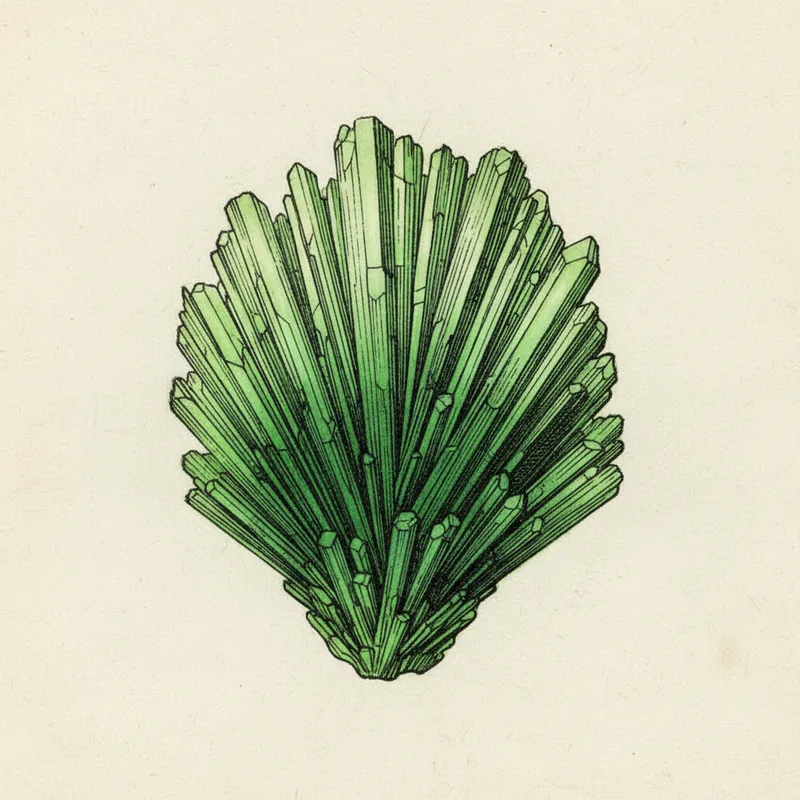
Actinolite
The Ray Stone
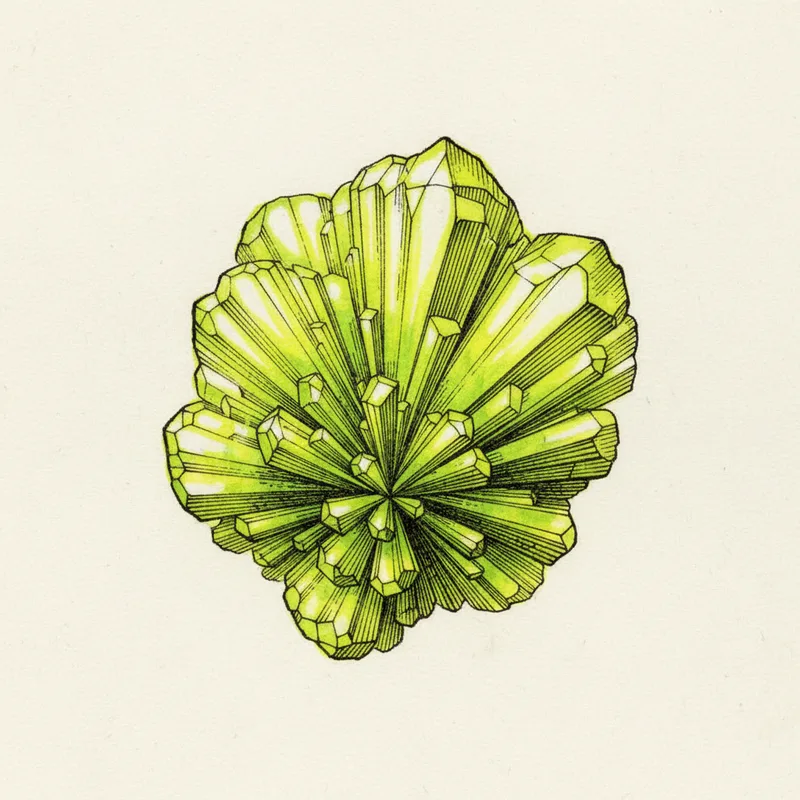
Adamite
The Neon Crystal
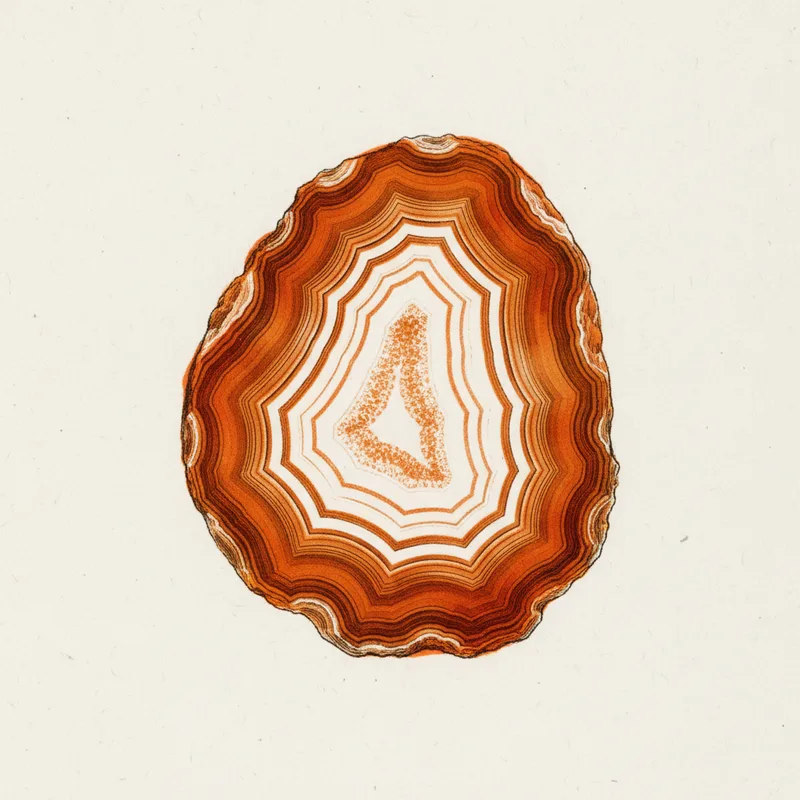
Agate
The Stabilizer

Ajoite
The Rare Copper Phantom
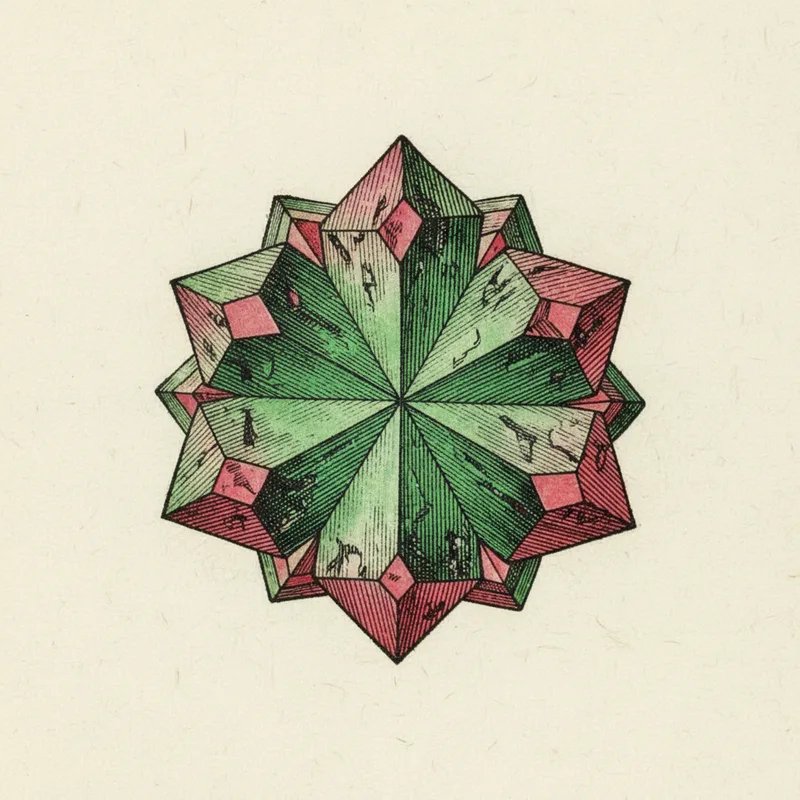
Alexandrite
The Chameleon Gem
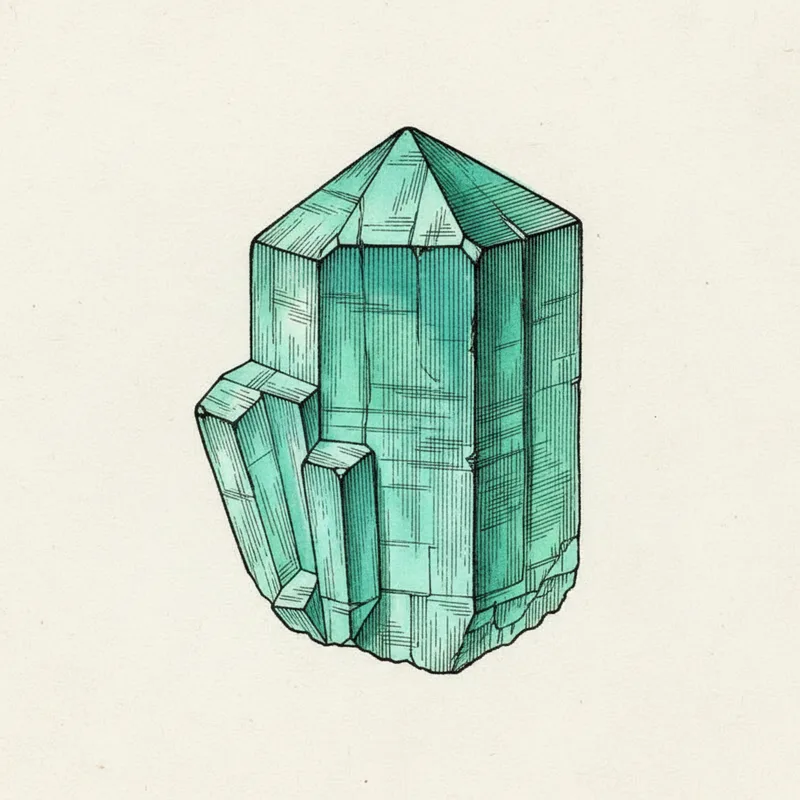
Amazonite
The Hope Stone
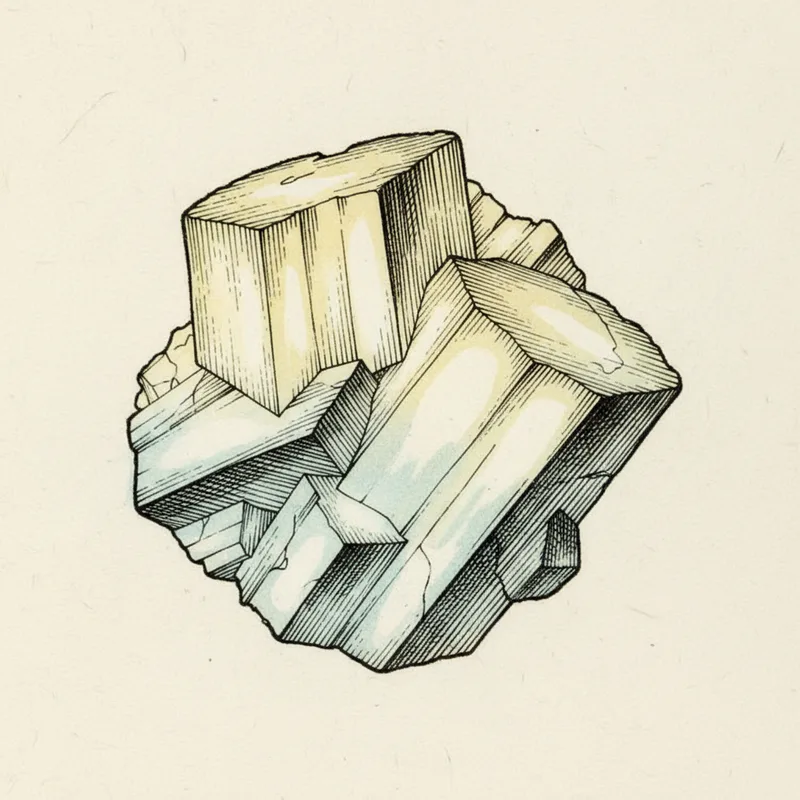
Amblygonite
The Lithium Light Stone
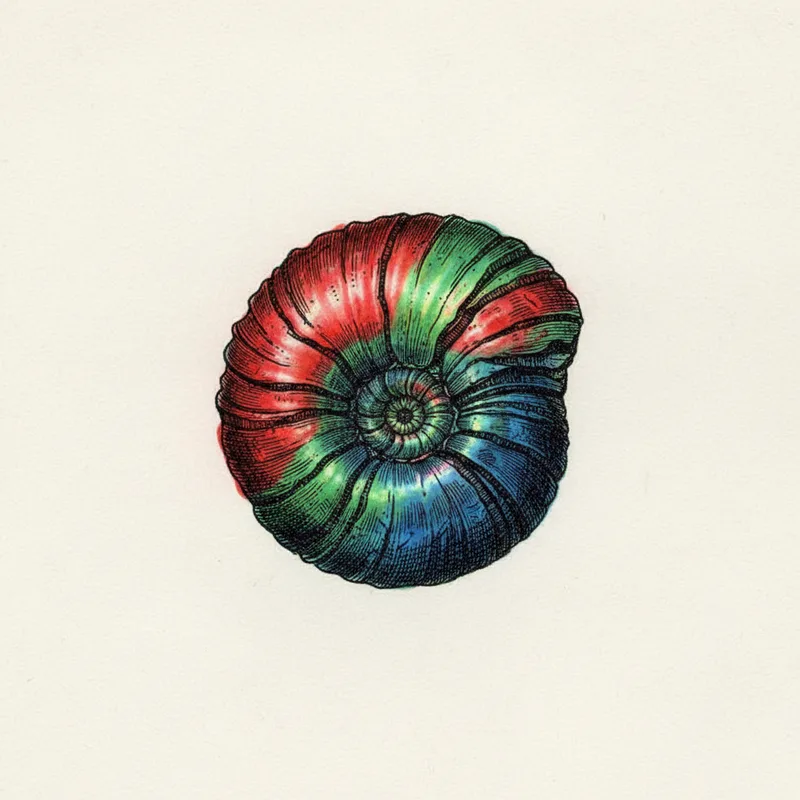
Ammolite
The Seven Color Gem
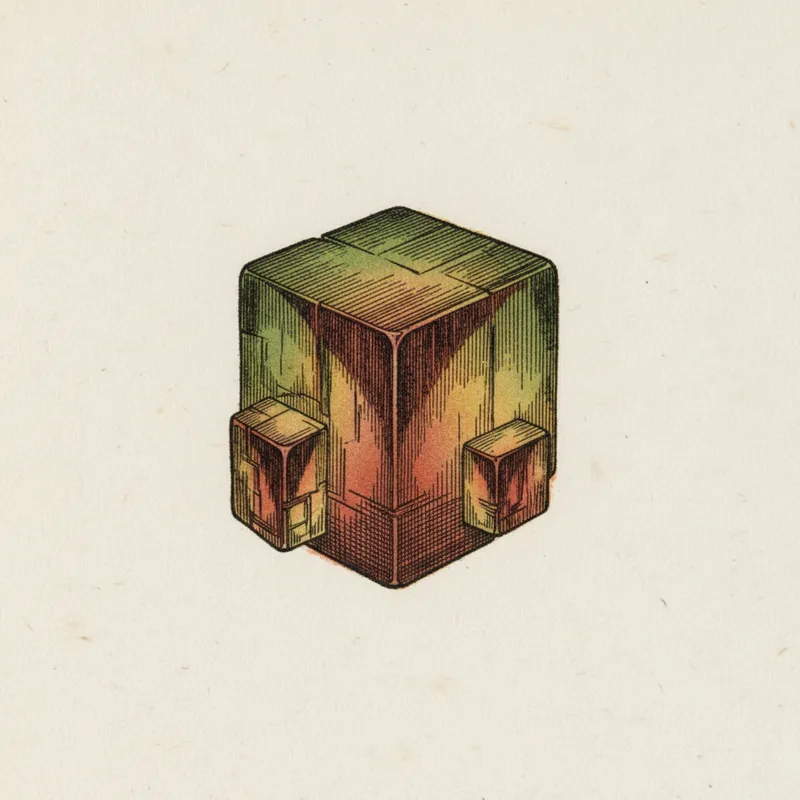
Andalusite
The Poor Man's Alexandrite
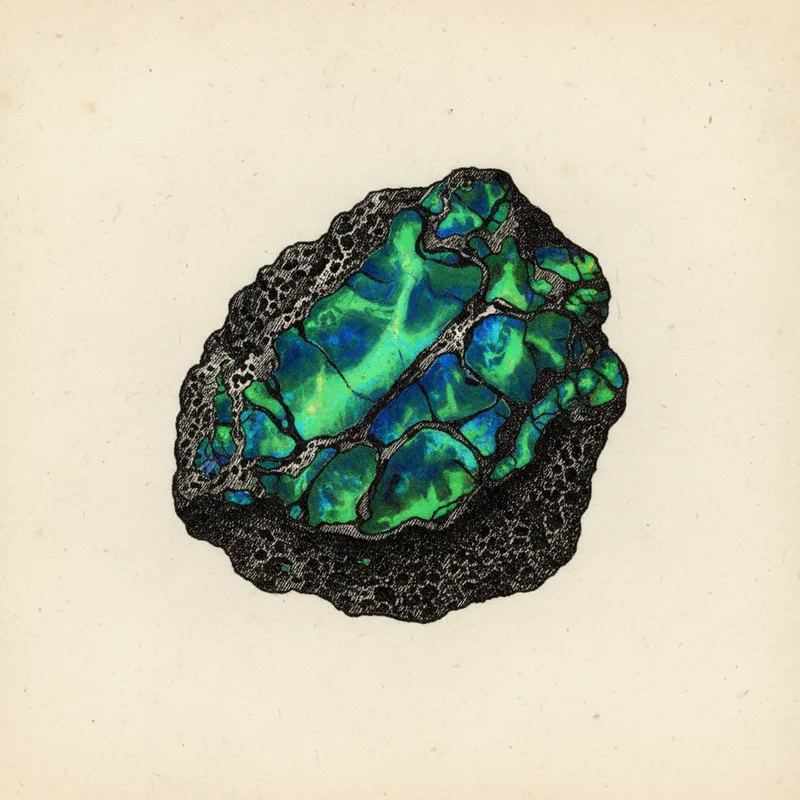
Andamooka Opal
South Australia's Matrix Jewel

Andradite Garnet
The Collector's Garnet
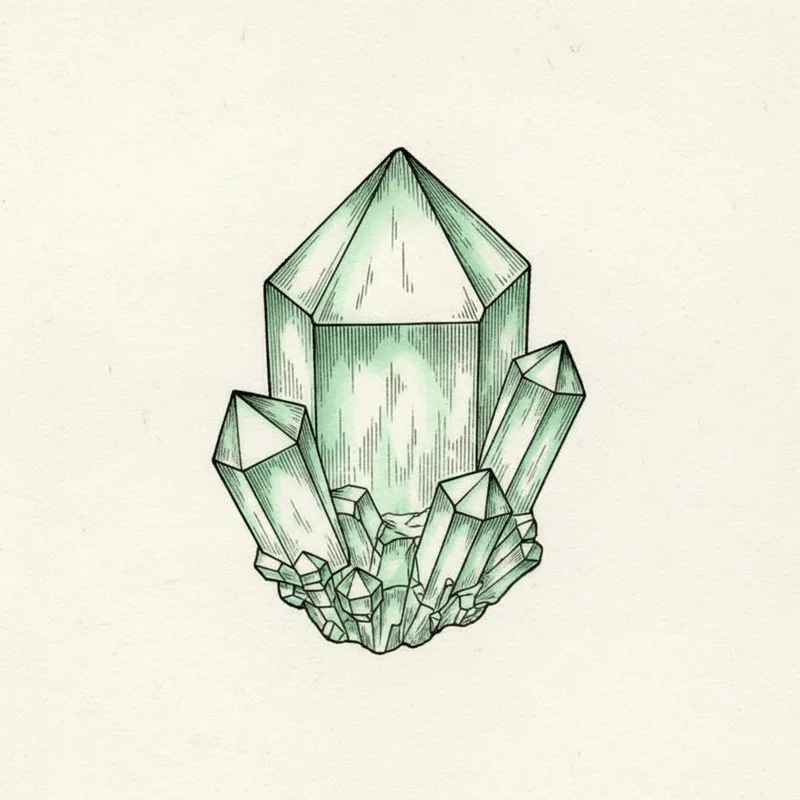
Apophyllite
The Light Keeper
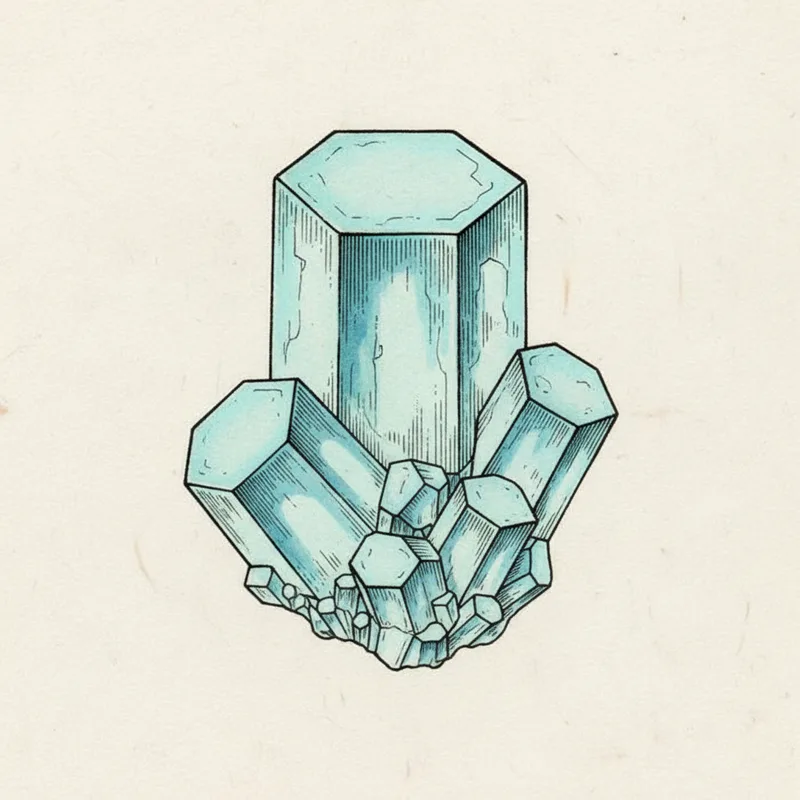
Aquamarine
The Sailor's Gem
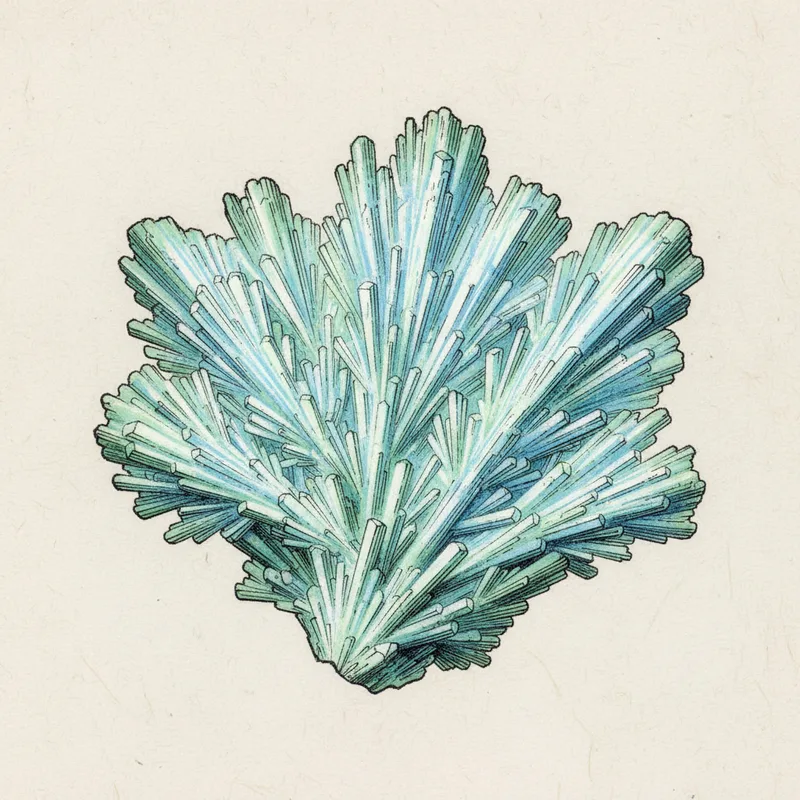
Aurichalcite
The Blue Lace Mineral
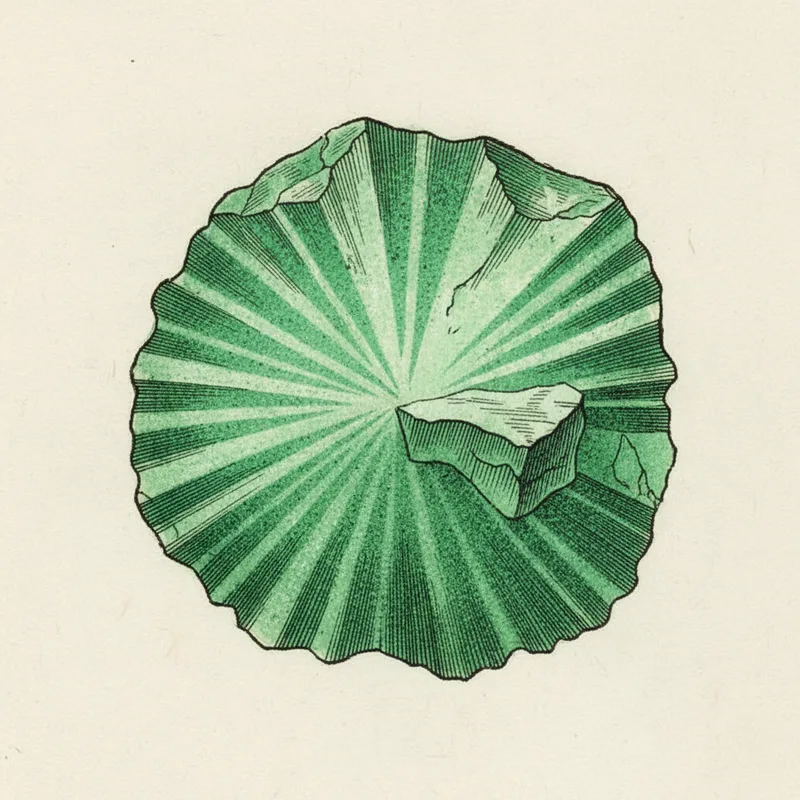
Aventurine
The Stone of Opportunity
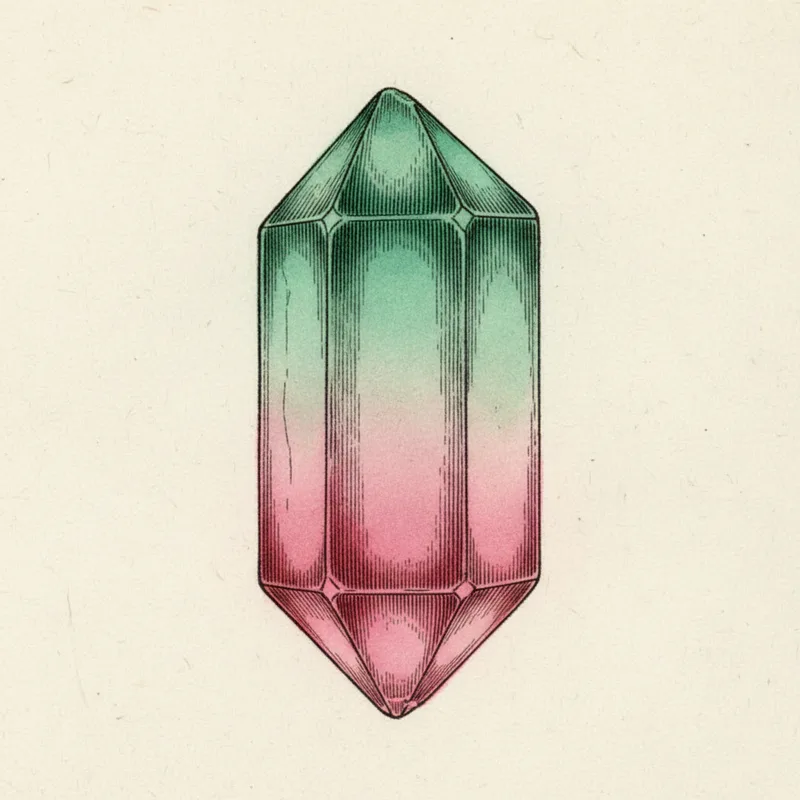
Bi-Color Tourmaline
Elbaite with two color zones

Biotite
The Black Mica
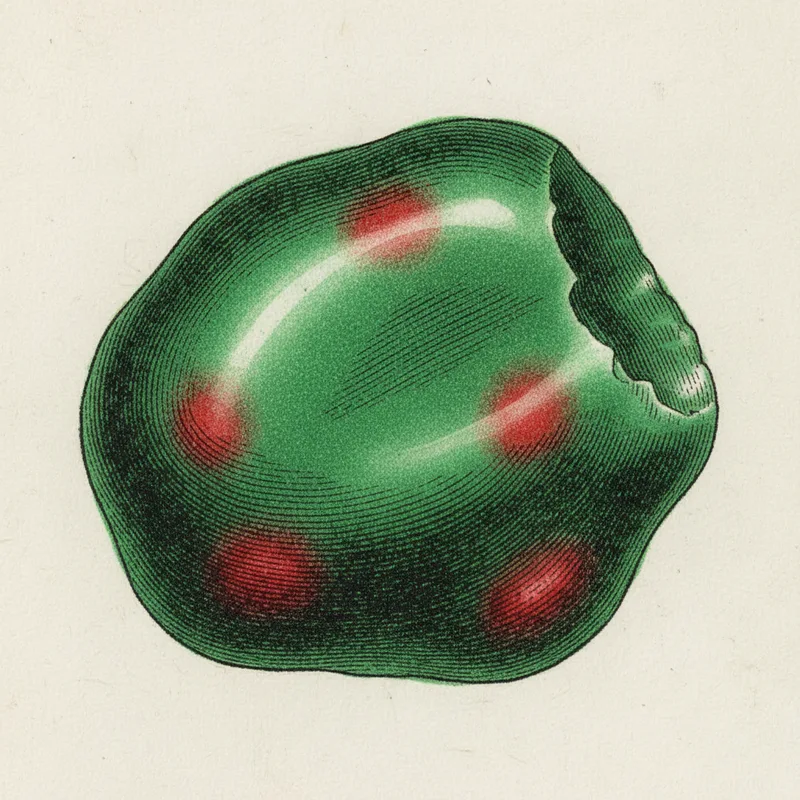
Bloodstone
The Martyr's Stone
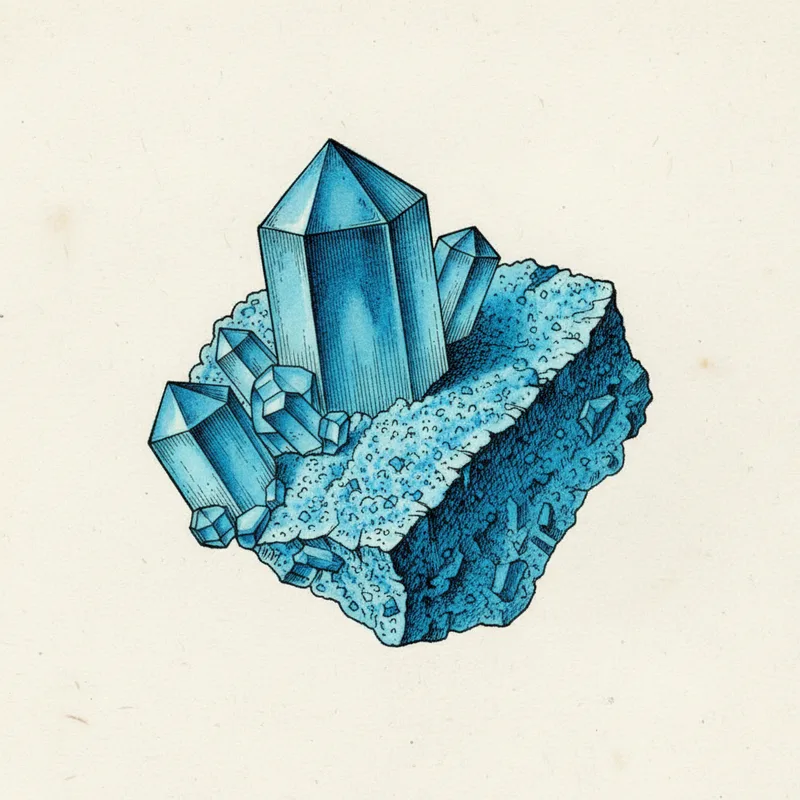
Blue Apatite
The Motivation Mineral
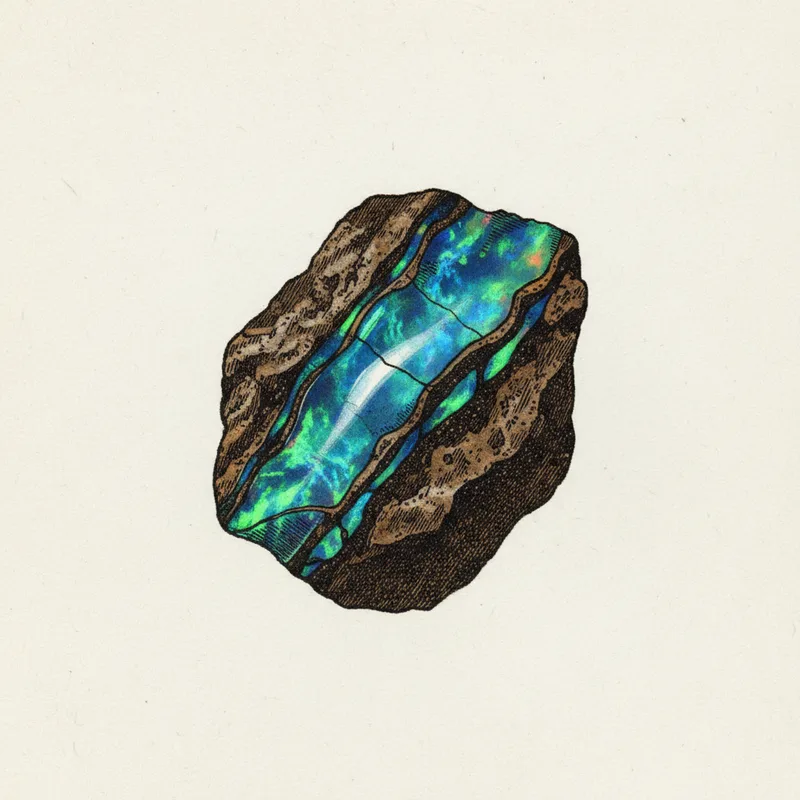
Boulder Opal
Australia's Ironstone Canvas
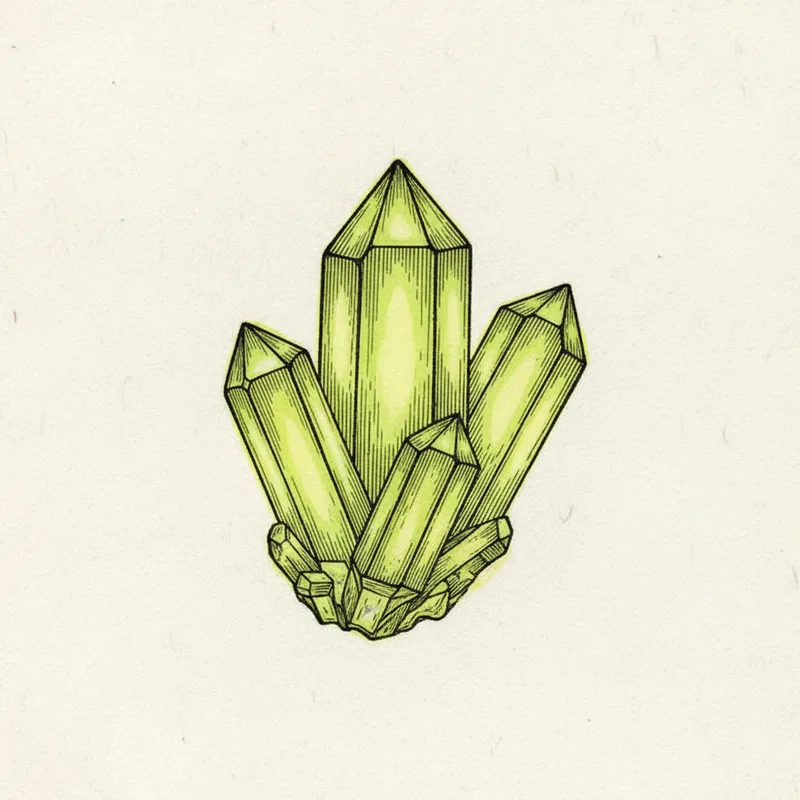
Brazilianite
The Chartreuse Gem
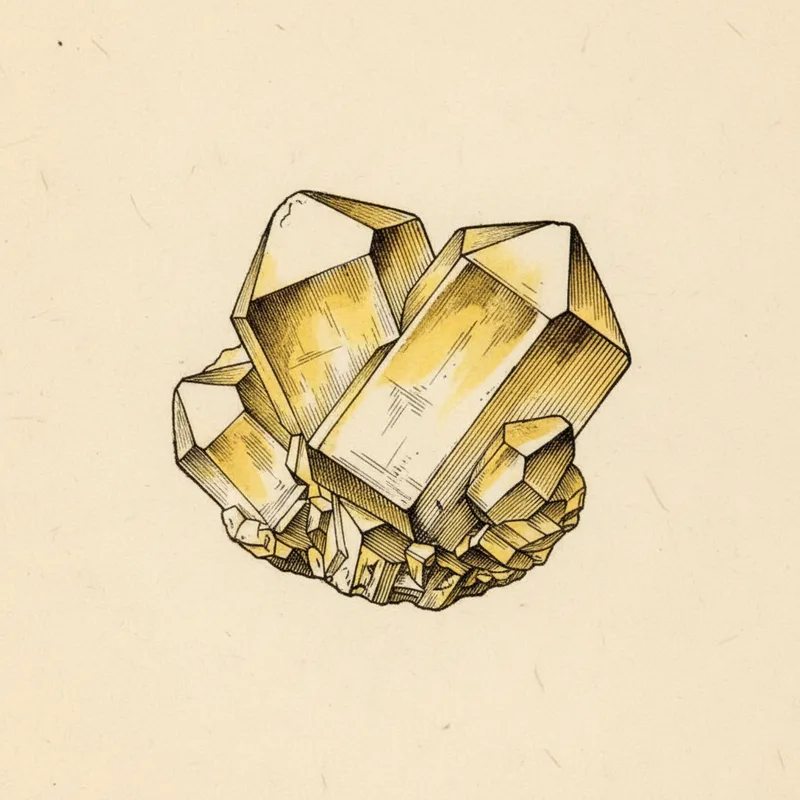
Calcite
The Shapeshifter
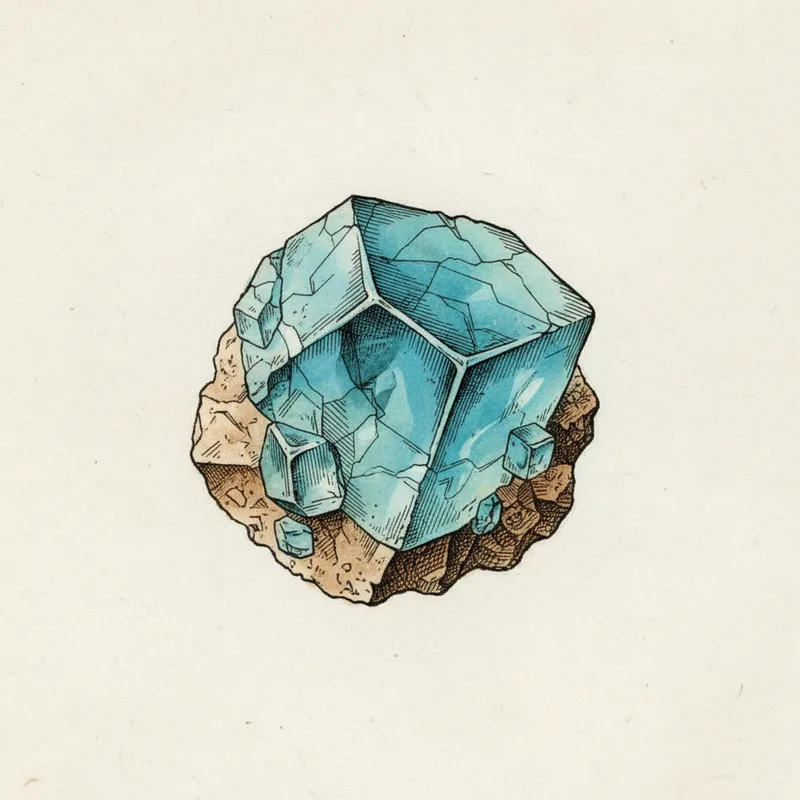
Caribbean Calcite
The Ocean Dream Stone
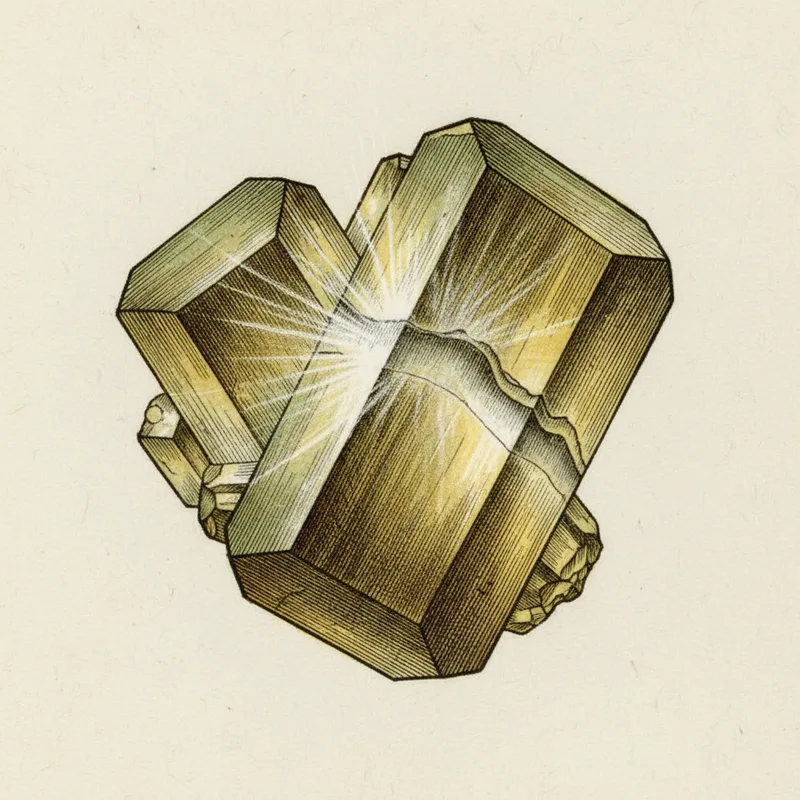
Cat's Eye Chrysoberyl
The Winking Stone
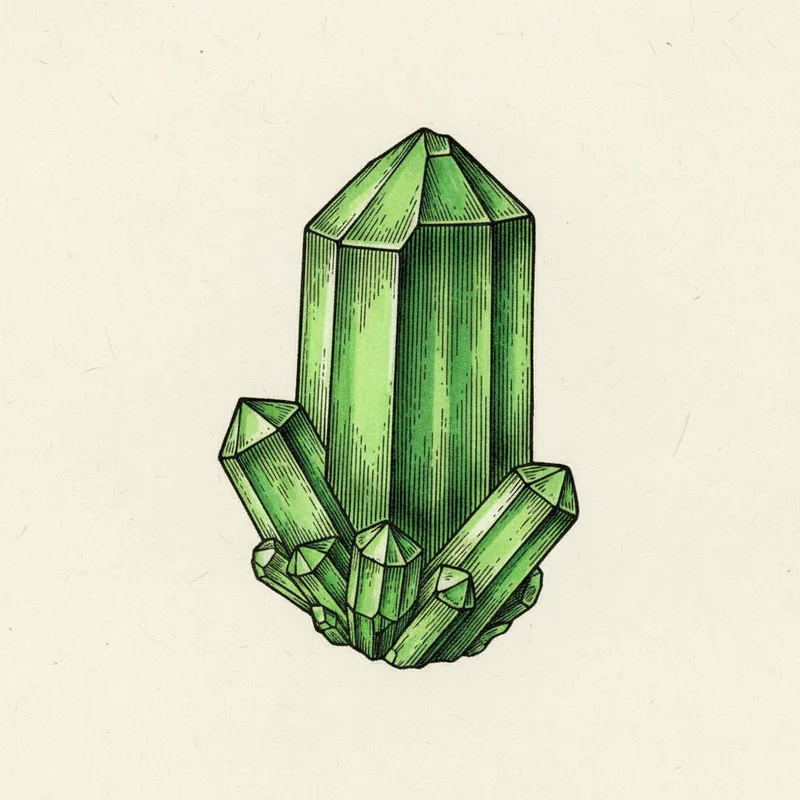
Chrome Diopside
The Siberian Emerald
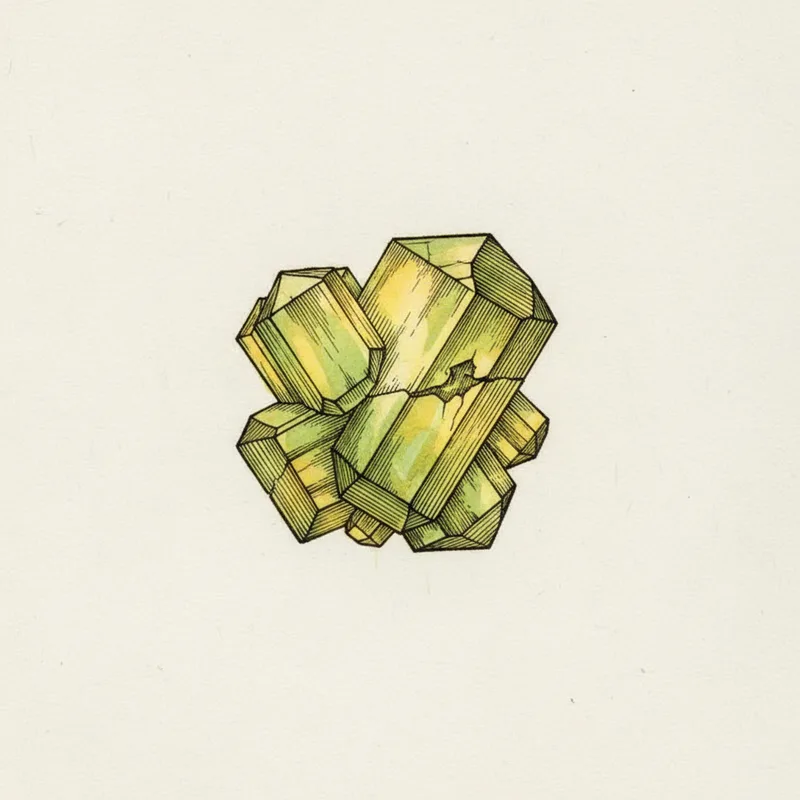
Chrysoberyl
The Cat's Eye Gem
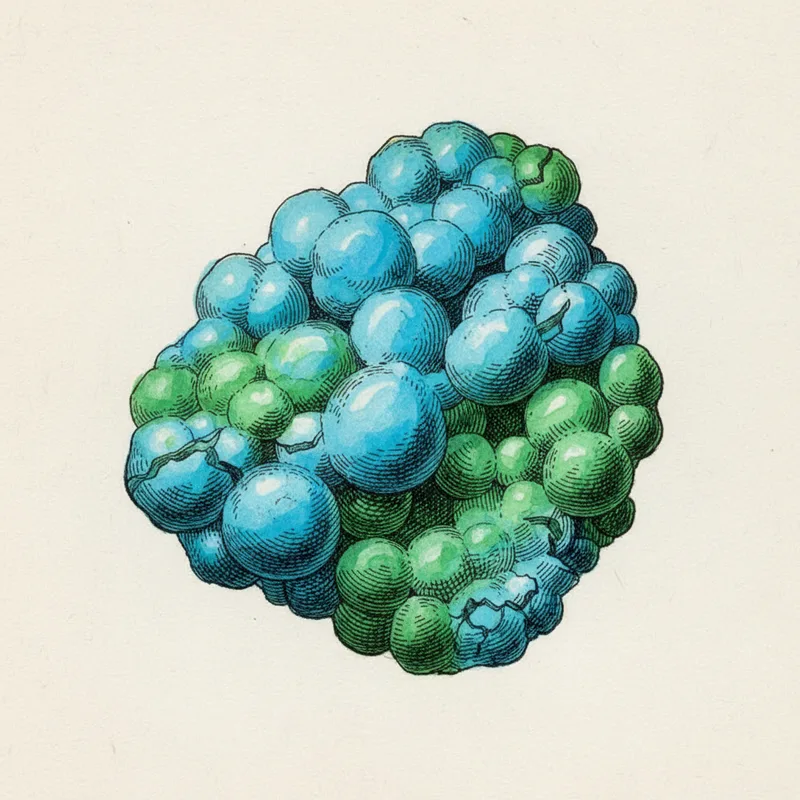
Chrysocolla
The Teaching Stone
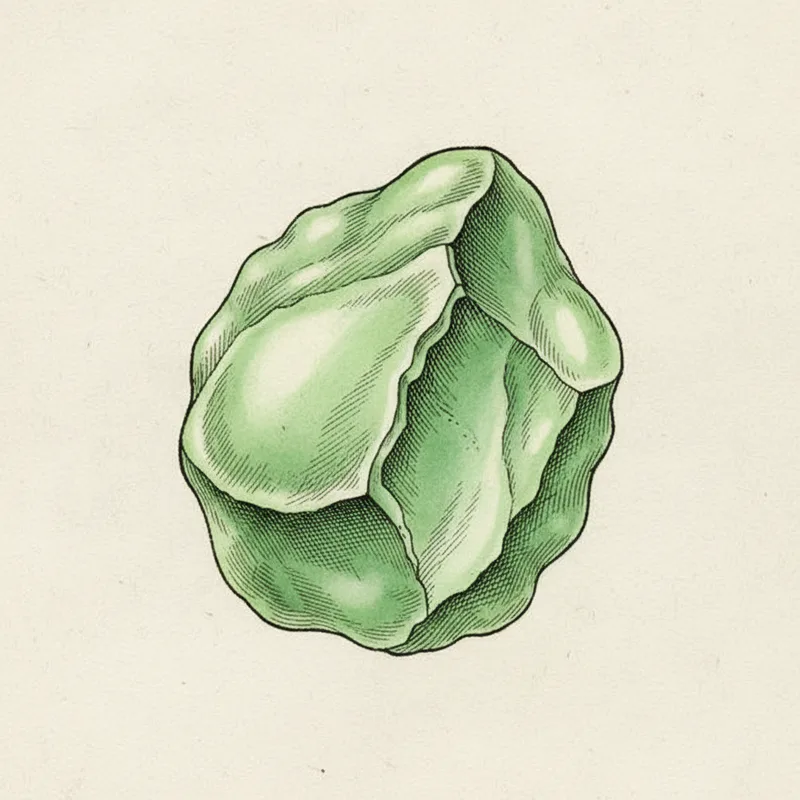
Chrysoprase
The Stone of Venus

Chrysotile
The Serpentine Fiber
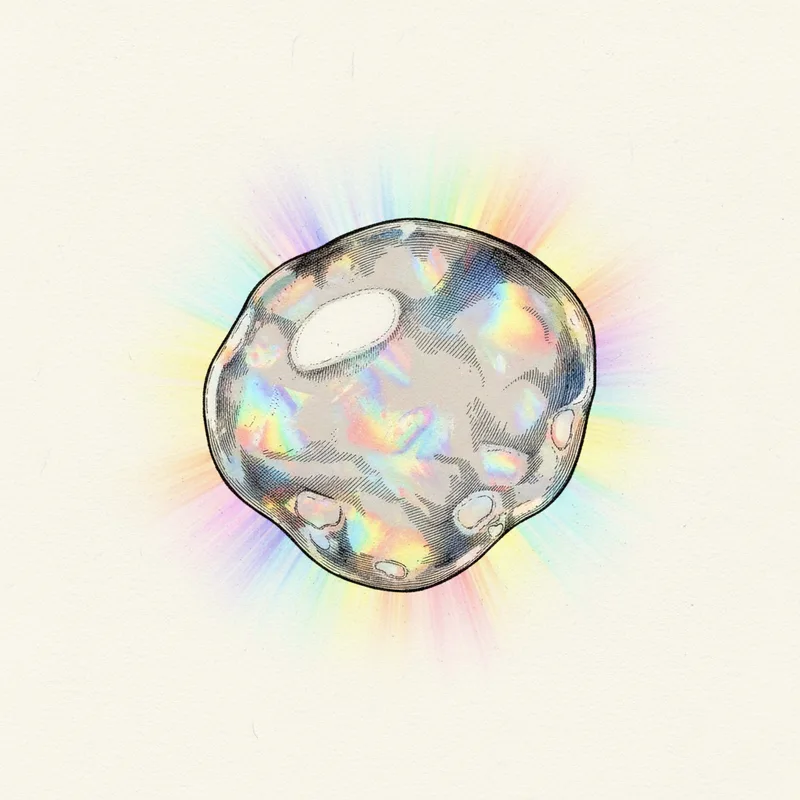
Contra-luz Opal
Opal seen in transmitted light
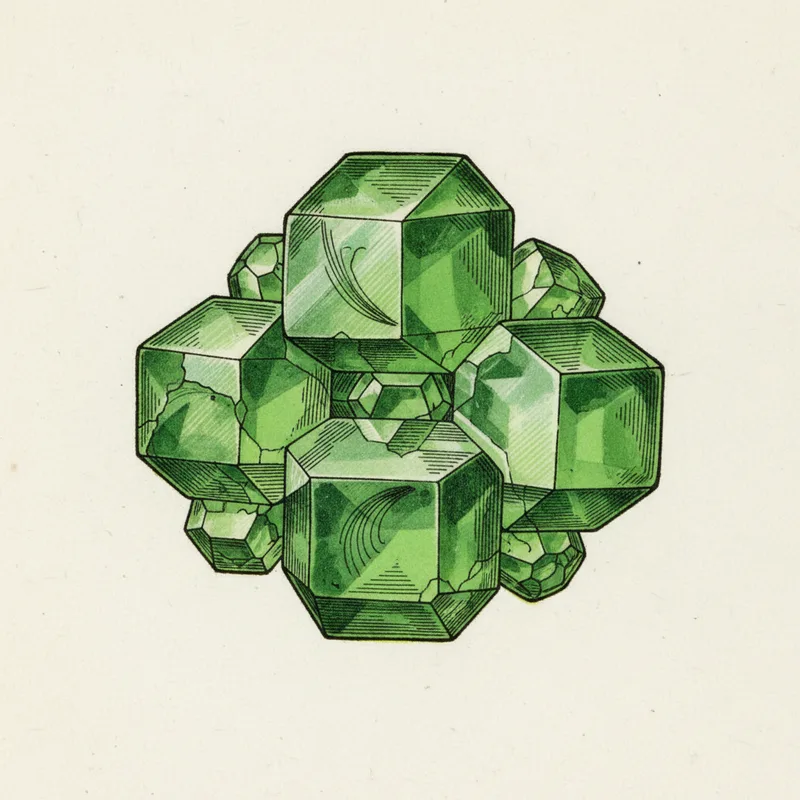
Demantoid Garnet
The Green Fire
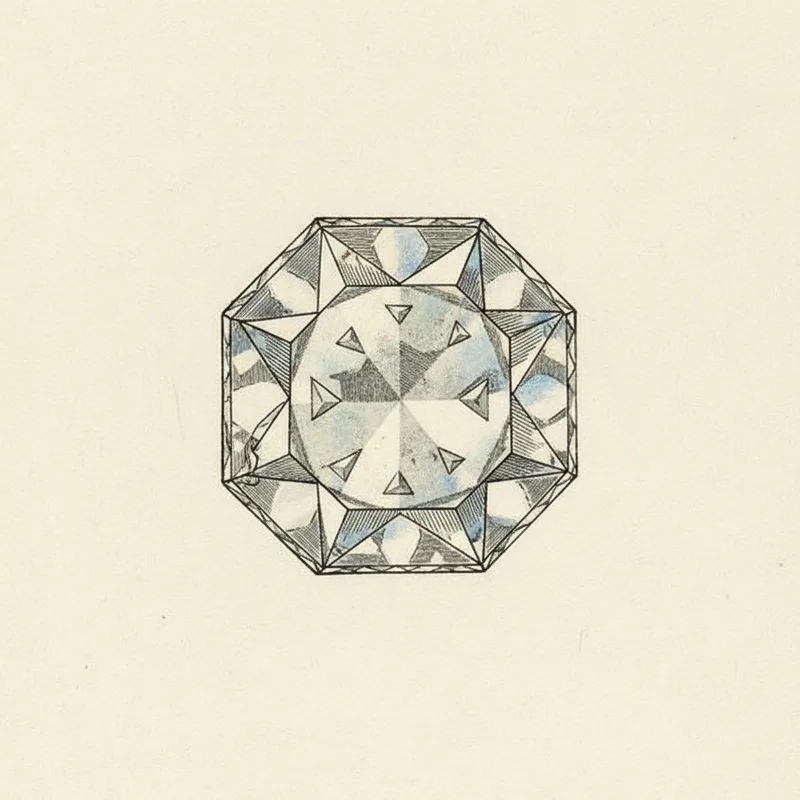
Diamond
The Invincible
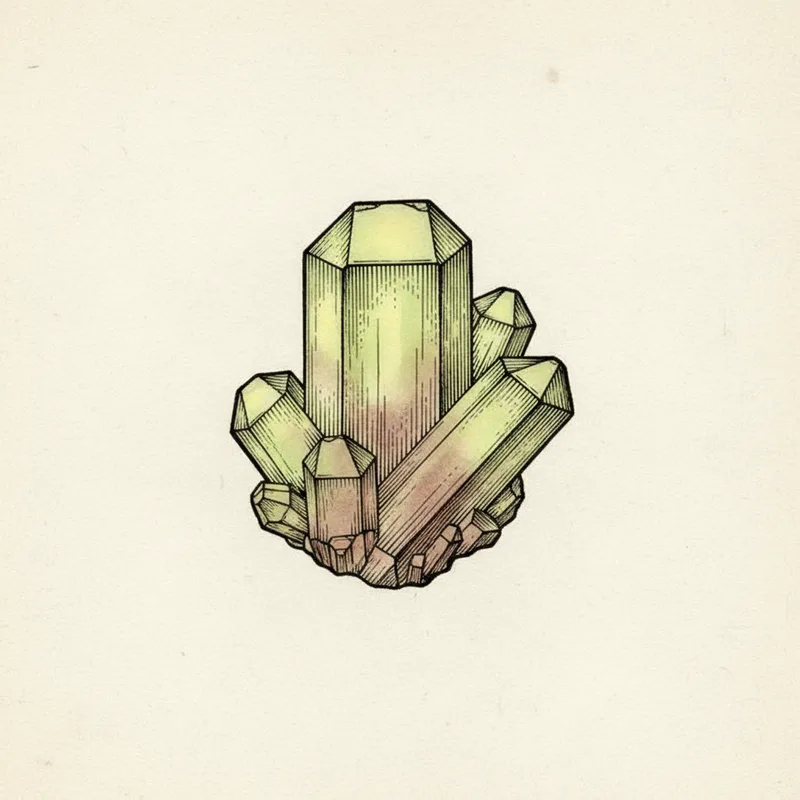
Diaspore
The Color-Change Gem
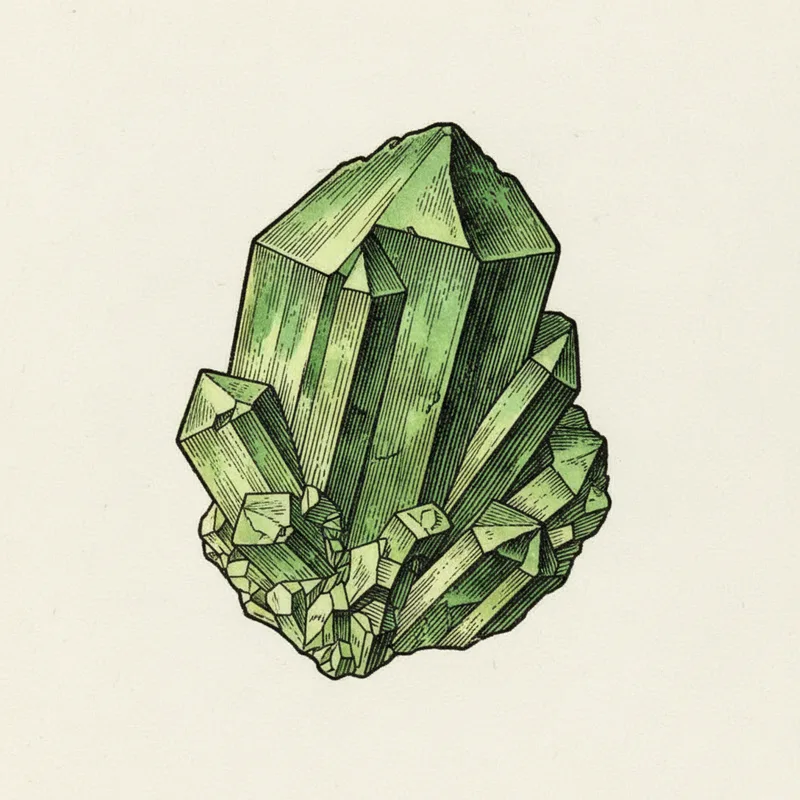
Diopside
The Emerald's Understudy
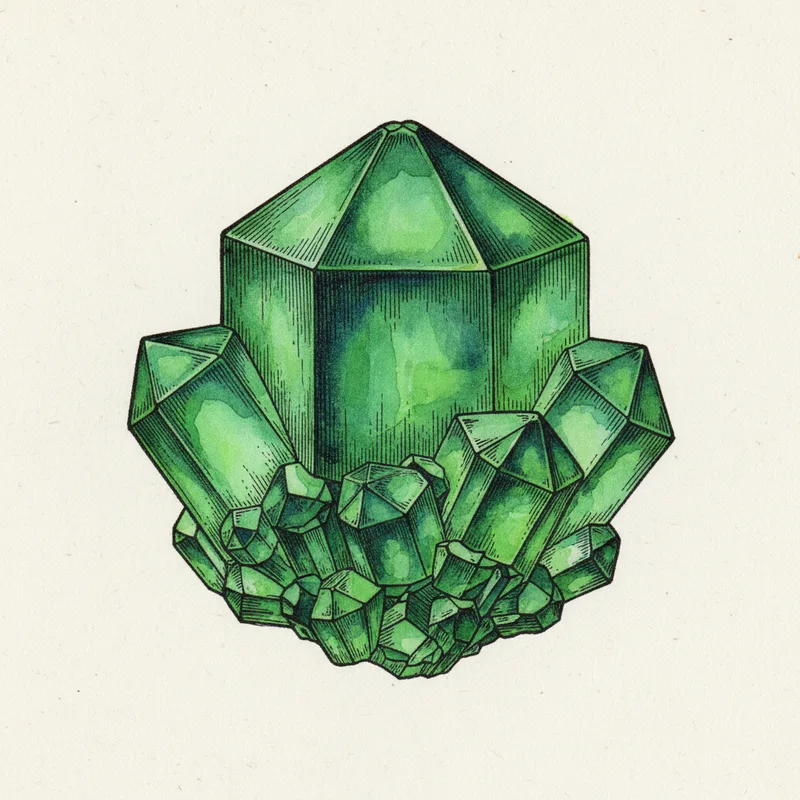
Dioptase
The Emerald Impostor
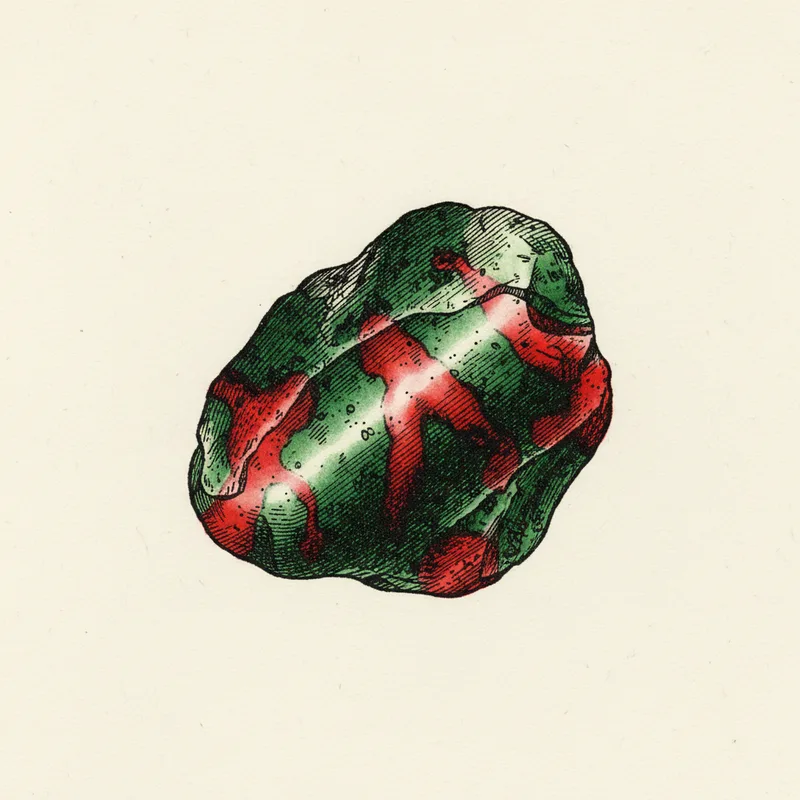
Dragon Blood Jasper
The Stone of Courage
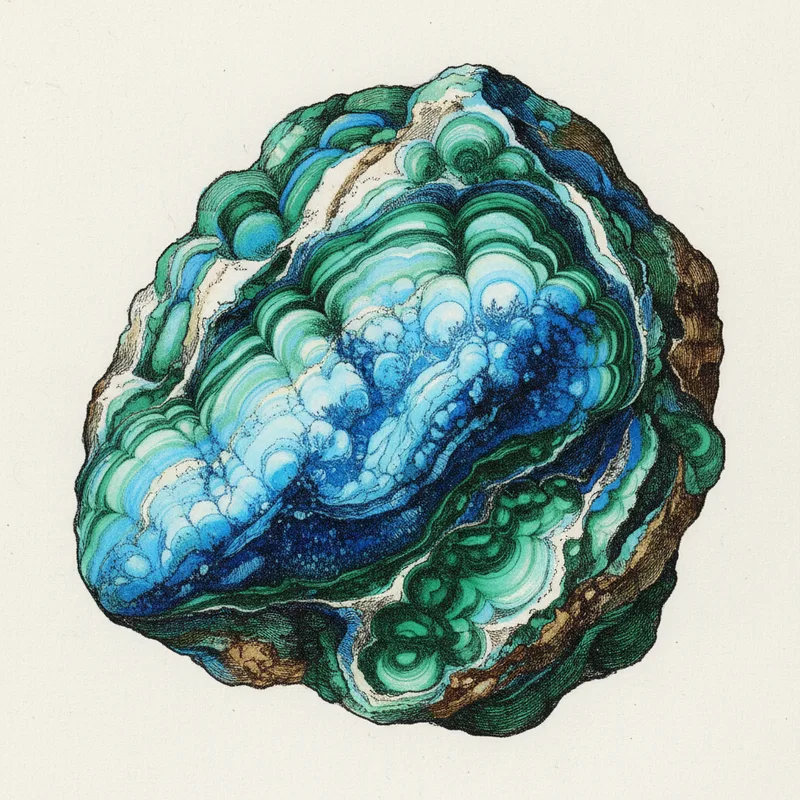
Eilat Stone
Israel stone of King Solomon mines

Elbaite
The Rainbow Tourmaline
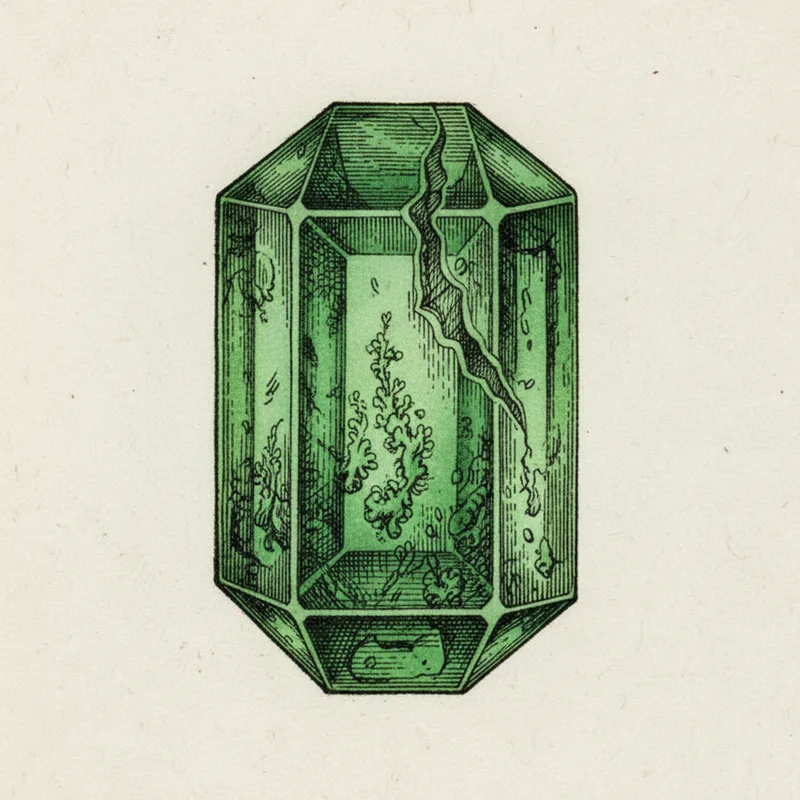
Emerald
The Stone of Successful Love

Enstatite
The Meteorite Mineral
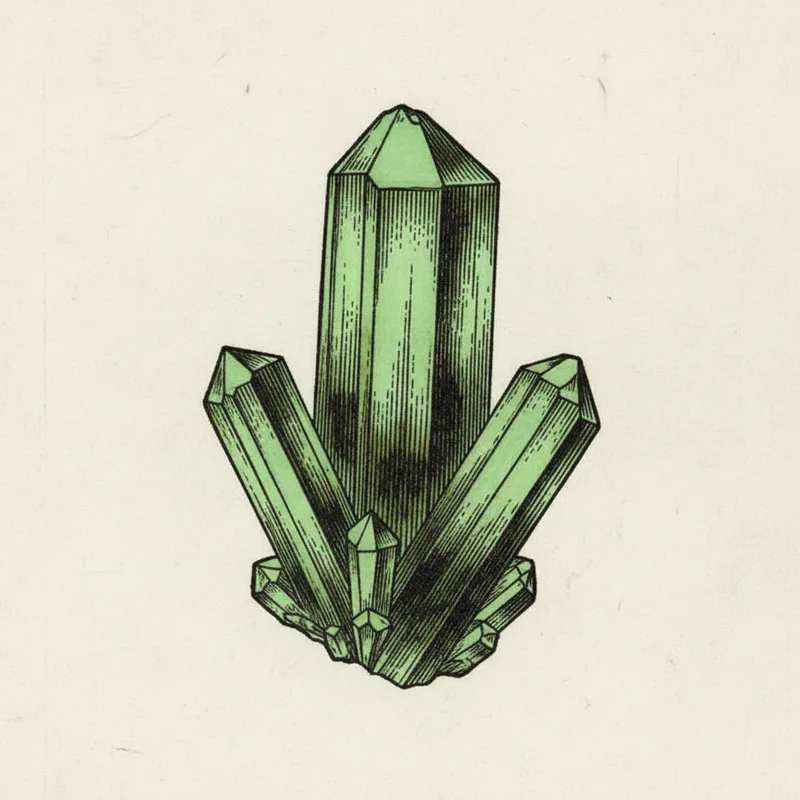
Epidote
The Stone of Increase
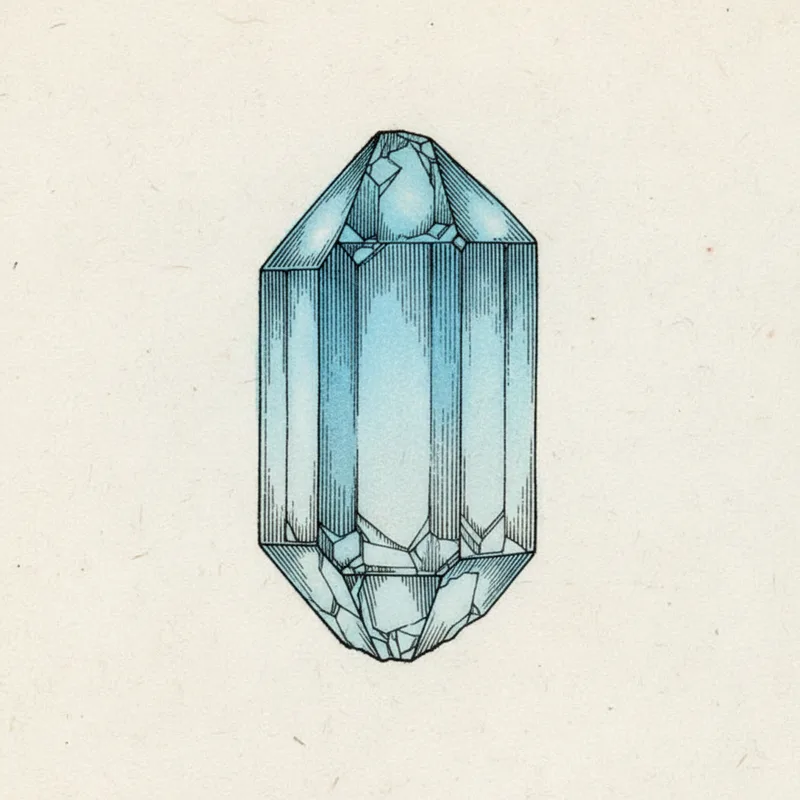
Euclase
The Collector's Blue Rarity
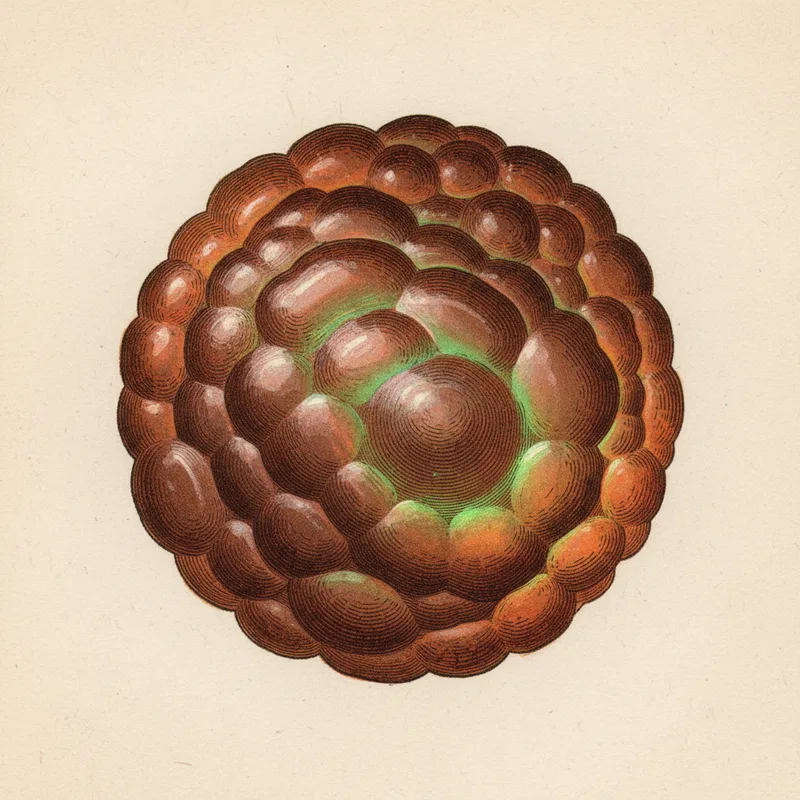
Fire Agate
The Flame Within
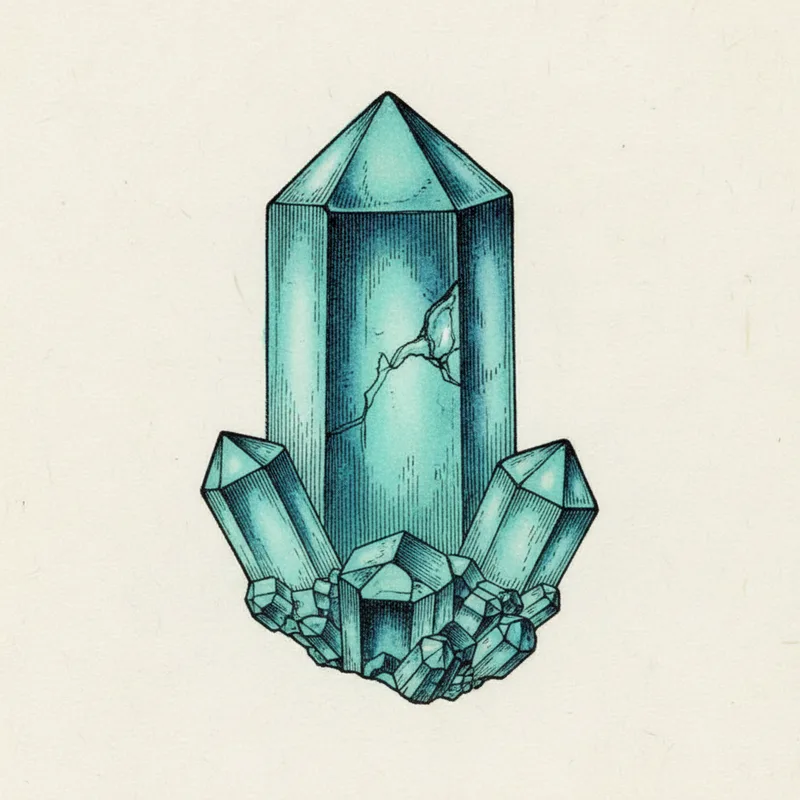
Fluorapatite
The Gemstone in Your Teeth
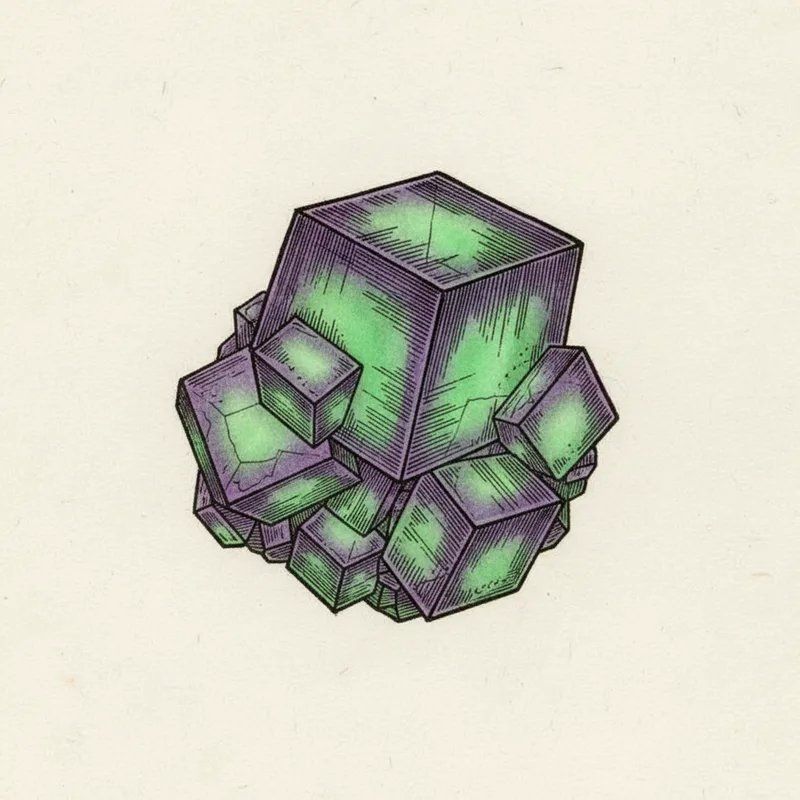
Fluorite
The Genius Stone
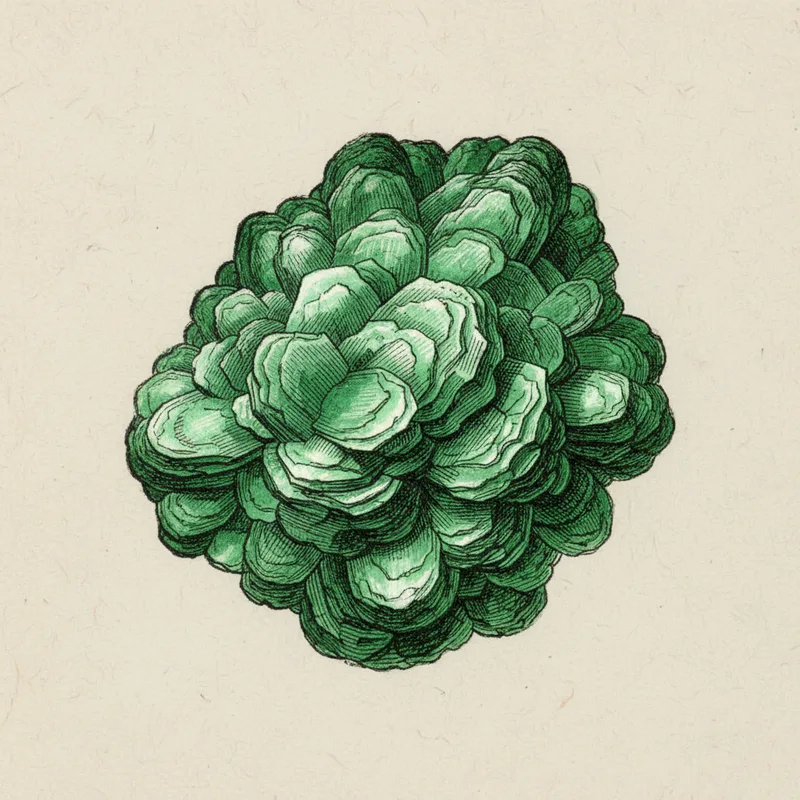
Fuchsite
The Emerald Mica
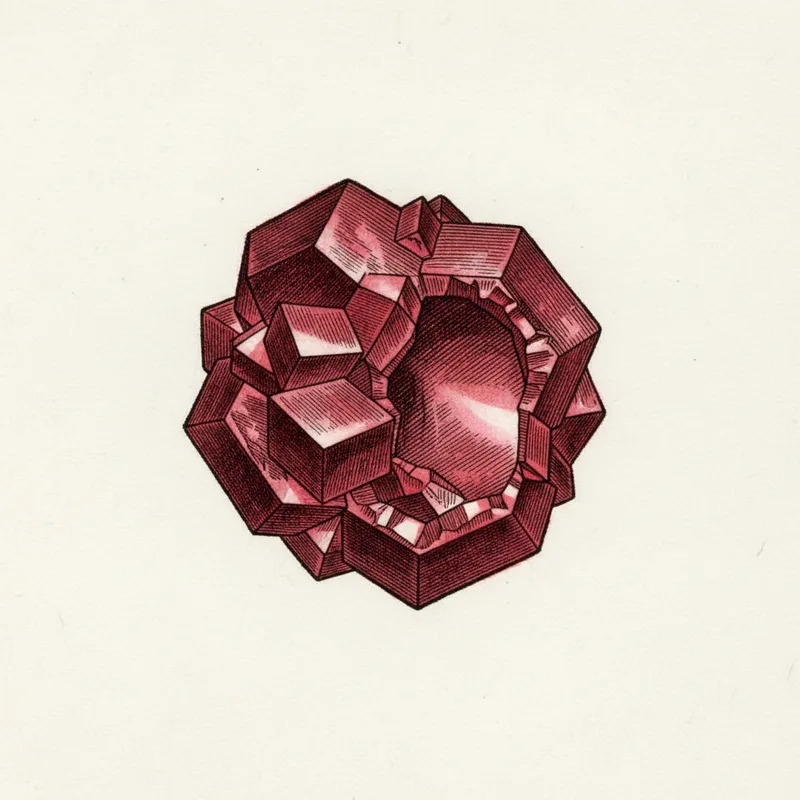
Garnet
The Warrior's Stone
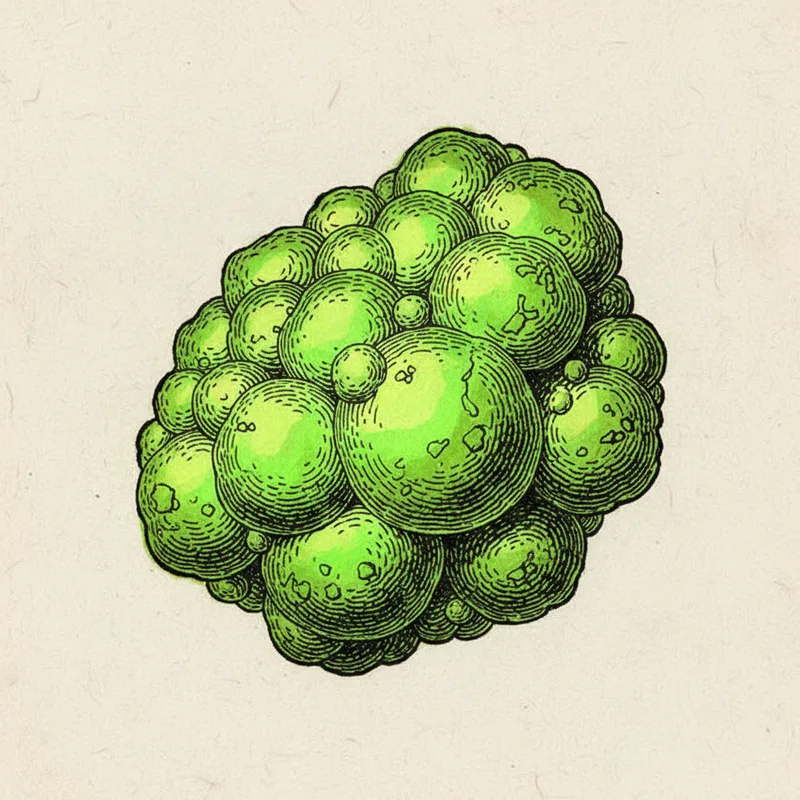
Gaspeite
The Apple Green Nickel Stone
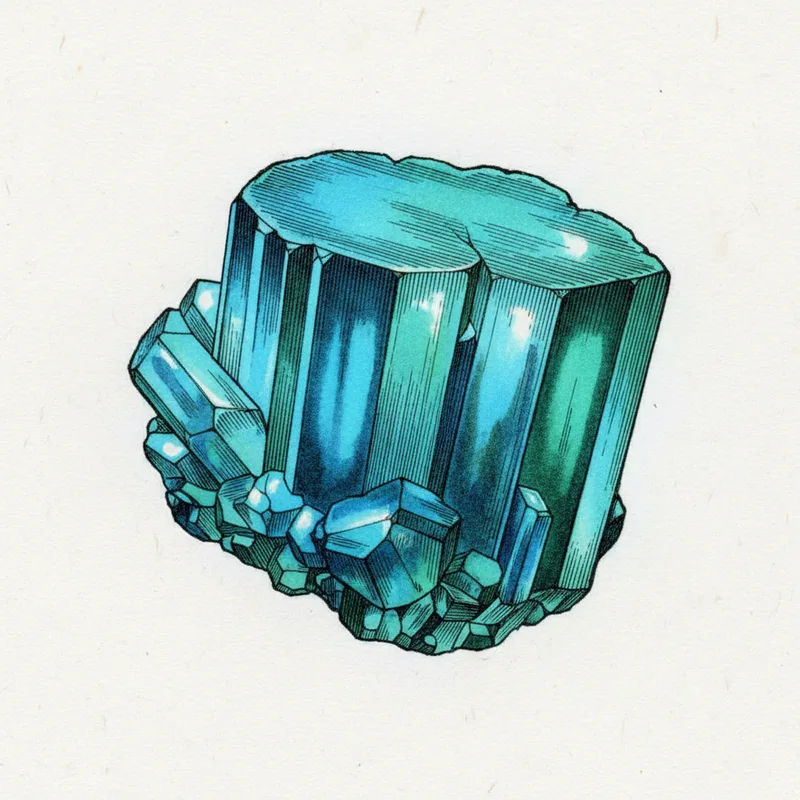
Grandidierite
The Madagascar Blue-Green
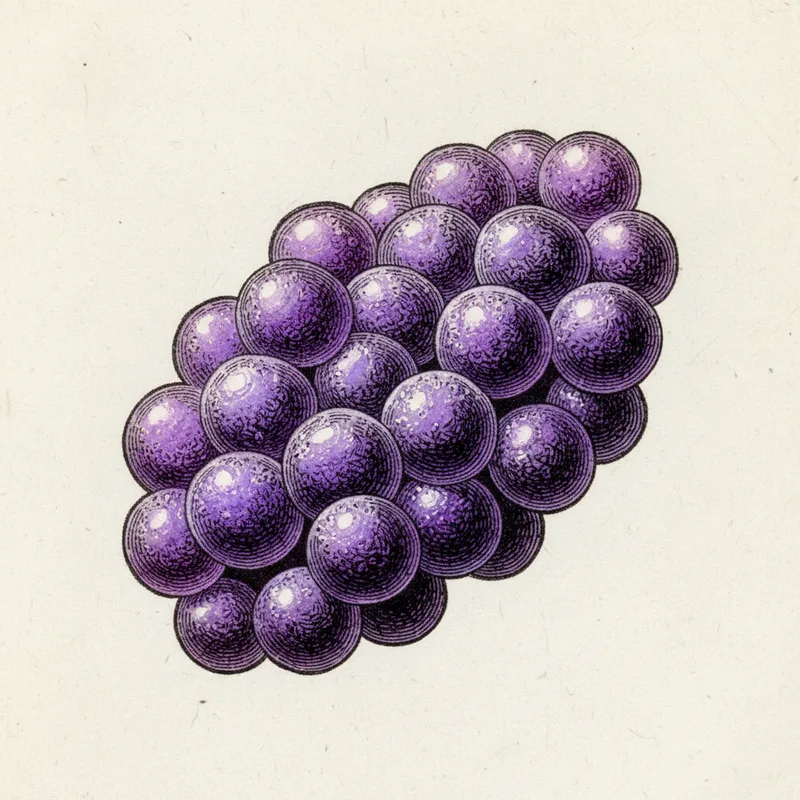
Grape Agate
The Dream Cluster
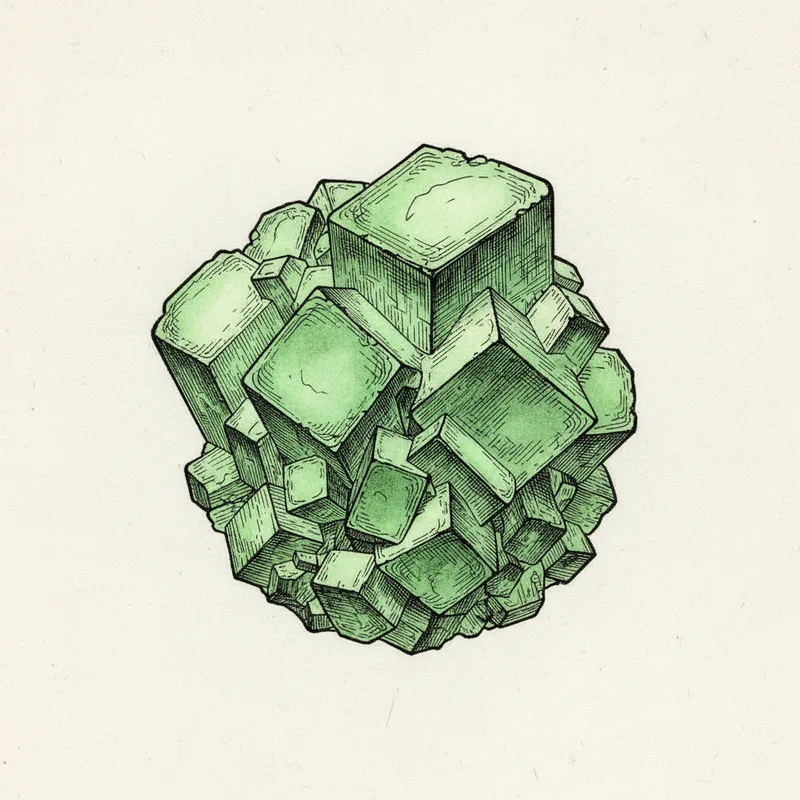
Green Calcite
The Heart Cleanser
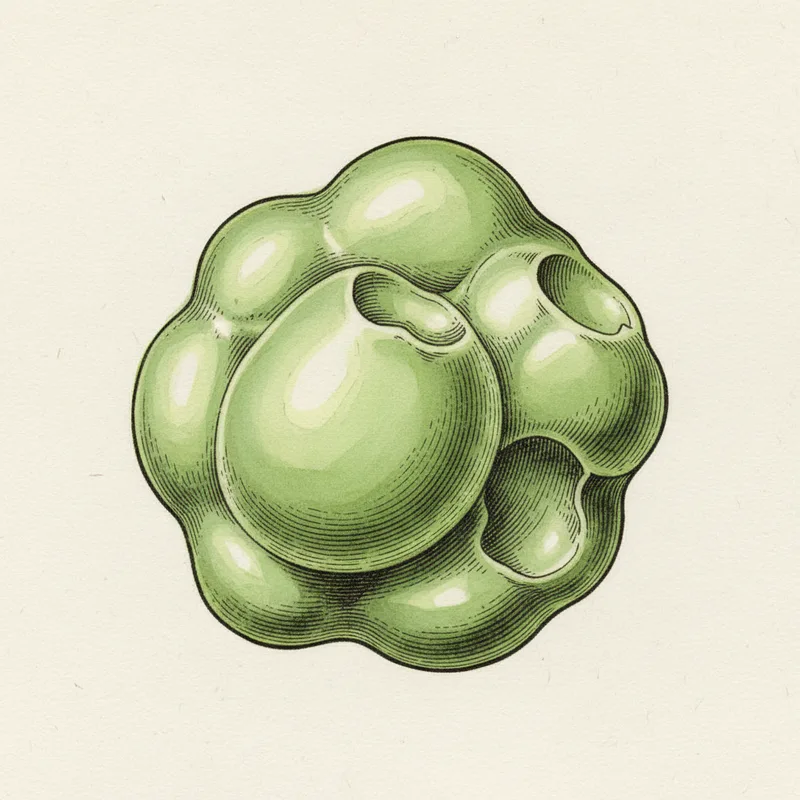
Green Opal
The Hydrated Silica in Forest Tones

Grossular Garnet
The Rainbow Garnet
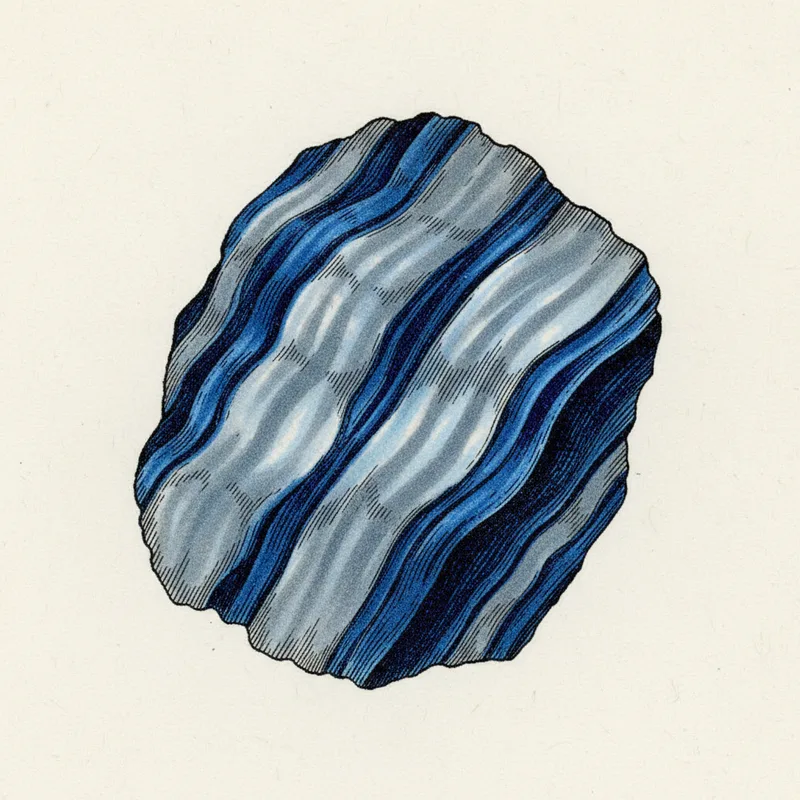
Hawk's Eye
The Stone of Vision

Heliodor
The Golden Beryl
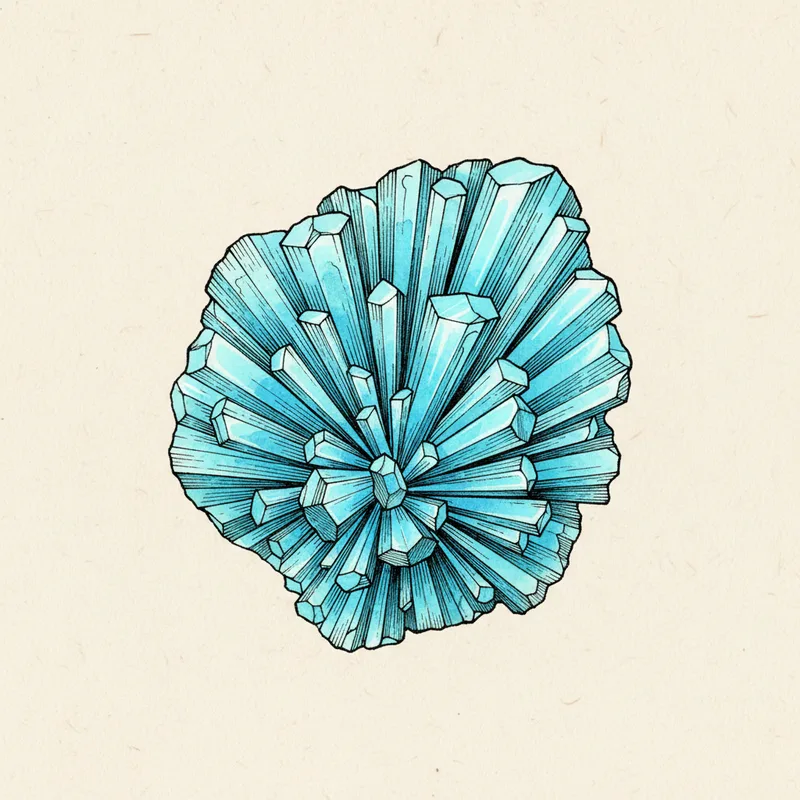
Hemimorphite
The Light Blue Fan
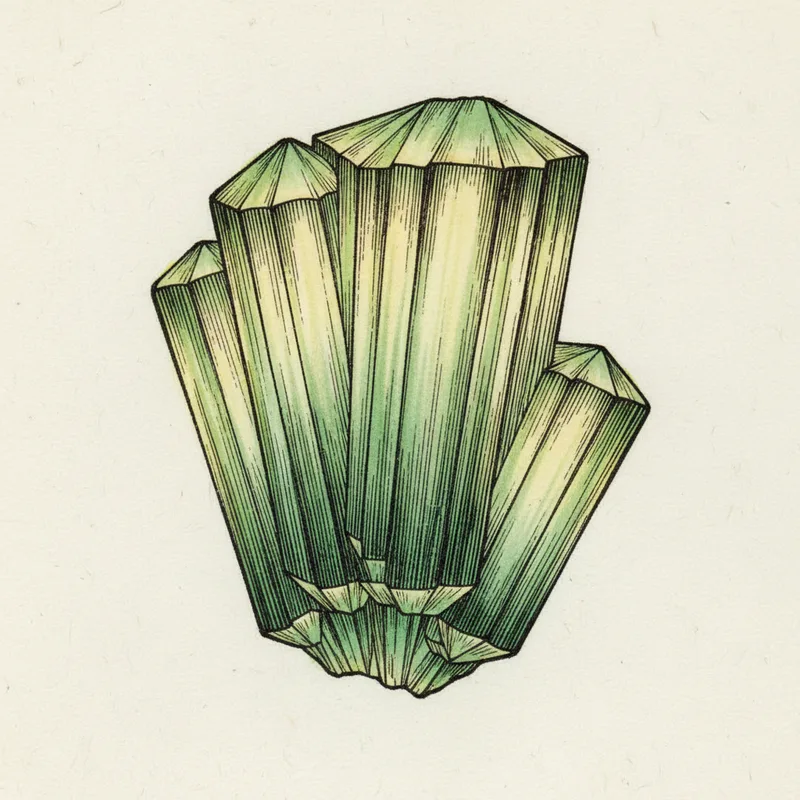
Hiddenite
The Emerald's Lithium Cousin

Hornblende
The Dark Amphibole
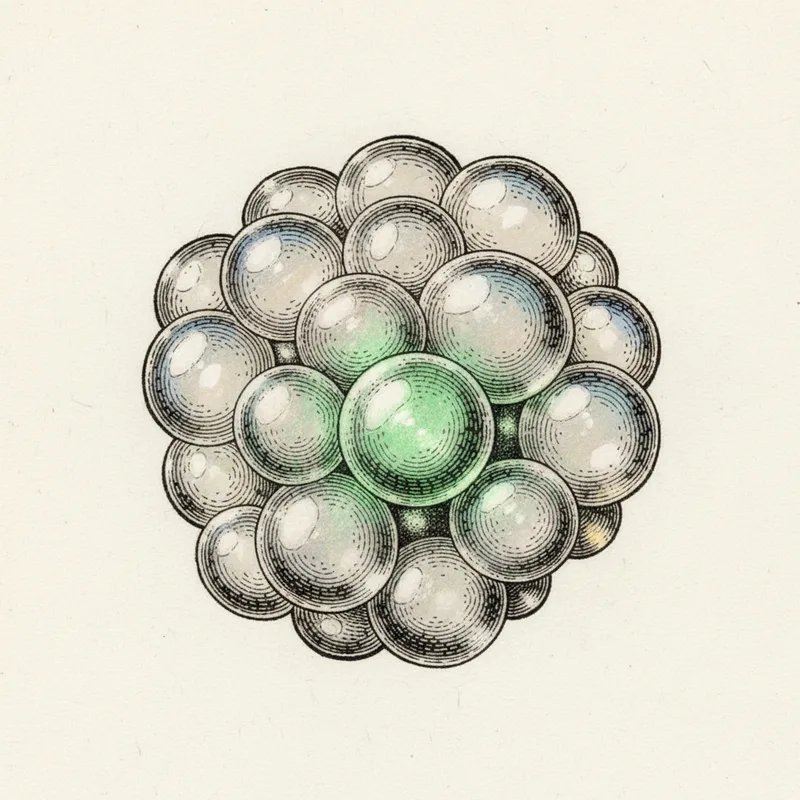
Hyalite Opal
The Invisible Gem That Glows Green
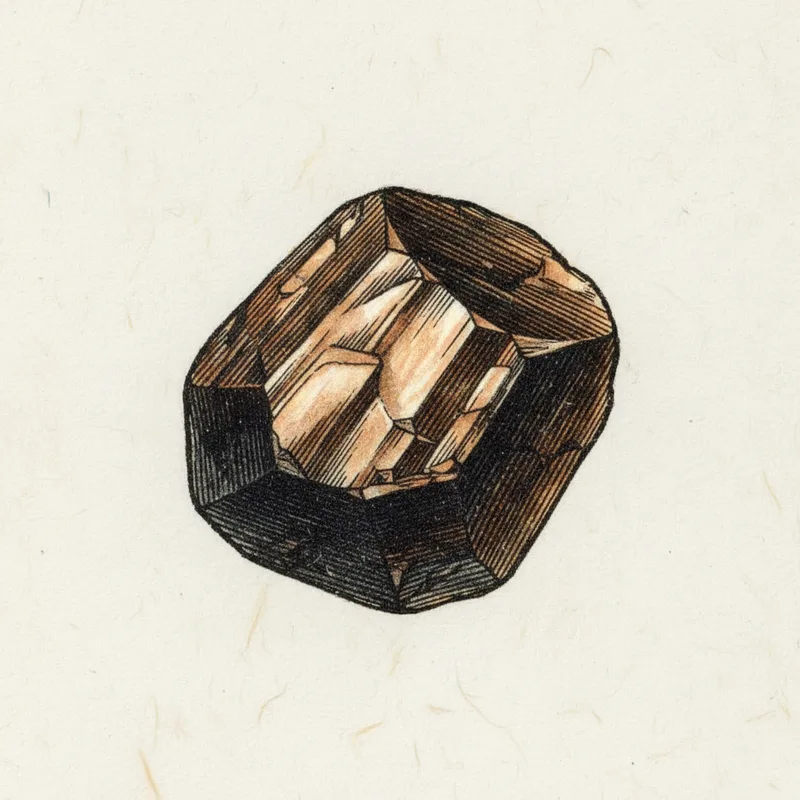
Hypersthene
The Black Schiller Pyroxene
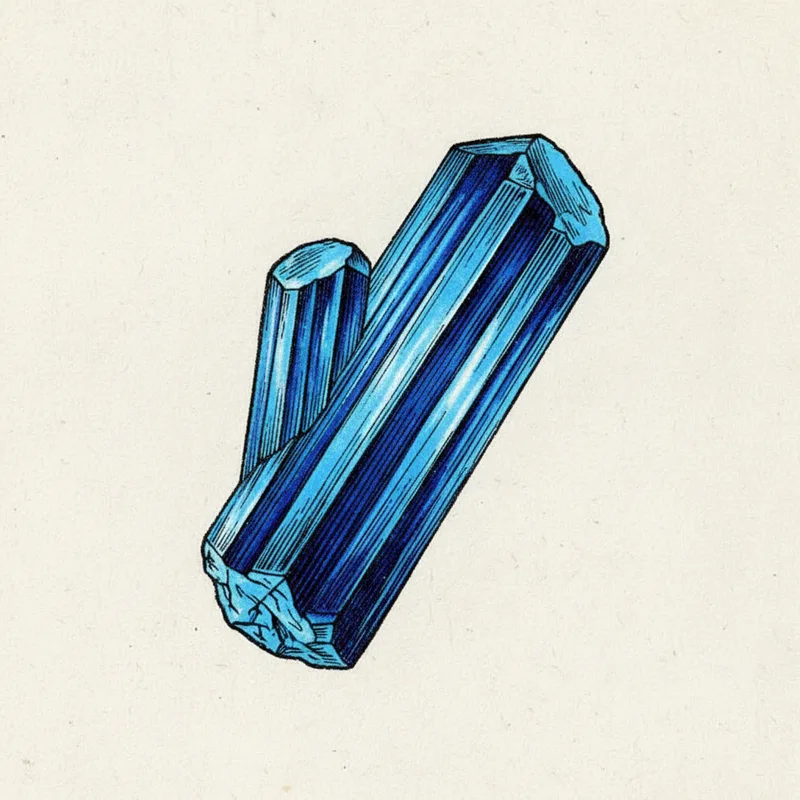
Indicolite
The Blue Tourmaline
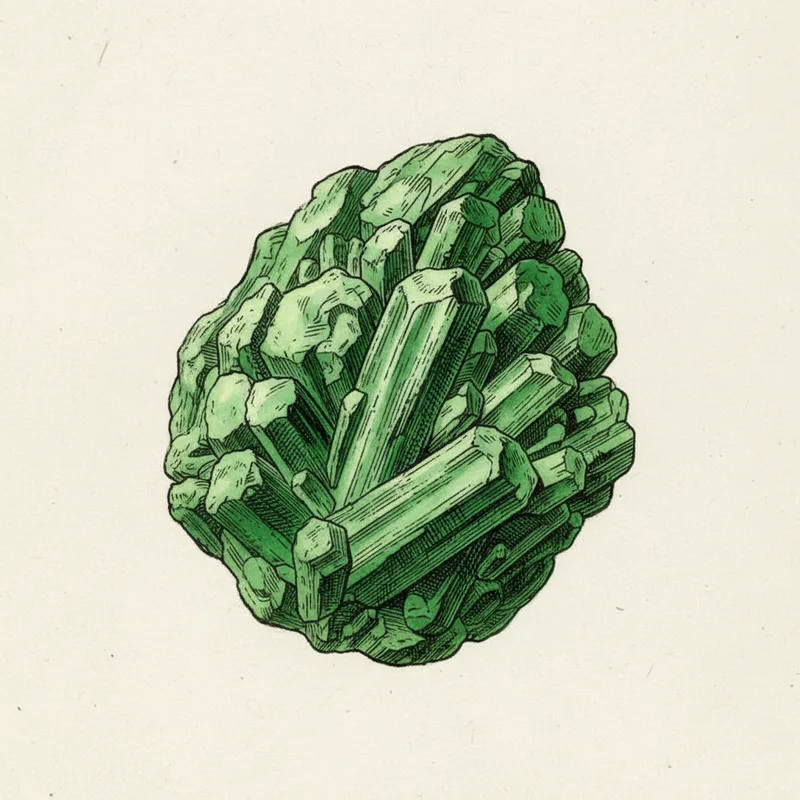
Jade
The Dream Stone
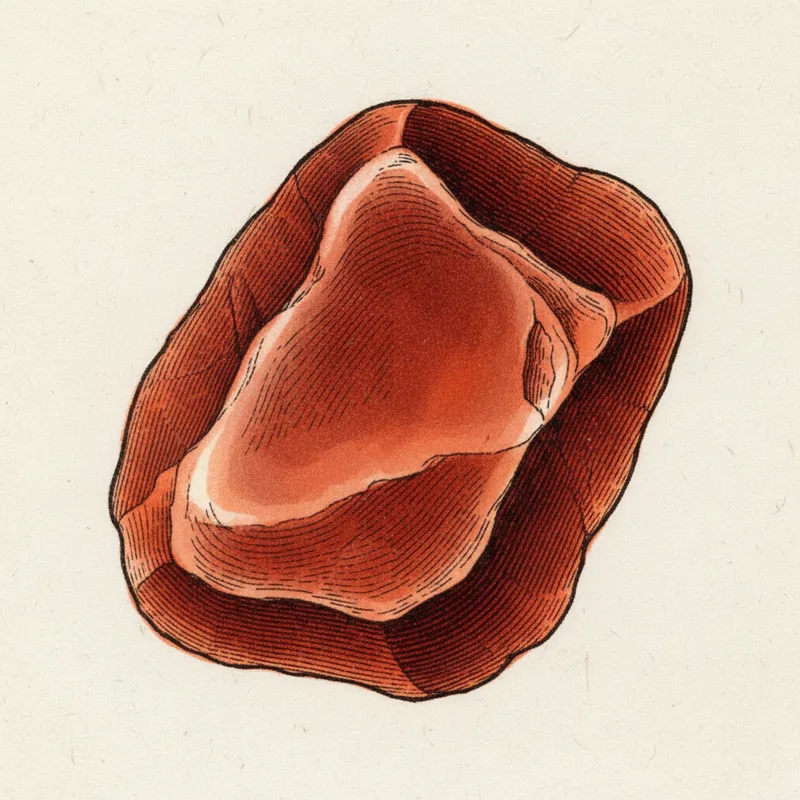
Jasper
The Supreme Nurturer
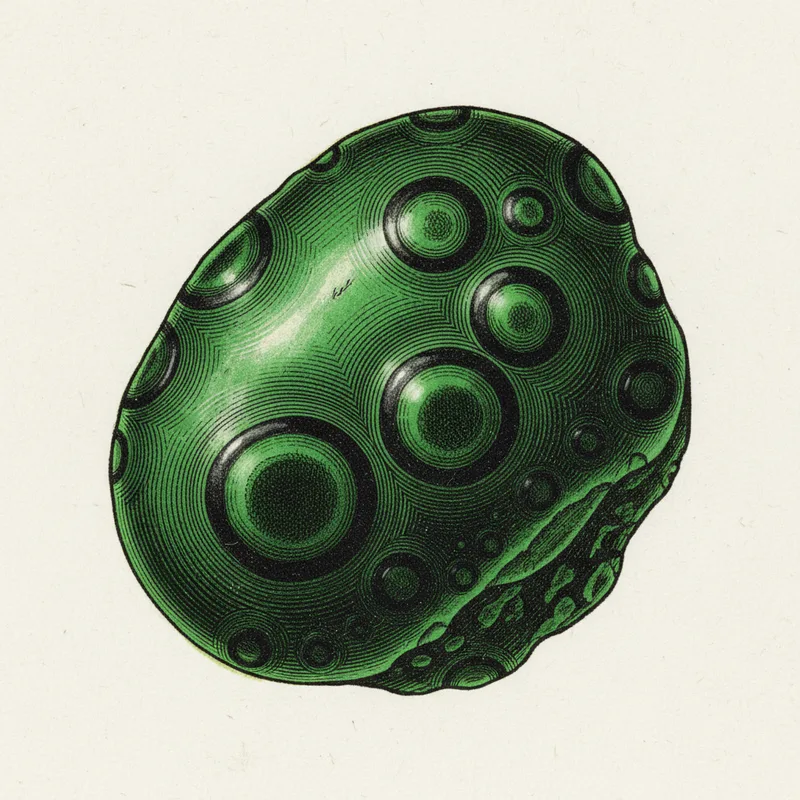
Kambaba Jasper
The Crocodile Stone
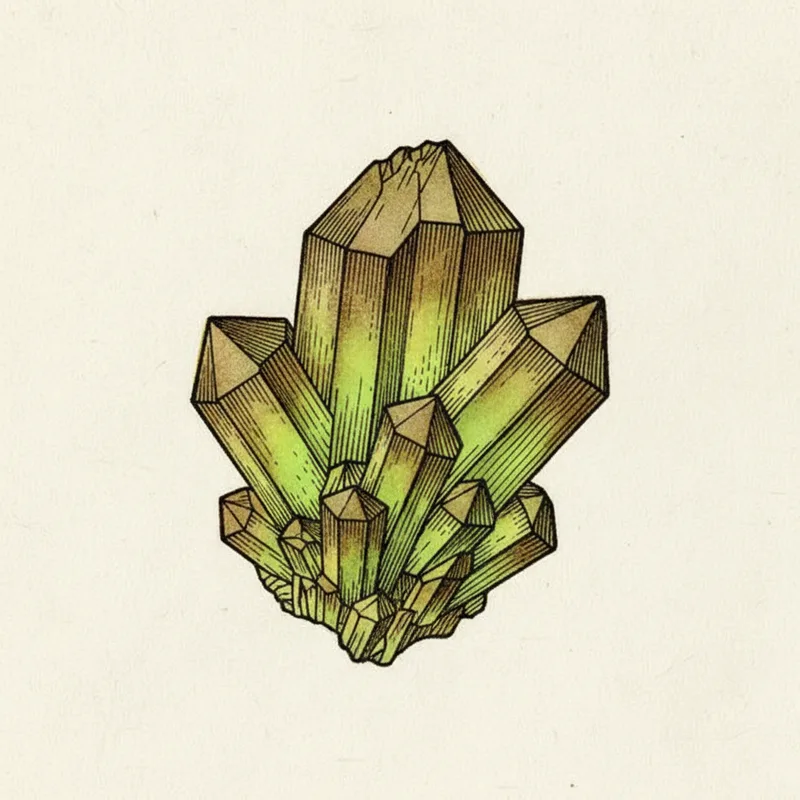
Kornerupine
The Collector's Secret
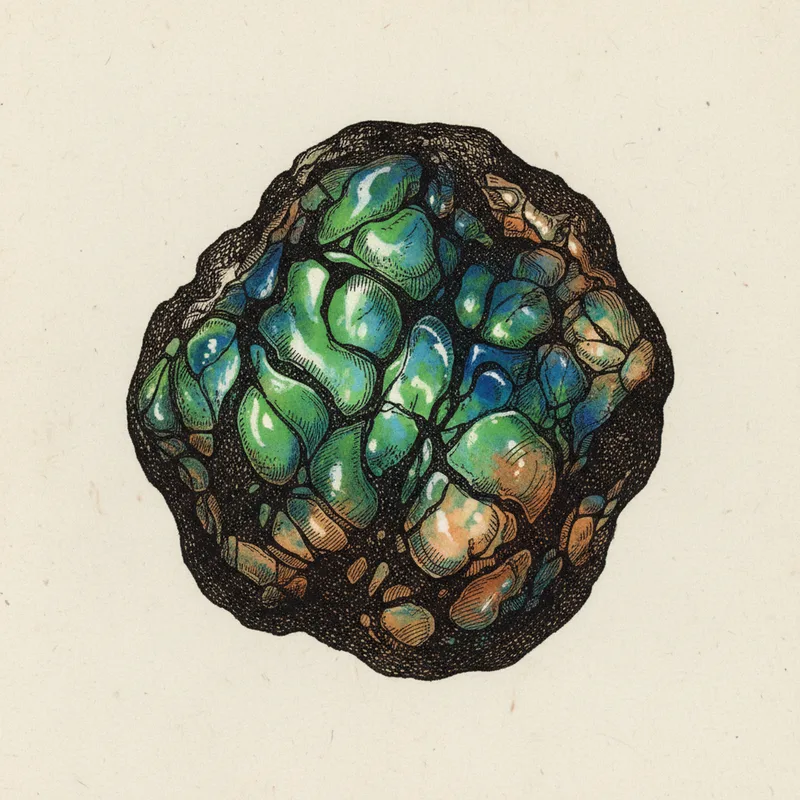
Koroit Opal
The Painted Ironstone
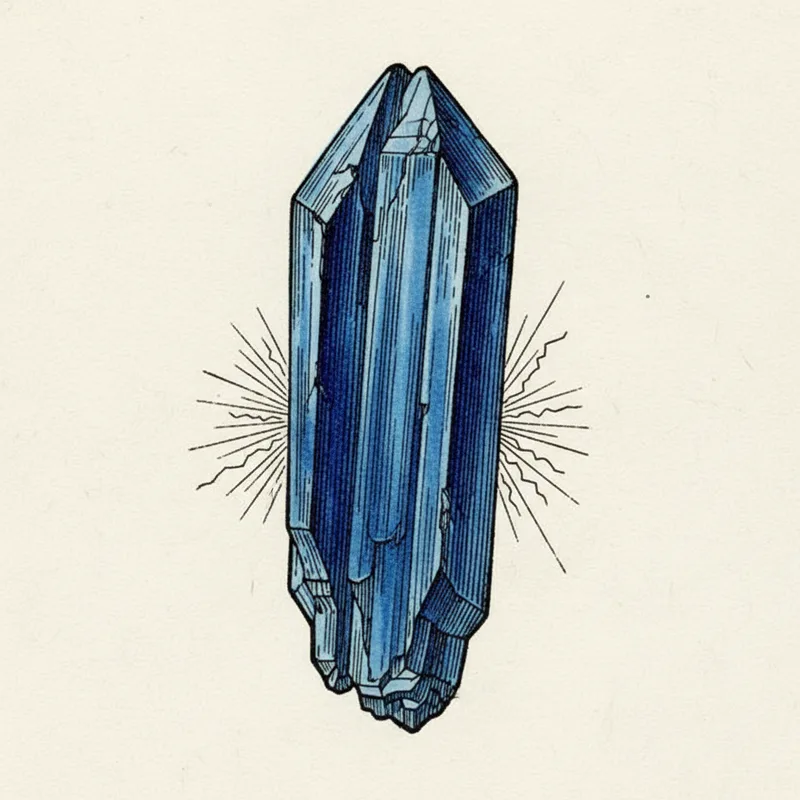
Kyanite
The Blade of Balance
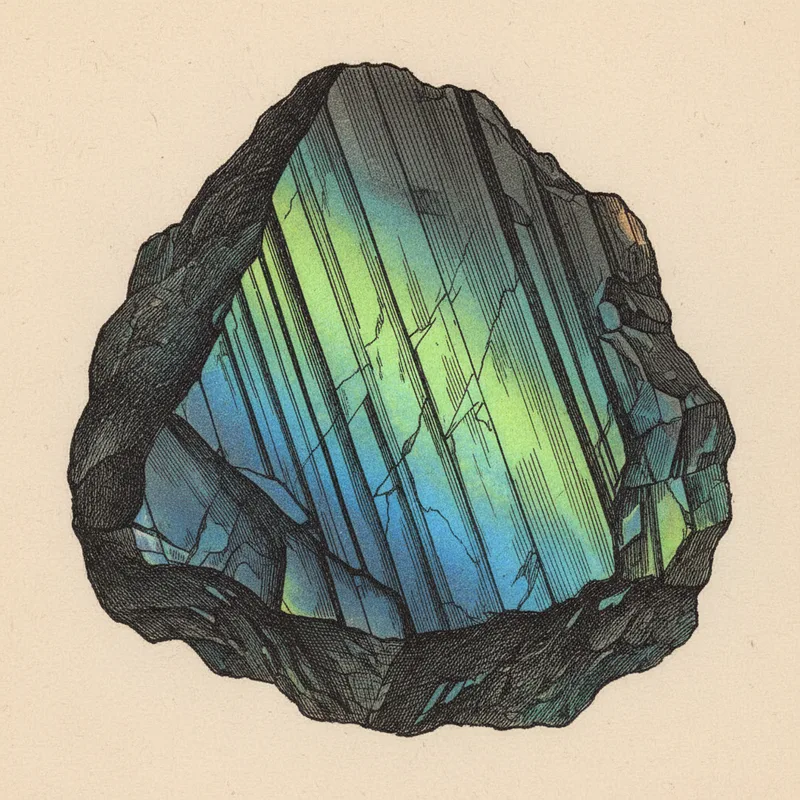
Labradorite
The Stone of Transformation
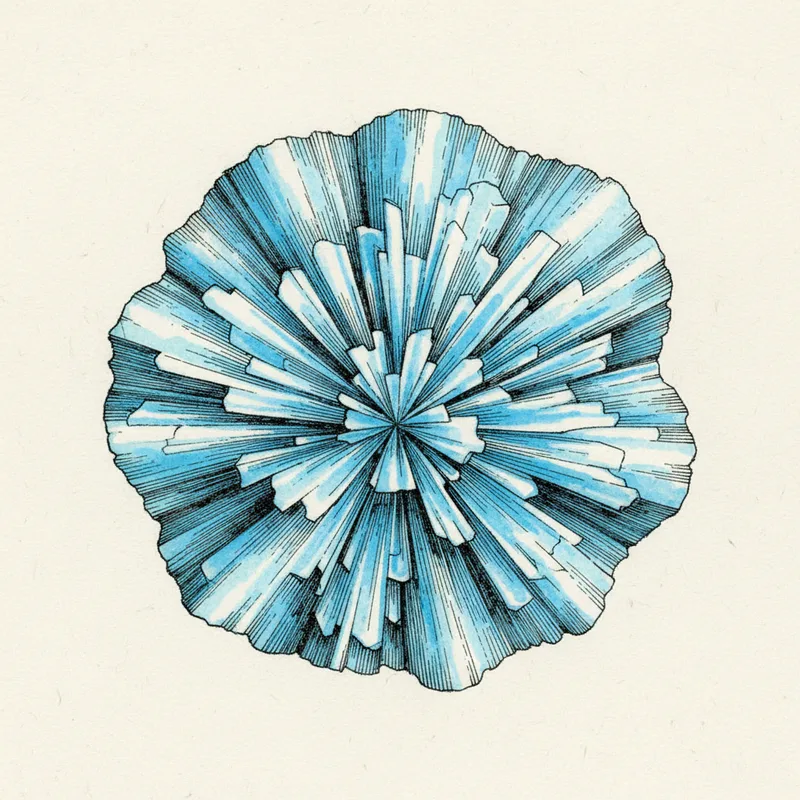
Larimar
The Dolphin Stone
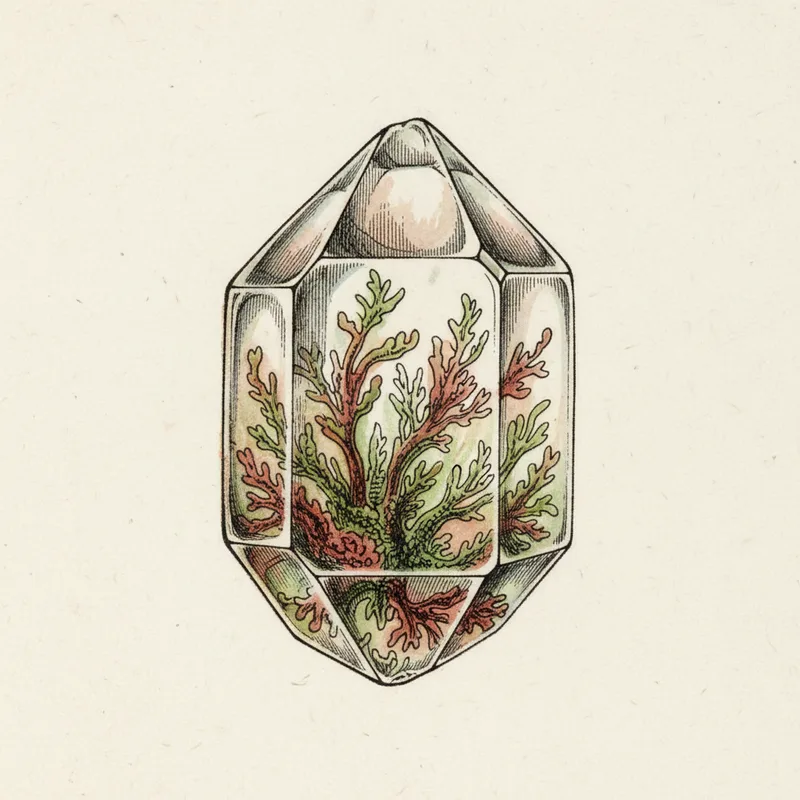
Lodolite
The Garden Quartz
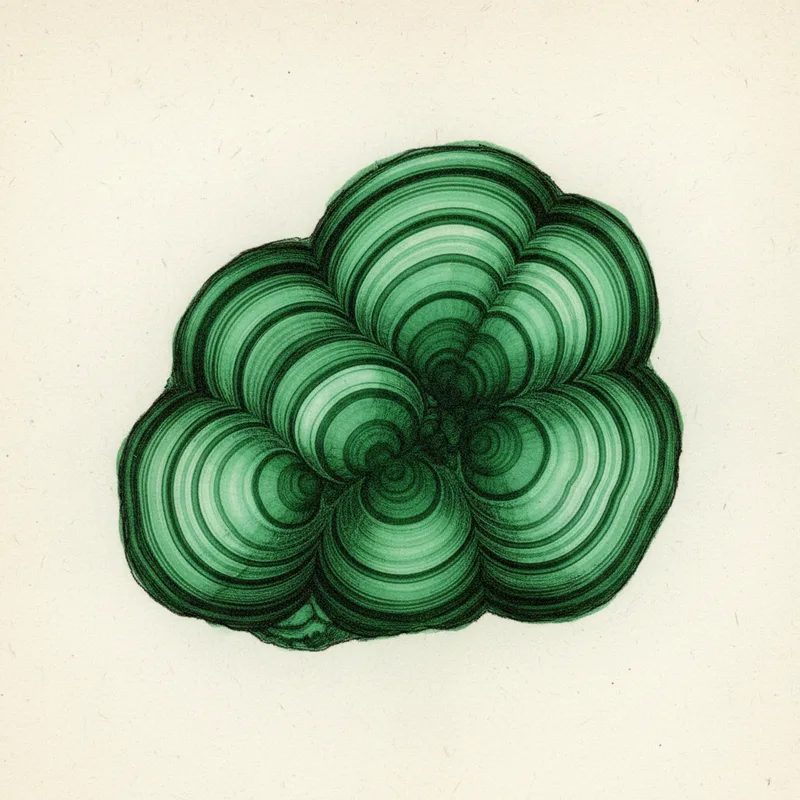
Malachite
The Stone of Transformation
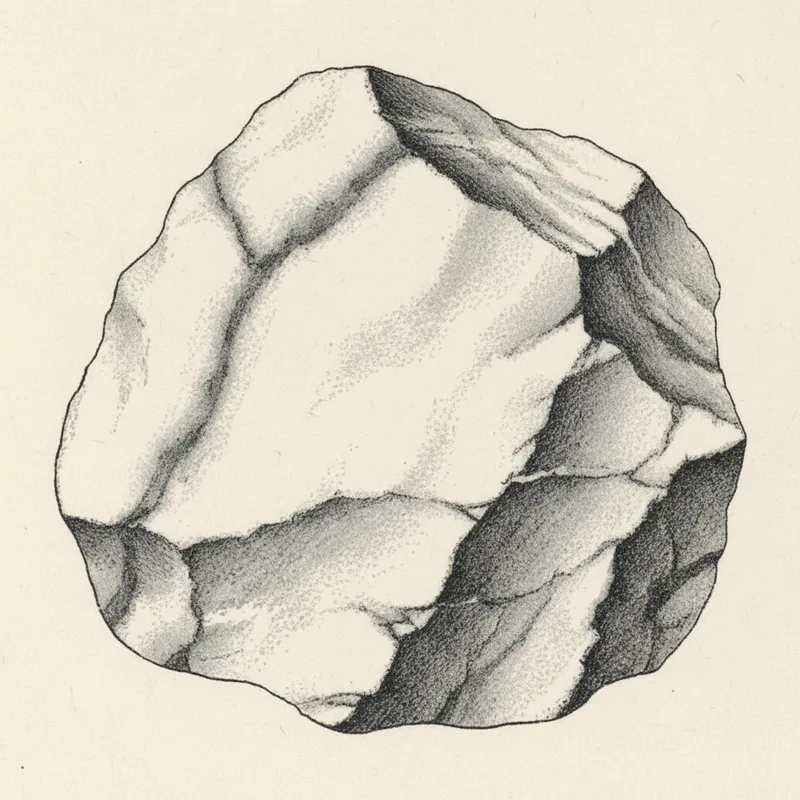
Marble
The Sculptor's Canvas
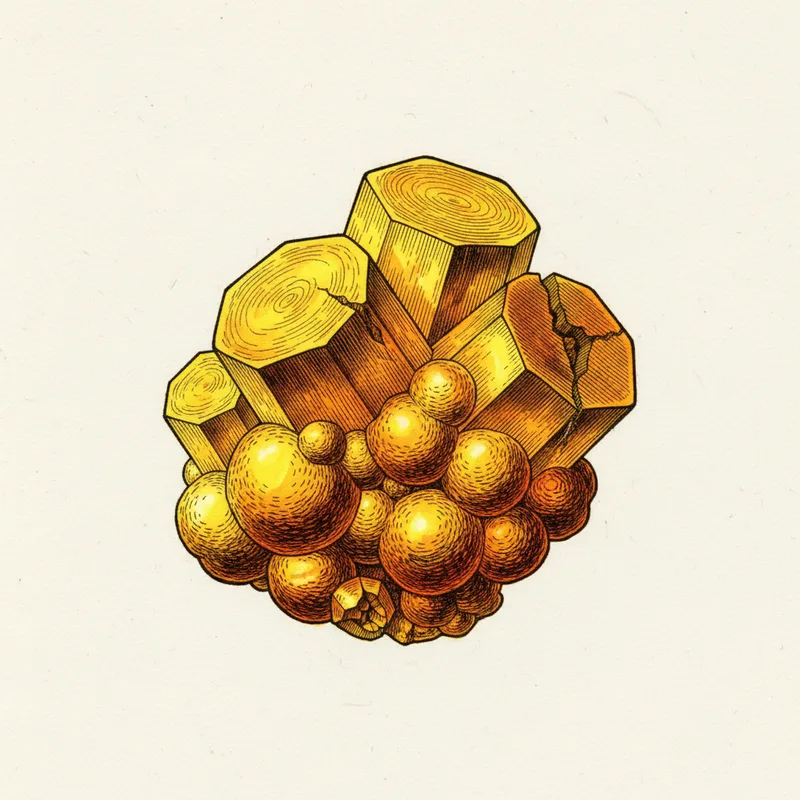
Mimetite
The Imitator
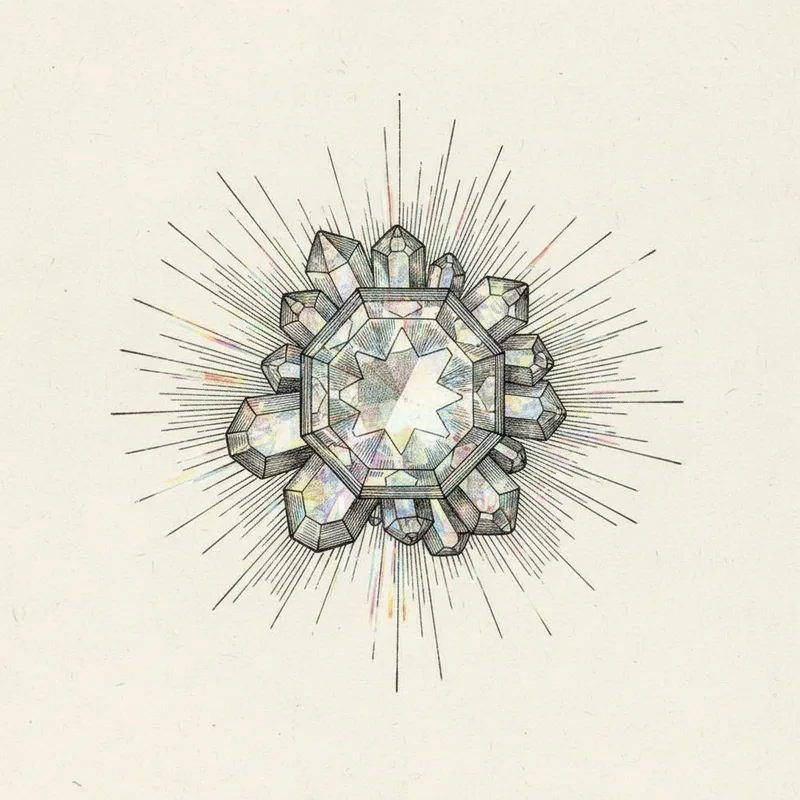
Moissanite
The Space Diamond
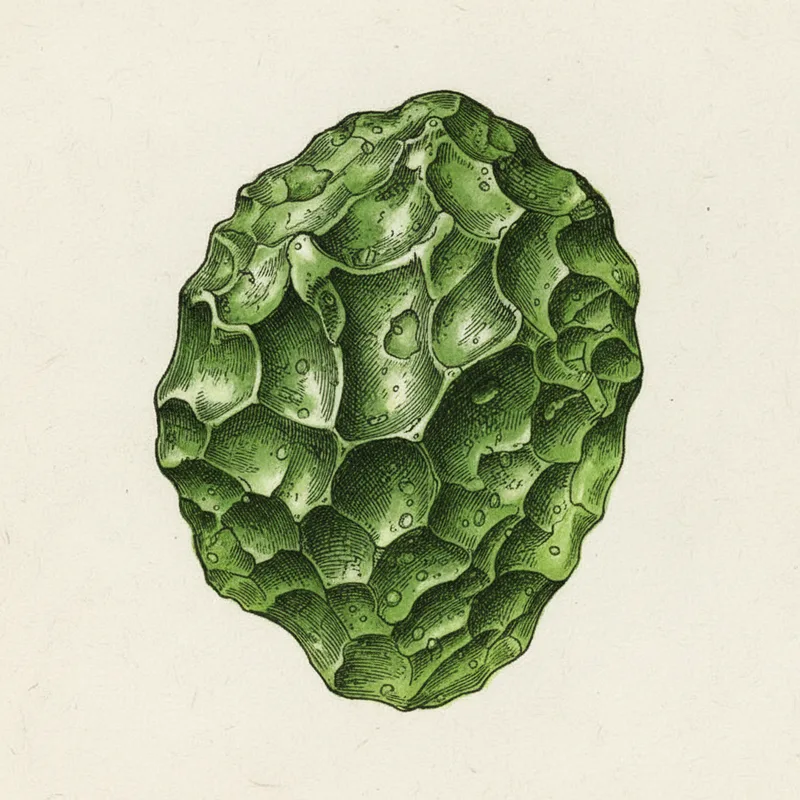
Moldavite
The Stone from the Stars
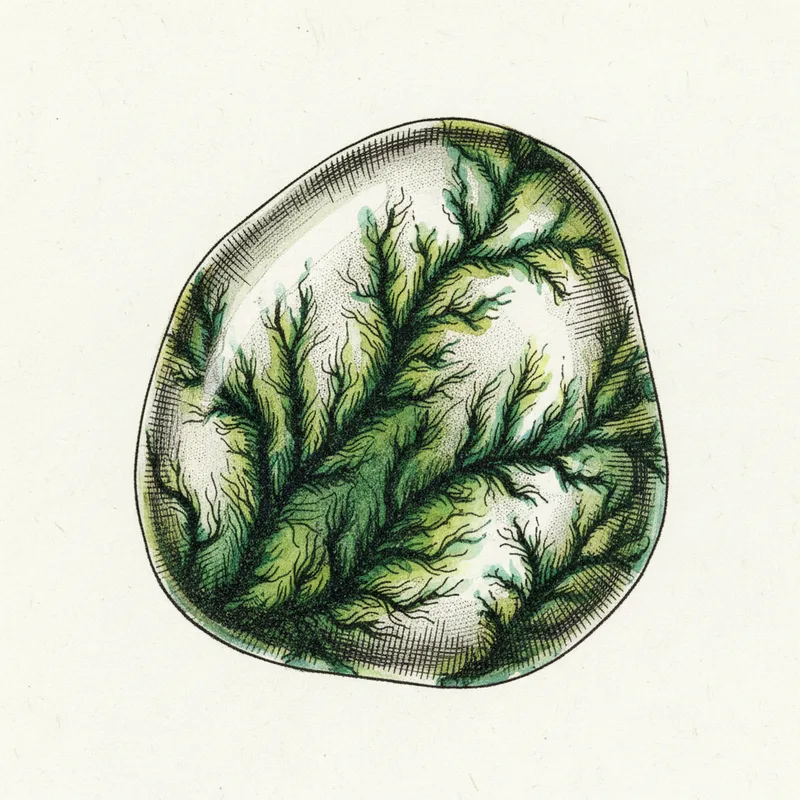
Moss Agate
The Gardener's Stone
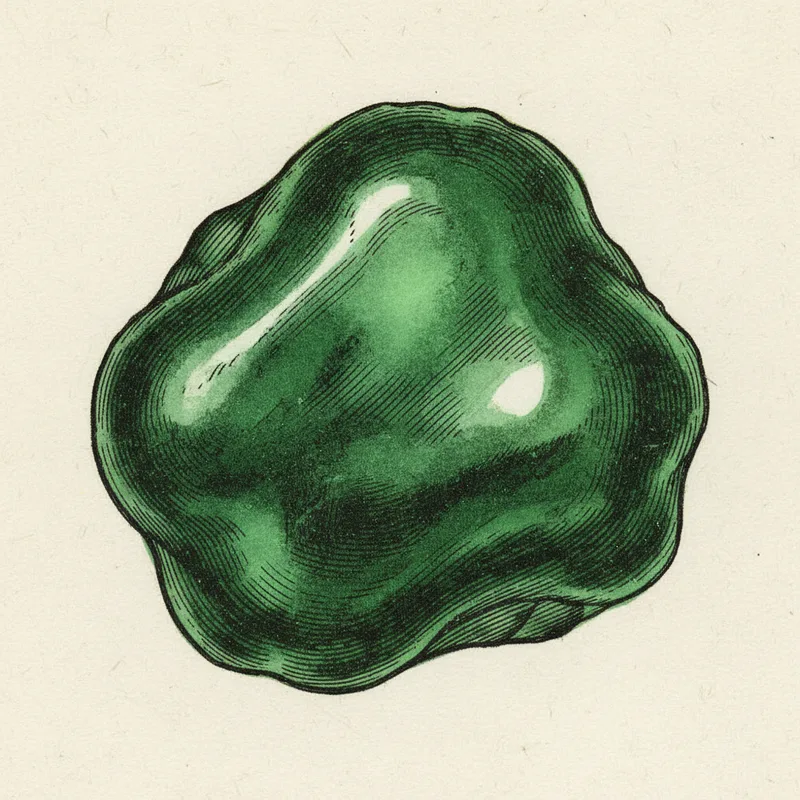
Mtorolite
Chrome chalcedony, Great Dyke
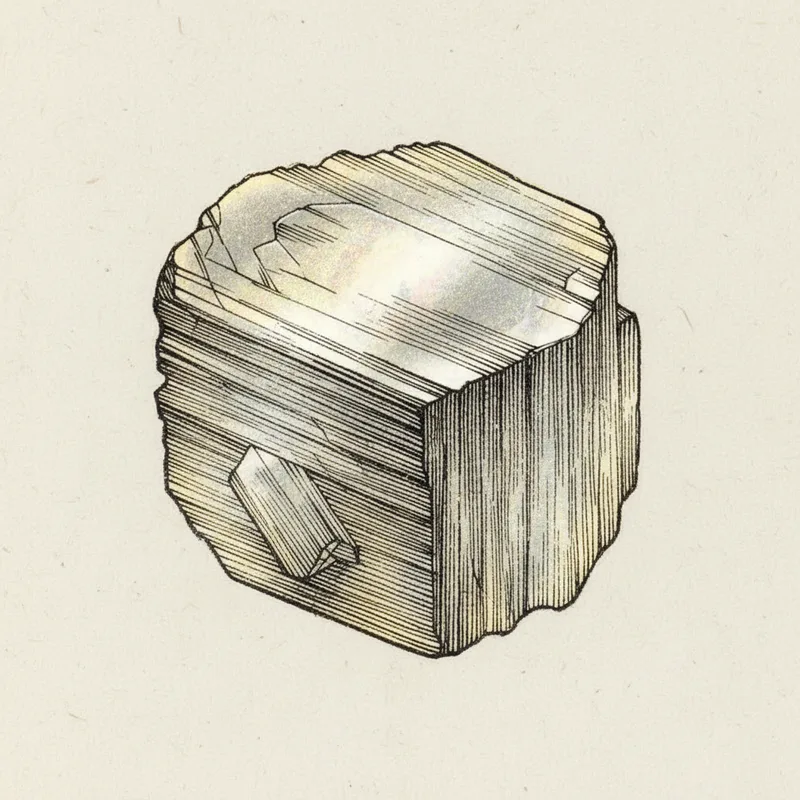
Muscovite
The Silver Mica
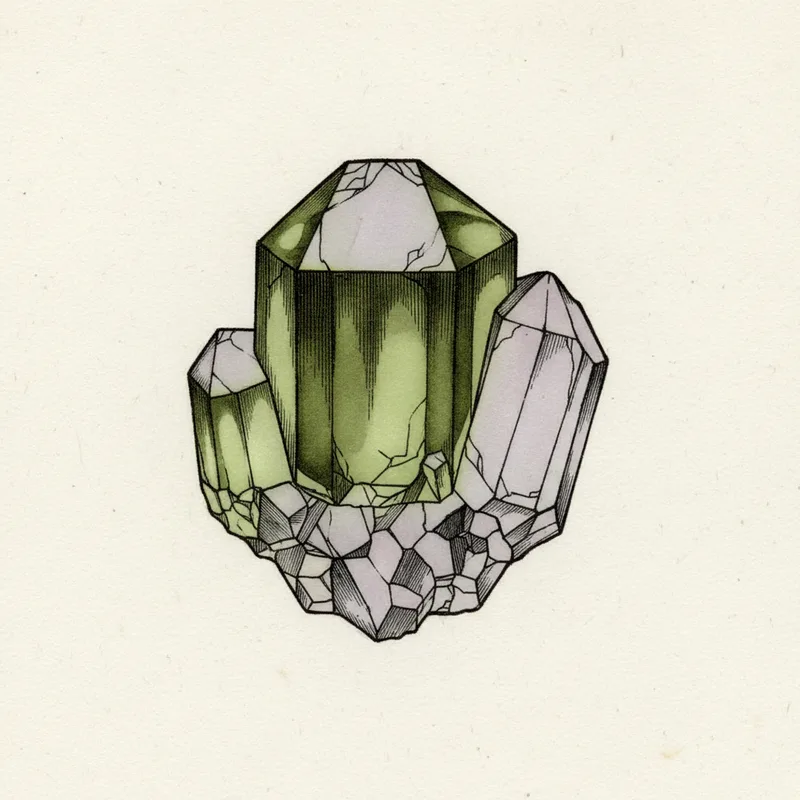
Musgravite
The Rarest of the Rare
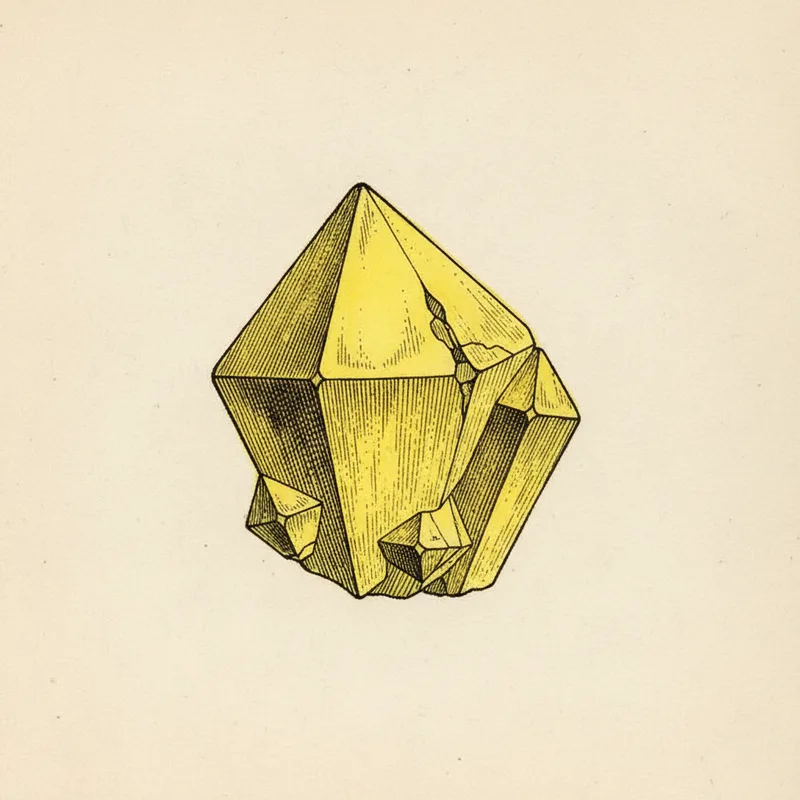
Native Sulfur
The Brimstone
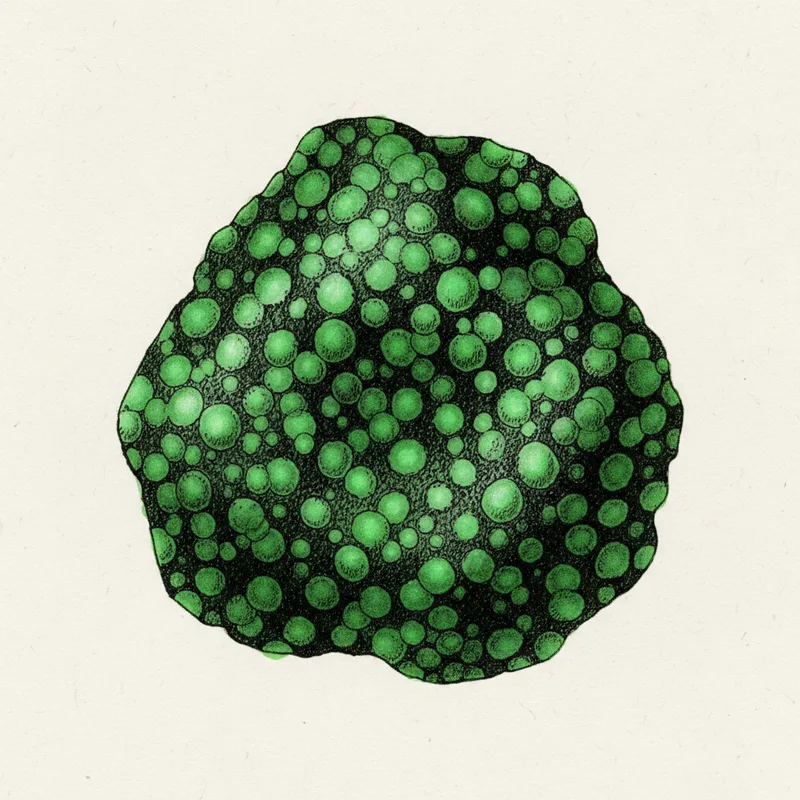
Nebula Stone
The Cosmic Pattern
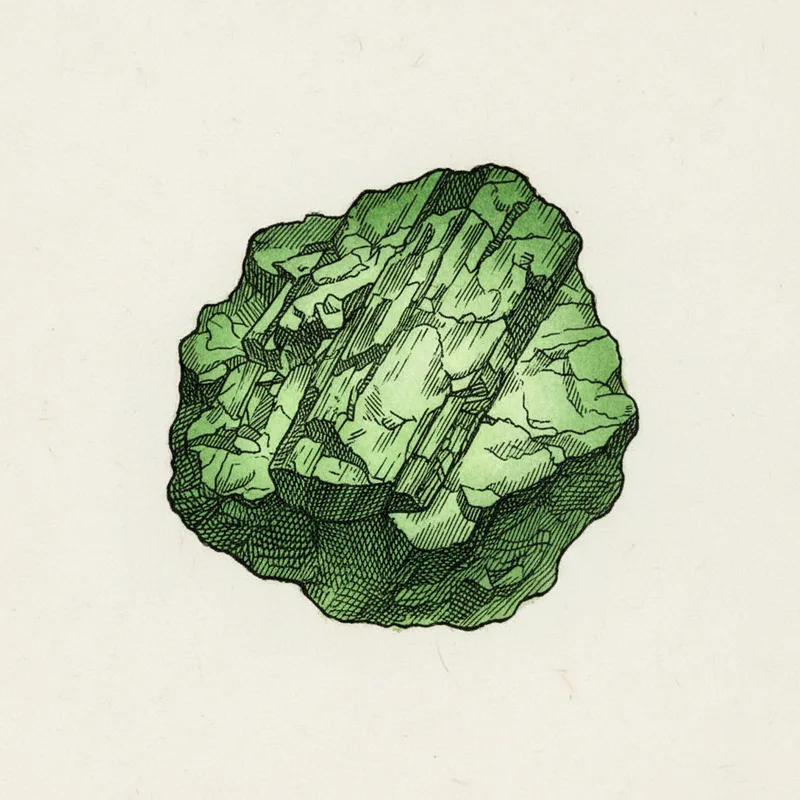
Nephrite
The Original Jade
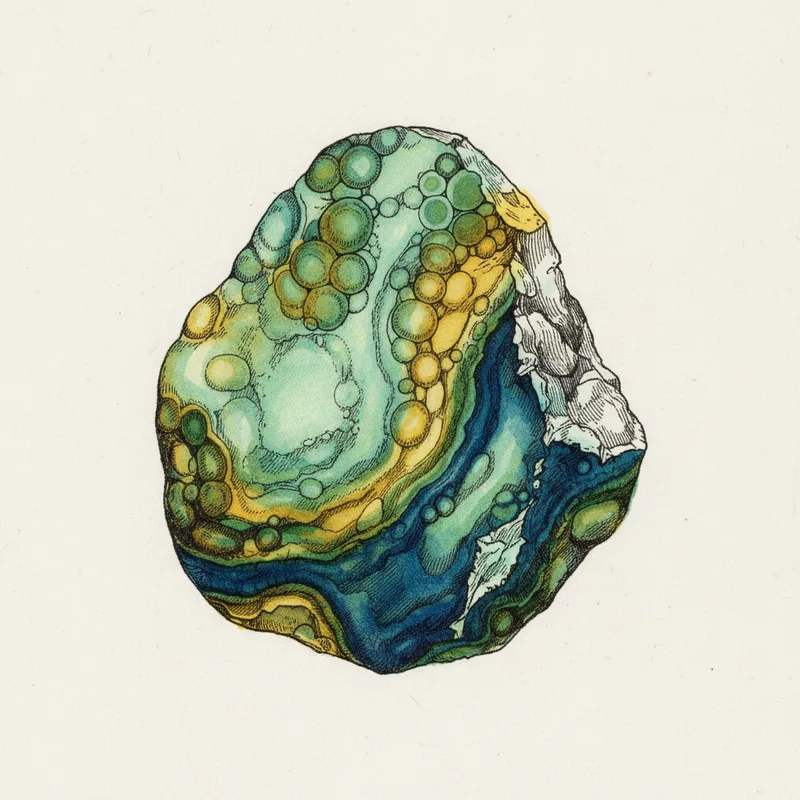
Ocean Jasper
The Orbicular Stone

Oligoclase
The Sunstone Mother Mineral

Olivine
The Mantle Mineral
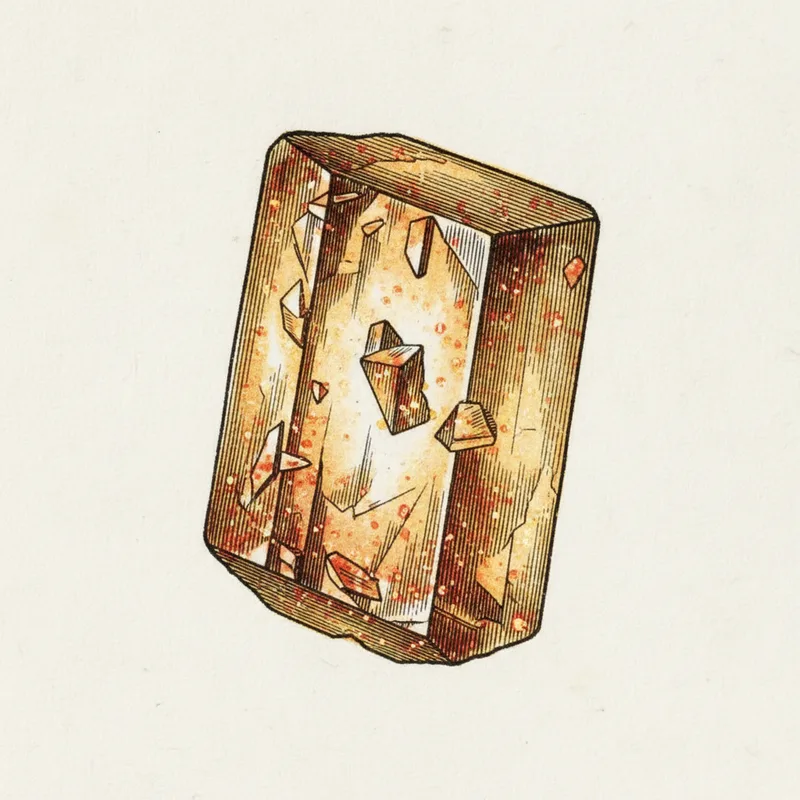
Oregon Sunstone
The Copper-Lit State Gem
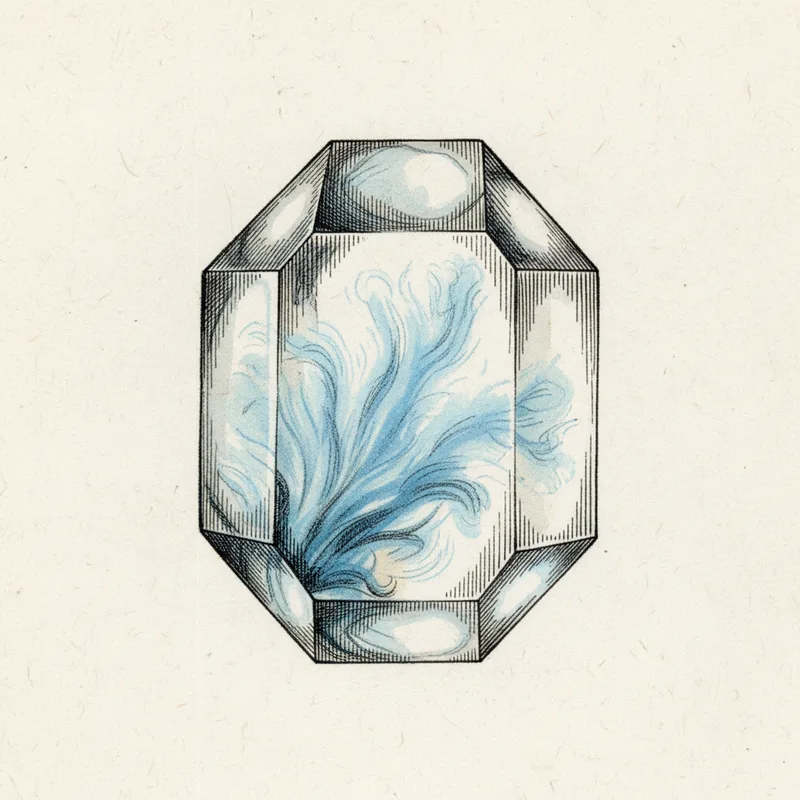
Papagoite
The Blue Ghost in Quartz
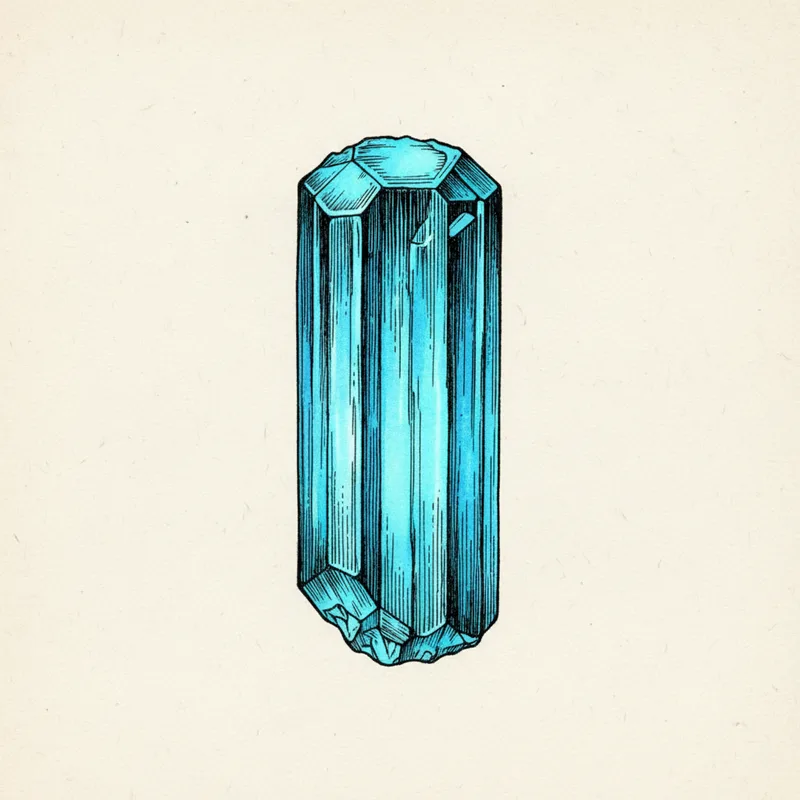
Paraíba Tourmaline
The Neon Gem
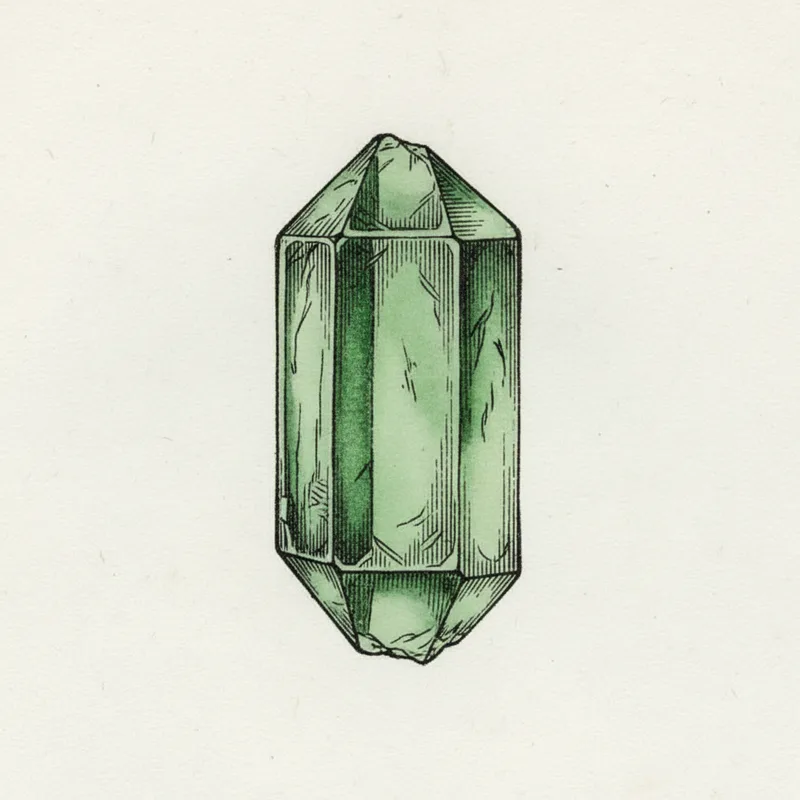
Pargasite
Calcium Sodium Magnesium Amphibole
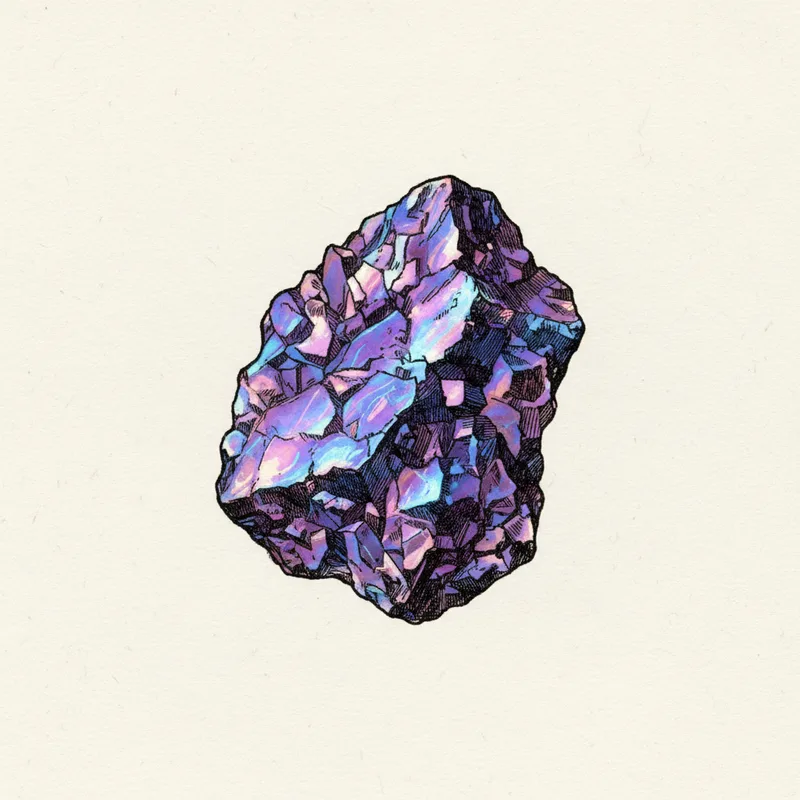
Peacock Ore
The Stone of Happiness
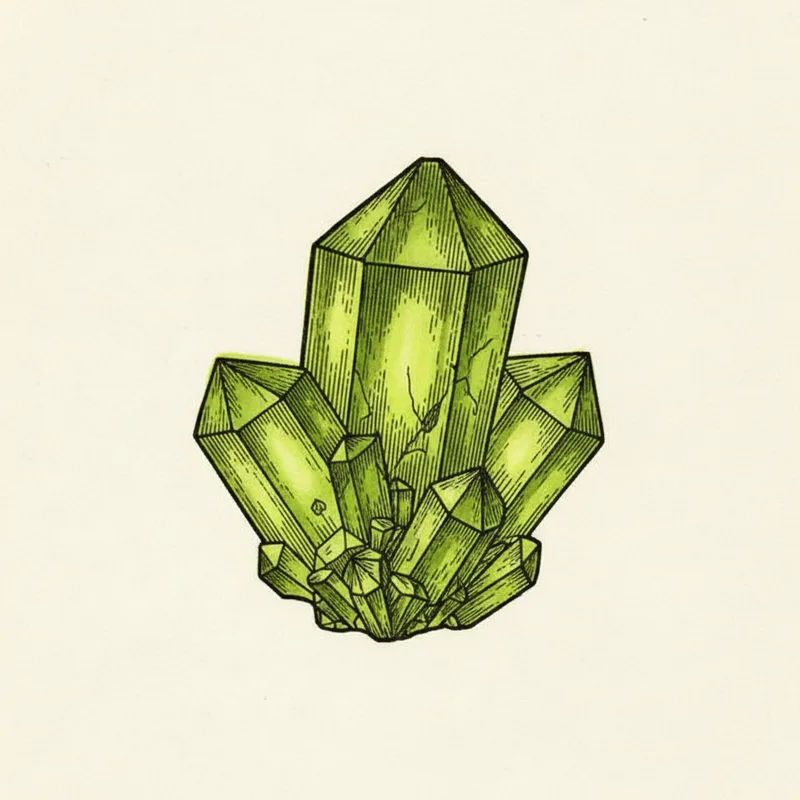
Peridot
The Evening Emerald
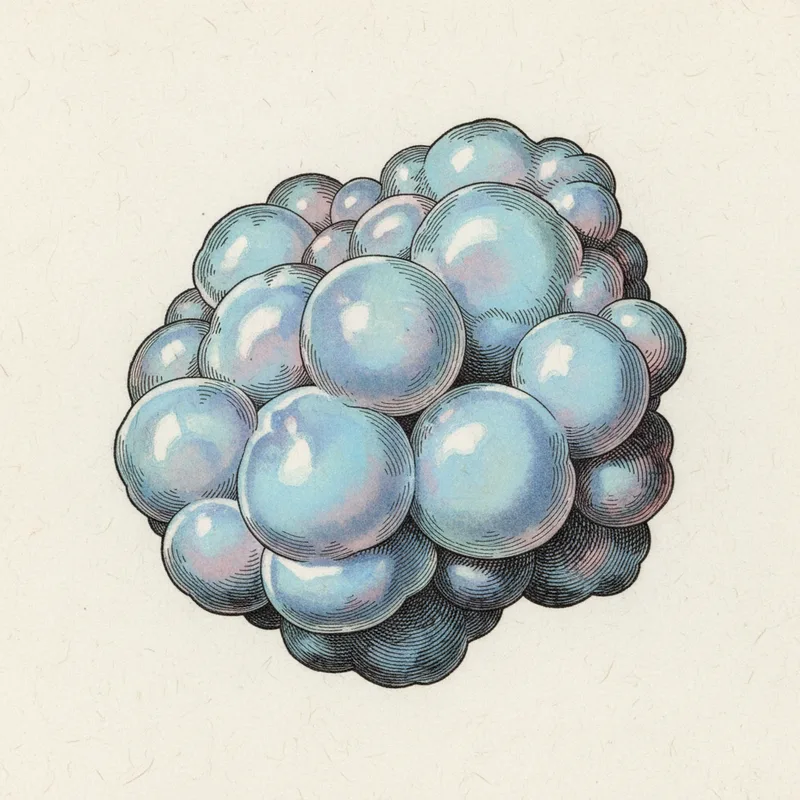
Peruvian Opal
Andean common opal, copper belt
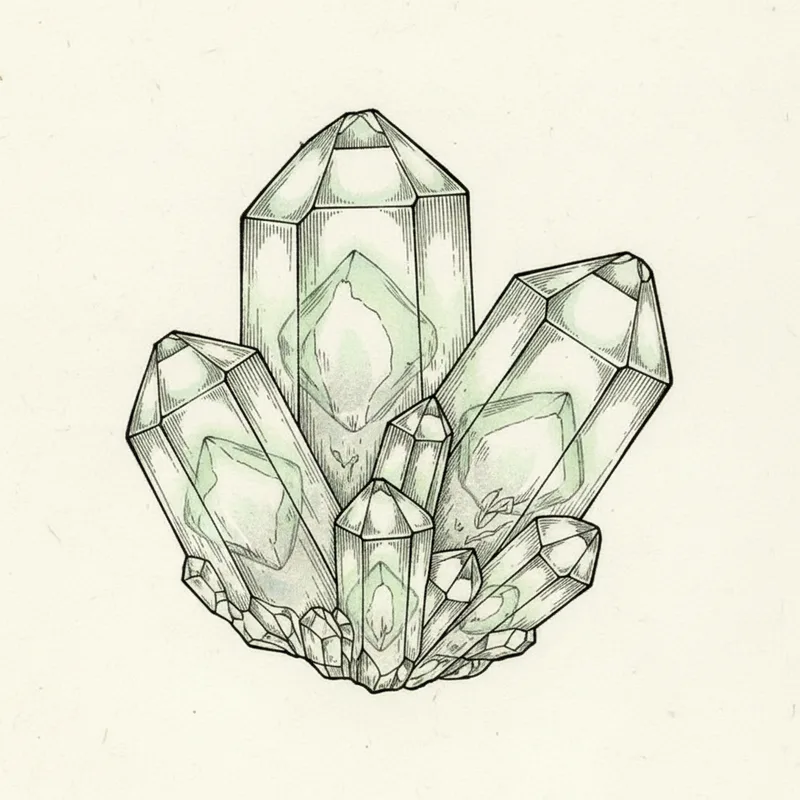
Phantom Quartz
The Ghost Crystal
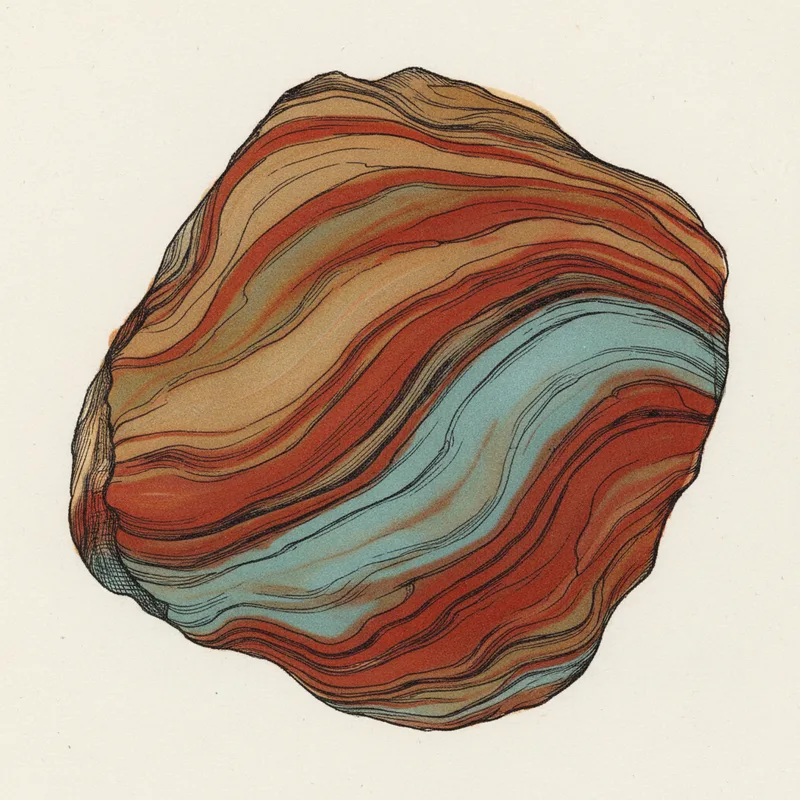
Polychrome Jasper
The Desert Sunset Stone
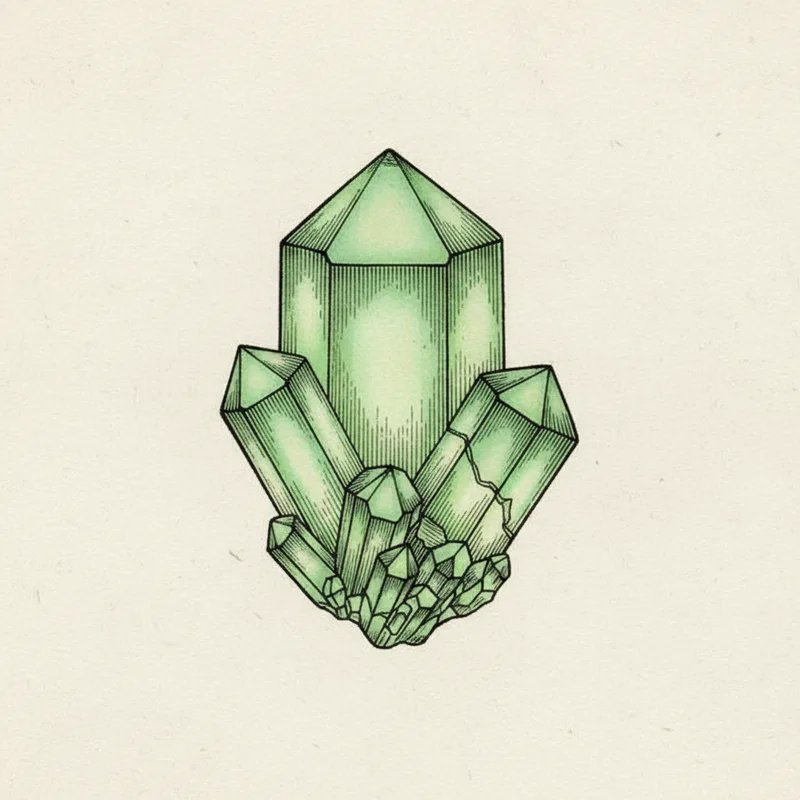
Prasiolite
The Green Amethyst
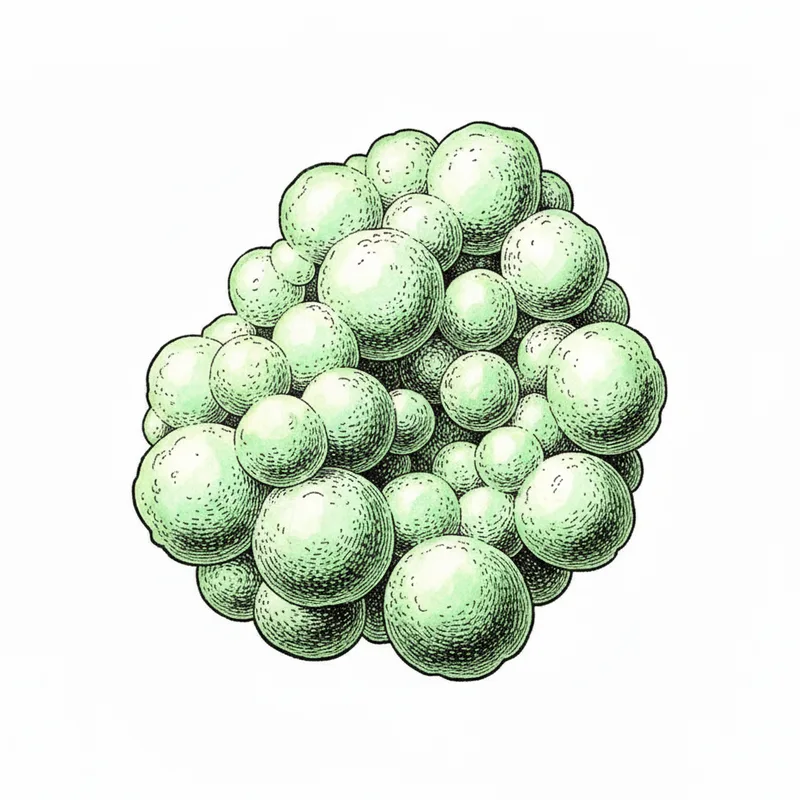
Prehnite
The Healer's Stone
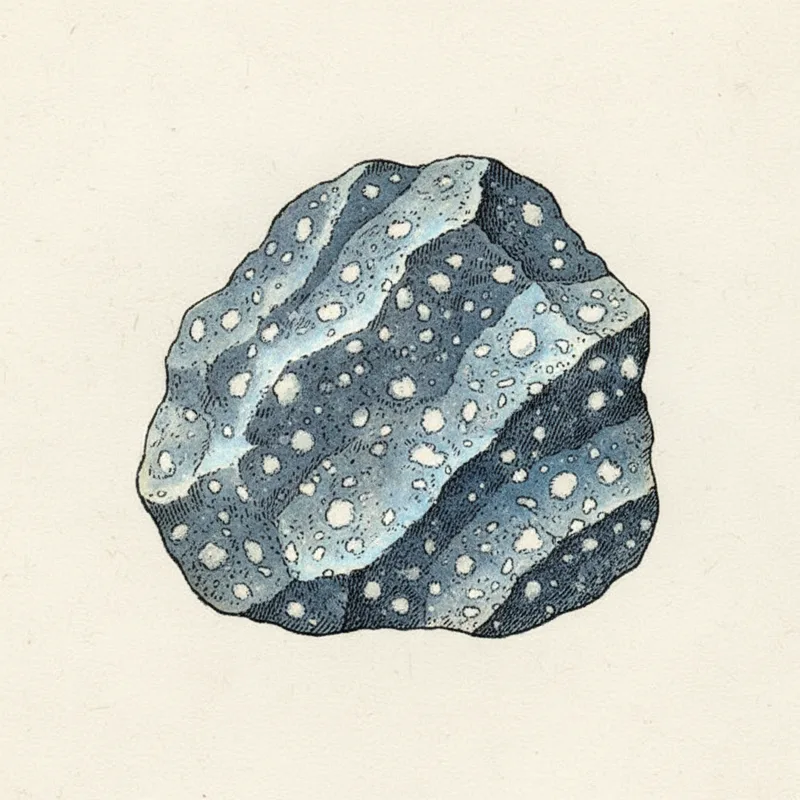
Preseli Bluestone
The Stonehenge Stone
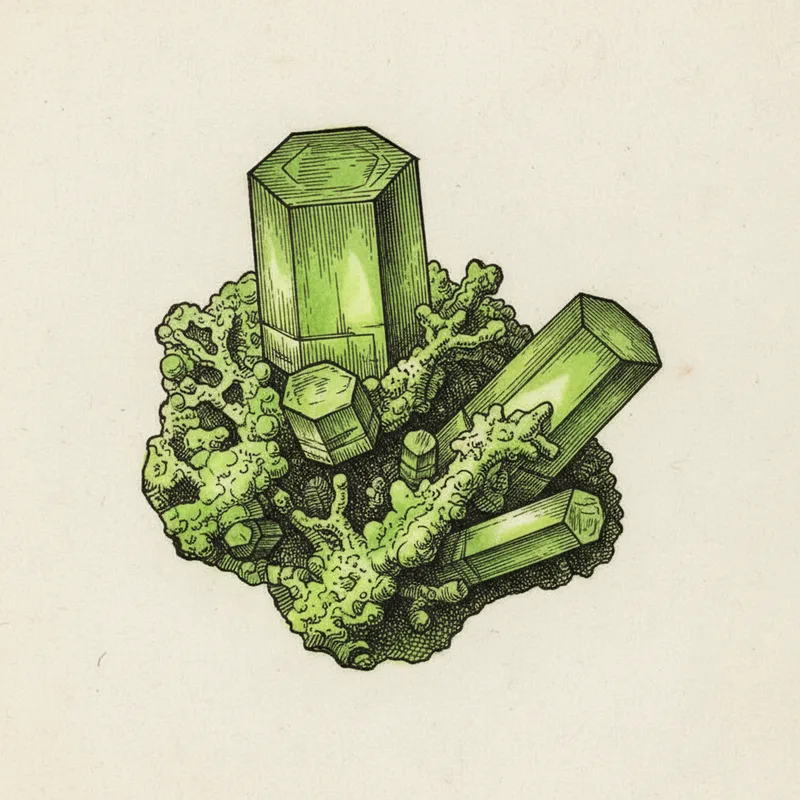
Pyromorphite
The Victory Stone
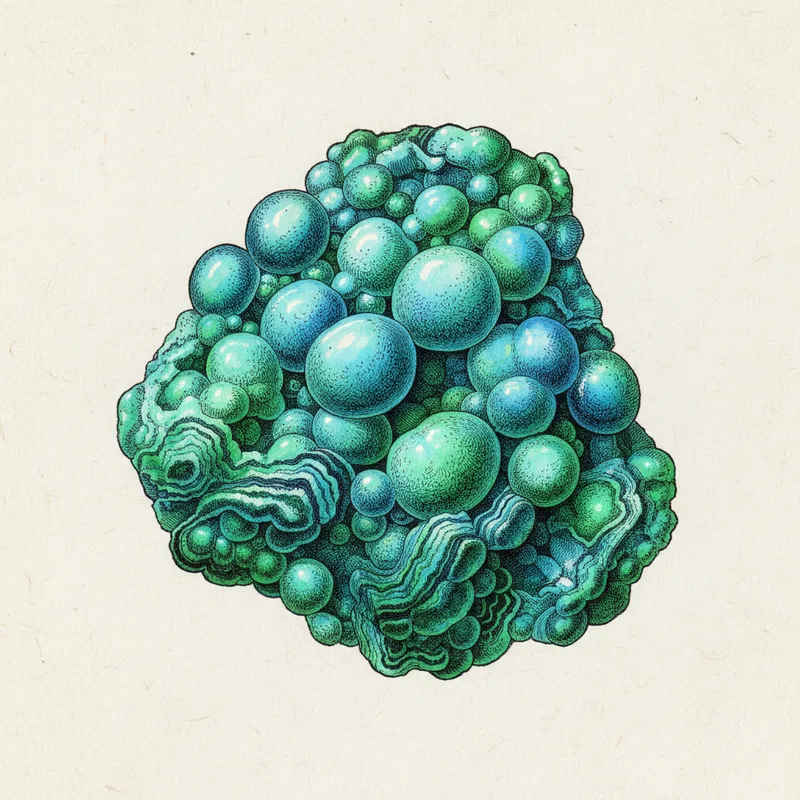
Quantum Quattro
Namibia four-phase copper stone
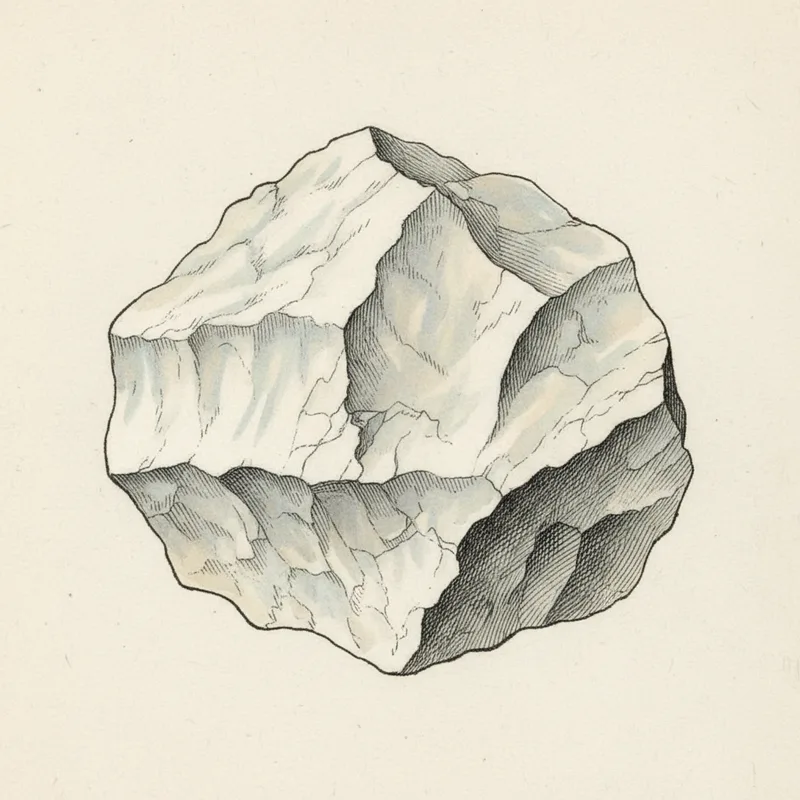
Quartzite
The Indestructible Sandstone
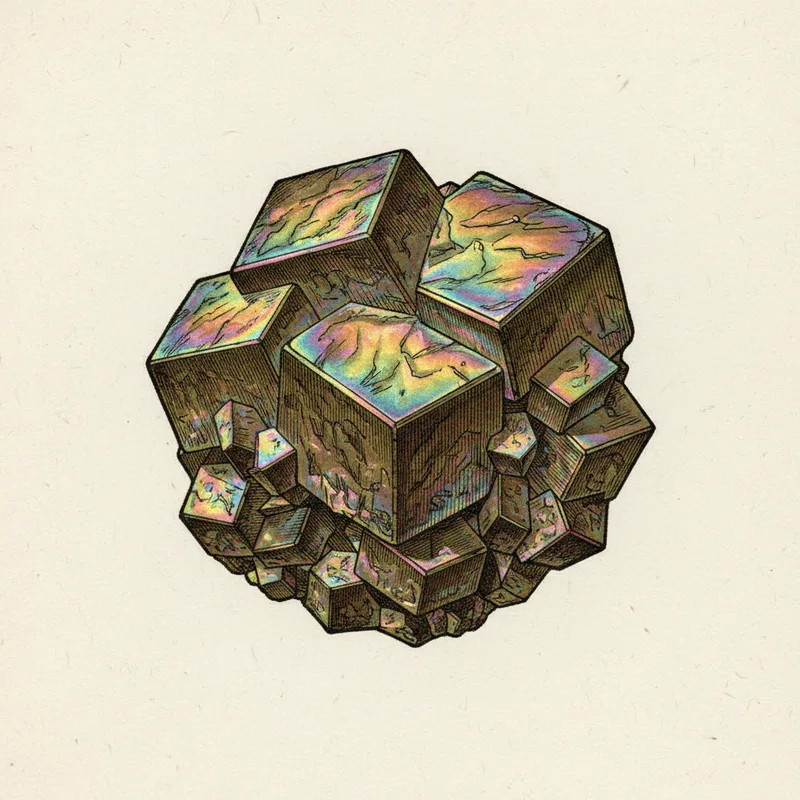
Rainbow Garnet
The Iridescent Andradite
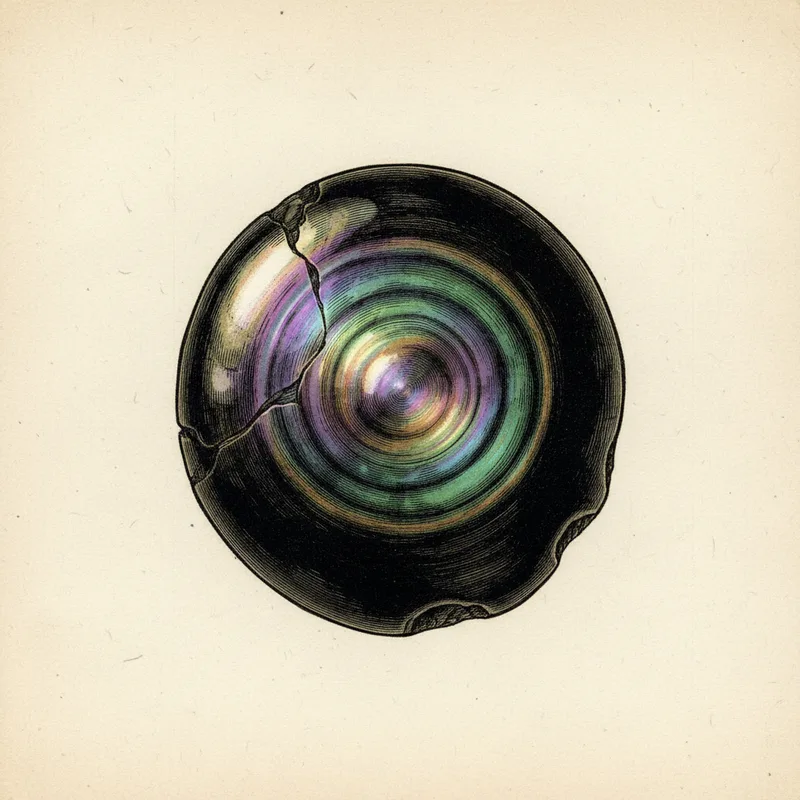
Rainbow Obsidian
The Stone of Light in Darkness

Rainforest Jasper
The Green Rhyolite
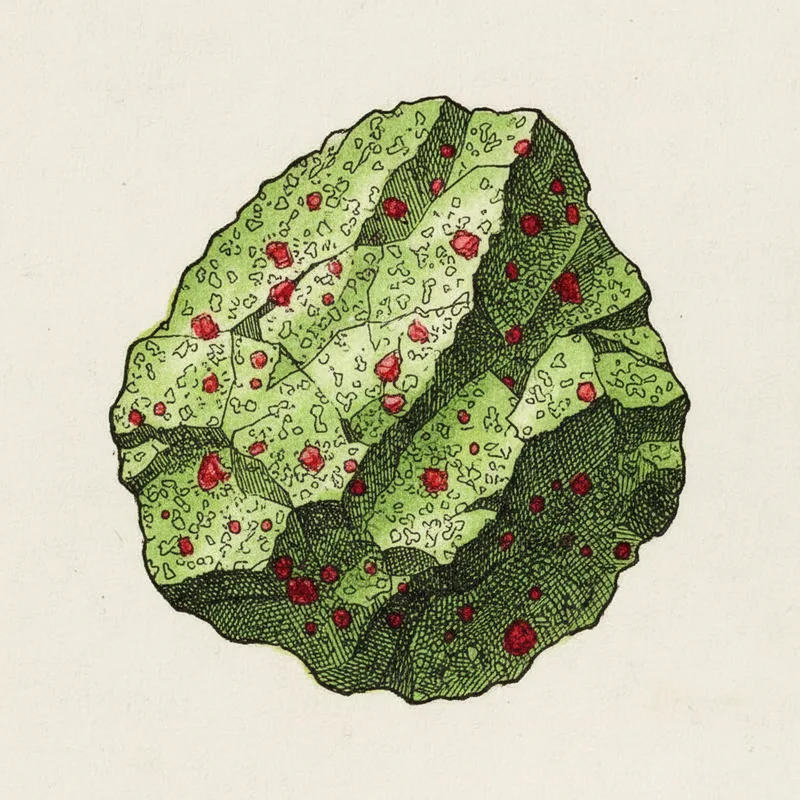
Ruby Zoisite
The Heart of Tanzania
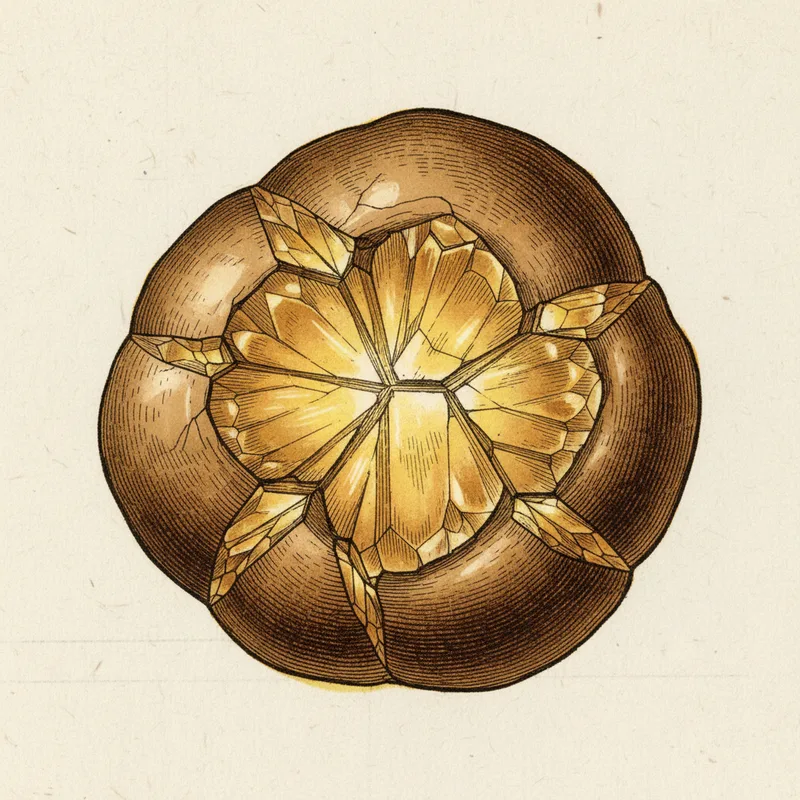
Septarian
The Dragon Stone
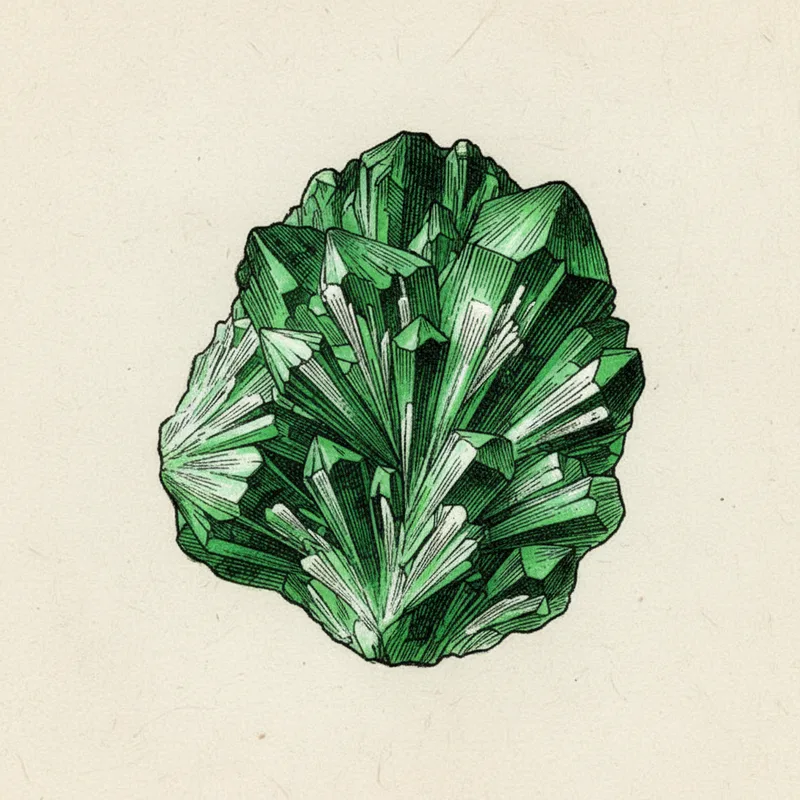
Seraphinite
The Angel Stone
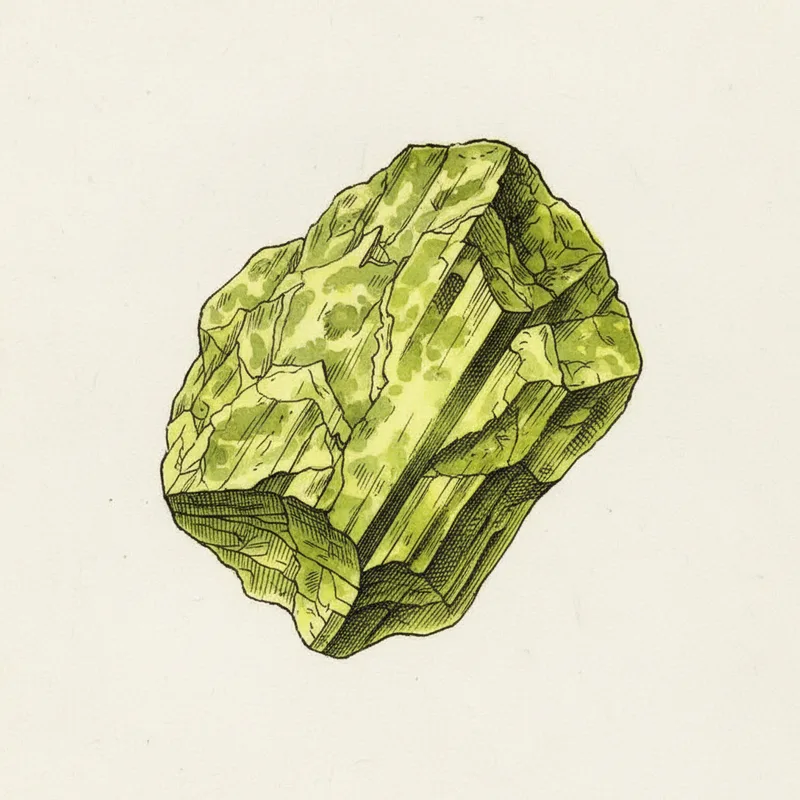
Serpentine
The Serpent Stone
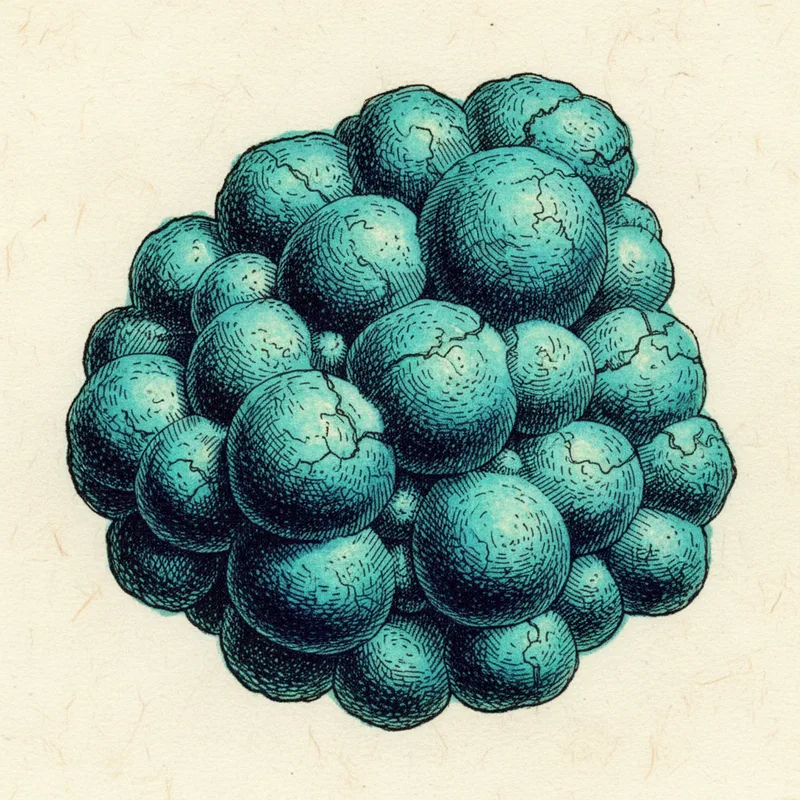
Shattuckite
The Copper Prophet
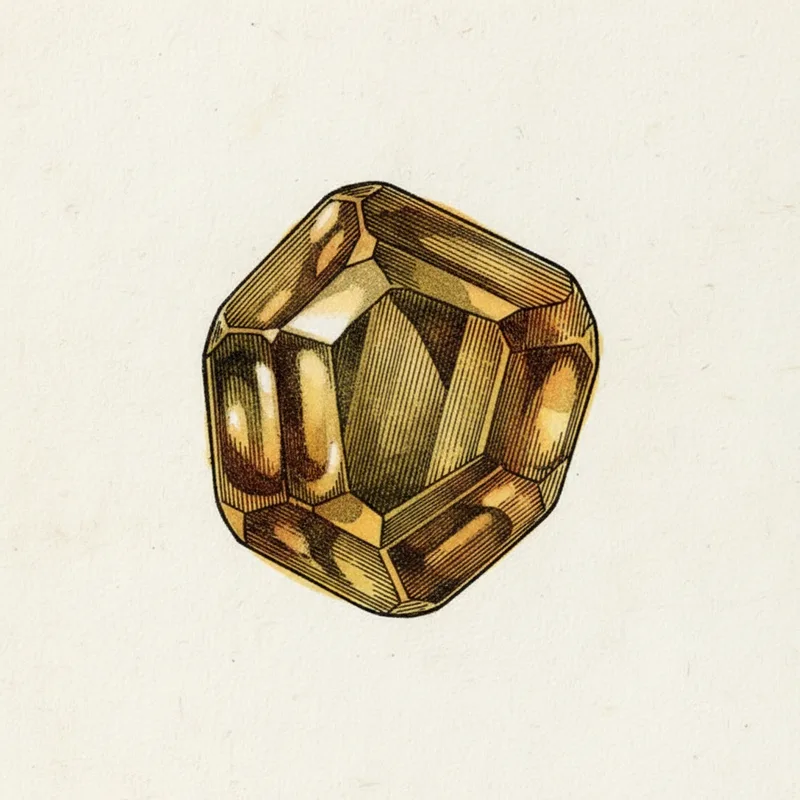
Sinhalite
The Gem Mistaken for Peridot
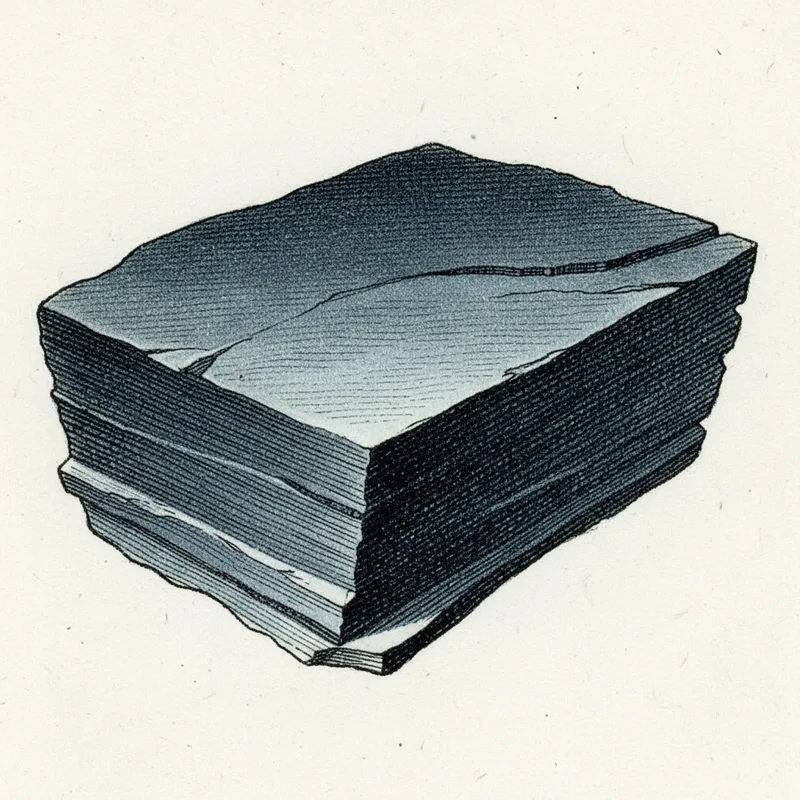
Slate
The Splitting Stone
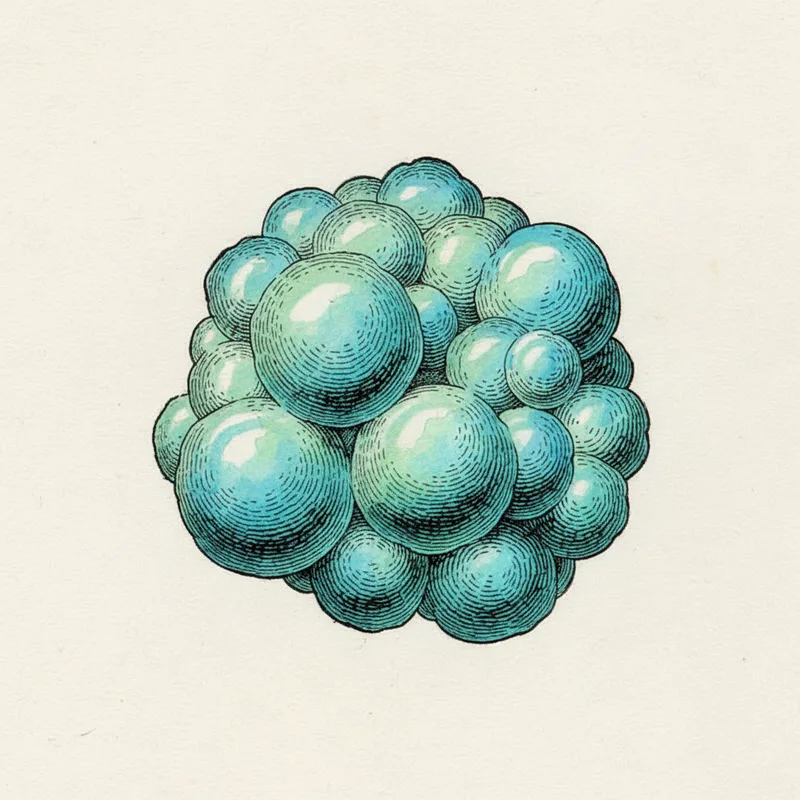
Smithsonite
The Pastel Zinc Carbonate
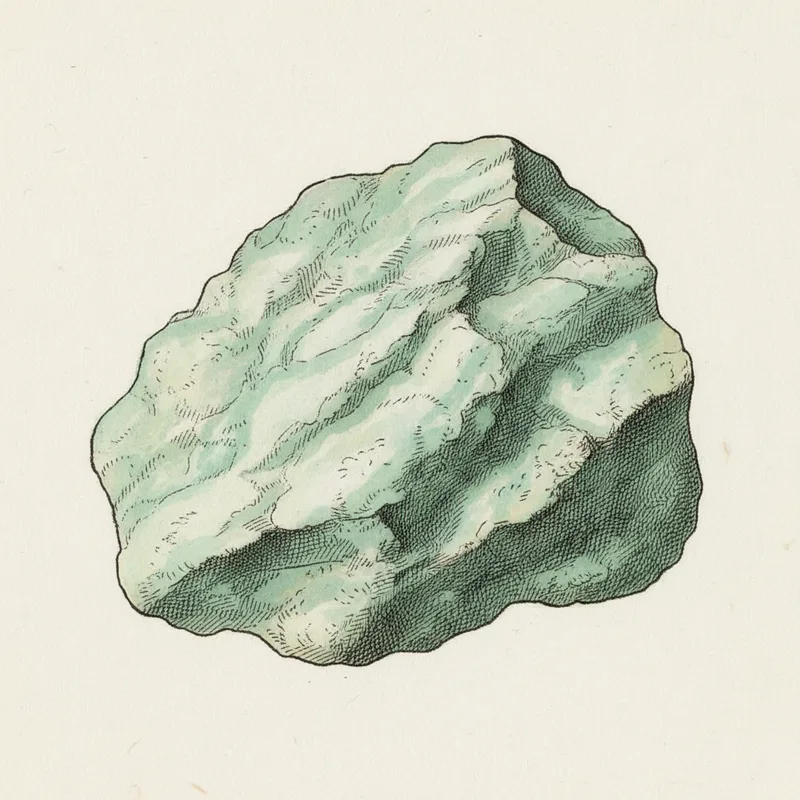
Soapstone
The Carver's Stone
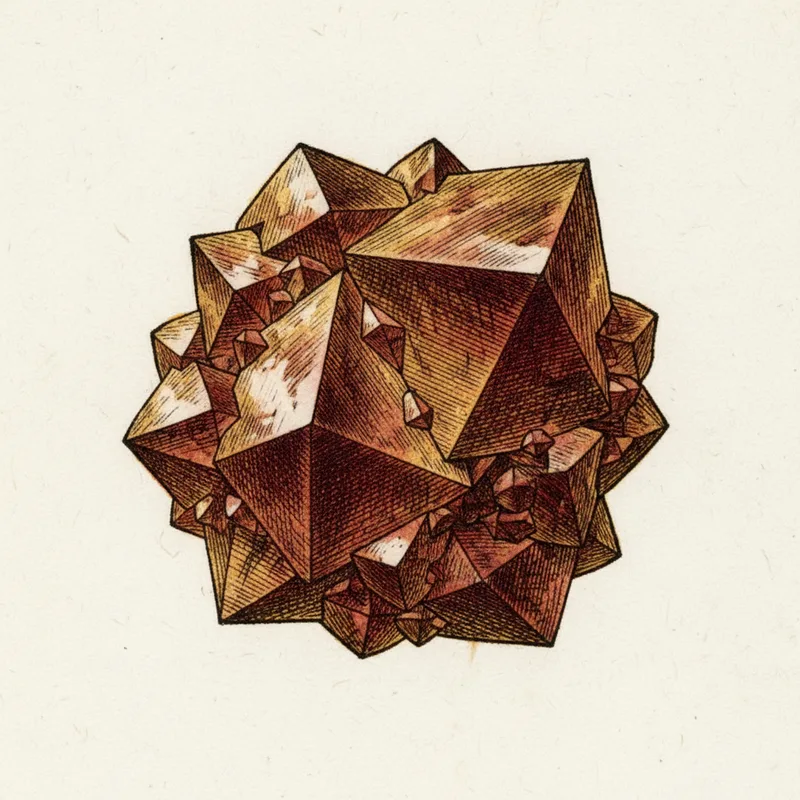
Sphalerite
The Fire Diamond
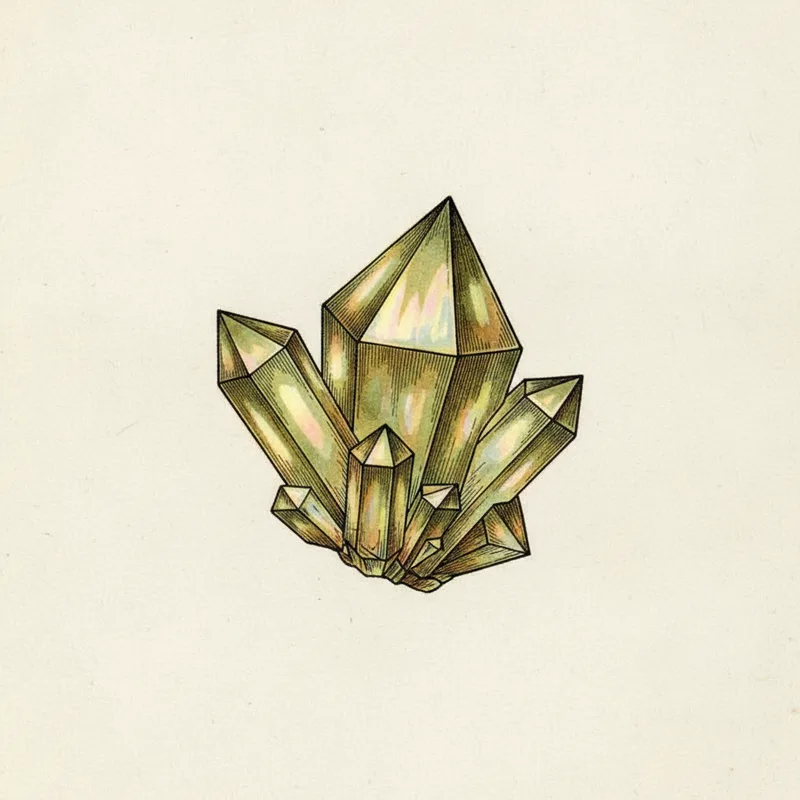
Sphene (Titanite)
More Fire Than Diamond

Spodumene
The Lithium Giant
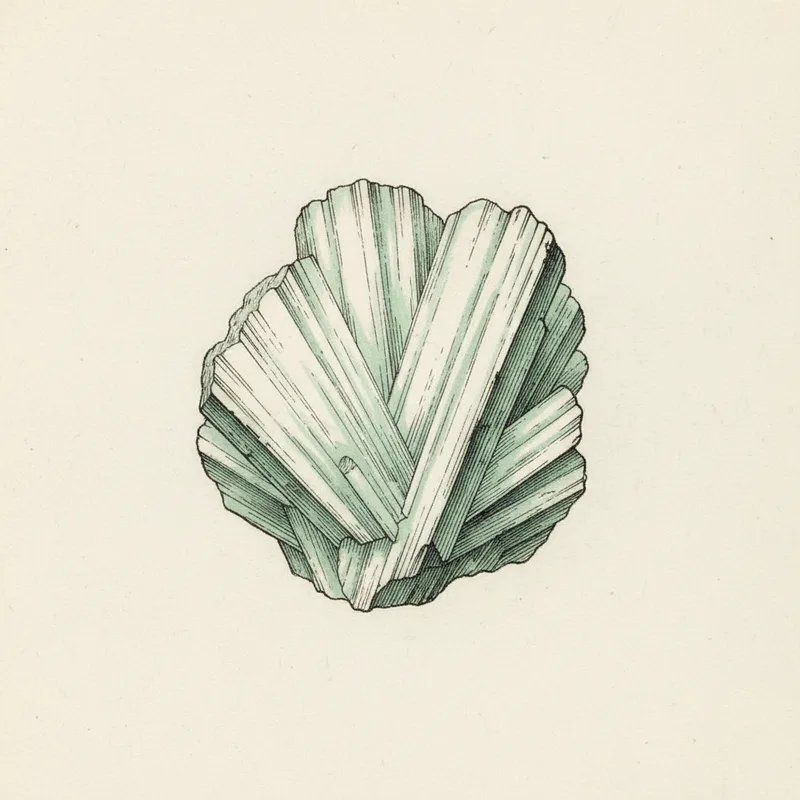
Talc
The Softest Mineral
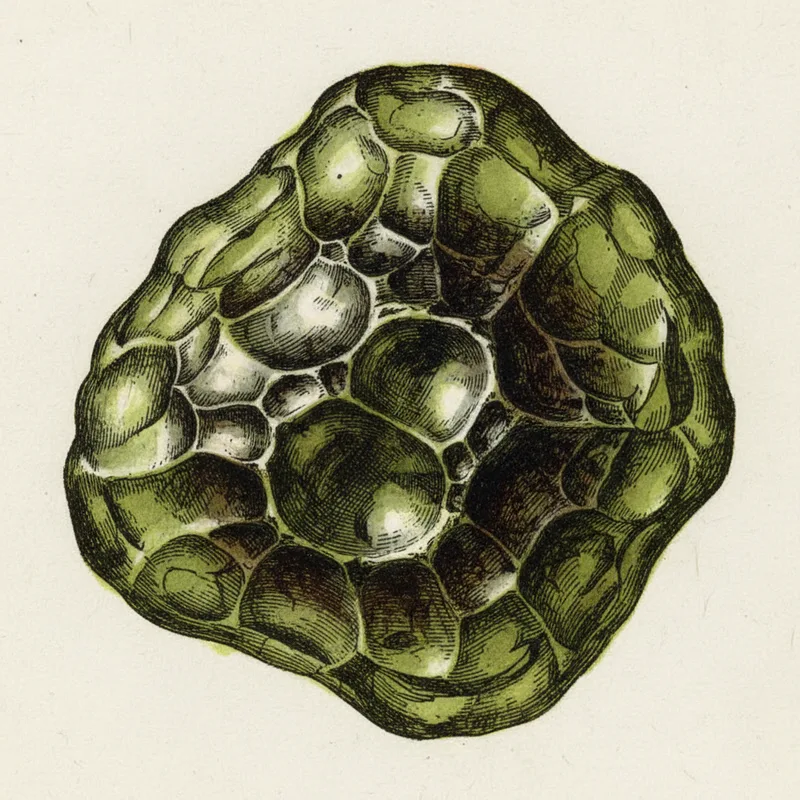
Tektite
Meteorite Impact Glass
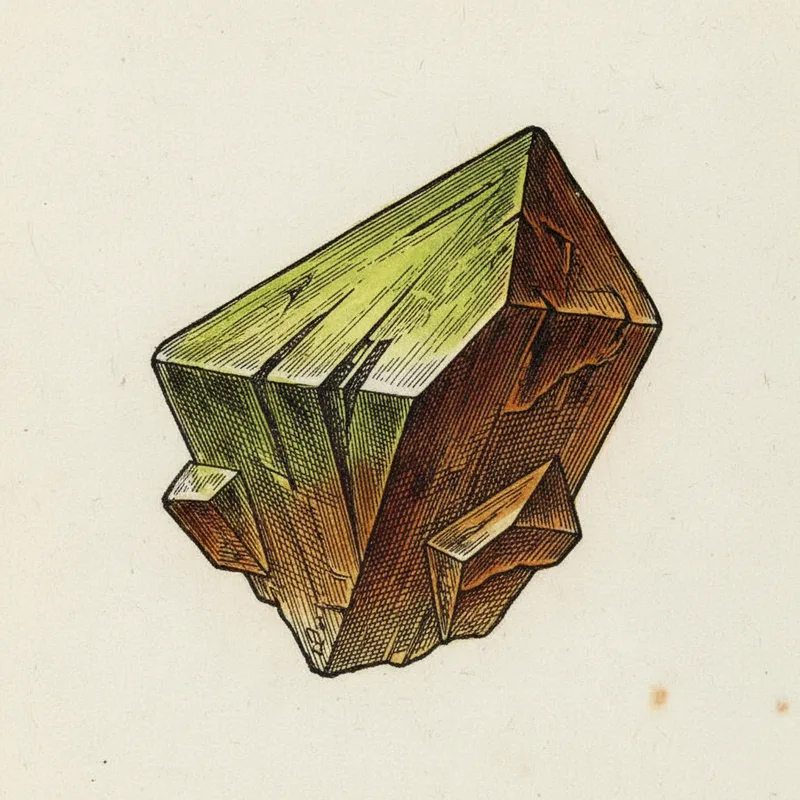
Titanite
The Fire of Titanium
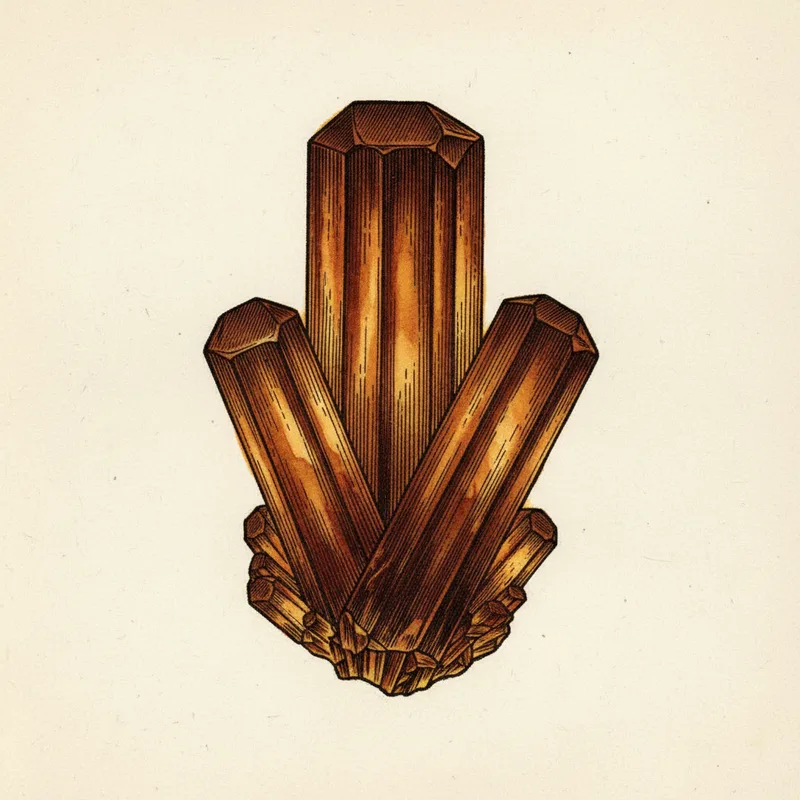
Tourmaline
The Rainbow Stone
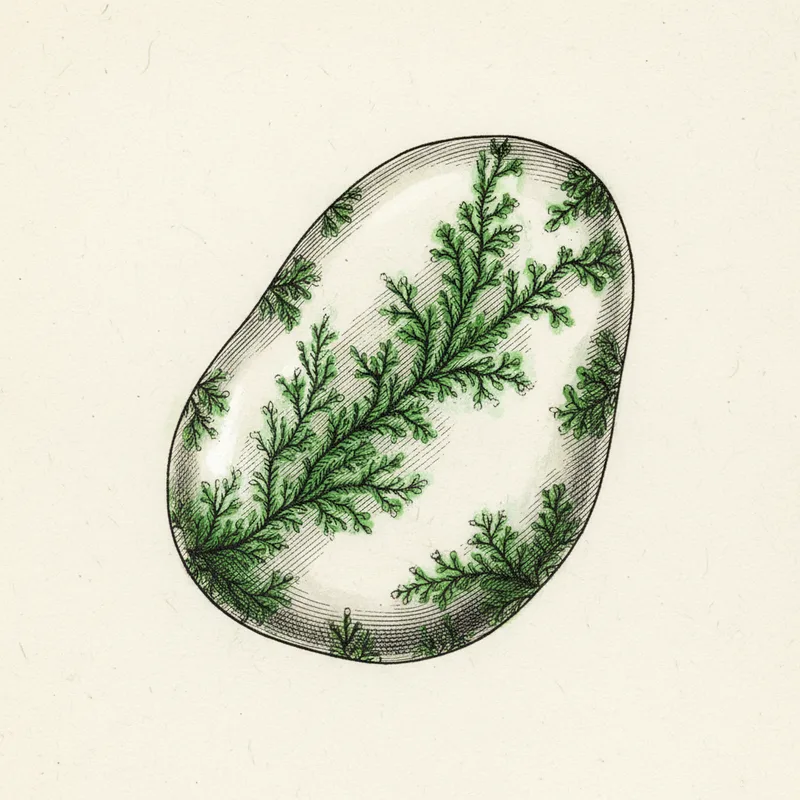
Tree Agate
The Stone of Plenitude

Tremolite
The Jade Builder
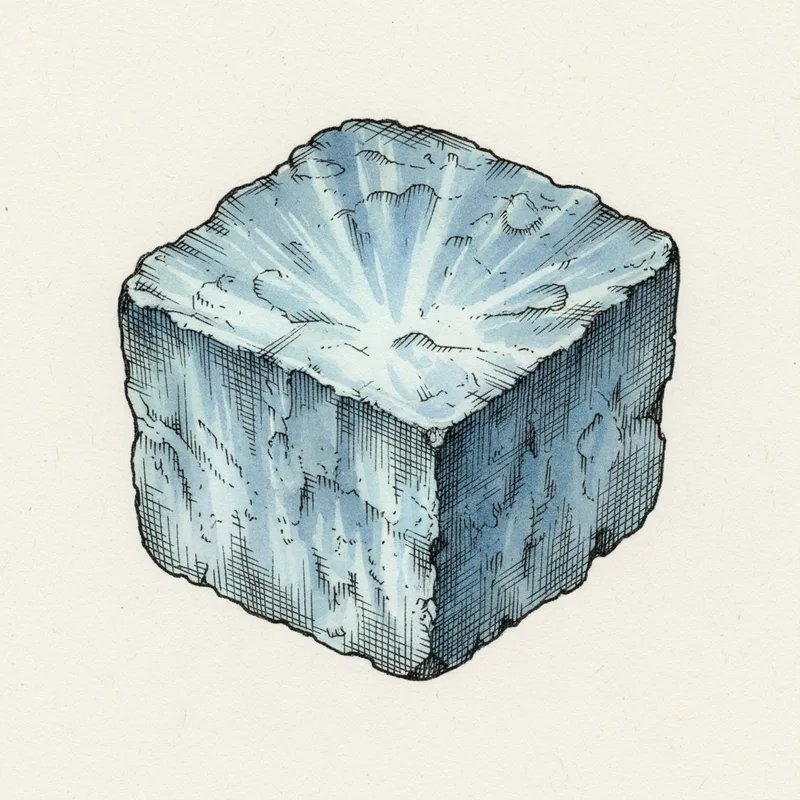
Trolleite
The Blue Phantom in Quartz
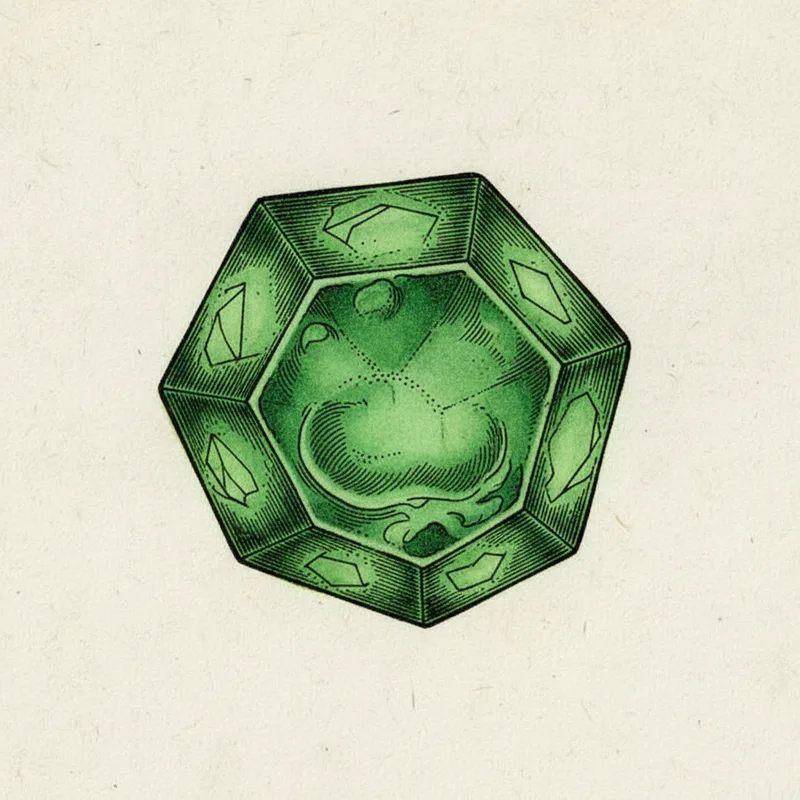
Tsavorite
The Emerald's East African Rival
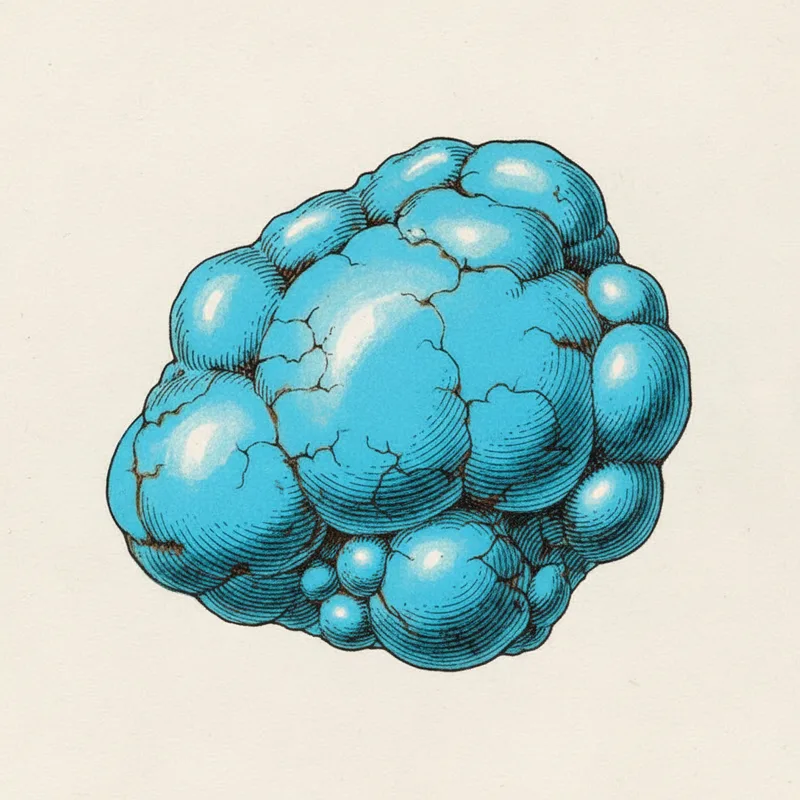
Turquoise
The Sky Stone
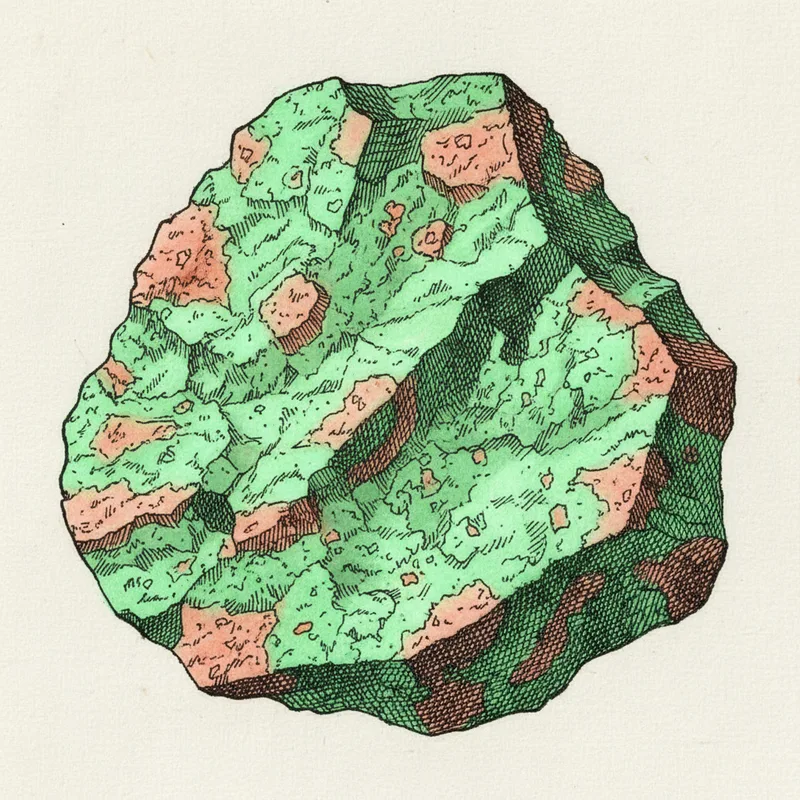
Unakite
The Stone of Vision

Uvarovite
The Emerald Garnet
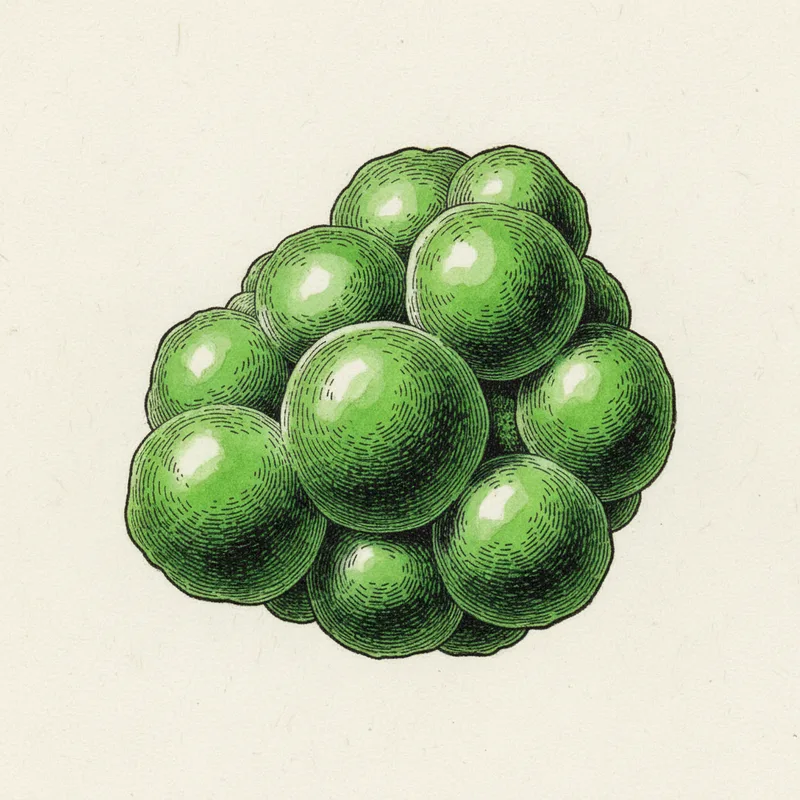
Variscite
The Healer's Heart Stone

Verdelite
The Green Tourmaline
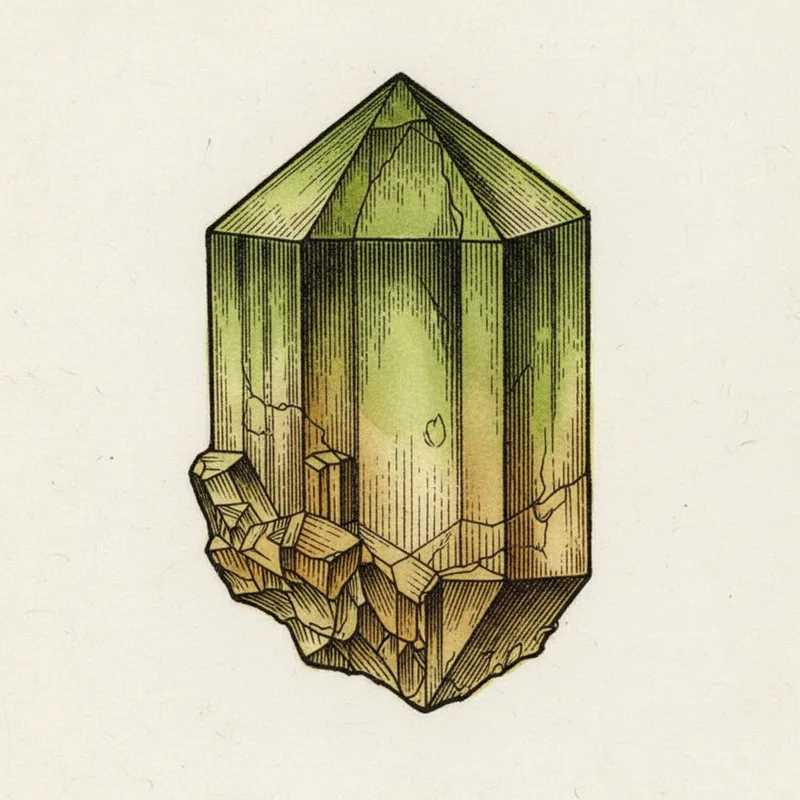
Vesuvianite
The Volcano's Gemstone
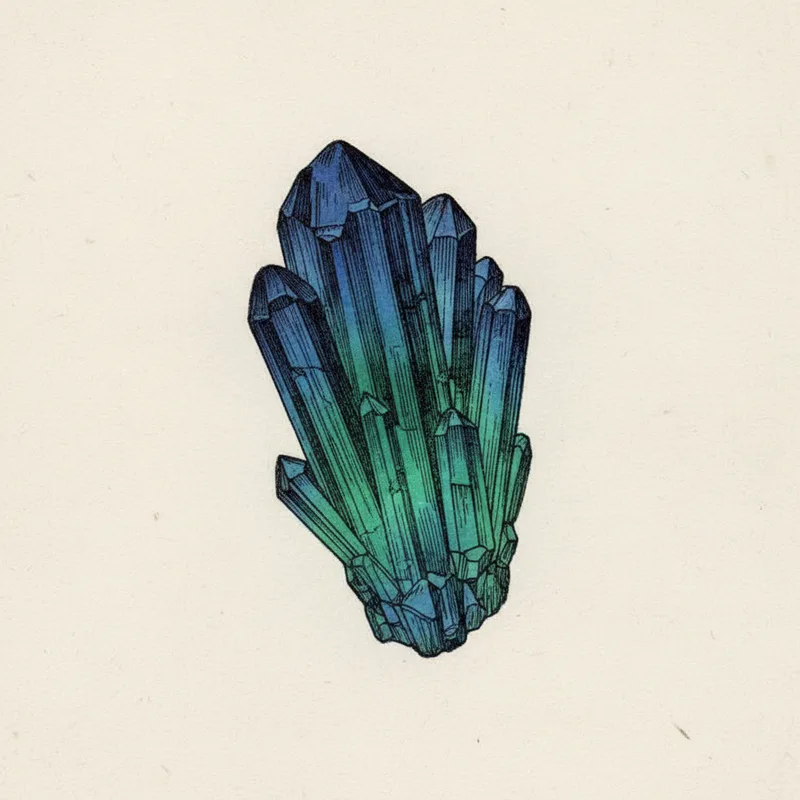
Vivianite
The Ghost Crystal
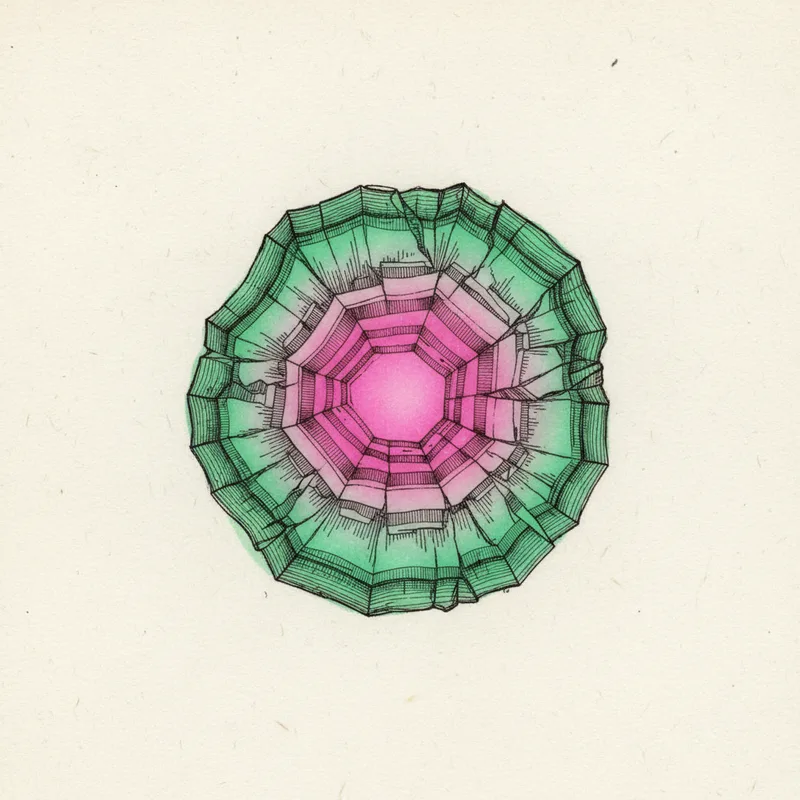
Watermelon Tourmaline
The Dual Heart Stone
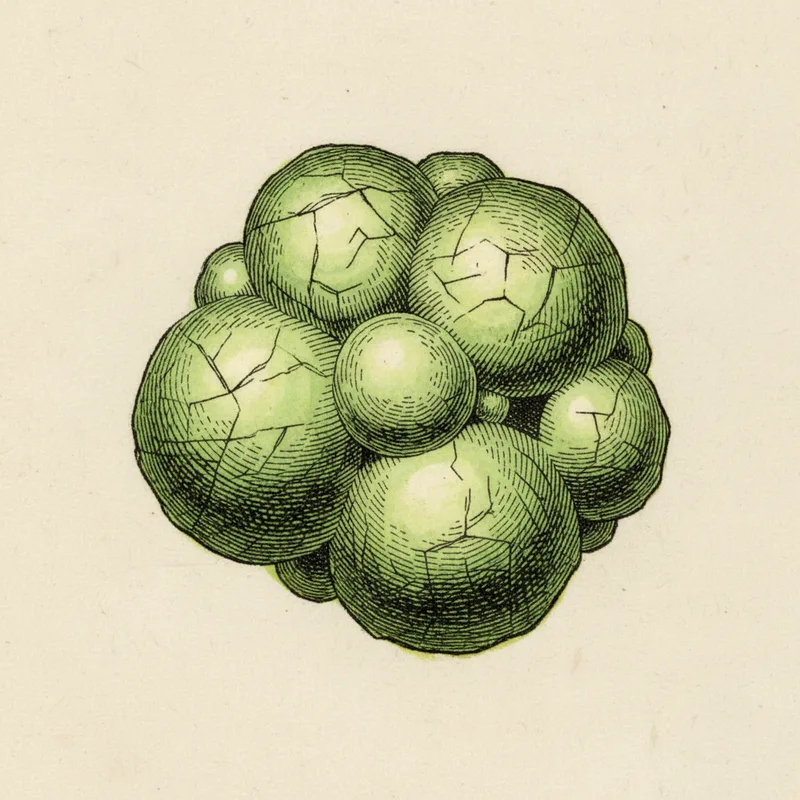
Wavellite
The Starburst Mineral

Wollastonite
The Contact Metamorphic Marker
Zircon
The Eldest Gem

Zoisite
The Tanzanite Parent Mineral