Fire Agate
The Flame Within
Affiliate links. We may earn a commission, at no cost to you.
Quick Facts
Formation & Origin
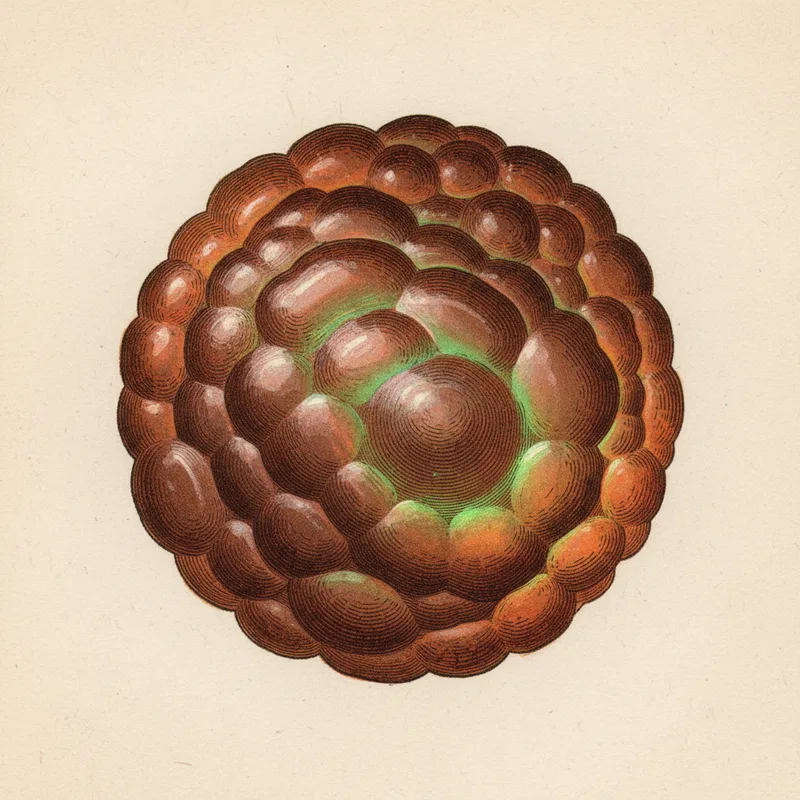
Fire agate is a variety of chalcedony that displays an iridescent play of color caused by thin layers of iron oxide (limonite/goethite) deposited between layers of chalcedony during formation. Light reflecting between these microscopically thin layers produces spectral colors through thin-film interference - the same physics that creates colors in oil slicks and soap bubbles.
Fire agate formed in volcanic environments during the Tertiary period (roughly 24-36 million years ago) when silica-rich fluids saturated with iron percolated through volcanic rock. The alternating deposition of silica and iron oxide built up layered botryoidal structures. The thickness of the iron oxide layers determines which colors appear - thinner layers produce blues and greens, thicker layers produce oranges and reds.
Cutting fire agate is an art form requiring exceptional skill. The fire layers are extremely thin and buried beneath an outer layer of ordinary chalcedony. The cutter must carefully grind away the outer material to expose the fire without grinding through it - going even a fraction of a millimeter too deep destroys the color. Master fire agate cutters are rare and their work commands significant premiums.
Identification Guide
Fire agate is identified by its botryoidal shape and iridescent play of color visible when light hits the surface at certain angles. The colors shift and move as the stone is rotated. At hardness 7, it's durable.
Distinguish from Mexican fire opal (transparent orange, no play of color like fire agate), ammolite (fossilized, flat iridescence), and labradorite (different mineral, broader flash). Fire agate's play of color is localized in specific areas of the stone's bubbly surface, not uniform across the piece.
Spotting Fakes
Fire agate is rarely faked because the botryoidal form and thin-film iridescence are extremely difficult to replicate. Glass imitations lack the natural botryoidal texture and show different optical effects. The main market concern is quality variation - weak fire (faint, limited color) sells for much less than vivid multi-color fire. Cutting quality dramatically affects value. A poorly cut fire agate with damaged fire layers is worth a fraction of a well-cut one.
Some links in this post go to Amazon and Etsy. Crystal Almanac earns a commission from qualifying purchases at no extra cost to you. Tools recommended here are ones we would use ourselves to run the tests described - the recommendation comes first, the link is downstream of it.
Cultural & Metaphysical Traditions
Presented as cultural traditions, not scientific evidence
Fire agate is associated with the spiritual flame in modern crystal healing - practitioners consider it one of the most powerful protection stones, creating a shield of fire energy around the wearer. Its Mexican and Southwestern US origin connects it to indigenous fire traditions. Modern practitioners associate it with courage, vitality, and creative inspiration. The difficulty of cutting fire agate (requiring patience and skill to reveal hidden beauty) is seen as a metaphor for personal development.
Metaphysical and “healing” associations are cultural traditions, not medical advice or scientific fact. Crystals are not a substitute for professional medical care.
Where It's Found
Finest specimens with vivid fire play
Classic American source, fine quality
Price Guide
Good to Know
Scratch test: At hardness 7, Fire Agate can scratch glass and steel. It's durable enough for any type of jewelry.
Global supply: Found in 2 notable locations worldwide, from Mexico to United States.
Heft test: Fire Agate has average mineral density (2.60). It feels about as heavy as you'd expect from a stone its size.
Common Questions
What is the chemical formula of Fire Agate?
The chemical formula of Fire Agate is SiO₂ with iron oxide layers.
What is Fire Agate's Mohs hardness?
Fire Agate has a Mohs hardness of 7 on the 1 to 10 Mohs scale, hard enough to scratch glass and stand up to daily wear.
Is Fire Agate a mineral?
Yes. Fire Agate is a naturally occurring mineral (Quartz Family (Chalcedony)) with a definite chemical composition and an ordered crystal structure.
Care & Safety
The water, salt, and sunlight questions people actually ask before cleansing or displaying fire agate, answered from its hardness (Mohs 7) and chemistry (SiO₂ with iron oxide layers).
Can Fire Agate go in water?
Yes. Fire Agate is hard (Mohs 7) and chemically stable, so a rinse or a quick wash with mild soap is no problem, cleanse it in water freely if that is your practice. A long soak does nothing for it either way, so skip that, and dry the stone afterward.
Can Fire Agate go in salt water?
Not recommended, even though fire agate itself is hard and not water-soluble. Salt is both corrosive and mildly abrasive: it can dull a polished surface, attack metal settings, and crystallize inside small fractures as the stone dries. A quick dip will not destroy fire agate, but rinse it with fresh water afterward and dry it. For routine cleaning, plain water is the kinder choice.
Sources & References
The mineralogical and gemological data on this page is drawn from and can be cross-checked against these external references.
- WikipediaFire agate on Wikipedia
- WebmineralQuartz mineral data (Webmineral)
- Handbook of MineralogyQuartz (Handbook of Mineralogy, PDF)
Explore More
Quartz & Chalcedony
The Creative Collection
Thin-film interference creates literal fire inside the stone. Associated with creative passion and the courage to reveal hidden beauty.
Gemini Season Crystals 2026: Six Stones for Clarity
Crystals by Zodiac Sign: A Complete Guide
Mohs Hardness Scale
See where Fire Agate sits on the scale
Crystal Care Guide
Water safety, sunlight, and handling tips
Save This Stone

Keep this fire agate reference handy. Save the card to a Pinterest board and the profile is one tap away.
Save to PinterestNewsletter
Something shiny, now and then
A stone worth knowing, or a fake worth spotting, every so often. No spam.