How to Identify a Crystal by Its Mineral Group
Key Takeaway: Color is the worst way to identify a crystal and mineral group is the best. A group is defined by chemistry and crystal structure, not appearance, so once you can sort a stone into its family, you have narrowed thousands of possibilities down to a handful. This guide shows you the handful of physical tests that reveal a mineral's group, then walks through what each of the major groups actually looks like in your hand.
Pick up an unknown purple stone. Is it amethyst, fluorite, charoite, sugilite, or lepidolite? All five can be purple. Color tells you almost nothing, because the trace elements that produce color are interchangeable across completely unrelated minerals. The same iron that tints one crystal can tint a dozen others that share none of its structure.
What actually separates these five stones is their mineral group. Amethyst is a quartz. Fluorite is a halide. Lepidolite is a mica. Each group is defined by a shared chemistry and a shared crystal structure, and those two things drive every physical property you can test for: hardness, the shape the crystal grows in, how it breaks, how it catches light. Learn to read those properties and you stop guessing by color and start identifying by family.
Why color fails and structure wins
Minerals are classified the way they are for a reason. A blood-red ruby and a blue sapphire are the same mineral, corundum, because they share an identical crystal structure and chemistry. The color difference is a few atoms of chromium versus iron and titanium. Meanwhile a green emerald and a pink morganite are both beryl, despite looking nothing alike.
Color is a surface trait. Group is the underlying identity. And group is what you can actually test for at a kitchen table with a few cheap tools.
The four tests that reveal a group
You do not need a lab. Four observations will sort most stones into the right family.
1. Hardness. Where a mineral sits on the Mohs hardness scale is one of the most diagnostic things about it. A stone that scratches glass easily but resists a steel file is in the 7-plus range, which points straight at quartz, beryl, tourmaline, garnet, or corundum. A stone you can scratch with a fingernail is in the 2-to-3 range, which points at gypsum, talc, or many carbonates. Hardness alone often cuts the candidate list in half.
2. Crystal system and habit. The shape a crystal grows in is a direct fingerprint of its internal atomic lattice. Garnets grow as near-spherical many-faced balls. Beryls and quartz grow as six-sided prisms. Pyrite grows as cubes. Fluorite grows as cubes and octahedra. Even when a specimen is tumbled smooth, the crystal system still governs how it breaks.
3. Cleavage and fracture. This is how a mineral splits. Mica peels into flexible sheets because it has one perfect plane of weakness. Fluorite breaks into octahedra. Calcite breaks into slanted rhombs. Quartz has no cleavage at all and fractures in smooth curved shells like glass, called conchoidal fracture. The way a stone breaks is often more diagnostic than how it looks intact.
4. Luster and streak. Luster is how the surface reflects light: metallic, glassy (vitreous), pearly, waxy, greasy. Streak is the color of the powder a mineral leaves when scraped across unglazed porcelain, and it is often different from the stone's body color. Hematite looks gray or black but always leaves a rust-red streak. Pyrite looks gold but leaves a greenish-black streak, which is how you separate it from real gold.
Reading the major groups in hand
Here is what each major group actually looks and behaves like once you start testing. Each links to the full family page with its member list, hardness range, and crystal systems.
Quartz and chalcedony. The most abundant family on Earth's surface. Hardness 7, glassy luster, no cleavage, conchoidal fracture. Macrocrystalline forms (amethyst, citrine, smoky quartz) grow as six-sided prisms. Microcrystalline forms (agate, jasper, carnelian) are dense and waxy. If it scratches glass, has no cleavage, and breaks like glass, start here.
Feldspar. Roughly 60 percent of Earth's crust. Hardness around 6, with two cleavage planes meeting at nearly 90 degrees. Many feldspars show optical effects: the blue flash of labradorite, the floating sheen of moonstone, the glitter of sunstone. Two clean cleavages plus a schiller effect is a strong feldspar signal.
Garnet. A cubic family with no cleavage and a hardness of 6.5 to 7.5. The giveaway is habit: garnets famously crystallize as rounded, many-faced balls (dodecahedra). Deep red is common but garnets also come in green, orange, and purple, so trust the shape over the color.
Tourmaline. Long prismatic crystals with a rounded-triangular cross section and lengthwise striations down the faces. Hardness 7 to 7.5. The widest color range of any gem family, often with multiple colors in a single crystal, as in watermelon tourmaline.
Beryl. One mineral, many gems: emerald, aquamarine, morganite, heliodor. Hardness 7.5 to 8, growing as six-sided prisms that are often flat-topped rather than pointed. Harder than quartz and typically more included.
Carbonate minerals. Soft, hardness around 3, and the definitive test is a drop of weak acid (even vinegar): calcite fizzes. Calcite cleaves into perfect slanted rhombs. This group includes calcite, malachite, azurite, and rhodochrosite.
Sulfide minerals. Metallic luster and high density are the tells. Pyrite (fool's gold), galena (lead-gray, very heavy), and chalcopyrite live here. Use streak to separate look-alikes from precious metals.
Oxide and hydroxide minerals. A broad group spanning the very hard and the very useful: corundum (hardness 9, second only to diamond), hematite (rust-red streak), magnetite (magnetic), and spinel. Extreme hardness or a red streak points here.
Mica. Unmistakable once you have seen it. One perfect basal cleavage means mica peels into thin, flexible, often transparent sheets. Lepidolite (lilac) and muscovite belong here. If it flakes apart in layers, it is a mica.
Pyroxene and amphibole. The chain silicates, and home to both forms of jade: jadeite (a pyroxene) and nephrite (an amphibole). Cleavage angle separates the two subgroups: pyroxenes cleave near 90 degrees, amphiboles near 120.
Halide minerals. Fluorite is the star: hardness 4, perfect octahedral cleavage, and many specimens fluoresce under UV light (the property is literally named after it). Halite (rock salt) is also a halide, grows as cubes, and tastes of salt.
Sulfate minerals. Generally soft. Gypsum is hardness 2, soft enough to scratch with a fingernail; its glassy transparent form is selenite while its satiny fibrous form is satin spar (the two are constantly confused). Barite is notably heavy for a non-metallic stone.
Organic gems. Not minerals in the strict sense but biological in origin: amber (fossil resin, warm and light enough to float in saltwater), jet (fossil wood), and pearl. Low density and a warm feel set them apart from rock.
The remaining families round out the system: phosphates like turquoise and apatite, native elements like copper and sulfur, volcanic and impact glass like obsidian (amorphous, no crystal structure, conchoidal fracture), zeolites that grow in volcanic cavities, epidote and zoisite which includes tanzanite, other silicates and gems like peridot and topaz, the rare borates and tungstates, extraterrestrial materials like iron meteorites, and the rocks and composites such as lapis lazuli that are assemblages of several minerals rather than one.
A simple identification flow
Put the four tests in order and most stones reveal themselves:
- Test hardness first. It is the fastest filter and instantly separates the soft carbonates and sulfates from the hard silicates and oxides.
- Look at the crystal habit. Six-sided prism, cube, octahedron, rounded ball, or layered sheets? The shape narrows the family fast.
- Try to find cleavage or fracture. Does it split cleanly along flat planes, peel into sheets, or break in glassy curves?
- Check luster and streak. Metallic versus glassy, and what color is the powder? This confirms the group and weeds out impostors.
By step four you usually have a group, and the group page gives you the short list of specific minerals to choose between.
Why this also protects you from fakes
The same properties that identify a group are the ones that expose imitations. Glass sold as quartz fractures conchoidally like real quartz but is amorphous, often warmer to the touch, and full of round gas bubbles under a loupe rather than angular natural inclusions. Dyed howlite posing as turquoise gives itself away on hardness and streak. Learning groups and learning to spot fakes are the same skill viewed from two angles. A stone that fails the physical tests for the group it claims to belong to is not what the label says it is.
Keep going
Identification is a skill that compounds. The more groups you can recognize on sight, the faster every new specimen falls into place.
- Browse all 22 mineral groups with their members, hardness ranges, and crystal systems.
- Work through the full crystal identification guide step by step.
- Study the Mohs hardness scale, the single most useful test in your kit.
- Start with the best crystals for beginners, chosen for how much real geology each one teaches.
Metaphysical and “healing” associations mentioned here are cultural traditions, not medical advice or scientific fact. Crystals are not a substitute for professional medical care. Full disclaimer.
Crystals in This Article
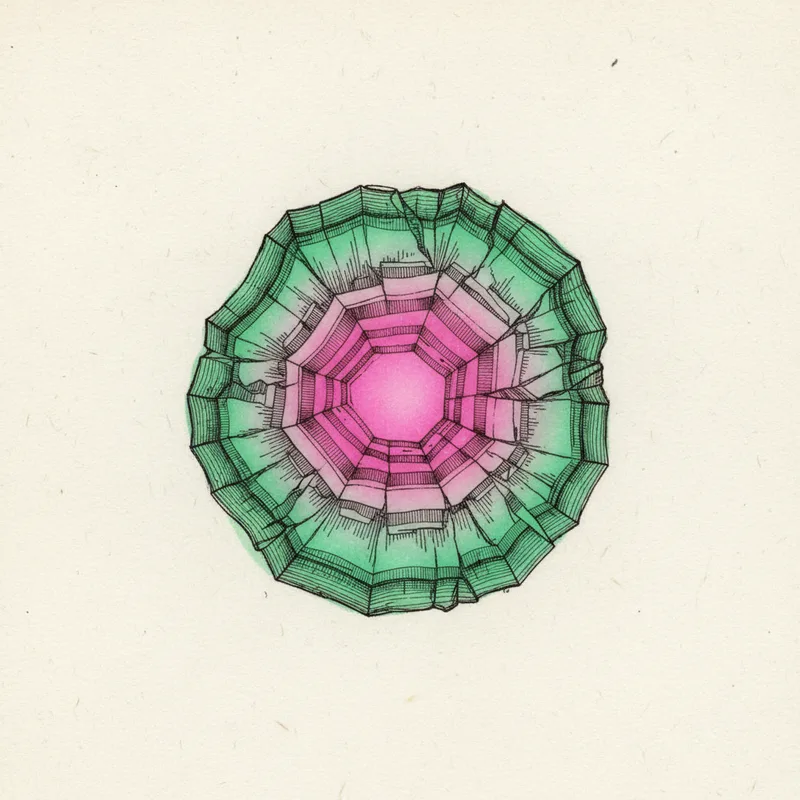
Watermelon Tourmaline
The Dual Heart Stone
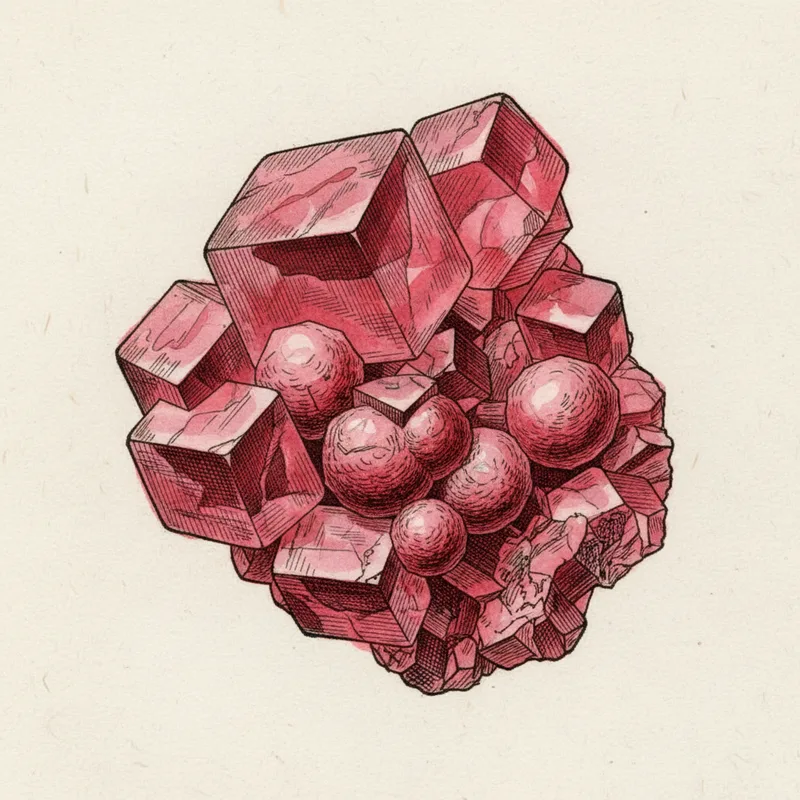
Rhodochrosite
The Rose of the Incas
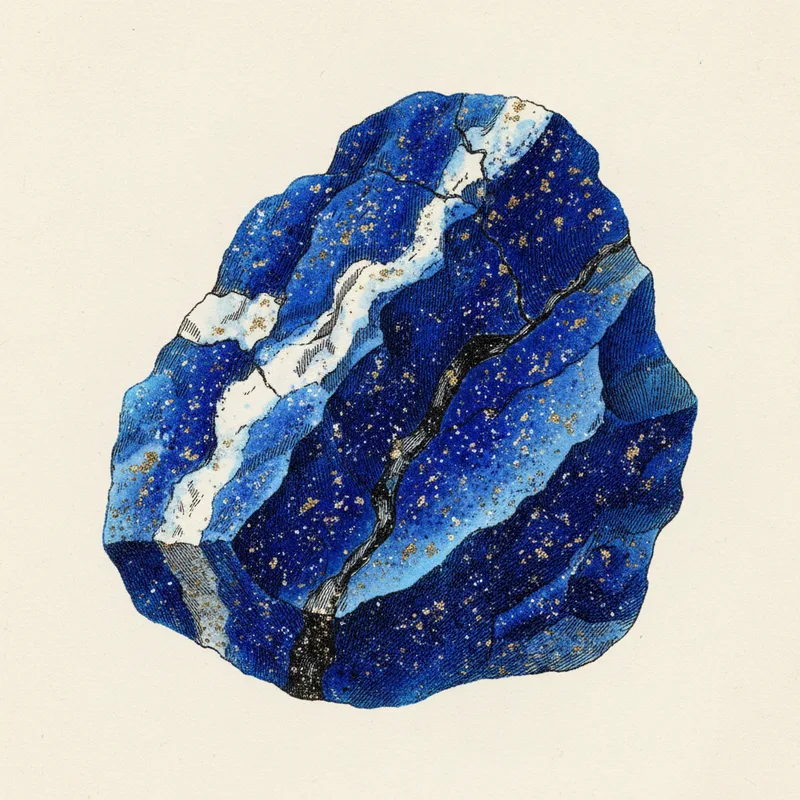
Lapis Lazuli
The Stone of the Heavens
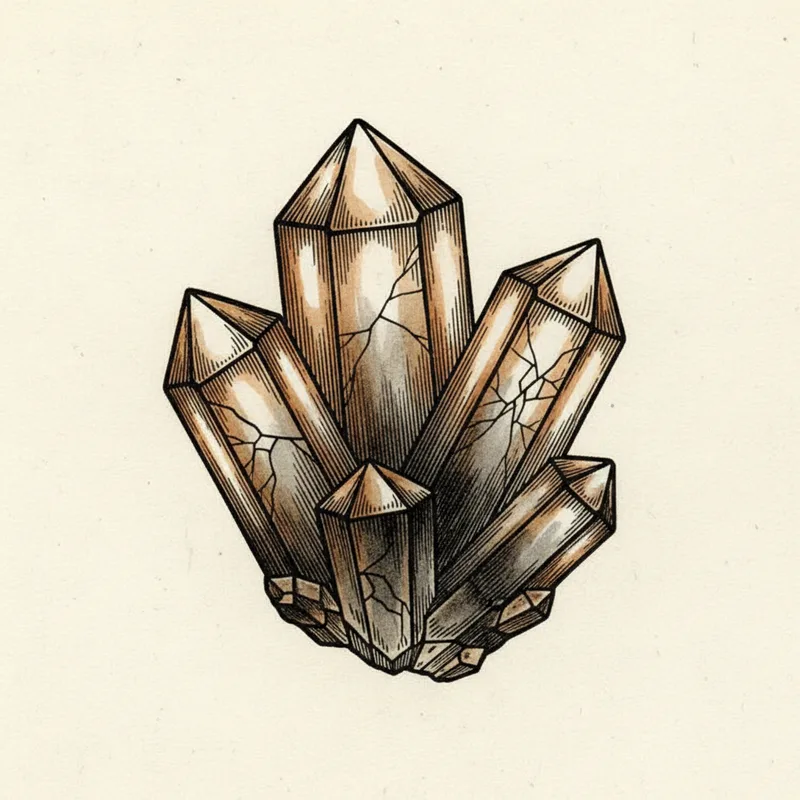
Smoky Quartz
The Grounding Stone
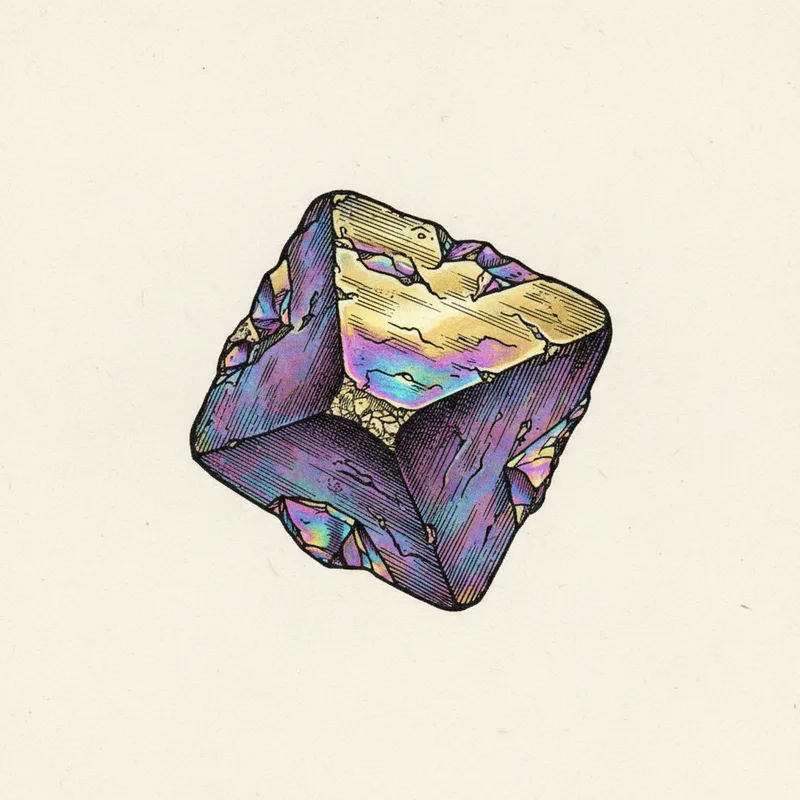
Chalcopyrite
The Peacock Mineral
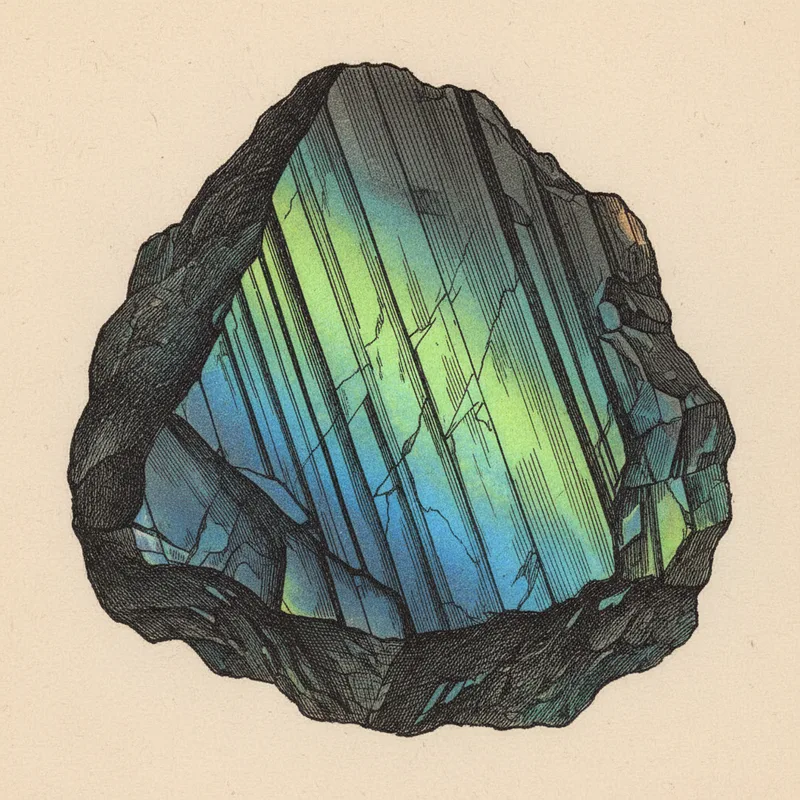
Labradorite
The Stone of Transformation
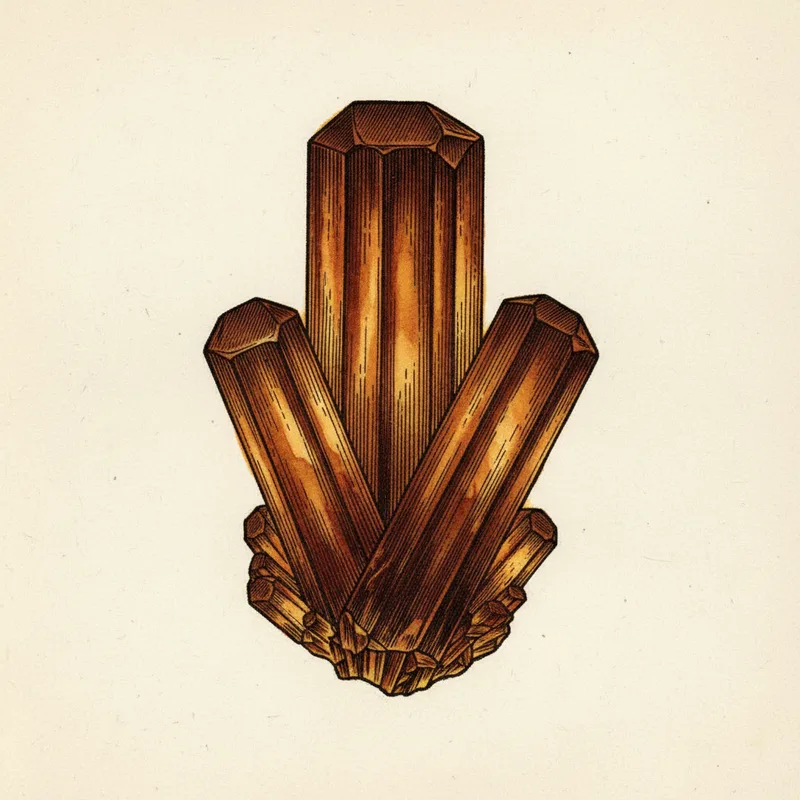
Tourmaline
The Rainbow Stone
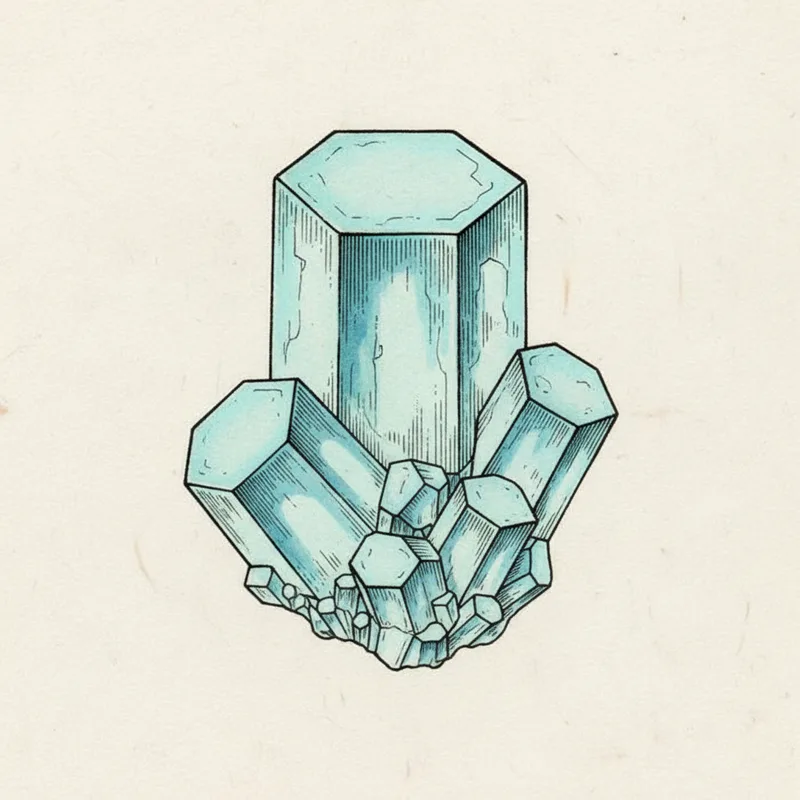
Aquamarine
The Sailor's Gem
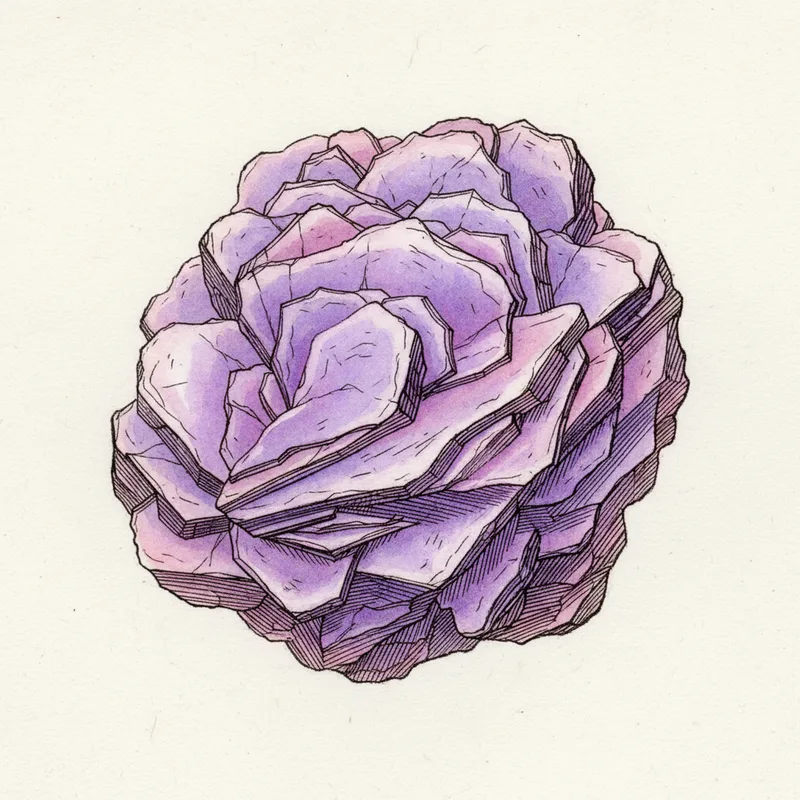
Lepidolite
The Peace Stone
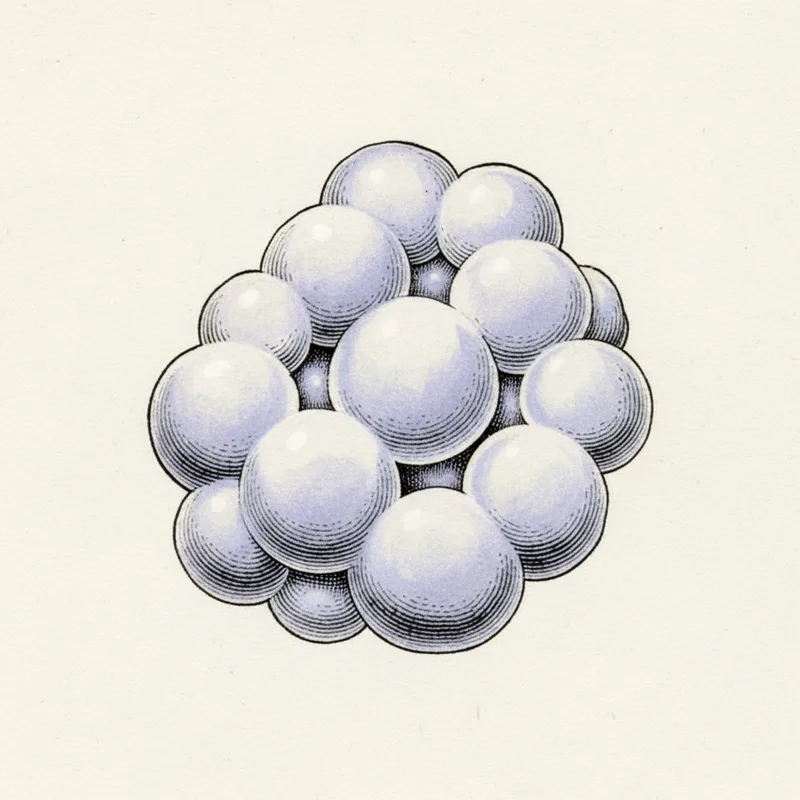
Chalcedony
The Mother of Agates

Satin Spar
The Silken Glow
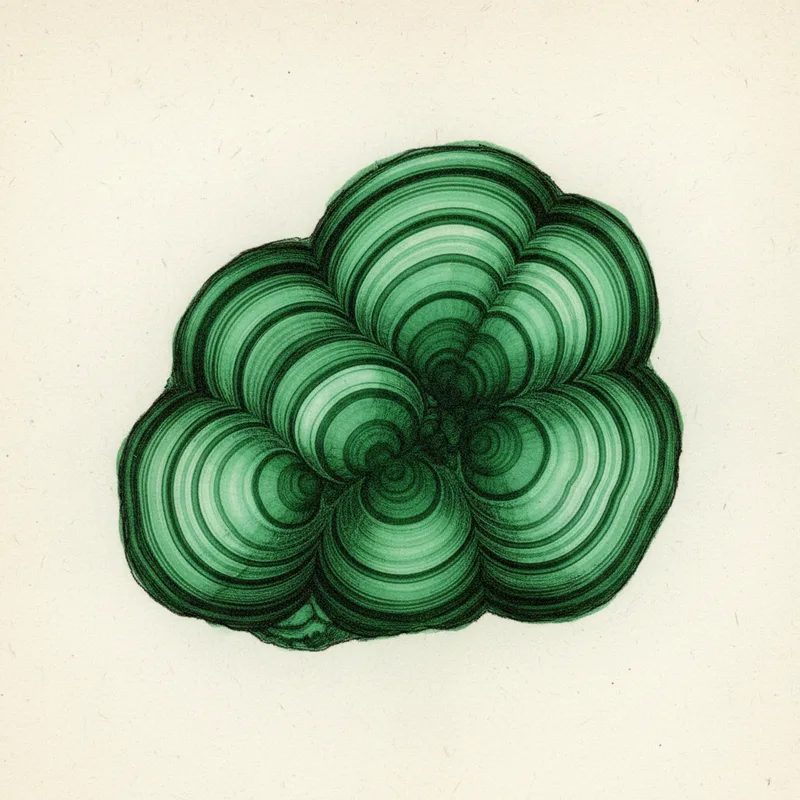
Malachite
The Stone of Transformation
Keep Reading
Stay in the loop
From the Almanac
Updates from Crystal Almanac, when there’s something worth sharing.