Crystal Colors and Their Meanings: A Stone-by-Color Guide
Key Takeaway: Crystal color is determined by chemistry - trace elements, structural defects, and light interactions. Each color group contains dozens of minerals with different properties, prices, and uses. This guide organizes the crystal world by color so you can find exactly what you're looking for.
Crystal color meanings at a glance
| Color | What causes it | Traditional association | Example stones |
|---|---|---|---|
| Purple | Iron plus natural radiation in amethyst, with a different mechanism in each purple mineral | In modern crystal practice: most often listed for the third eye chakra (35 of 61 purple stones in our catalog; crown is next at 31) | Amethyst, fluorite, charoite, sugilite |
| Blue | Copper in azurite and larimar, iron in aquamarine, sulfur-related defects in lapis lazuli and sodalite | In modern crystal practice: most often listed for the throat and third eye chakras (54 of 88 blue stones in our catalog each) | Lapis lazuli, sodalite, aquamarine, azurite |
| Green | Chromium in emerald, copper in malachite, iron in peridot and aventurine | In modern crystal practice: most often listed for the heart chakra (80 of 135 green stones in our catalog) | Malachite, jade, aventurine, emerald |
| Pink | Manganese in rhodonite and rhodochrosite, dumortierite inclusions in rose quartz | In modern crystal practice: most often listed for the heart chakra (56 of 84 pink stones in our catalog) | Rose quartz, rhodonite, rhodochrosite, kunzite |
| Red | Iron oxides in jasper and carnelian, chromium in ruby | In modern crystal practice: most often listed for the root chakra (55 of 118 red stones in our catalog) | Garnet, carnelian, ruby, red jasper |
| Yellow | Iron in the right oxidation state in citrine, iron sulfide in pyrite | In modern crystal practice: most often listed for the solar plexus chakra (80 of 126 yellow stones in our catalog) | Citrine, pyrite, tiger's eye, amber |
| Black | Iron in tourmaline and hematite, carbon in shungite, no crystallization in obsidian | In modern crystal practice: most often listed for the root chakra (55 of 119 black stones in our catalog) | Black tourmaline, obsidian, hematite, jet |
| White | Purity in clear quartz, light scattered by internal structure in moonstone and selenite | In modern crystal practice: most often listed for the crown chakra (80 of 139 white stones in our catalog) | Clear quartz, moonstone, selenite, howlite |
These associations are cultural tradition, not medical advice, and a stone can be listed for more than one chakra, so the counts overlap. For where the chakra system came from, see the history of crystal healing.
Color is usually the first thing that draws someone to a crystal. Before you know the name, the chemistry, or the formation story, you see the color and feel something. This guide organizes the crystal world the way most people actually explore it - by what catches your eye.
For each color, we cover the best-known crystals, what causes the color scientifically, and the traditional/cultural associations. Whether you're shopping for a specific shade, trying to identify a stone, or just curious about what's out there, start with color and go deeper from there.
Purple and Violet Crystals
Purple is the color most associated with crystals in popular culture, and for good reason - some of the most spectacular specimens on Earth are purple. Our full list of purple minerals and crystals includes a table for telling the common ones apart.
Top purple crystals: Amethyst (the classic), fluorite (often multicolored), charoite (swirled purple, only found in Russia), sugilite (deep violet, rare), lepidolite (lilac mica, contains lithium), and purpurite (manganese phosphate, deep plum).
What makes crystals purple: In amethyst, iron impurities combined with natural radiation create the purple. In fluorite, it's structural defects in the crystal lattice. In charoite, it's the mineral's inherent chemistry. Each mineral gets its purple from a different mechanism.
Cultural associations: Purple crystals have been linked to spirituality, royalty, and mental clarity across cultures for thousands of years. The word amethyst comes from the Greek for "not drunk" - they believed it prevented intoxication.
Best for beginners: Amethyst. Abundant, affordable, and available in everything from small tumbled stones to spectacular geode displays.
Blue Crystals
Blue minerals are rarer than you might think. Pure blue crystals require specific chemical conditions that don't occur frequently in nature, which is why many blue "crystals" on the market are dyed. Our blue crystals page lists every one in the catalog.
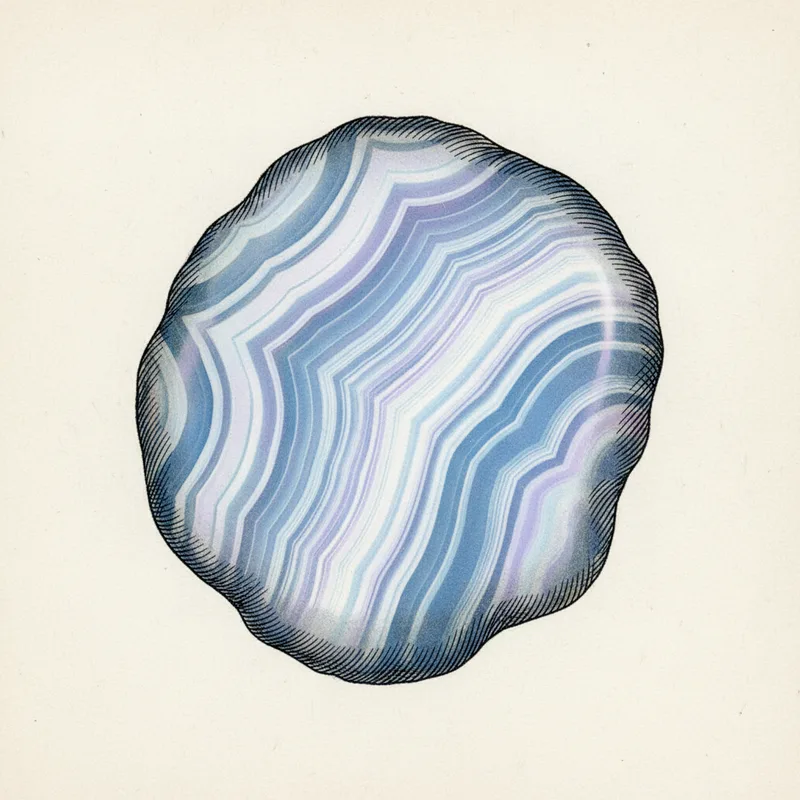
Top blue crystals: Lapis lazuli (deep blue rock with golden pyrite), sodalite (royal blue with white veining), aquamarine (transparent sea blue), blue lace agate (delicate banded pale blue), kyanite (blade-shaped, distinctive blue), larimar (Caribbean blue, found only in the Dominican Republic), and azurite (intense deep blue copper mineral).
What makes crystals blue: Copper produces blue in azurite and larimar. Iron creates blue in aquamarine. Sulfur-related defects create blue in lapis lazuli and sodalite. The mechanisms are varied - blue is not a single chemical story.
Watch out for: Dyed howlite, dyed agate, and "blue obsidian" (usually glass). If a blue stone is extremely vivid and cheap, verify it's natural.
Cultural associations: In modern crystal practice, blue stones are most often listed for the throat and third eye chakras (54 of 88 blue stones in our catalog each). That is tradition, not geology.
Best for beginners: Sodalite. Beautiful, affordable, and its white calcite veining makes it easy to identify.
Green Crystals
Green is the most common color in the mineral world because iron - the most abundant transition metal in Earth's crust - produces green in many chemical environments. Our green crystals and minerals page lists every one in the catalog.
Top green crystals: Malachite (banded green copper mineral), jade (both jadeite and nephrite), aventurine (sparkly green quartz), emerald (the famous beryl variety), chrysocolla (blue-green copper silicate), peridot (olivine gem, yellowish-green), moldavite (green glass from a meteor impact), and green fluorite.
What makes crystals green: Chromium creates green in emerald and some garnets. Copper produces green in malachite and chrysocolla. Iron makes green in peridot and aventurine. Nickel makes green in chrysoprase.
Cultural associations: Green is universally linked to growth, nature, and renewal. In Chinese culture, jade has been revered for over 8,000 years as a symbol of virtue and immortality.
Best for beginners: Green aventurine. Affordable, durable, widely available, and the sparkly aventurescence makes it immediately appealing.
Pink and Rose Crystals
Pink crystals are perennial favorites, driven partly by the enormous popularity of rose quartz in the wellness market. See all pink minerals and crystals we cover.
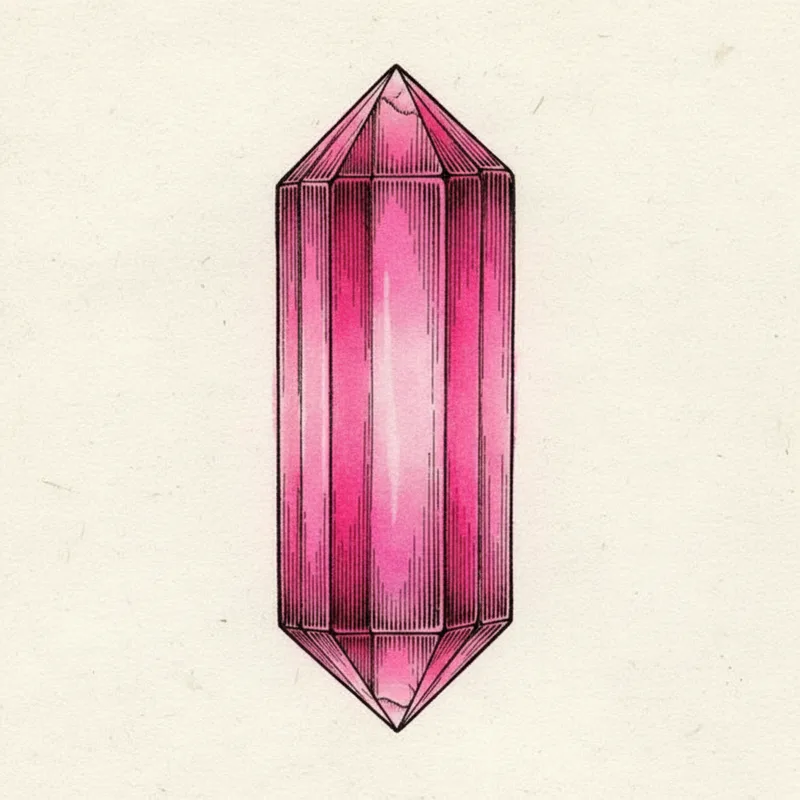
Top pink crystals: Rose quartz (the classic, soft pink), rhodonite (pink with black veining), rhodochrosite (banded pink and white), pink tourmaline/rubellite (vivid saturated pink), kunzite (pale lilac-pink), morganite (pink beryl, emerald's cousin), and thulite (pink zoisite).
What makes crystals pink: Manganese produces pink in rhodonite and rhodochrosite. Microscopic dumortierite inclusions create pink in rose quartz. Lithium and manganese create pink in tourmaline and kunzite.
Cultural associations: In modern crystal practice, pink stones are most often listed for the heart chakra (56 of 84 pink stones in our catalog). That is tradition, not geology.
How to tell them apart: Rose quartz is translucent with no veining. Rhodonite is opaque with black manganese veins. Rhodochrosite shows concentric pink and white banding. These three are the most commonly confused pink stones.
Best for beginners: Rose quartz. Inexpensive, abundant, and instantly recognizable.
Red Crystals
True red crystals are rarer than pink, and many of the most famous red gemstones are quite valuable. Our red and orange crystals page lists every one in the catalog.
Top red crystals: Garnet (the most accessible red crystal), carnelian (translucent orange-red chalcedony), ruby (corundum, extremely valuable), red jasper (opaque, earthy red), cinnabar (mercury sulfide - toxic, handle carefully), and red tourmaline/rubellite.
What makes crystals red: Iron oxides create red in jasper and carnelian. Chromium produces red in ruby. Iron creates red in almandine garnet. Mercury creates the vivid red of cinnabar.
Cultural associations: In modern crystal practice, red stones are most often listed for the root chakra (55 of 118 red stones in our catalog). That is tradition, not geology.
Watch out for: Dyed quartz, glass, and synthetic ruby are common in the cheap jewelry market. Natural ruby is expensive - if it's cheap and vivid red, it's probably glass, garnet, or synthetic.
Best for beginners: Garnet (almandine variety). Affordable, abundant, and available as well-formed crystals embedded in matrix rock.
Yellow and Gold Crystals
Yellow minerals are often colored by iron in various oxidation states, and the line between yellow, gold, and orange can be blurry. Our yellow crystals and minerals page adds a table for telling citrine, amber, tiger's eye, pyrite, and heliodor apart.
Top yellow crystals: Citrine (yellow quartz - but most is heat-treated amethyst), pyrite (metallic gold sulfide), tiger's eye (golden chatoyant quartz), yellow fluorite, amber (fossilized tree resin, not technically a mineral), sulfur (bright yellow element), and golden labradorite.
What makes crystals yellow: Iron in the right oxidation state produces yellow in citrine. Iron sulfide creates pyrite's gold color. Iron oxide staining creates tiger's eye's golden brown.
Cultural associations: In modern crystal practice, yellow stones are most often listed for the solar plexus chakra (80 of 126 yellow stones in our catalog). That is tradition, not geology.
The citrine warning: Most "citrine" on the market is heat-treated amethyst. Natural citrine is pale champagne to soft gold. If it's deep burnt orange, it's baked amethyst. Both are real quartz, but the price and rarity are different.
Best for beginners: Pyrite. Unmistakable, affordable, and the perfect cubes from Spain are genuinely awe-inspiring.
Black Crystals
Black minerals absorb all wavelengths of light, usually due to high concentrations of iron, manganese, or carbon. The black minerals and crystals page has a table that separates the look-alikes by streak, luster, and density.
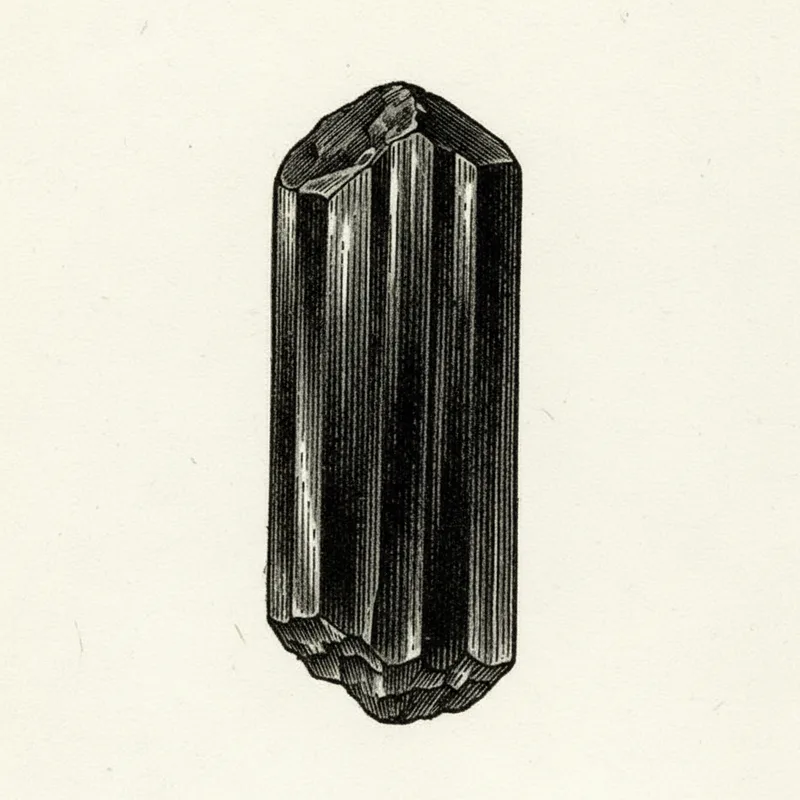
Top black crystals: Obsidian (volcanic glass), black tourmaline/schorl (the most common tourmaline variety), onyx (black chalcedony), hematite (iron oxide with metallic luster), shungite (carbon-rich rock from Russia), and jet (fossilized wood, very lightweight).
What makes crystals black: High iron content creates black in tourmaline and hematite. Carbon creates black in shungite. The absence of crystallization creates the deep black of obsidian.
Cultural associations: In modern crystal practice, black stones are most often listed for the root chakra (55 of 119 black stones in our catalog). That is tradition, not geology.
How to tell them apart: Obsidian is glassy with sharp edges. Black tourmaline has a matte, striated surface. Hematite is metallic and heavy. Jet is surprisingly lightweight. Onyx has a waxy luster.
Best for beginners: Black tourmaline. Abundant, affordable, and the striated crystal faces are satisfying to examine.
White and Clear Crystals
White and clear minerals are either pure (containing no color-causing impurities) or owe their whiteness to internal fractures, inclusions, or microstructure that scatter light. The white minerals and crystals page tabulates hardness, streak, and density for the common ones.
Top white/clear crystals: Clear quartz, moonstone (with its floating blue-white sheen), selenite (soft, translucent, glowing), howlite (white with gray veining - often dyed to imitate other stones), milky quartz, and white calcite.
What makes crystals white: Clear quartz is pure SiO₂ with no impurities. Moonstone's white glow comes from internal layered structure scattering light. Selenite is naturally colorless hydrated calcium sulfate.
Cultural associations: In modern crystal practice, white and clear stones are most often listed for the crown chakra (80 of 139 white stones in our catalog). That is tradition, not geology.
Best for beginners: Selenite. Inexpensive, visually striking, and the softness (you can scratch it with a fingernail) teaches you about the Mohs scale in a memorable way.
Multicolored and Iridescent Crystals
Some of the most spectacular crystals show multiple colors or optical effects that shift with viewing angle.
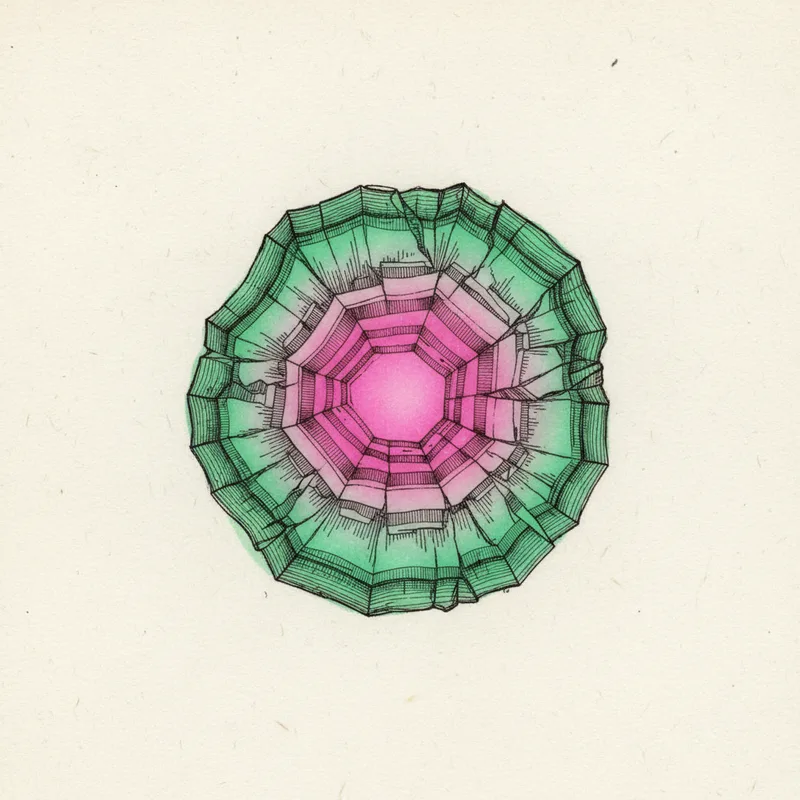
Top multicolored crystals: Labradorite (iridescent flash), opal (play-of-color), watermelon tourmaline (pink center, green exterior), fluorite (often banded in multiple colors), bismuth (lab-grown rainbow crystals), and titanium-coated quartz (artificially iridescent - pretty but treated).
What creates the effects: Labradorescence comes from internal layering. Opal's play-of-color comes from silica sphere diffraction. Watermelon tourmaline's colors come from changing chemistry during crystal growth.
Best for beginners: Labradorite. The moment you catch the flash of blue, you're hooked.
A Note on Crystal Color and Treatments
The crystal market involves a significant amount of color treatment - dyeing, heating, irradiating, and coating. This isn't inherently dishonest (heat treatment of gemstones has been practiced for centuries), but it should always be disclosed.
Rules of thumb: if a color looks unusually vivid or uniform, ask if it's natural. If dye pools in the cracks, it's dyed. If the price seems too low for the stated stone, something is off. And remember that some treated stones are beautiful in their own right - the issue is transparency about what you're buying, not whether treatment is inherently bad. For a worked example, see the mineralogy behind red, white, and blue crystals, where the white slot is almost always dyed or undyed howlite. The orange sparkly "sunstone" in market bins is another common swap for glass; see how to spot fake sunstone.
FAQ
Which color crystal is the rarest? Red and blue tend to be the rarest in nature. True red crystals (beyond iron-stained materials) are uncommon, and pure blue requires specific chemistry that doesn't form often. This is why rubies, sapphires, and Paraiba tourmalines command the highest prices.
Does crystal color affect its properties? Scientifically, color indicates chemical composition - which determines hardness, durability, and other physical properties. In crystal healing traditions, different colors are associated with different chakras and intentions. Both perspectives are valid in their own context.
Why does my crystal look different in different lighting? Two different effects get mixed up here. Pleochroism means a stone shows different colors when you look at it from different directions, even under the same light. Tanzanite and iolite are strongly pleochroic (tanzanite flashes blue, violet, and burgundy as you turn it), and tourmaline shows it too. The color change of alexandrite is a separate effect that depends on the light source, not the viewing angle: it looks green in daylight and red in incandescent light because of how its chromium absorbs light. Most other stones simply look warmer under a yellow bulb and cooler in daylight, because each light source contains a different mix of wavelengths.
Can crystals lose their color over time? Some can. Amethyst can fade with prolonged exposure to direct sunlight. Rose quartz can lighten. Smoky quartz can lose color. Fluorite is relatively stable. Store light-sensitive crystals away from direct sun if you want to preserve their color.
Metaphysical and “healing” associations mentioned here are cultural traditions, not medical advice or scientific fact. Crystals are not a substitute for professional medical care. Full disclaimer.
Crystals in This Article
Watermelon Tourmaline
The Dual Heart Stone
Black Tourmaline
The Shield Stone

Almandine Garnet
The Warrior's Stone
Blue Lace Agate
The Communication Stone
Pink Tourmaline
The Manganese Elbaite
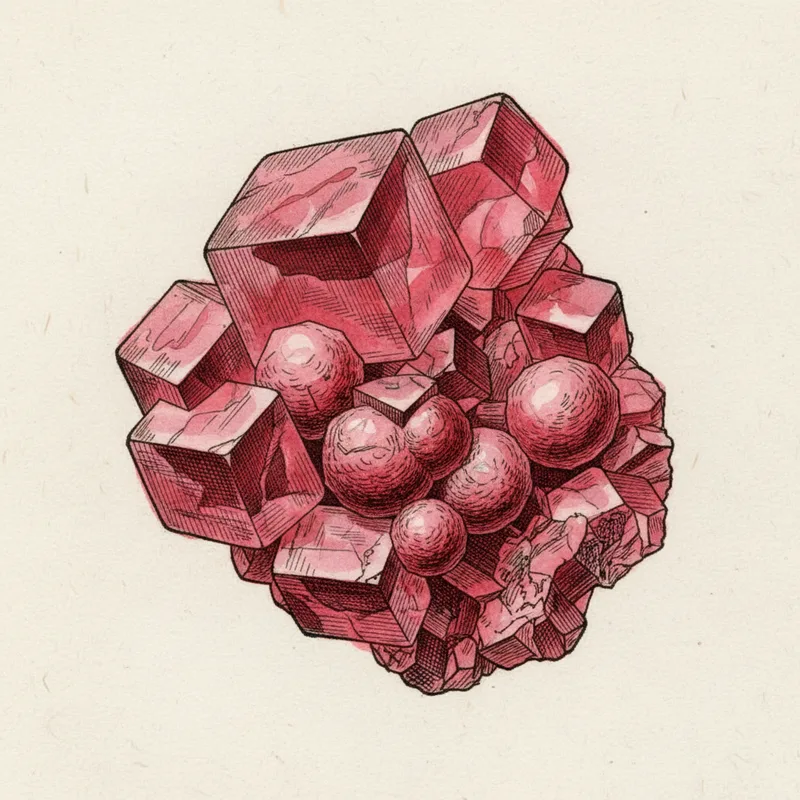
Rhodochrosite
The Rose of the Incas

Blue Obsidian
The Rarest Volcanic Glass
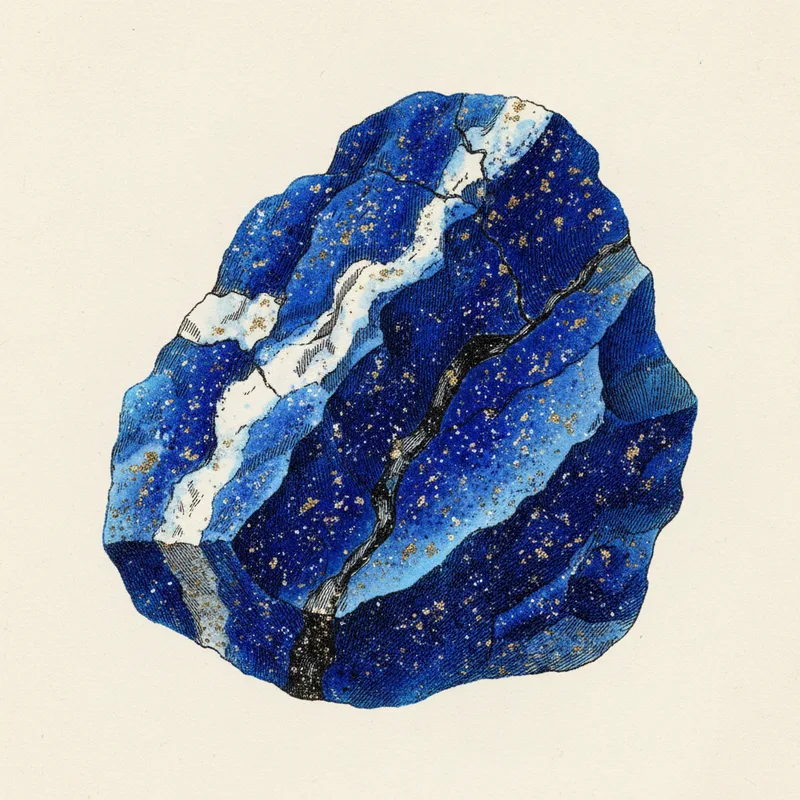
Lapis Lazuli
The Stone of the Heavens
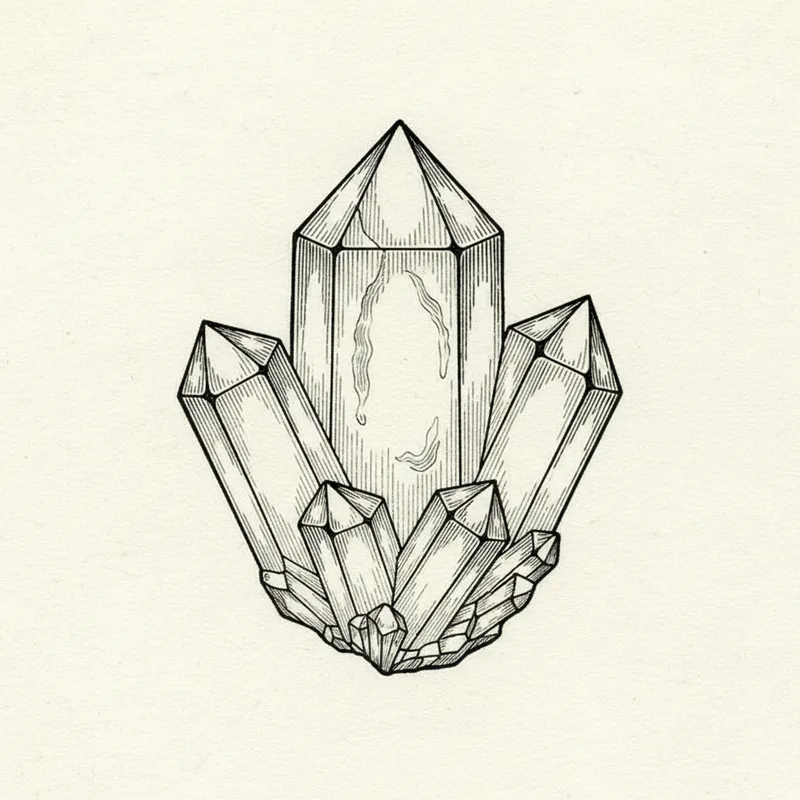
Clear Quartz
The Master Healer
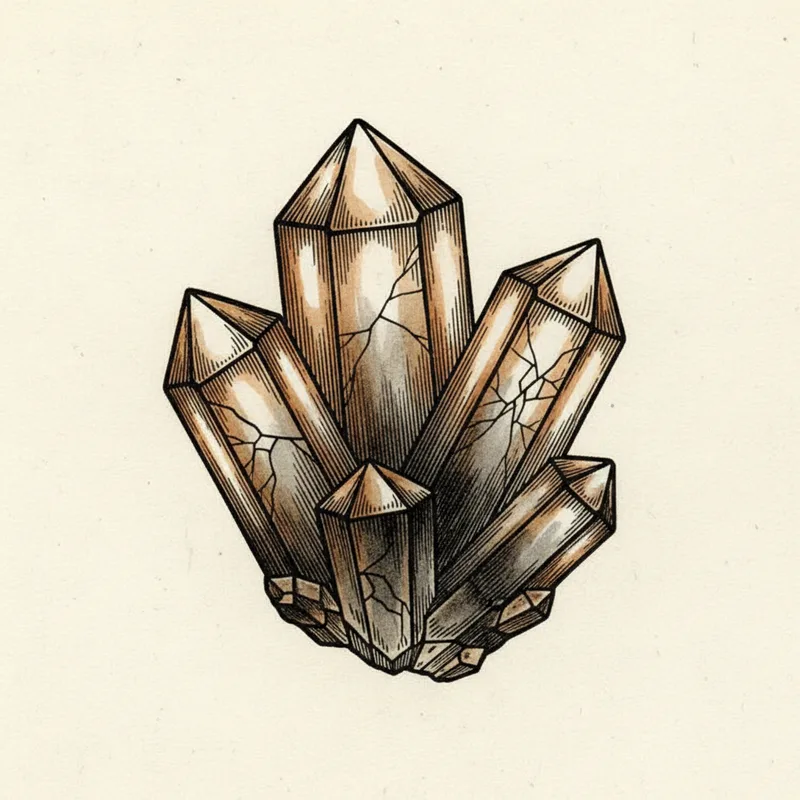
Smoky Quartz
The Grounding Stone
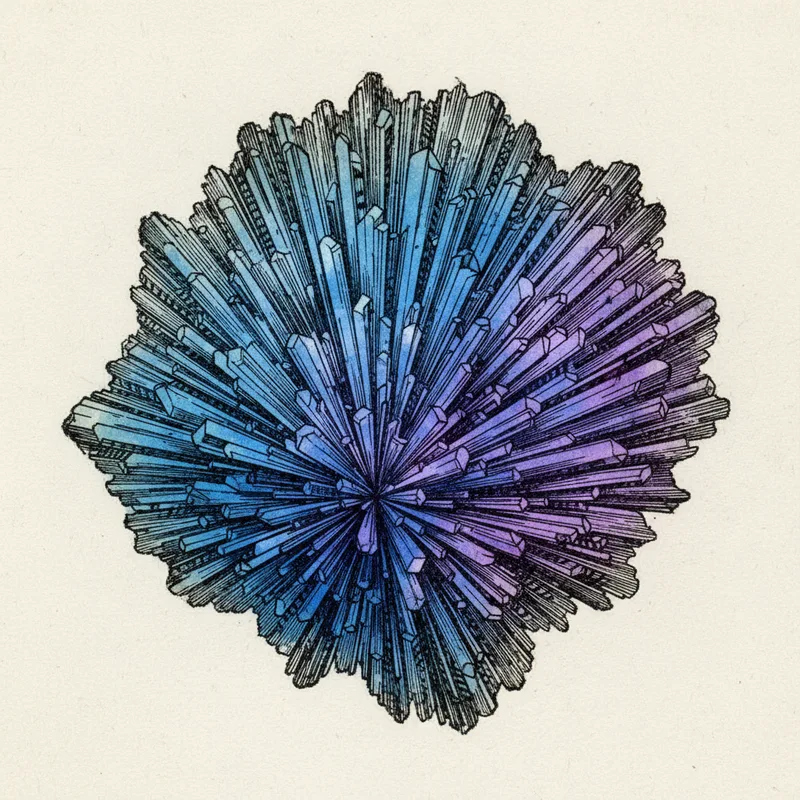
Dumortierite
The Patience Stone
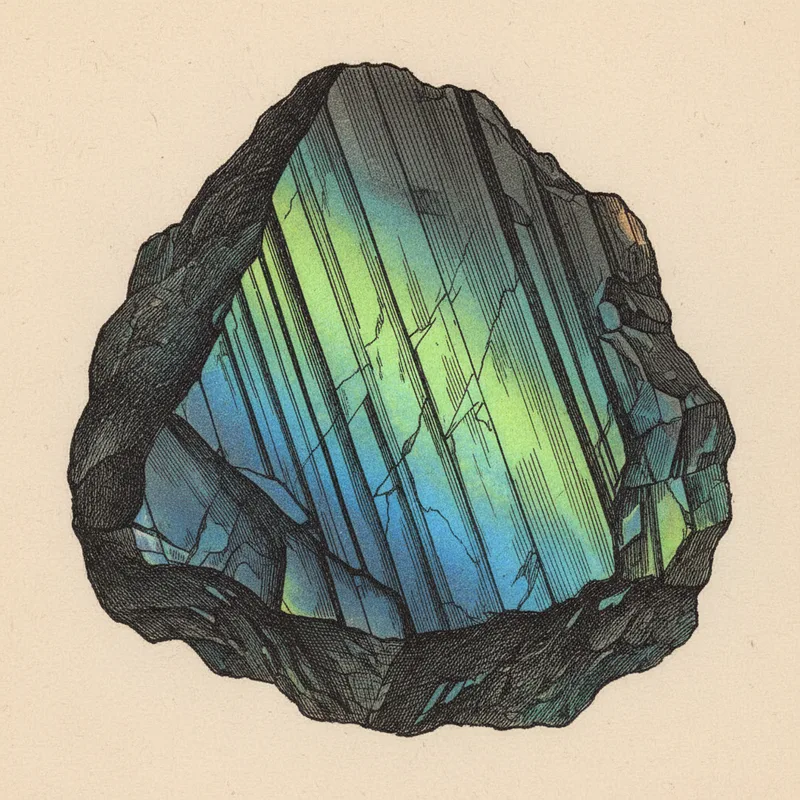
Labradorite
The Stone of Transformation
Keep Reading
Newsletter
Something shiny, now and then
A stone worth knowing, or a fake worth spotting, every so often. No spam.