Ranked Index
The 20 Most-Faked Crystals, Ranked
A practical reference for the crystals most commonly faked, dyed, or misrepresented on Etsy, eBay, TikTok shops, and tourist stalls in 2026. Each entry includes the single most useful at-home test - the one that catches the most fakes in the least time.
How this list is ranked: By a combination of (1) prevalence of fakes in the actual crystal market, (2) search volume for "is my [X] real," and (3) the financial stakes when a buyer is taken. The top 10 link to the deep-dive on /fakes; stones 11-20 link to the fake-spotting section of their profile.
- 1Extreme
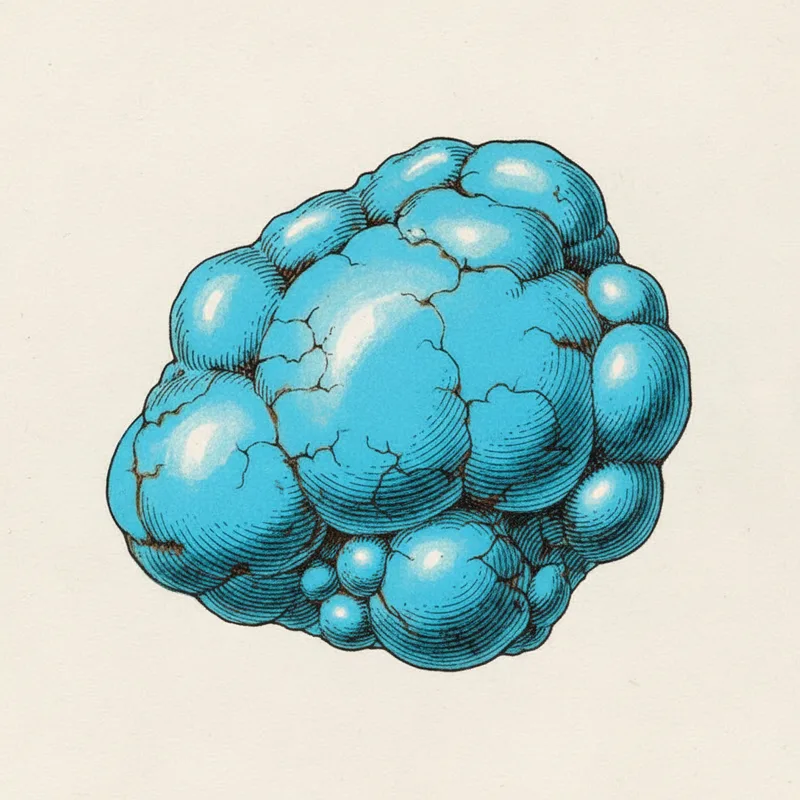
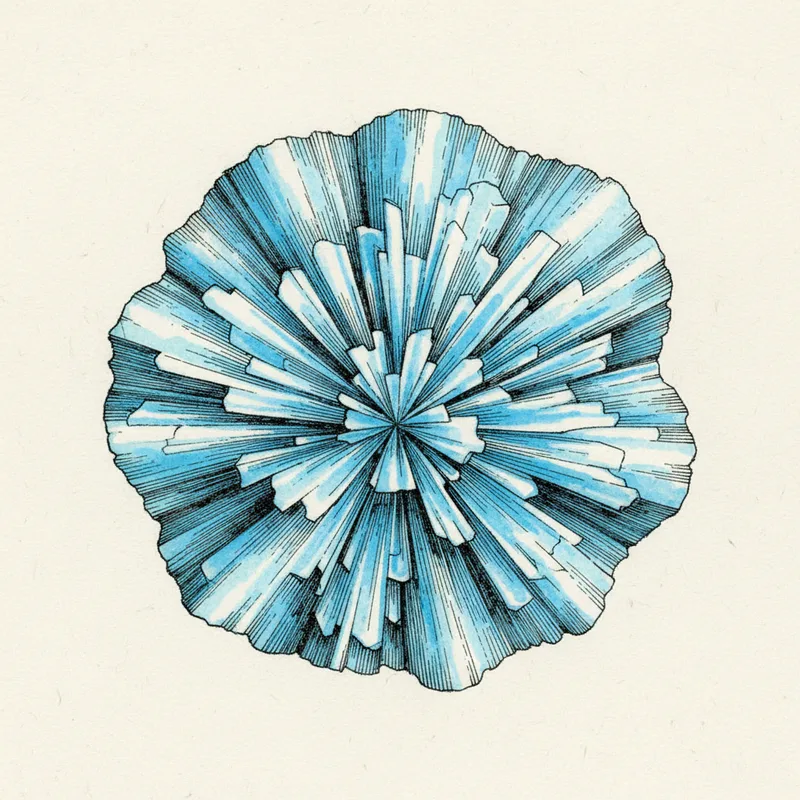
Turquoise
Mohs 6 · Phosphate GroupFake typeDyed howlite, magnesite, or reconstituted powder
An estimated 90% of turquoise on the market is not natural turquoise. Howlite and magnesite take blue dye perfectly and cost cents per pound.
One-test tell
Acetone on a cotton swab. Dye lifts off dyed howlite onto the swab. Real (and stabilized) turquoise leaves the swab clean.
- 2Extreme
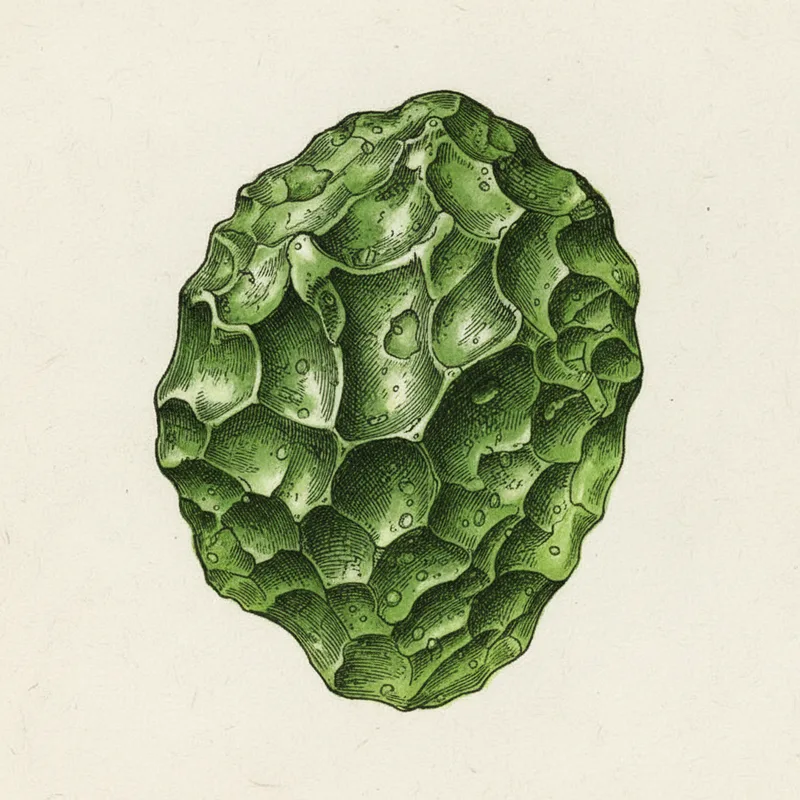
Moldavite
Mohs 5.5 · Tektite (Impact Glass)Fake typeMolded green bottle glass
TikTok demand spiked prices 10x post-2020. The only natural source is a 15-million-year-old impact field in the Czech Republic. Because supply is fixed and demand is not, mass-produced green glass is now common in online marketplace listings.
One-test tell
Under 10x magnification, real moldavite shows elongated, torpedo-shaped bubbles. Fake glass shows perfectly round bubbles.
- 3Extreme
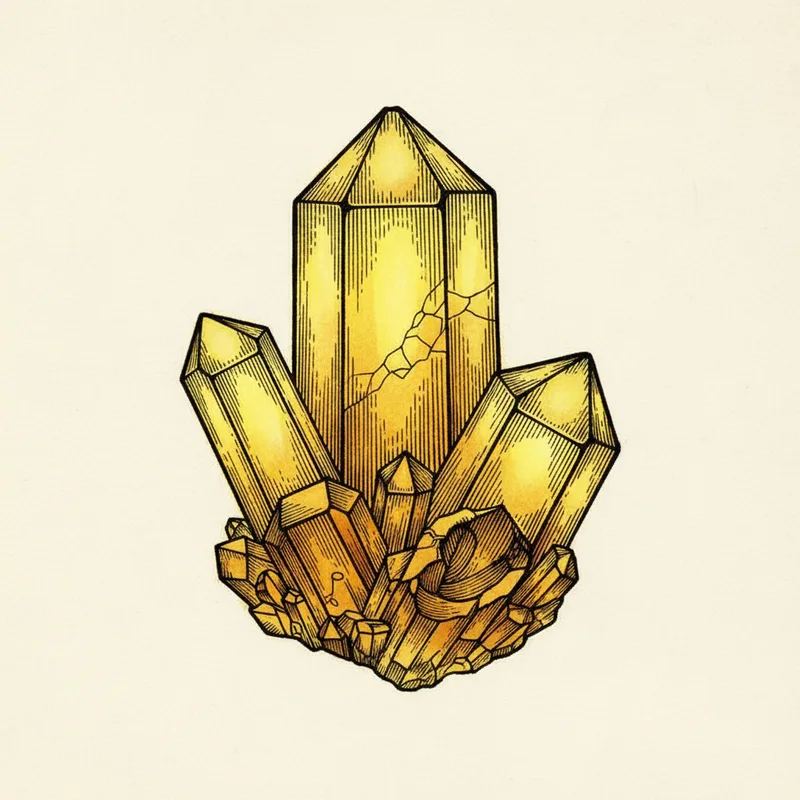
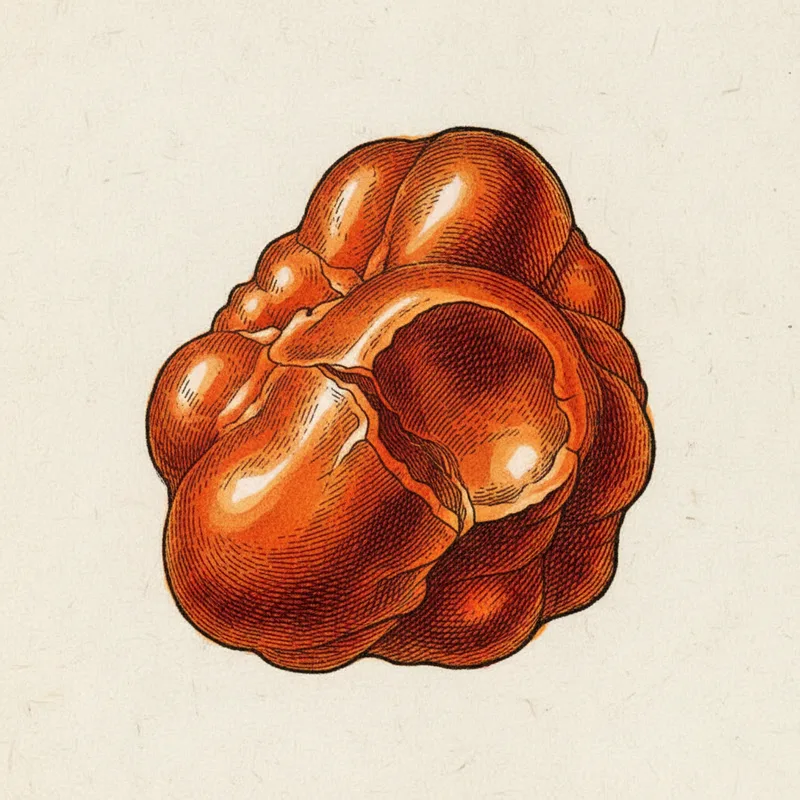
Citrine
Mohs 7 · Quartz FamilyFake typeHeat-treated amethyst sold as natural citrine
Natural citrine is rare and pale yellow. The deep-orange clusters sold everywhere are baked amethyst from Brazil. Not toxic, not dangerous, but rarely disclosed.
One-test tell
Heat-treated amethyst has a white opaque base with burnt-orange tips. Natural citrine is evenly colored pale smoky yellow throughout.
- 4High
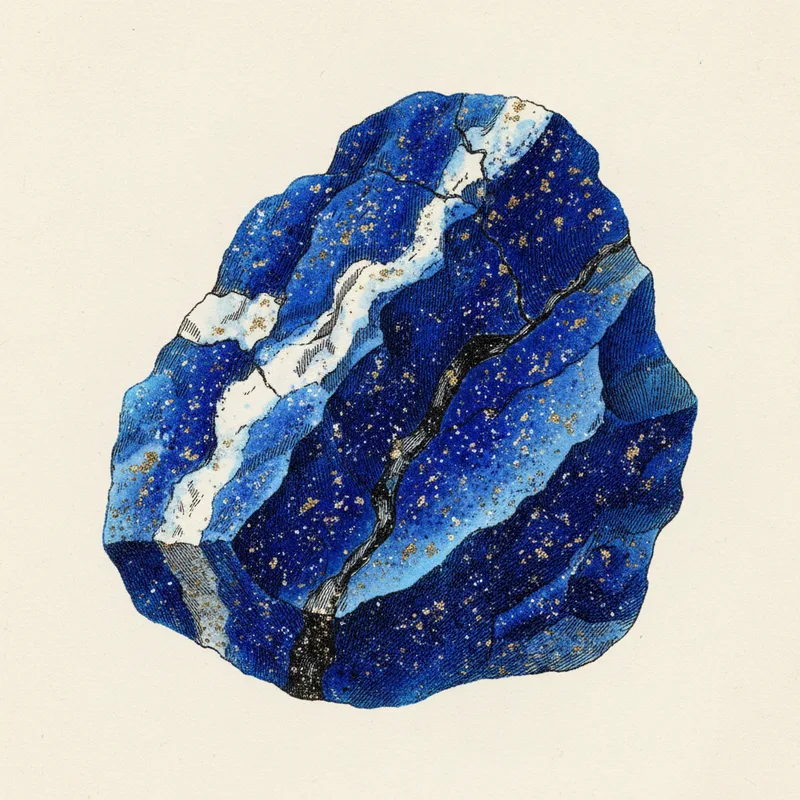
Lapis Lazuli
Mohs 5.5 · Rock (Lazurite-based)Fake typeDyed howlite, dyed jasper, or reconstituted
Real Afghan lapis with golden pyrite flecks costs $20-100+ per polished piece. Dyed substitutes sell for a dollar.
One-test tell
Real lapis has irregular natural pyrite specks and white calcite veins. Dyed substitutes show dye pooled in cracks and a uniform white substrate under chips.
- 5High
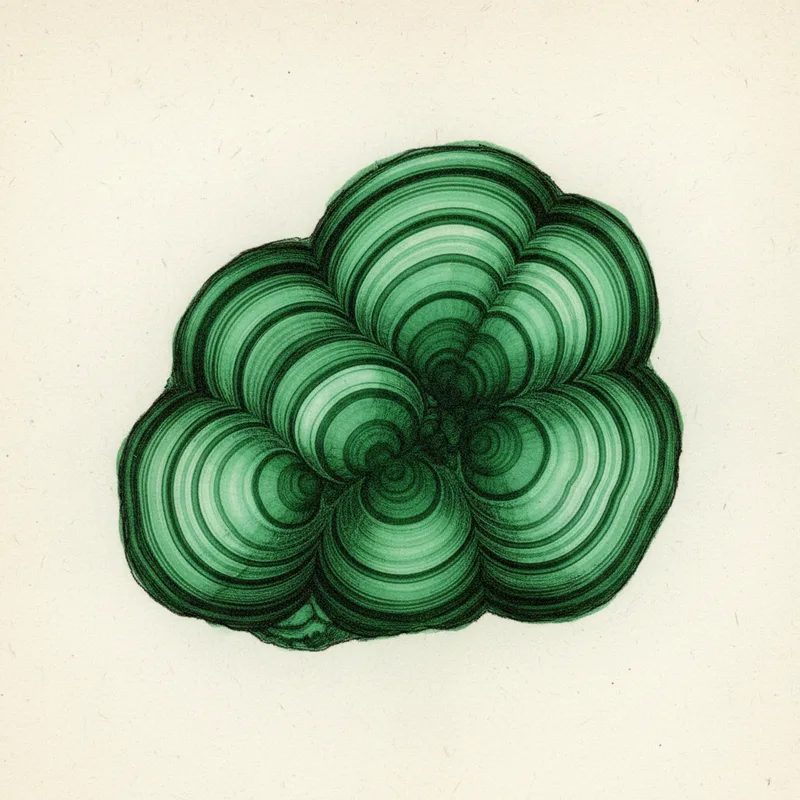
Malachite
Mohs 3.5 · Carbonate GroupFake typeReconstituted powder in resin, or pure plastic
Real malachite's concentric banding is hard to fake perfectly. Cheap composites press ground malachite into resin and call it real.
One-test tell
Real malachite is heavy (specific gravity ~3.9) and cold to the touch. Plastic feels warm and unexpectedly light. A drop of dilute HCl fizzes on real malachite.
- 6High
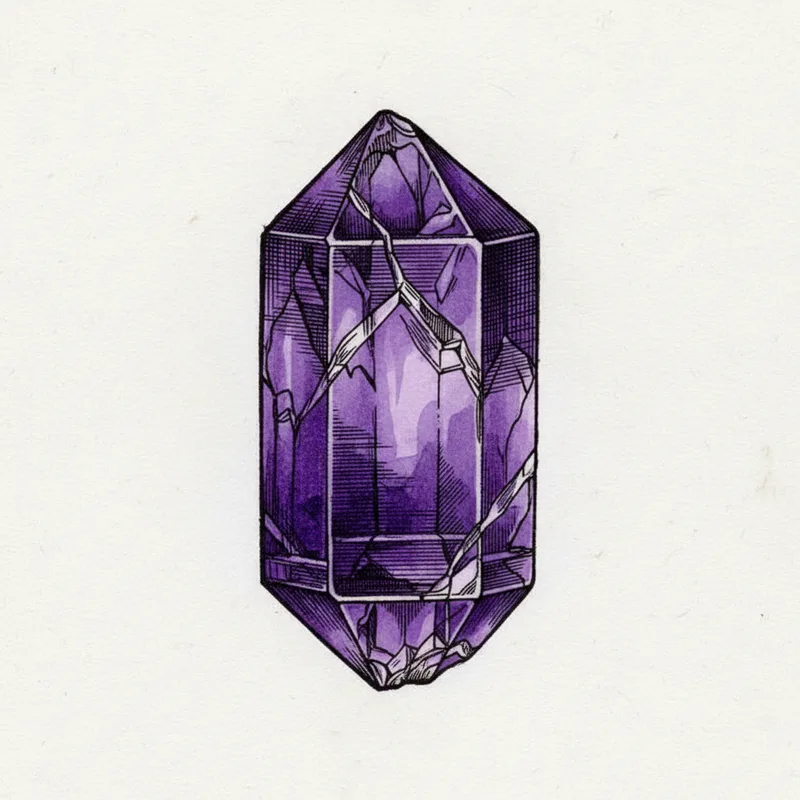
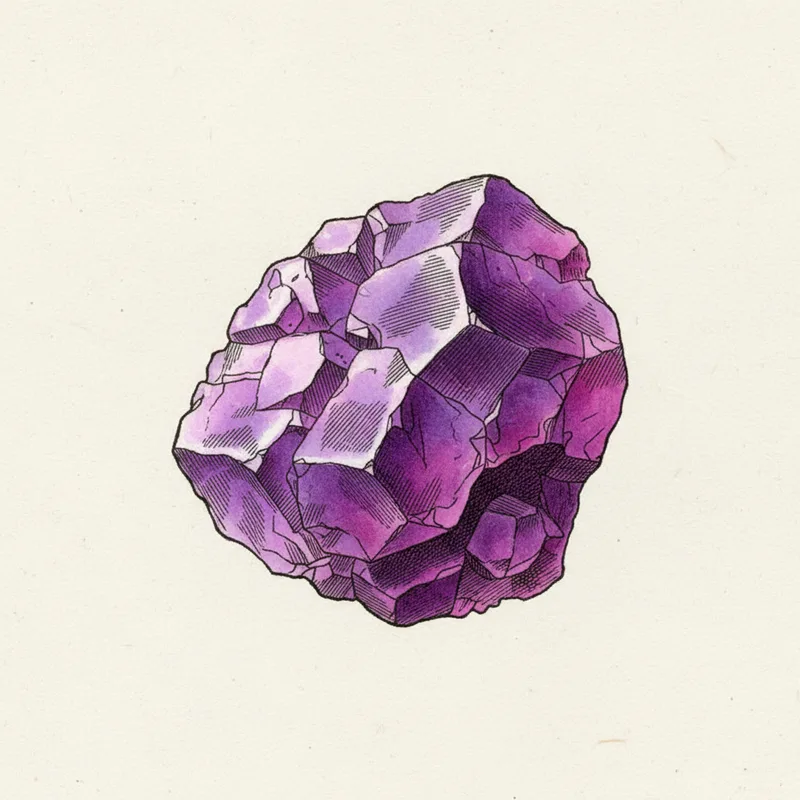
Amethyst
Mohs 7 · Quartz FamilyFake typeGlass, dyed quartz, or hydrothermally grown synthetic
The most popular crystal in the world. Cheap glass imitations are everywhere; lab-grown synthetic amethyst is harder to distinguish without instruments.
One-test tell
Under 10x magnification, real amethyst has crystalline inclusions and no perfectly round bubbles. Round bubbles mean glass.
- 7High
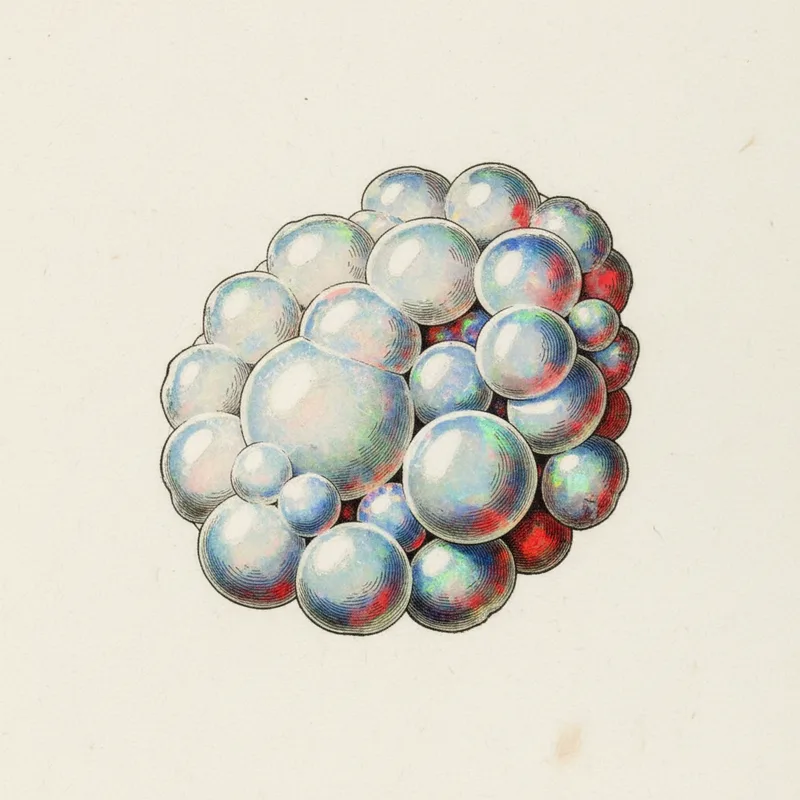
Opal
Mohs 5.5 · Mineraloid (Hydrated Silica)Fake typeDoublets, triplets, and Slocum stone glass imitations
Genuine play-of-color opal costs $50-50,000+ per carat. Composites (real opal slice glued to dark backing) and Slocum stone (glass with foil inclusions) flood the low end.
One-test tell
Examine the side profile for layered glue lines. Real solid opal is uniform front-to-back; doublets show a flat seam.
- 8High
Jade
Mohs 6.5 · Two Minerals: Jadeite and NephriteFake typeDyed quartzite, glass, or B/C-grade treated jadeite
Jade has been the most valuable mineral in Chinese culture for 5,000 years. Real imperial jadeite reaches millions per piece; counterfeits are routine.
One-test tell
Real jade rings with a clear bell-like tone when struck against another piece. Dyed quartzite and glass sound dull and short.
- 9High
Larimar
Mohs 5 · Pectolite varietyFake typeDyed quartz, blue glass, or resin
The only natural source is one mine in the Dominican Republic. The sky-blue color with white veining is easy to imitate with dye.
One-test tell
Real larimar fluoresces dull green under shortwave UV. Dyed quartz and glass do not. Real larimar is also cold to the touch and feels denser than glass.
- 10Moderate
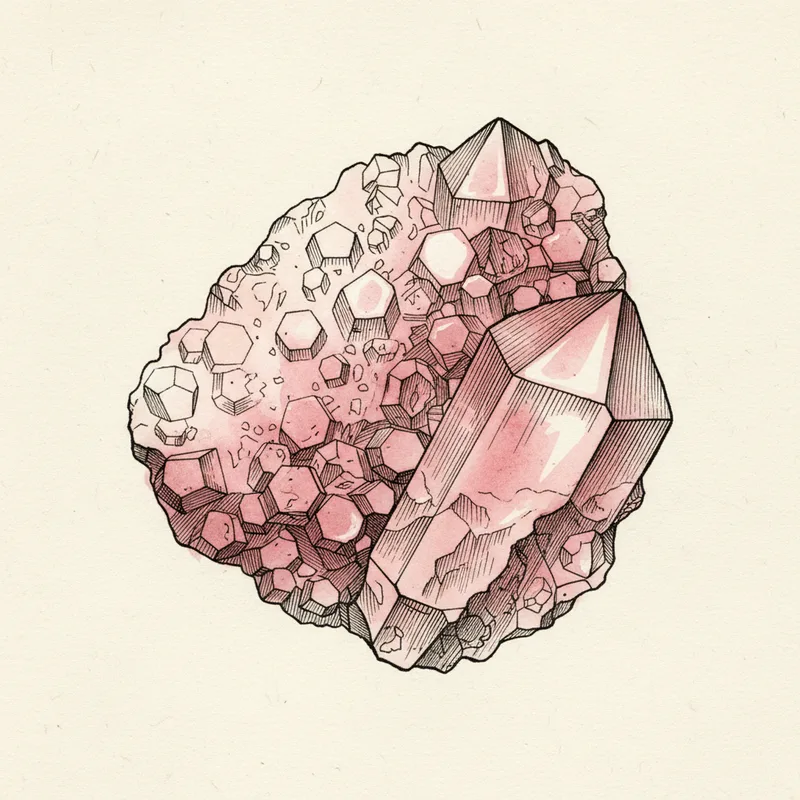
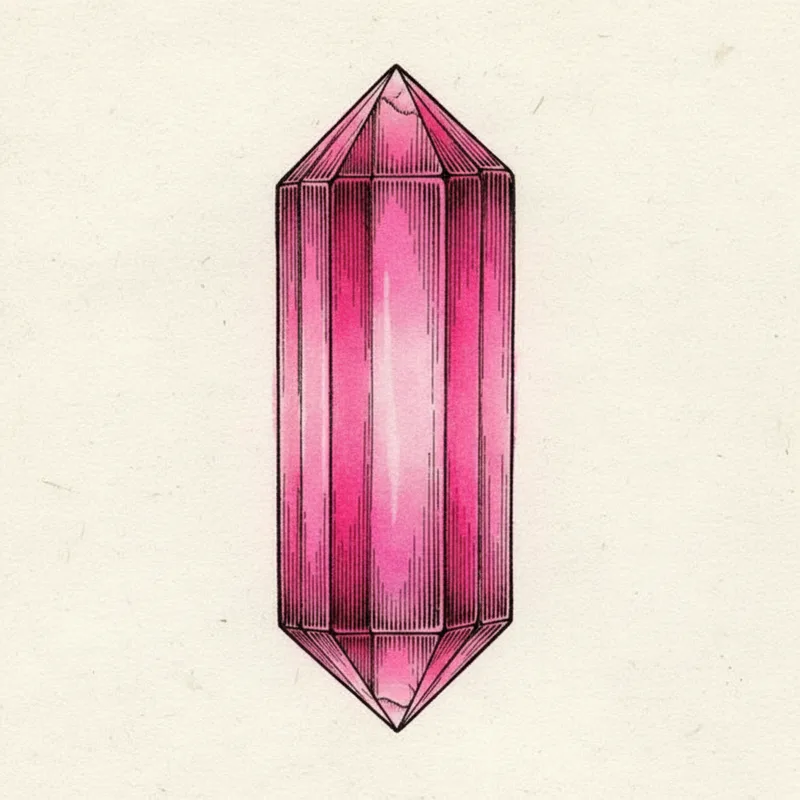
Rose Quartz
Mohs 7 · Quartz FamilyFake typeDyed clear quartz or pink glass
Cheap and popular. Dyed clear quartz looks brighter and more uniform than real rose quartz, which fools buyers expecting saturated color.
One-test tell
Real rose quartz has a slightly hazy, milky quality. Dyed quartz looks artificially clear and bright. Examine the bottom for dye pooling.
- 11Extreme
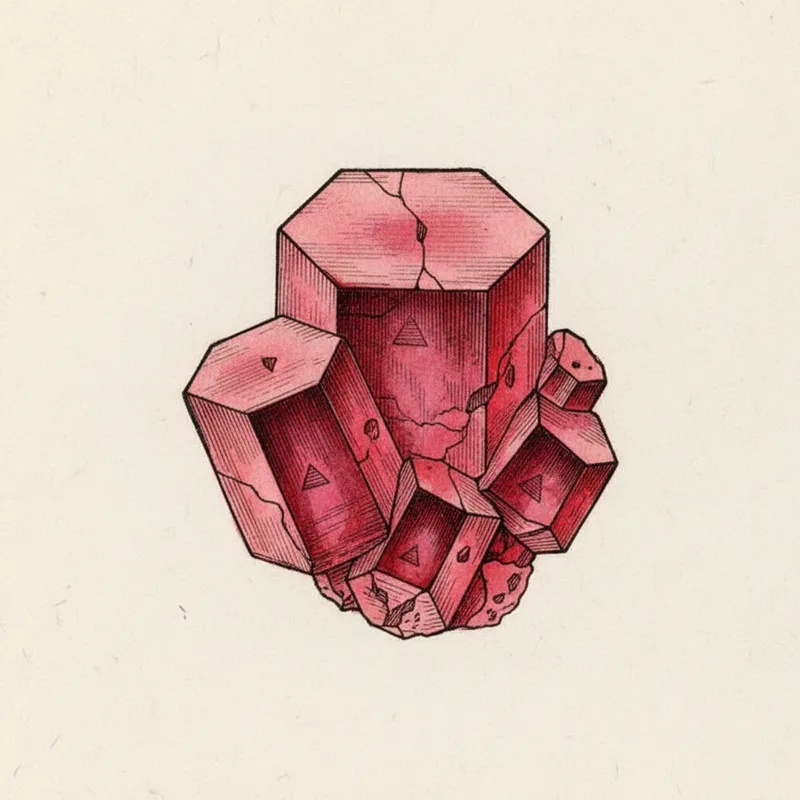
Ruby
Mohs 9 · Corundum FamilyFake typeSynthetic Verneuil corundum or lead-glass-filled composite
Natural untreated ruby is one of the rarest gems. Flame-fusion synthetics are chemically identical and cost 1% of natural. Lead-glass-filled rubies are sold as natural and disintegrate over time.
One-test tell
Synthetic rubies often show curved growth lines under magnification; natural ruby shows angular crystal inclusions and silk. A jeweler's loupe finds this in under a minute.
- 12High
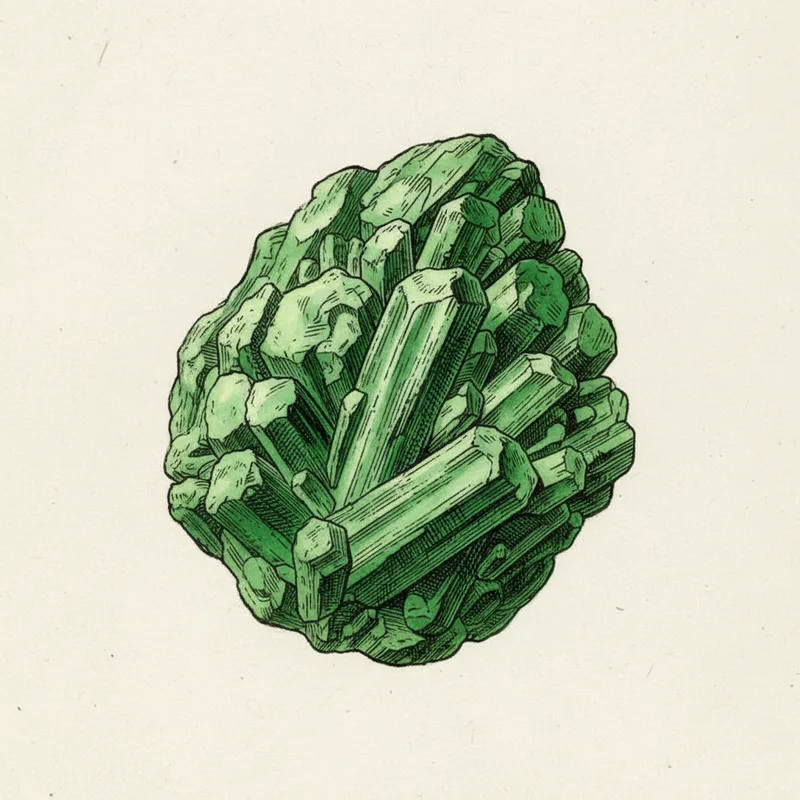
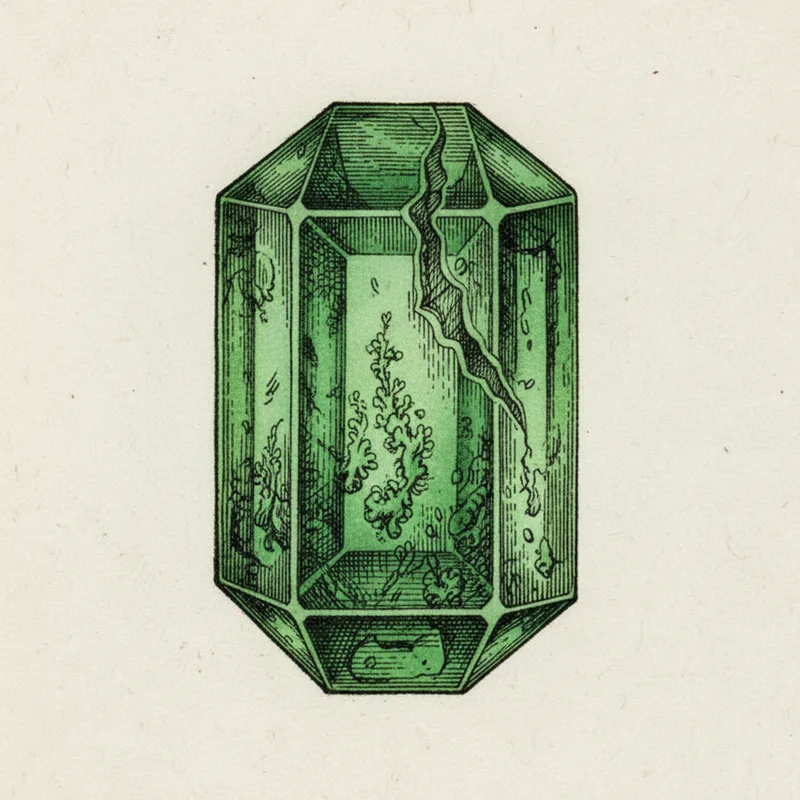
Emerald
Mohs 7.5 · Beryl FamilyFake typeSynthetic hydrothermal beryl or oil-filled cracks
Virtually all emeralds on the market are cedar-oil filled to hide cracks. Undisclosed oil treatment makes a flawed stone look gem-grade. Synthetic emeralds are also widespread.
One-test tell
Under 10x magnification, natural emerald shows characteristic 'jardin' (garden) of internal inclusions. Synthetic and glass-filled emeralds look unnaturally clean or show flat filling planes.
- 13High
Sapphire
Mohs 9 · Corundum FamilyFake typeSynthetic Verneuil corundum and heat-treated geuda
Same problem as ruby: chemically identical synthetics are indistinguishable to the naked eye and cost a fraction. Beryllium-diffusion-treated sapphires are also routinely sold as natural.
One-test tell
Curved striae visible under magnification indicate synthetic origin. Natural sapphires show angular zoning and silk inclusions. Provenance documentation matters for any stone over a carat.
- 14High
Aquamarine
Mohs 7.5 · Beryl FamilyFake typeBlue glass, blue topaz, or blue spinel
Aquamarine commands gem-tier prices. Cheaper blue topaz, blue glass, and synthetic spinel are routinely misrepresented as aquamarine in low-trust markets.
One-test tell
Real aquamarine has dichroism (color shifts blue/colorless when rotated). Glass and most substitutes do not. A polariscope or even rotating the stone under a single light reveals it.
- 15High
Tanzanite
Mohs 6.5 · Zoisite FamilyFake typeHeat-treated zoisite (universal, often undisclosed) or synthetic spinel
Almost all tanzanite is heat-treated from brown zoisite to enhance the blue-purple color. The treatment is accepted in the trade, but synthetic spinel imitations and untreated misrepresentation are common.
One-test tell
Tanzanite shows strong trichroism (blue, purple, and burgundy from three different angles). Synthetic substitutes show only one or two colors. Real tanzanite is also notably softer (Mohs 6-7) than the corundum imitations sold alongside it.
- 16Extreme
Alexandrite
Mohs 8.5 · Chrysoberyl FamilyFake typeSynthetic Czochralski-grown chrysoberyl, or color-change garnet
Natural alexandrite is one of the rarest gems on Earth. The vast majority of stones sold as 'alexandrite' are synthetic Czochralski or Verneuil. Color-change garnets are also sold as alexandrite.
One-test tell
Real alexandrite shifts dramatically from green in daylight to red/purple under incandescent light. Imitations show muted or partial color change. Documentation from a major lab (GIA, AGL) is essential for any natural claim.
- 17High
Sugilite
Mohs 6 · Cyclosilicate GroupFake typeDyed magnesite or dyed howlite
Real sugilite from the Wessels mine in South Africa is increasingly scarce and expensive. Dyed magnesite passes visually but is much softer.
One-test tell
Hardness check. Real sugilite is 5.5-6.5 and resists a steel knife. Dyed magnesite is 3.5-4 and scratches easily. Dye also concentrates in surface cracks under magnification.
- 18High
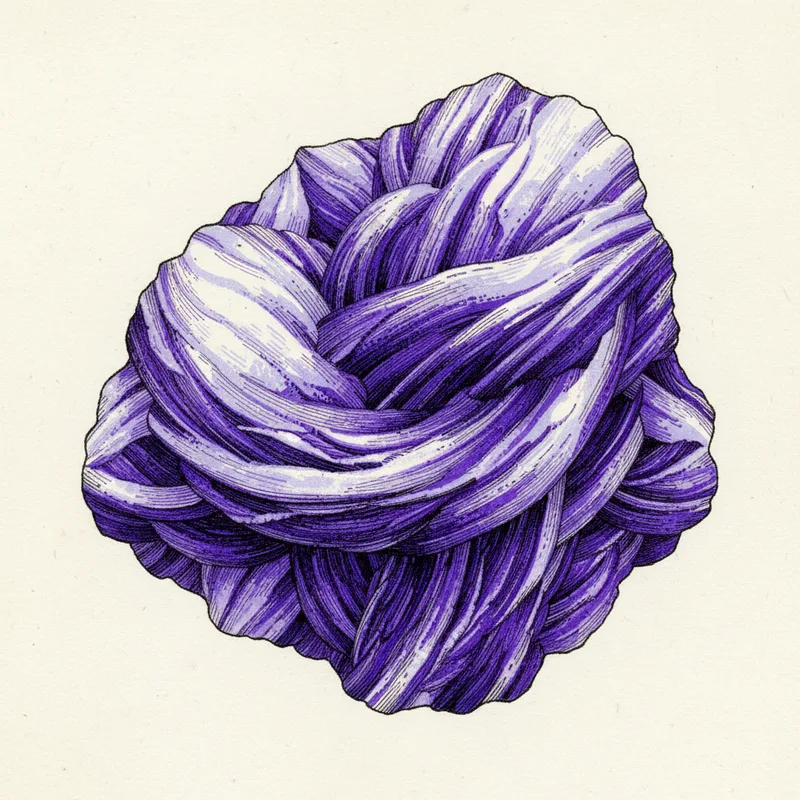
Charoite
Mohs 5 · Silicate (Charoite Group)Fake typePlastic or resin composites with purple dye
Real charoite has a distinctive swirling fibrous structure only found in one location in Siberia. Plastic imitations attempt the swirl but feel and behave wrong.
One-test tell
Real charoite is cold to the touch and sinks fast in water (SG 2.5-2.8). Plastic feels warm, floats or sinks slowly, and gives a sweet chemical smell when rubbed warm.
- 19Moderate
Pink Tourmaline
Mohs 7.5 · Tourmaline GroupFake typeSynthetic flame-fusion or heat-treated/irradiated tourmaline
Synthetic tourmaline is uncommon, but irradiation to deepen color is routine and often undisclosed. Glass and pink topaz imitations also appear at the low end.
One-test tell
Real tourmaline shows strong dichroism (color shifts as the stone is rotated). Glass and topaz substitutes do not. Tourmaline also has a distinctive doubling effect visible under 10x magnification in transparent stones.
- 20Moderate
Carnelian
Mohs 7 · Quartz Family (Chalcedony)Fake typeHeat-treated or dyed agate sold as natural carnelian
Most 'carnelian' on the market is heat-treated agate. The treatment is acceptable and stable, but undisclosed dye treatments produce uneven color that fades.
One-test tell
Hold to strong light. Real carnelian shows even color throughout, sometimes with subtle natural banding. Dyed agate shows concentrated color in cracks and pale streaks along bedding planes.
Some links in this post go to Amazon and Etsy. Crystal Almanac earns a commission from qualifying purchases at no extra cost to you. Tools recommended here are ones we would use ourselves to run the tests described - the recommendation comes first, the link is downstream of it.
Where to go next
This list is the short version. For the full mineral-by-mineral testing protocol, calibration tools, and tier-by-tier severity breakdown, the deep-dive guide is on /fakes. Looking for a specific real stone? The recommender ranks stones by goal across 16 intentions, filtered for water-safety, durability, and price.