Is It a Mineral? Obsidian, Amber, Pearl, and Opal
A mineral is a naturally occurring, inorganic solid with a definite chemical composition and an ordered internal crystal structure. By that five-part definition, several of the most popular "crystals" are not technically minerals. Obsidian is a volcanic glass, amber and pearl are organic, and opal is a mineraloid. None of that makes them less real or less worth owning. It just places them in their own categories, and knowing which category a stone belongs to tells you a lot about how it formed and how to look after it.
The five tests for a true mineral
Geologists use a strict checklist. To count as a mineral, a substance has to pass all five of these at once:
- Naturally occurring. Lab-grown quartz is chemically identical to natural quartz but is not a mineral, because a person made it.
- Inorganic. It cannot be produced by a living organism. This is the test amber and pearl fail.
- Solid. No liquids or gases. Liquid water is not a mineral, though ice technically is.
- A definite chemical composition. It can be written as a formula, like quartz at SiO₂, even if trace impurities vary from sample to sample.
- An ordered crystal structure. The atoms repeat in a fixed three-dimensional lattice. This is the test obsidian and opal fail.
Miss any one of the five and the material earns a different label: mineraloid, rock, organic gem, or synthetic. Here is where the most-asked stones actually land.
Obsidian: a volcanic glass, not a mineral
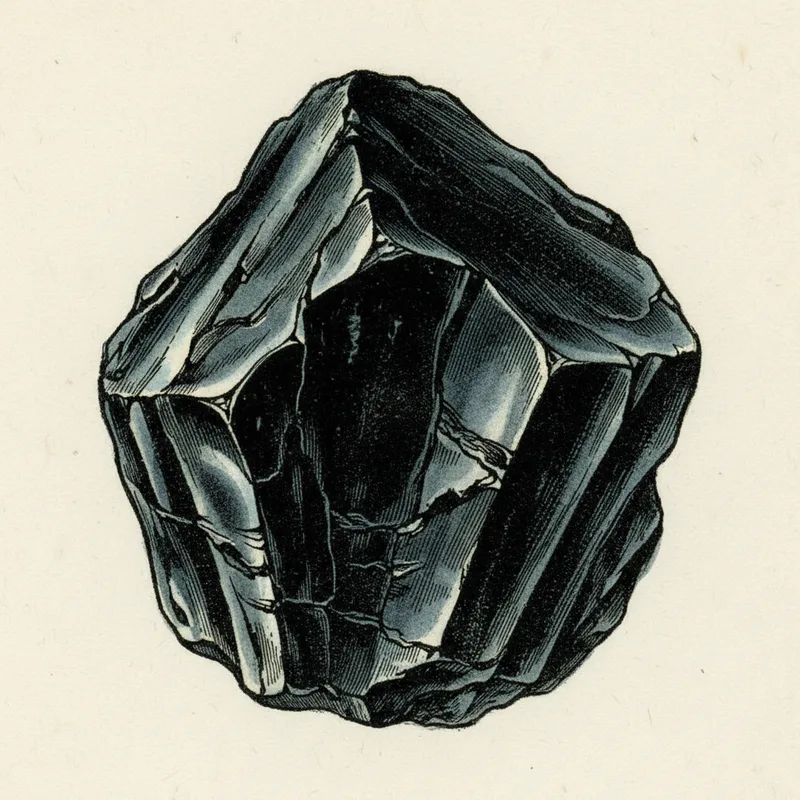
Obsidian is what happens when felsic lava erupts and cools so fast that its atoms never get the chance to line up into a lattice. The result is a solid with the chemical composition of granite but the disordered atomic structure of a liquid, frozen in an instant. Because it has no ordered crystal structure, it fails test five. The correct term is a mineraloid, and more specifically a natural glass.
The same logic applies to moldavite and other tektites, which are glass formed in the heat of a meteorite impact rather than a volcano. Glass is glass, whether it comes from a lava flow or a strike from space.
Amber: organic, and barely a stone
Amber is fossilized tree resin, often tens of millions of years old. It looks and polishes like a gemstone, but it was made by a living tree, so it fails the inorganic test. Amber is classified as an organic gem.
It shares that category with jet, which is a form of fossilized wood, and with coral, which is built by living marine animals. All three are beautiful, all three are collected and worn, and none of them are minerals.
Pearl: a biomineral
Pearl is the one that surprises people, because it is made of aragonite, which is a genuine carbonate mineral. The catch is that a living mollusk builds the pearl, layer by layer, from aragonite plus an organic binder called conchiolin. Because a living organism assembles it, the pearl as a whole is an organic gem, sometimes called a biomineral. It fails the inorganic test even though one of its ingredients passes on its own.
Opal: a mineraloid with no repeating lattice
Opal is hydrated silica, written as SiO₂ with a variable amount of water locked inside. Under a microscope it is built from tiny silica spheres, but those spheres are not arranged in a repeating crystal lattice, so opal fails test five just as obsidian does. That makes it a mineraloid. The famous play-of-color comes from light diffracting off the regularly sized spheres, which is a different thing from a crystal structure.
Jade and the difference between a rock and a mineral
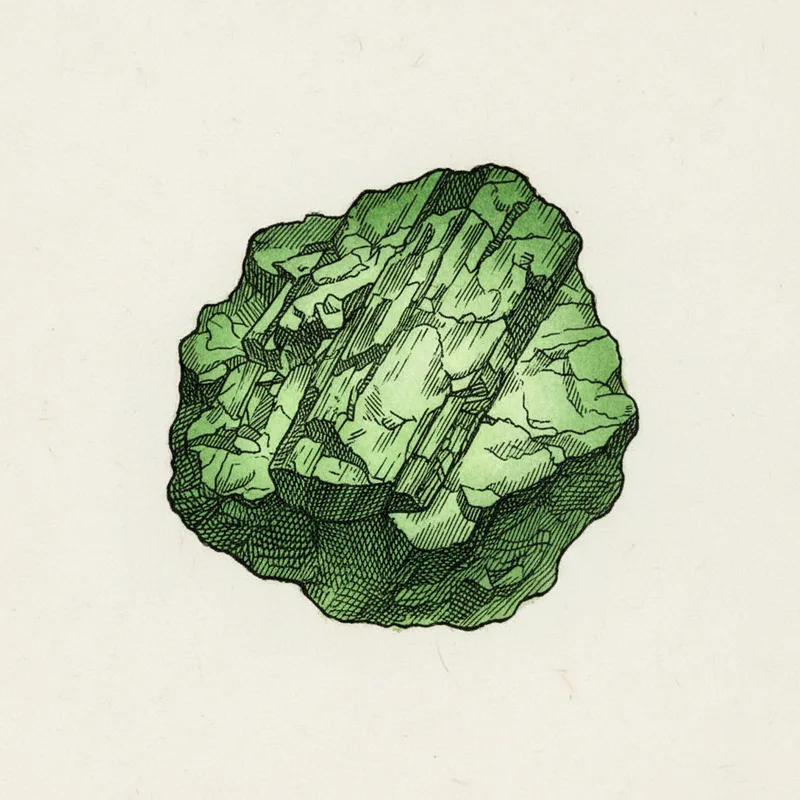
Jade is a special case worth knowing. The word covers two different minerals, jadeite and nephrite, that look similar and were used interchangeably for centuries. A material made of more than one mineral is a rock, not a single mineral species. Lapis lazuli is the same: it is mostly lazurite mixed with calcite and flecks of pyrite, which makes it a rock rather than one mineral. Granite, marble, and basalt are rocks for the same reason.
The famous gems that are minerals
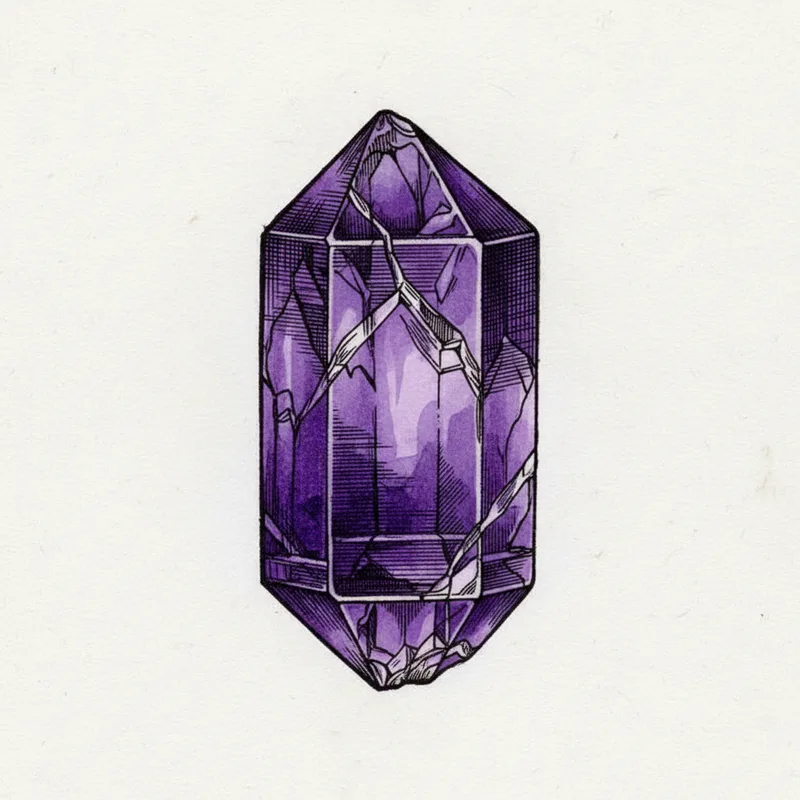
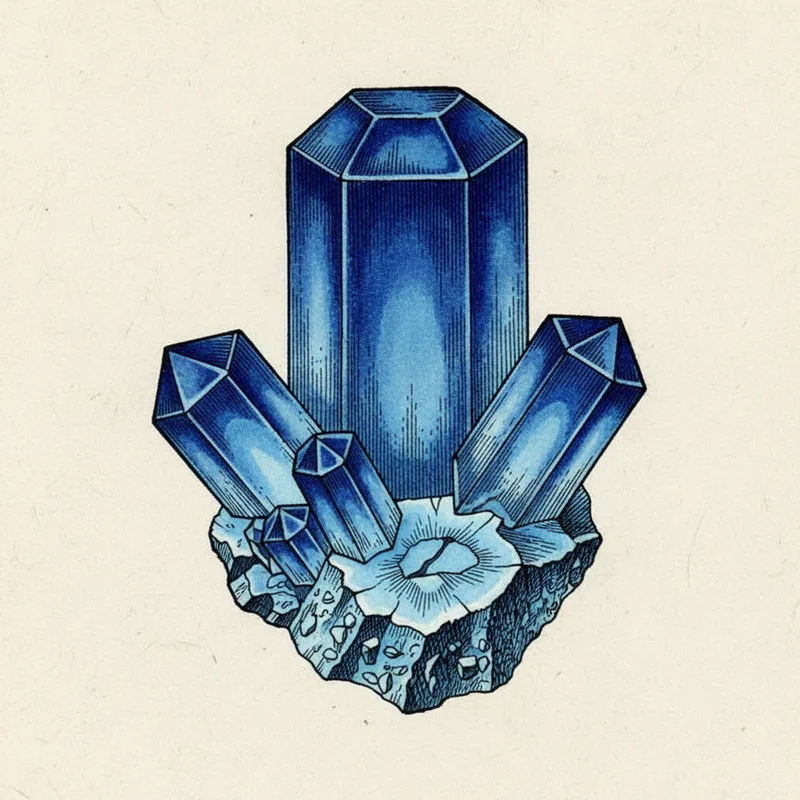
Plenty of well-known stones pass all five tests without trouble. Diamond is pure carbon. Ruby and sapphire are both corundum, aluminum oxide, colored by trace elements. Emerald is a variety of beryl. Quartz and its colored varieties amethyst and citrine are minerals, as are turquoise and garnet. So when someone asks whether ruby is a mineral, the answer is a clean yes: ruby is gem-quality corundum.
Quick reference
| Stone | A mineral? | What it actually is |
|---|---|---|
| Obsidian | No | Volcanic glass (a mineraloid) |
| Moldavite | No | Impact glass (a mineraloid) |
| Amber | No | Fossilized tree resin (organic gem) |
| Jet | No | Fossilized wood (organic gem) |
| Pearl | No | Aragonite built by a mollusk (biomineral) |
| Opal | No | Hydrated silica with no lattice (mineraloid) |
| Jade | No | Two minerals, jadeite or nephrite (a rock) |
| Lapis lazuli | No | Lazurite plus calcite and pyrite (a rock) |
| Diamond | Yes | Pure carbon |
| Ruby and sapphire | Yes | Corundum (aluminum oxide) |
| Quartz, amethyst, citrine | Yes | Silicon dioxide |
| Turquoise, garnet, emerald | Yes | Each a distinct mineral |
Why the label matters for care
The category is not just trivia. It predicts how a stone behaves. Glasses like obsidian fracture with sharp conchoidal edges and chip if knocked. Organic gems like amber and pearl are soft and react badly to solvents, perfume, and household chemicals, because the material is closer to a fossil or a shell than to rock. Opal holds water inside its structure and some varieties can craze if they dry out. The clinical care notes on each profile, and the crystal care guide, spell out what each one can and cannot handle.
FAQ
Is obsidian a mineral? No. Obsidian is a natural volcanic glass, classified as a mineraloid, because it cooled too quickly to form the ordered crystal structure that defines a true mineral.
Is amber a mineral or a rock? Neither. Amber is fossilized tree resin, an organic gem. It is not a mineral because it was made by a living tree, and it is not a rock because it is not an aggregate of minerals.
Is a pearl a mineral? No. A pearl is made of the mineral aragonite, but because a living mollusk builds it, the pearl as a whole is an organic gem, or biomineral, not a mineral.
Is opal a mineral or a crystal? Opal is a mineraloid. It is made of silica like quartz, but its silica spheres are not arranged in a repeating crystal lattice, so it is not a true crystalline mineral.
Is ruby a mineral? Yes. Ruby is gem-quality corundum, the mineral aluminum oxide, colored red by trace chromium. Sapphire is the same mineral in other colors.
Is jade a mineral? Not a single one. "Jade" refers to two different minerals, jadeite and nephrite. Because the material can be a mix, jade is generally treated as a rock rather than one mineral species.
Metaphysical and “healing” associations mentioned here are cultural traditions, not medical advice or scientific fact. Crystals are not a substitute for professional medical care. Full disclaimer.
Crystals in This Article
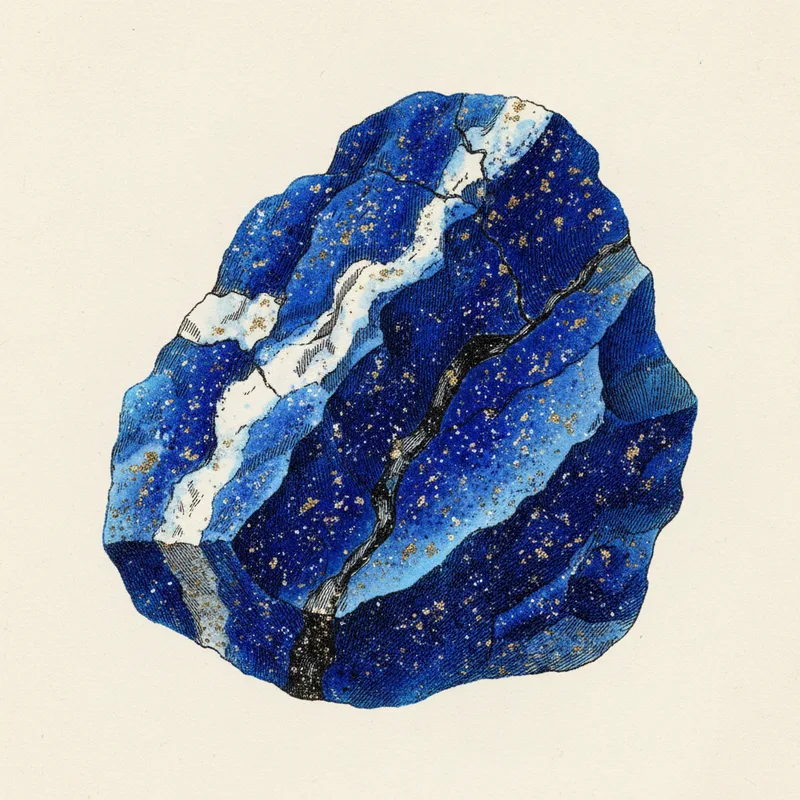
Lapis Lazuli
The Stone of the Heavens
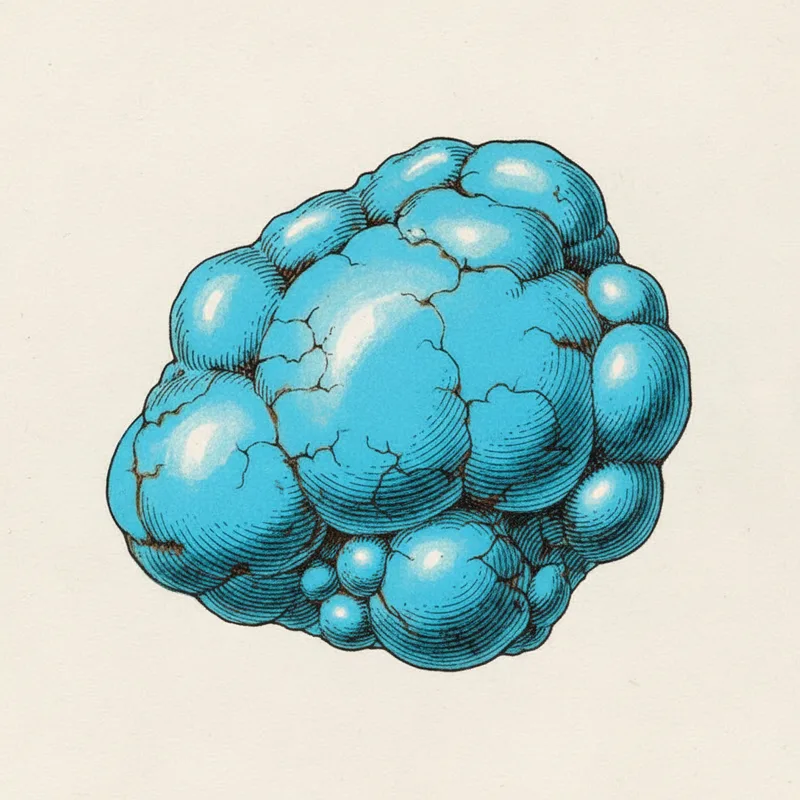
Turquoise
The Sky Stone
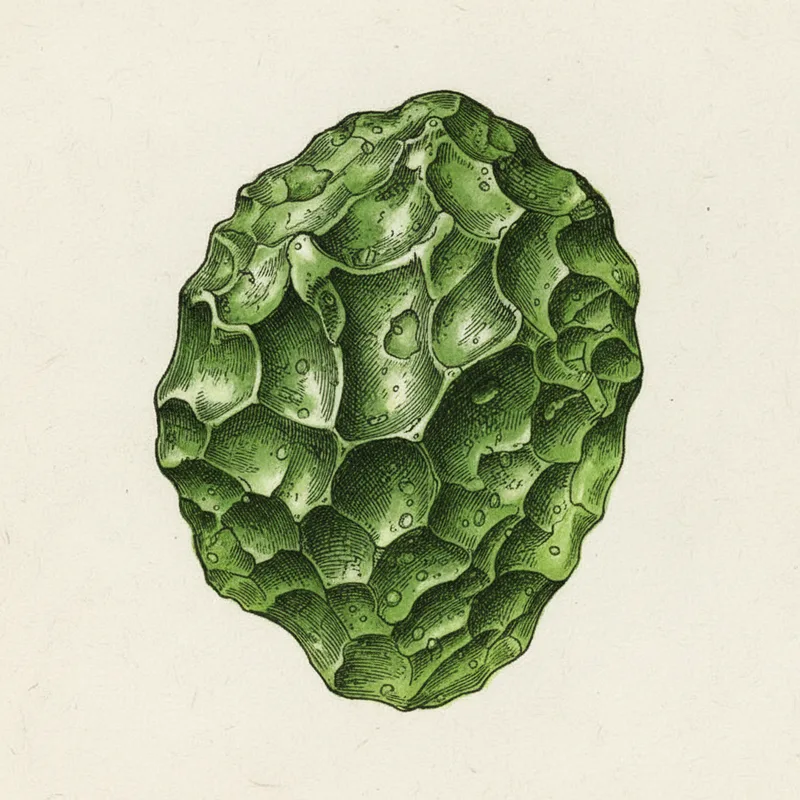
Moldavite
The Stone from the Stars
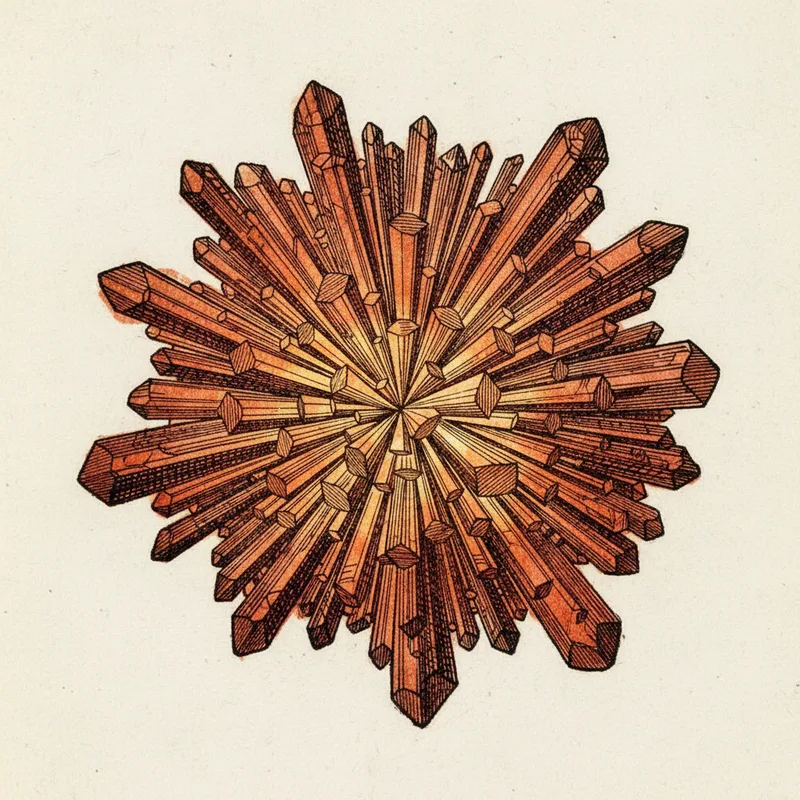
Aragonite
The Earth Healer
Obsidian
The Volcanic Glass
Amethyst
The Stone of Spiritual Wisdom
Sapphire
The Gem of the Heavens
Nephrite
The Original Jade
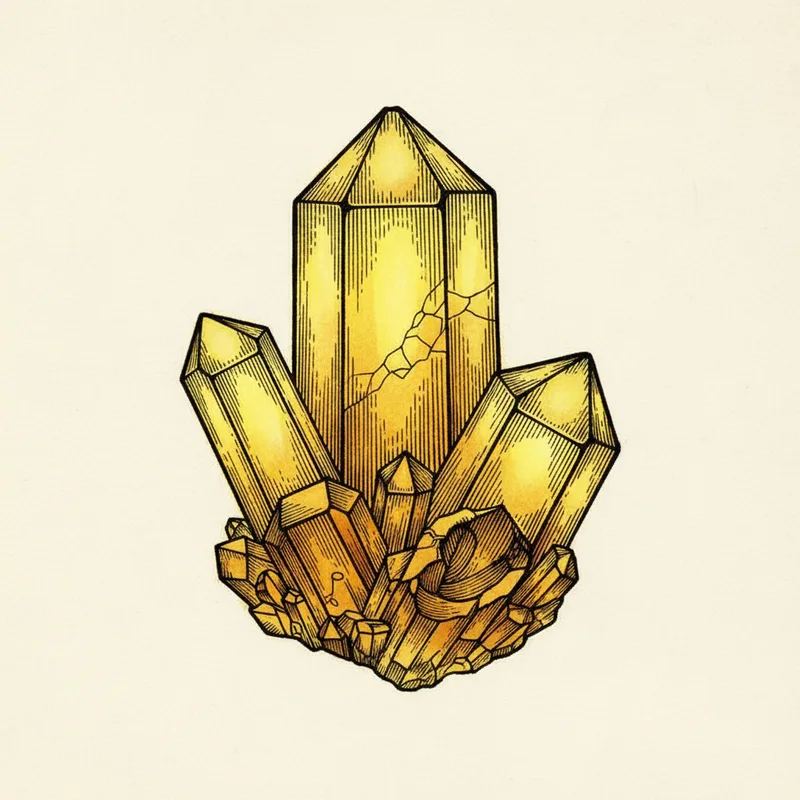
Citrine
The Merchant's Stone
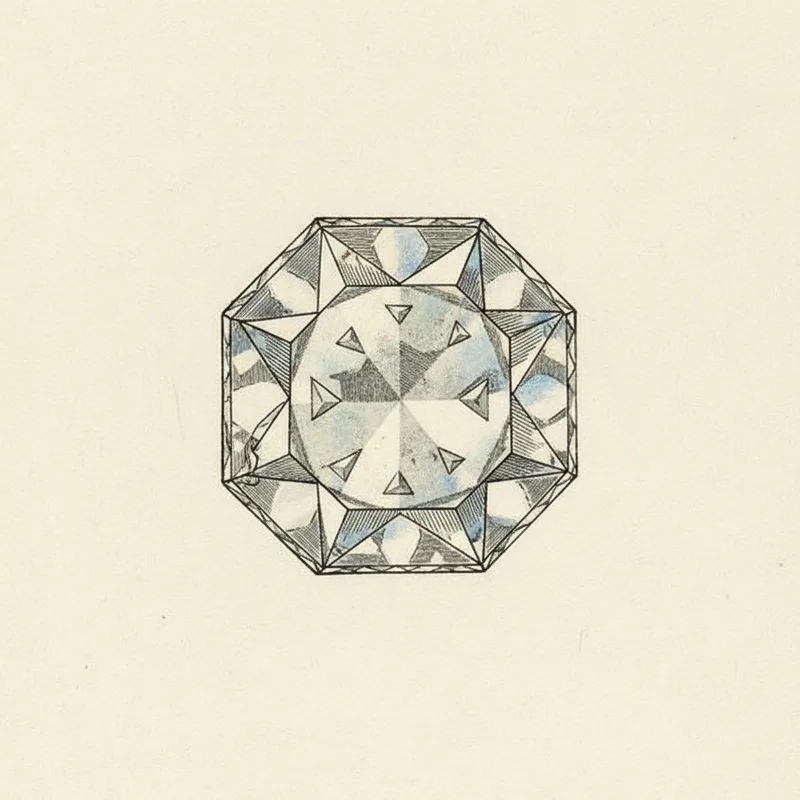
Diamond
The Invincible
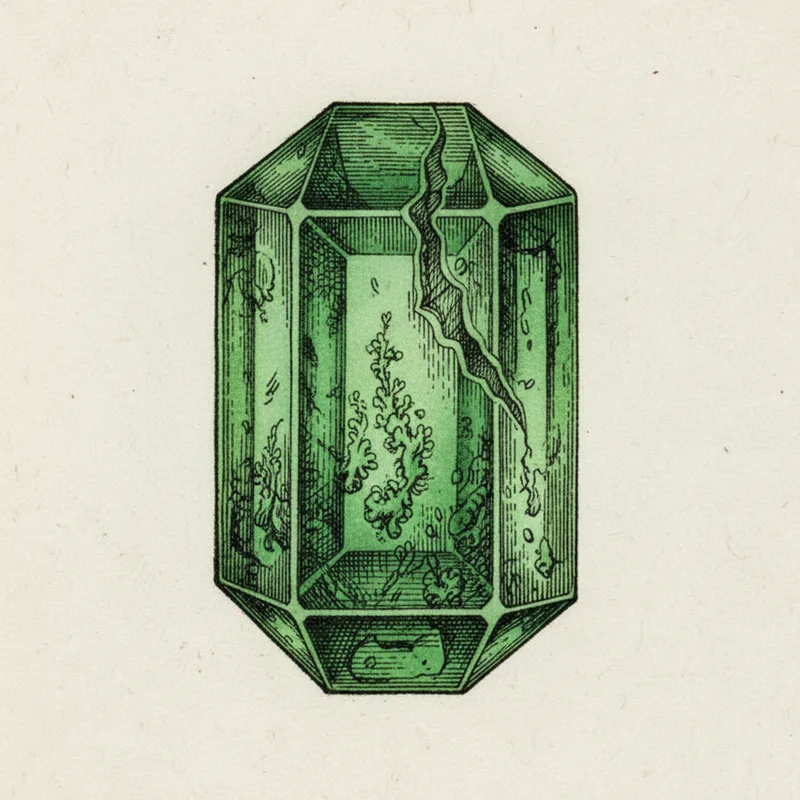
Emerald
The Stone of Successful Love
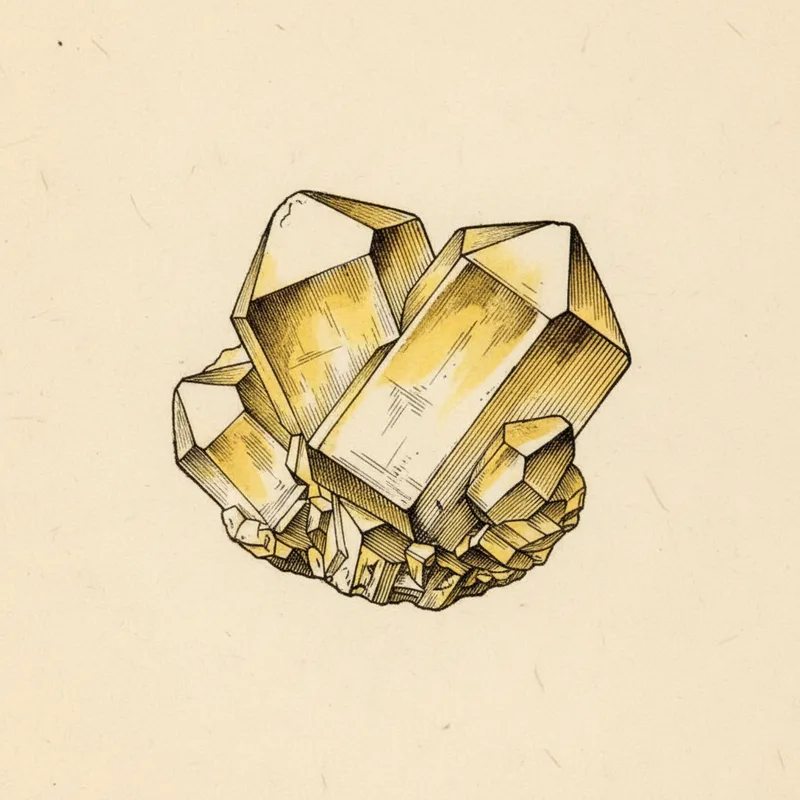
Calcite
The Shapeshifter
Keep Reading
Newsletter
Something shiny, now and then
A stone worth knowing, or a fake worth spotting, every so often. No spam.