Selenite vs Satin Spar: What's the Difference?
Key Takeaway: Selenite, satin spar, desert rose, and alabaster are all the same mineral: gypsum (CaSO₄·2H₂O), a soft Mohs 2 calcium sulfate. They differ in crystal habit, not chemistry. True selenite is transparent and tabular. Satin spar is fibrous with a moving cat's-eye sheen, and it is what almost every glowing white "selenite" tower, bowl, and lamp is actually carved from. None of them belong in water, because gypsum dissolves.
If you own a glowing white "selenite" tower, a charging plate, or one of those carved bowls, here is a small surprise: mineralogically, it is almost certainly not selenite. It is satin spar.
Both are gypsum. They share the same chemistry and the same hardness. But they form in different shapes, and the crystal trade has spent decades using the prettier name for the more common material. You have not been scammed, exactly. But once you can see the difference, you cannot unsee it, and it changes how you should care for the piece.
Here is the honest breakdown, from chemistry to the water that will quietly destroy it.
At a Glance: The Gypsum Family
| Variety | What It Looks Like | Crystal Habit | Diagnostic Tell | Usually Sold As |
|---|---|---|---|---|
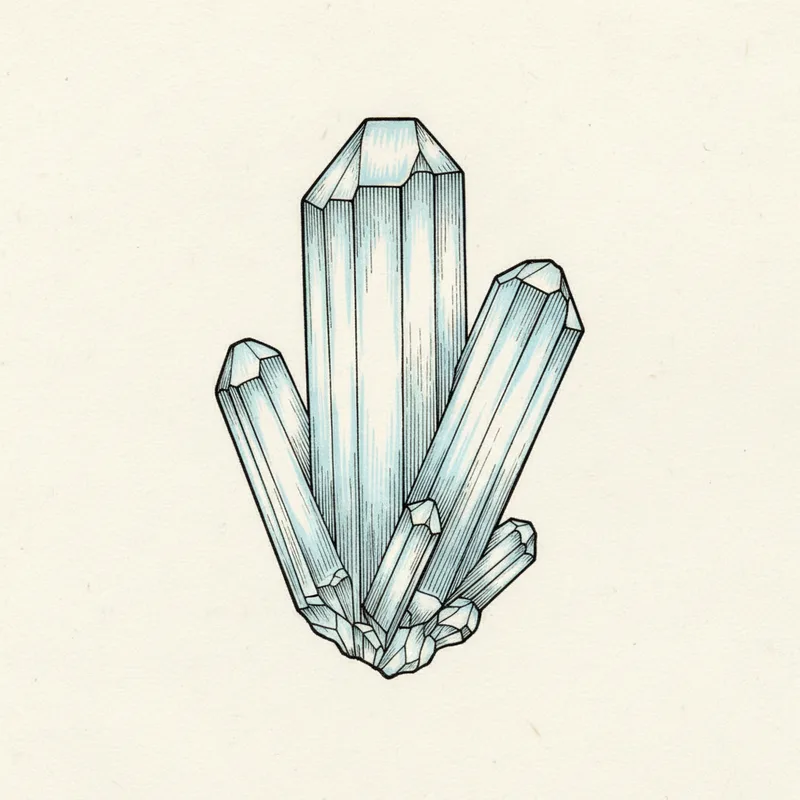
| Selenite | Clear, glassy, colorless | Flat tabular crystals | Transparent; peels into thin sheets | "Selenite" (correctly) |
| Satin Spar | Pearly white, silky, glowing | Parallel fibrous aggregate | A cat's-eye band of light that moves when rolled | "Selenite" (towers, bowls, lamps) |
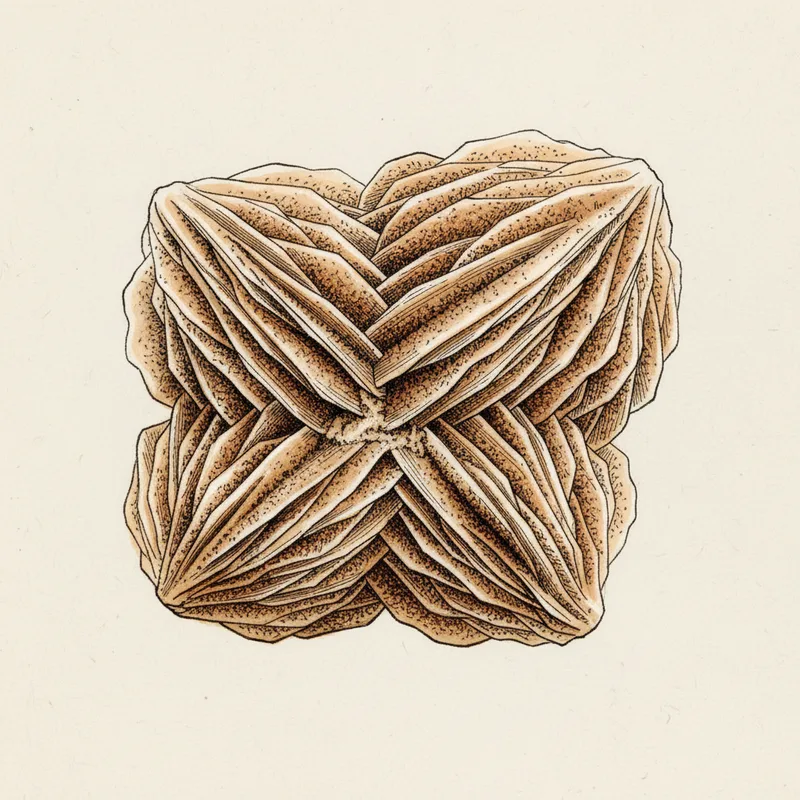
| Desert Rose | Sandy brown rosette | Bladed crystals with trapped sand | Petal-like blades, gritty surface | "Desert rose selenite" |
| Alabaster | Smooth, matte, semi-translucent | Massive, fine grained | Carves easily, no visible crystals | "Alabaster" (carvings) |
Every row is the same mineral. The differences are all in how the gypsum grew.
They Are All Gypsum
Gypsum is hydrated calcium sulfate, CaSO₄·2H₂O. The "2H₂O" matters: water is built into the crystal structure itself, which is part of why these stones are so soft and so vulnerable to moisture.
At Mohs 2, gypsum is one of the softest minerals you will ever display. Your fingernail (about Mohs 2.5) will scratch it. It sits second from the bottom of the Mohs hardness scale, just above talc. That softness is identical whether the label says selenite, satin spar, desert rose, or alabaster, because it is the same mineral underneath.
What changes between them is crystal habit: the shape the mineral takes as it grows. Gypsum is unusually expressive that way. The same calcium sulfate can grow as glass-clear tablets, as silky fibers, as sandy rosettes, or as a dense carveable mass, depending on the chemistry and the space of the environment it crystallizes in.
True Selenite
True selenite is the transparent, tabular variety. It forms flat, often colorless crystals with a glassy (vitreous) luster and one direction of perfect cleavage so clean that you can sometimes peel a thin sheet away with a fingernail. Before modern glass was cheap, thin selenite sheets were used as window panes for exactly this reason.
The name comes from the Greek "selene," for moon, after the soft moonlike glow of a clear crystal. The most spectacular examples are the giant beams in the Cave of the Crystals at Naica, Mexico, some over 30 feet long, among the largest natural crystals ever found.
If your piece is genuinely see-through, with flat faces and that glassy clarity, you have true selenite. Most people do not.
Satin Spar
Satin spar is the fibrous variety, and it is the one almost everyone actually owns. Instead of growing as a single clear tablet, it forms as a tight bundle of parallel fibers, usually in veins. Those aligned fibers do something optical: they reflect light as a single bright band that glides across the surface as you turn the stone, the same cat's-eye effect (chatoyancy) you see in tiger's eye. That moving line of light is the easiest way to recognize satin spar.
It is pearly, silky, and slightly translucent rather than transparent. It is also easy to shape, which is why the entire market of white "selenite" towers, charging plates, wands, bowls, and lamps is carved from satin spar. Calling it selenite is so universal in the trade that the two names have effectively merged at retail, even though mineralogists keep them separate.
Desert Rose and Alabaster
Two more gypsum varieties round out the family.
Desert rose forms when gypsum crystallizes in sandy ground, growing flat bladed crystals in a rosette that traps sand grains as it grows, which gives it the sandy color and gritty feel. Confusingly, desert roses can also form from baryte rather than gypsum, so not every desert rose is the same mineral. The gypsum ones are softer.
Alabaster is the massive, fine-grained variety, with no visible individual crystals. It has been carved into sculpture and lamps for thousands of years precisely because it is soft, uniform, and slightly translucent. It is gypsum too, just grown as a dense microcrystalline block.
How to Tell Selenite and Satin Spar Apart
You almost never need a lab. Three quick checks settle it:
Look through it. True selenite is transparent, like cloudy glass. Satin spar is translucent and pearly, glowing rather than clear. If you cannot make out text through a flat piece, it is probably satin spar.
Roll it under a light. Satin spar shows a single bright band of light that travels across the surface as you turn it. Selenite does not. This is the single most reliable visual test.
Look at the shape. Towers, bowls, charging plates, wands, and lamps are satin spar, essentially always. Flat clear plates and blocky transparent crystals are more likely to be true selenite.
What you should not do is a scratch test on a finished piece. At Mohs 2, anything harder than a fingernail leaves a mark you cannot undo.
Why It Matters: Keep It Away From Water
Here is the part that actually affects your collection. Every gypsum variety is water-soluble. Not merely porous, not merely sensitive, but measurably soluble: gypsum dissolves in water over time.
Brief contact dulls the polish. Prolonged soaking visibly etches and roughens the surface, and a thin wand left in water will slowly waste away. This is chemistry, not superstition, and it is the same for selenite and satin spar because they are the same mineral. So:
- Never cleanse gypsum in water, and never make a gypsum elixir.
- Keep it out of humid rooms and off wet surfaces.
- Dust it with a dry, soft brush instead of rinsing it.
There is a real irony here. Satin spar, sold as "self-cleansing selenite," is one of the few popular display stones that water will actively destroy. See the crystal care guide for the full list of water-sensitive minerals.
Is Calling It "Selenite" a Scam?
Mostly, no, and the distinction is worth drawing clearly.
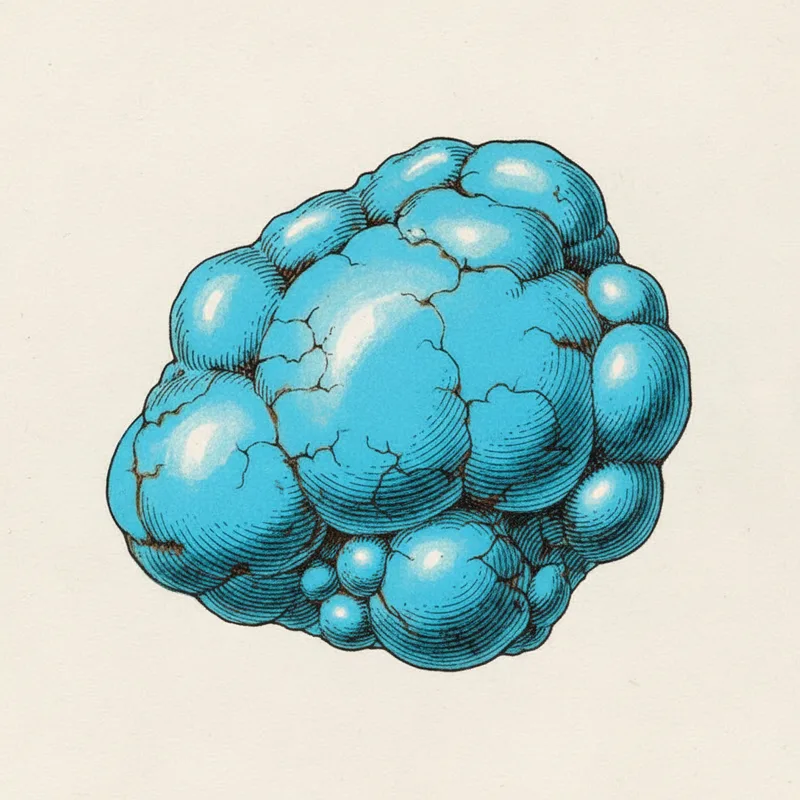
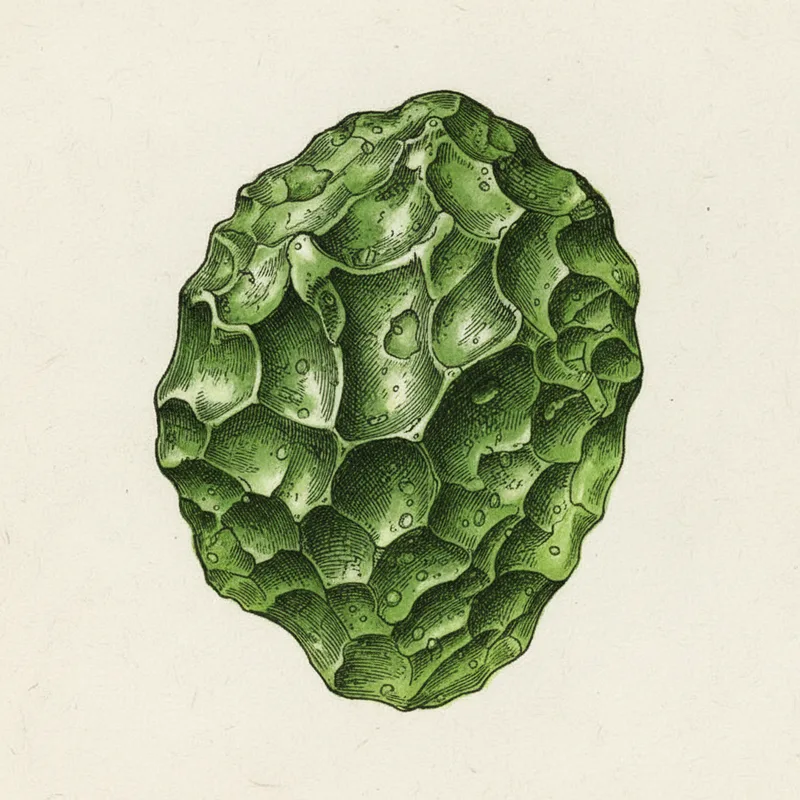
Satin spar and selenite are the same mineral at the same price, so a shop selling satin spar as "selenite" is using accepted trade language, not overcharging you for a substitute. Compare that to genuine crystal fakes, where dyed howlite is sold as turquoise, or glass is sold as moldavite, and you pay real money for a cheaper material entirely. The gypsum naming overlap is nothing like that. You got gypsum, and you paid gypsum prices.
The only thing worth correcting is care. If you believe your tower is some exotic, durable stone, you might treat it casually. Once you know it is soft, water-soluble gypsum, you handle it the way it actually needs.
A Note on Tradition
In contemporary crystal practice, clear selenite and satin spar are both used for "clearing" and "charging" other stones, and selenite plates are often described as self-cleansing. Those are cultural traditions, not physical properties. The one physical fact that overrides all of them is the solubility: whatever you believe about energy, do not clear your satin spar by rinsing it.
Bottom Line
Selenite and satin spar are not rivals. They are the same mineral wearing two different shapes. True selenite is the clear, glassy, tabular crystal. Satin spar is the silky, glowing, fibrous material behind nearly every white "selenite" tower and bowl on the market.
Knowing which one you own will not change its price, but it tells you exactly how to keep it: gently, dry, and far from the water that every gypsum variety quietly dissolves in.
Metaphysical and “healing” associations mentioned here are cultural traditions, not medical advice or scientific fact. Crystals are not a substitute for professional medical care. Full disclaimer.
Crystals in This Article

Keep Reading
Stay in the loop
From the Almanac
Updates from Crystal Almanac, when there’s something worth sharing.