Crystal Hardness Chart: What Mohs Means for You
The Mohs hardness scale runs from 1 (talc) to 10 (diamond), and it measures one specific thing: scratch resistance. The steps are not equal. Diamond is roughly four times harder than corundum, which sits one step below it. The scale tells you whether a stone will survive daily wear, tumbling, or wet cleaning, but only once you know how to read it. This guide ties every level to the practical questions collectors actually ask: can I wear it, wash it, tumble it, or store it with everything else.
Most hardness charts on the web stop at the list. That is not useful. A number is only interesting once you know what it lets you do with the stone in your hand. This guide walks through the full Mohs scale with the practical consequences at each level, then explains where the scale stops being useful and toughness takes over.
What Mohs Actually Measures
Friedrich Mohs proposed the scale in 1812 by ranking ten reference minerals in order of which one could scratch which. It is a relative, ordinal scale. A mineral at hardness 7 will scratch anything below 7, and be scratched by anything above 7. That is the entire definition.
Two things the scale does not measure:
Toughness. A stone can be hard and still shatter. Nephrite jade sits at hardness 6 to 6.5, yet it is one of the toughest natural materials known, tougher than emerald (hardness 7.5 to 8) by a wide margin. Kunzite has a respectable hardness of 6.5 to 7 and perfect cleavage in two directions, so a knock on the wrong plane splits it cleanly in half. Hardness and toughness are independent properties.
Stability. Halite (hardness 2) dissolves in water. Selenite (hardness 2) absorbs moisture and clouds. Pyrite (hardness 6 to 6.5) oxidizes in humid air and can crumble over decades. None of these problems are predicted by the Mohs number.
The scale is also non-linear. The jump from 9 (corundum) to 10 (diamond) represents a roughly fourfold increase in absolute hardness measured by modern indentation tests. The jump from 1 to 2 is tiny by comparison. Treat Mohs as a rank, not a ruler.
Field tests with common items
You can estimate hardness without specialist tools:
- Fingernail: about 2.5
- Copper coin: about 3.5
- Steel knife or nail: about 5.5
- Window glass: about 5.5
- Quartz streak plate or a known quartz crystal: 7
If a mystery stone scratches window glass but a citrine point scratches the mystery stone, it sits between about 5.5 and 7. That is often enough to narrow an identification.
The Big Three Questions Hardness Answers
Before the chart, the three practical questions:
1. Will it survive daily wear? The traditional jewelry threshold is 7 for rings, which take the worst abuse. Pendants, earrings, and brooches can go lower because they rarely strike hard surfaces. Airborne dust in most homes contains quartz particles at hardness 7, which means any stone below 7 will dull over time just from being handled and wiped.
2. Can I tumble it, ultrasonic clean it, or wash it in water? Tumbling needs hardness 6 and up and no water sensitivity. Ultrasonic cleaners cause fractures to propagate; never use them on stones with cleavage (fluorite, topaz, kunzite) or on porous or treated stones (turquoise, opal, emerald, amber). Water rinsing is safe for anhydrous stones at hardness 5 and up, questionable below that, and outright destructive for halite and selenite.
3. Can I store it with my other stones? The harder stone always wins. A loose pile of quartz, tourmaline, and calcite will leave the calcite scratched within days of being carried in a pouch. Separate by hardness, or use compartmented trays.
The Hardness Chart, Level by Level
1 to 2: Talc, Gypsum, Selenite, Halite
Mg₃Si₄O₁₀(OH)₂ for talc. CaSO₄·2H₂O for gypsum and selenite. NaCl for halite.
Your fingernail scratches all of these. Selenite in particular is so soft that the oils from your fingers leave marks. Halite is water soluble and will literally dissolve if you rinse it. Selenite absorbs humidity and clouds within months if stored in a damp basement.
What you can do: display behind glass, handle with clean hands, keep in a climate controlled room. What you cannot do: wear, carry loose, wash, tumble, or leave on a sunny windowsill where humidity cycles.
3: Calcite, Angelite, Celestite
CaCO₃ for calcite. Calcite is the hardness-3 reference mineral. A copper coin scratches it. More importantly, calcite reacts with weak acids, including household vinegar and the acids in sweat, so skin contact leaves dull patches over time.
What you can do: display, carry briefly in a padded pouch with nothing else, dust with a soft brush. What you cannot do: ring settings, daily pocket carry with keys or coins, any acidic cleaner, ultrasonic cleaning.
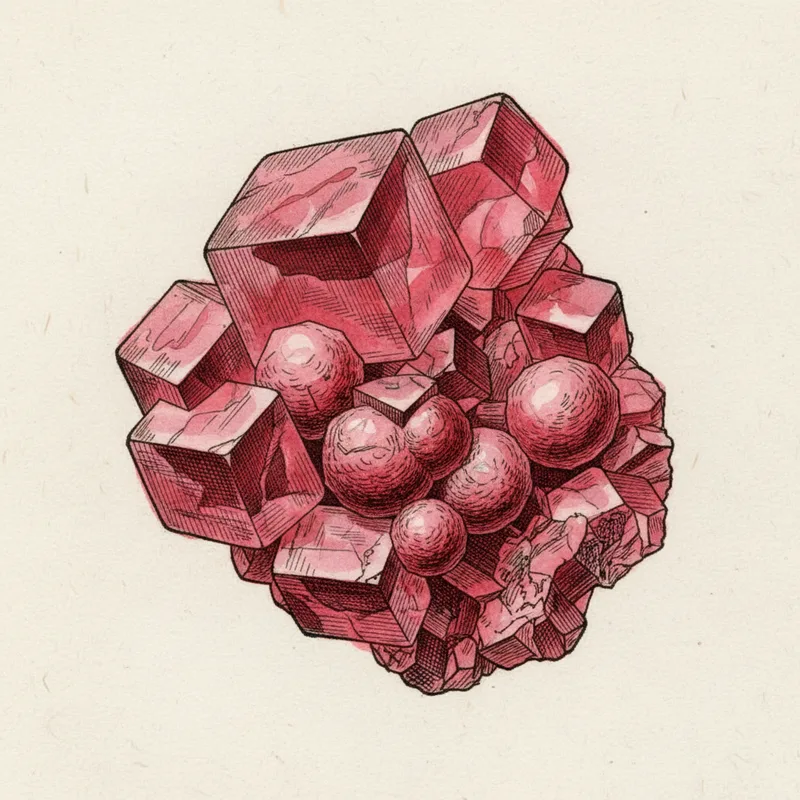
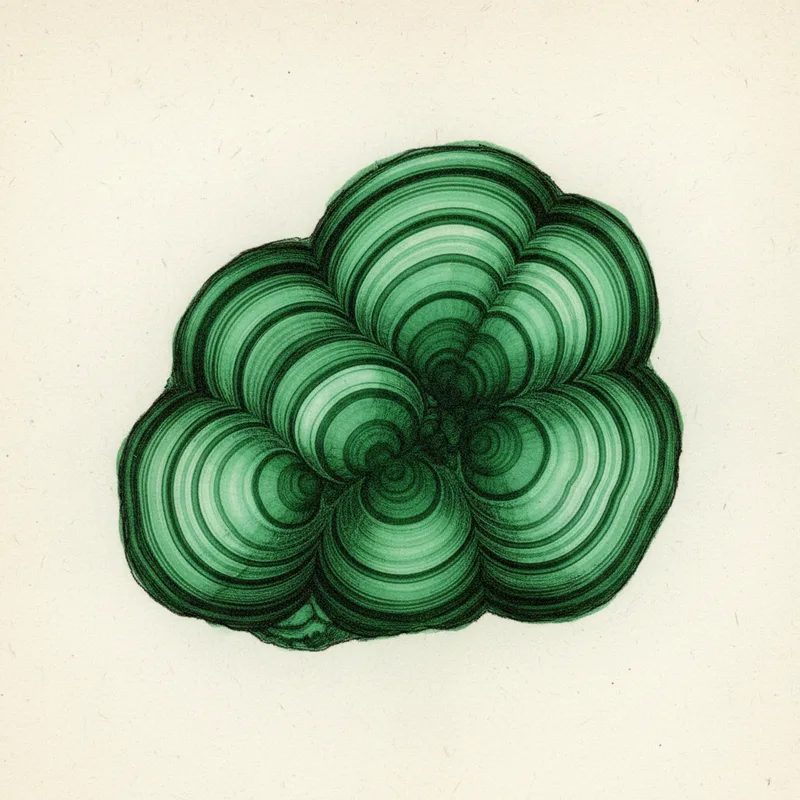
4: Fluorite, Malachite, Rhodochrosite
CaF₂ for fluorite. Fluorite has perfect octahedral cleavage in four directions. A drop onto a hard floor can split a specimen cleanly along a cleavage plane even though the hardness seems reasonable. Malachite is a copper carbonate that releases copper dust when cut dry, which is a respiratory hazard for lapidaries.
What you can do: display, pendant settings if the stone is protected, gentle wipe with a damp cloth. What you cannot do: ring settings, tumbling without chipping risk, ultrasonic cleaning (cleavage propagates fractures immediately).
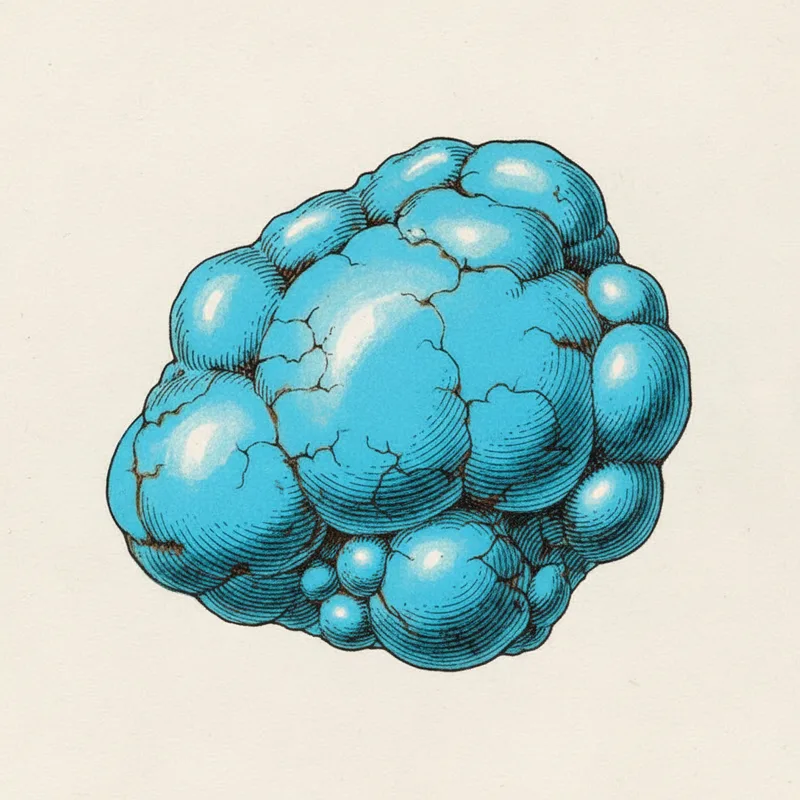
5: Apatite, Lapis Lazuli, Obsidian, Turquoise
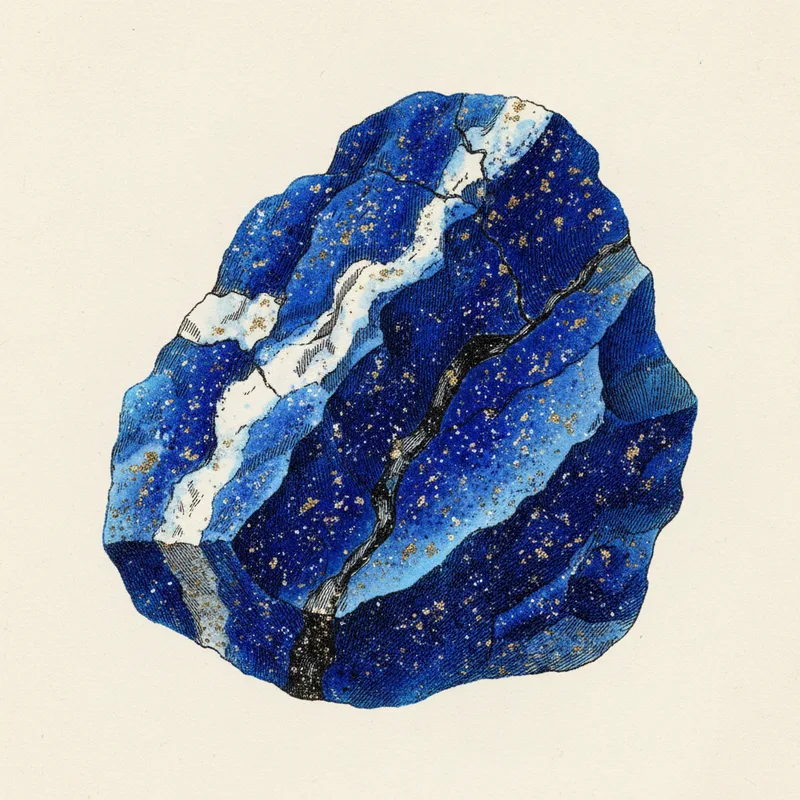
Ca₅(PO₄)₃(F,Cl,OH) for apatite. A steel knife scratches all of these. Airborne quartz dust will dull polish over years of handling. Turquoise sold for jewelry is almost always stabilized with resin or wax because natural turquoise is porous and absorbs oils, sweat, and cosmetics, which yellow the stone.
What you can do: pendants and earrings with care, occasional gentle wash with lukewarm water and mild soap (not turquoise or lapis, which are porous), soft cloth wipe. What you cannot do: daily ring wear, ultrasonic cleaning, steam cleaning on turquoise or lapis (both are sensitive to heat and chemicals).
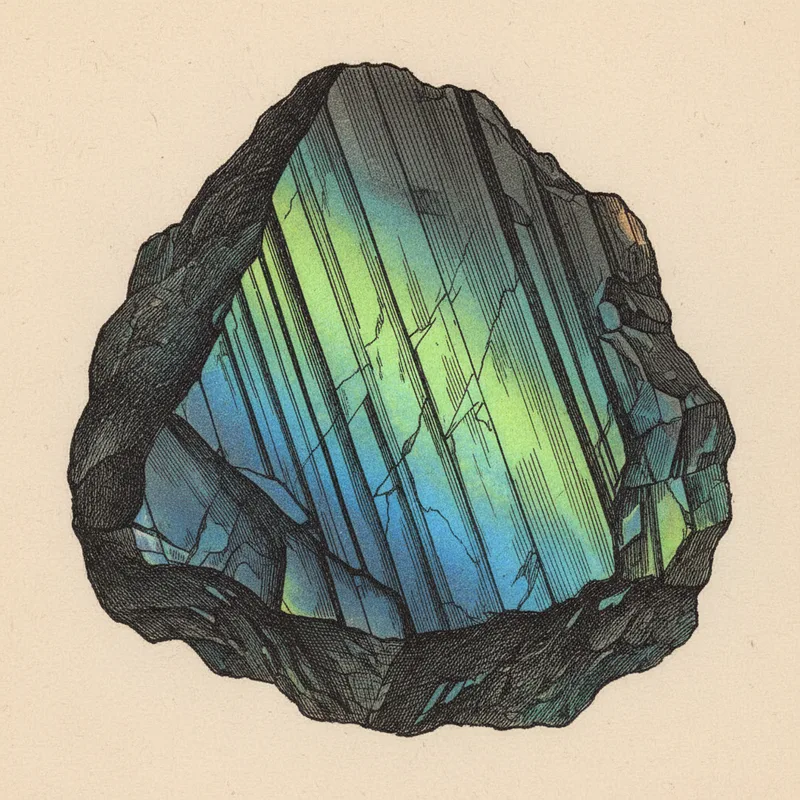
6: Moonstone, Labradorite, Amazonite, Sodalite, Opal
Orthoclase feldspar is the hardness-6 reference mineral and the parent species of moonstone and amazonite. The feldspar group has two cleavage directions at nearly 90 degrees, which means edges and facet junctions are the weak points.
Opal deserves its own note. Hydrated silica, SiO₂·nH₂O, with 3 to 21 percent water by weight. Sudden changes in temperature or humidity cause crazing, a network of internal cracks that cannot be repaired. Never store opal in a bank safe deposit box (too dry) or leave it in a hot car. The jewelry threshold technically begins at 6, but only for protected settings: pendants, earrings, and brooches. Ring settings at this hardness dull within a year of daily wear.
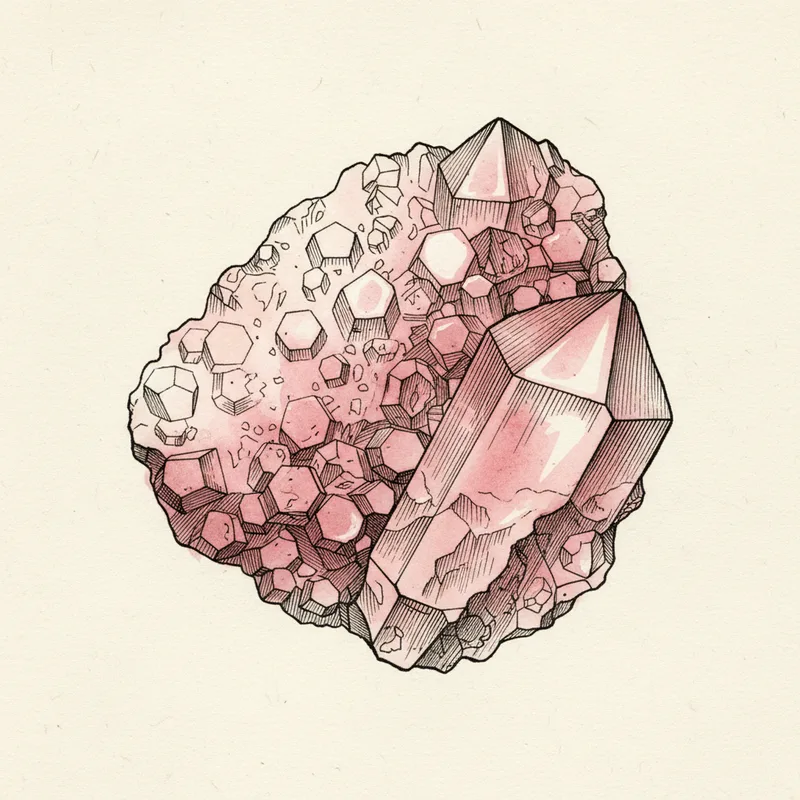
7: Quartz Family (Amethyst, Citrine, Rose Quartz, Smoky, Clear), Jasper, Agate, Chalcedony, Tiger Eye
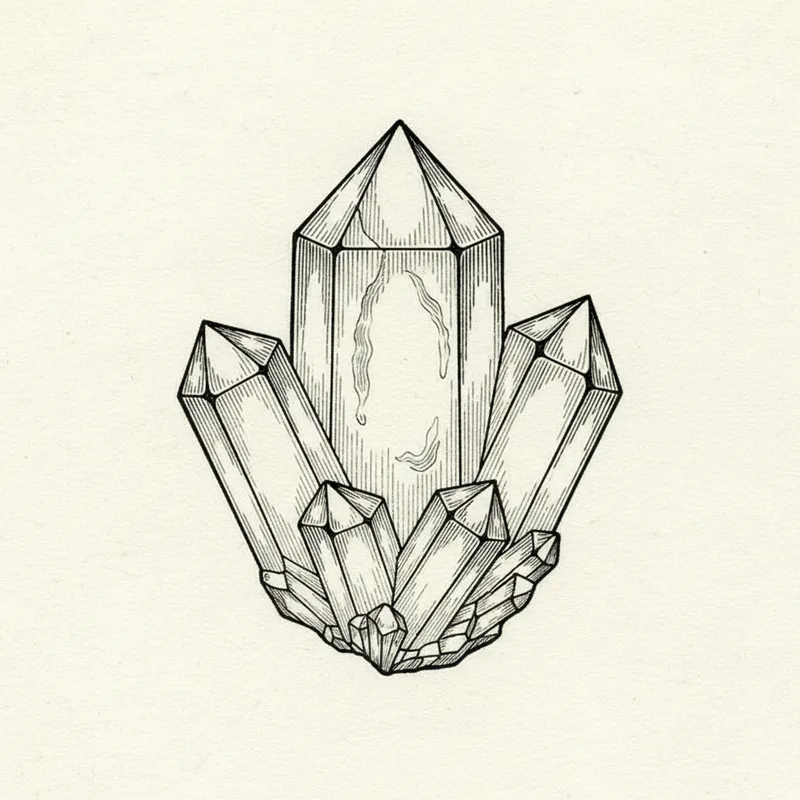
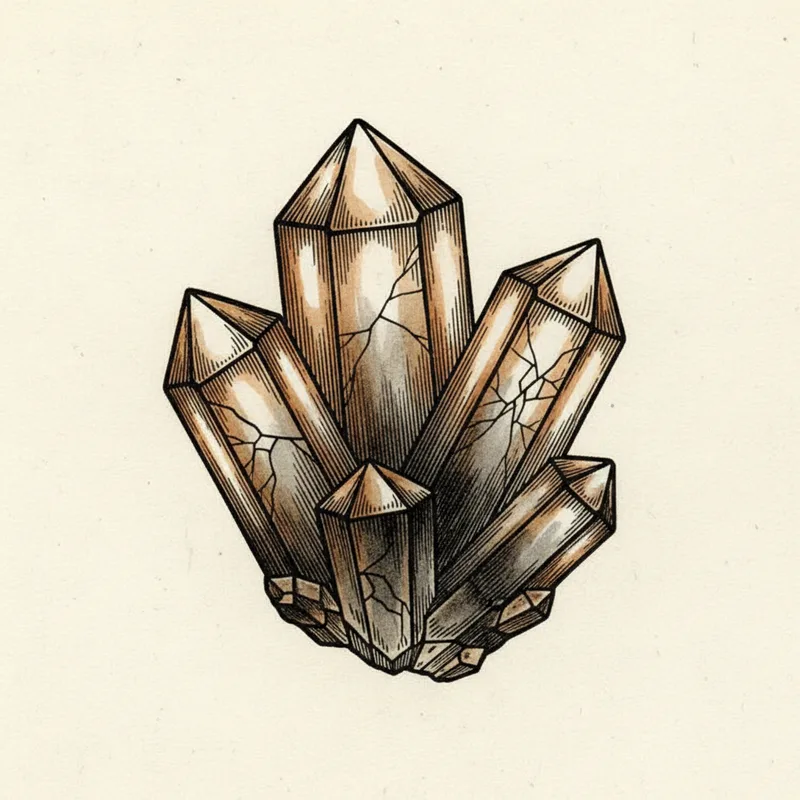
SiO₂. This is the workhorse hardness. Most of what people call "crystals" in the popular sense lives here. Quartz has no cleavage, so it takes impact well, and it is chemically stable in almost every household environment.
What you can do: everyday rings, tumbling, washing with water and mild soap, ultrasonic cleaning for most varieties (avoid ultrasonic on included or heavily treated stones). What you cannot do: expect color stability in amethyst and smoky quartz under prolonged UV (both fade). Rose quartz also fades in strong sunlight.
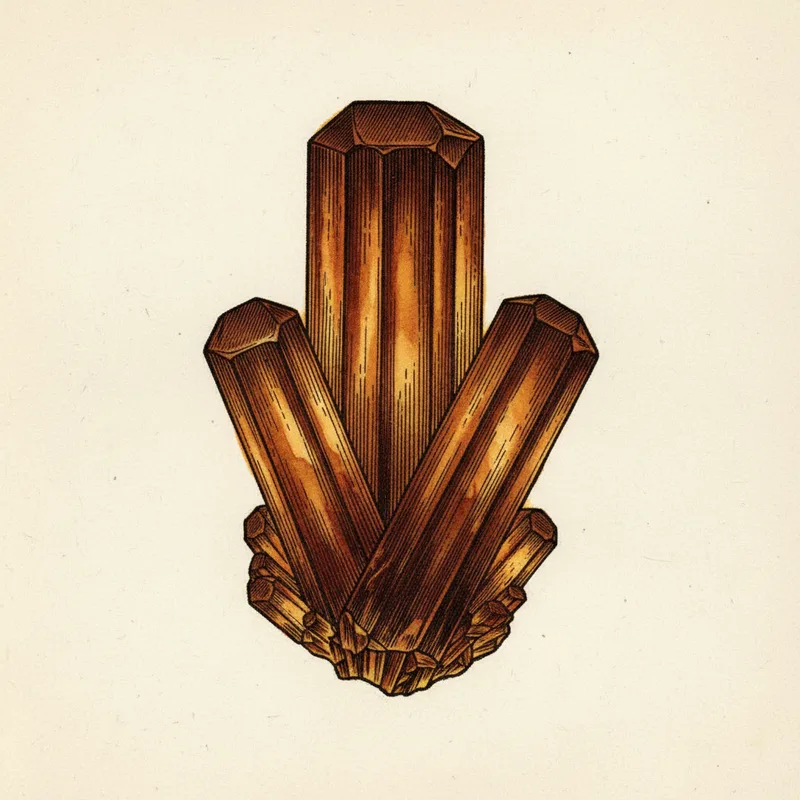
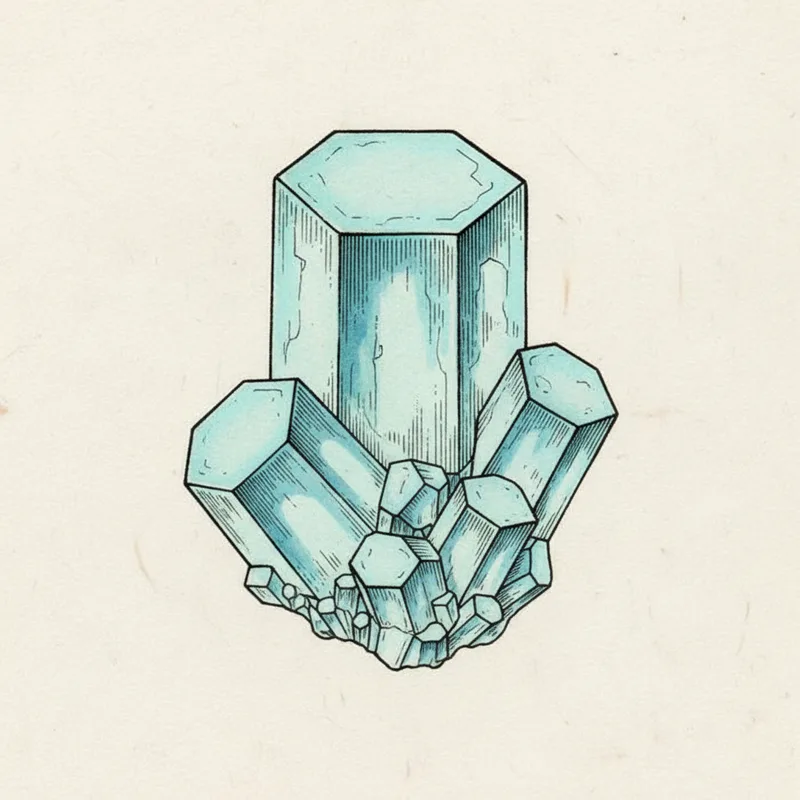
7.5: Tourmaline, Beryl Family (Aquamarine, Morganite, Heliodor), Emerald, Garnet (Almandine, Pyrope)
Beryl is Be₃Al₂Si₆O₁₈. Tourmaline is a complex borosilicate. Solid everyday jewelry hardness, but beryl has weak basal cleavage that shows up under impact. Emerald is the special case: it is beryl chemically, but almost all gem emeralds are heavily included and oiled to hide fractures. Never put an emerald in an ultrasonic cleaner. The vibration drives oil out of the fractures and leaves them visible.
8: Topaz, Spinel, Taaffeite
Al₂SiO₄(F,OH)₂ for topaz. Topaz has perfect basal cleavage. A hard strike along the cleavage plane cleaves a topaz crystal in half regardless of its hardness. Spinel, MgAl₂O₄, has no cleavage and is the more durable option at this level, which is why antique jewelers often used spinel where we would use sapphire today.
9: Corundum (Ruby, Sapphire)
Al₂O₃. Effectively bulletproof for jewelry. The only things in normal life that scratch corundum are diamond, synthetic corundum, silicon carbide (abrasive papers), and other rubies and sapphires. A sapphire ring worn daily for fifty years will still polish back to original luster. Heirloom territory.
What you can do: daily rings, tumbling (rare, because the stones are valuable), ultrasonic cleaning (if the stone is untreated; fracture-filled or beryllium-treated stones need caution). What you cannot do: assume it cannot break. Corundum has parting planes that behave like cleavage under impact.
10: Diamond
Pure carbon. The hardest natural substance on the scale, but hardness is not everything. Diamond has four perfect cleavage planes, and diamond cutters use this property to split rough stones with a single tap. A hammer blow on a diamond in the wrong orientation will cleave it. A ring knocked hard against a doorframe can chip a diamond along a girdle edge.
Hard does not mean indestructible. It means scratch resistant.
Hardness Is Not Toughness, and Neither Is Stability
Three independent properties govern how a stone behaves in the real world:
- Hardness: resistance to scratching. Mohs measures this.
- Toughness: resistance to impact, chipping, and fracturing. Measured in fracture toughness units (MPa·m^1/2) in modern gemology. Nephrite jade and chalcedony are the toughness champions among common stones.
- Stability: resistance to chemical and environmental damage. Covers heat, light, humidity, acids, and solvents. Opal, turquoise, amber, pearl, and halite all fail stability tests despite varying hardness.
A useful rule: if a stone scores well on two of three, it is a good candidate for daily wear. Ruby scores well on all three. Opal scores well on none and is still one of the most beloved gems, because stability can be managed with care.
Quick Reference Table
| Hardness | Example Mineral | Ring Safe? | Tumble Safe? | Water Safe? |
|---|---|---|---|---|
| 1 | Talc | No | No | No |
| 2 | Selenite, Halite | No | No | No (halite dissolves) |
| 3 | Calcite | No | No | Brief rinse only |
| 4 | Fluorite | No | Risky, cleavage | Yes |
| 5 | Apatite, Turquoise | No | Risky | Turquoise no |
| 6 | Moonstone, Opal | Protected settings | No | Opal no |
| 7 | Quartz, Agate | Yes | Yes | Yes |
| 7.5 | Tourmaline, Aquamarine | Yes | Yes | Yes |
| 8 | Topaz, Spinel | Yes (spinel better) | Yes (spinel) | Yes |
| 9 | Ruby, Sapphire | Yes | Yes | Yes |
| 10 | Diamond | Yes | Yes | Yes |
How to Use This Chart
Before buying a stone for a specific use, check three things: the Mohs hardness, the cleavage (listed on any reputable mineral data page), and any water or light sensitivity. A stone that fails any one of those three for your intended use is the wrong stone. A ring-grade aquamarine and a display-grade fluorite are both legitimate purchases; they are not interchangeable.
When in doubt, store harder and softer specimens separately, keep water away from anything below hardness 5, and never use ultrasonic cleaners on stones you have not specifically researched. The scale is a starting point, not the whole answer.
Crystals in This Article
- Talc
- Selenite
- Halite
- Calcite
- Angelite
- Celestite
- Fluorite
- Malachite
- Rhodochrosite
- Apatite
- Lapis Lazuli
- Obsidian
- Turquoise
- Moonstone
- Labradorite
- Amazonite
- Sodalite
- Opal
- Amethyst
- Citrine
- Rose Quartz
- Smoky Quartz
- Clear Quartz
- Jasper
- Agate
- Tiger Eye
- Tourmaline
- Aquamarine
- Morganite
- Emerald
- Garnet
- Topaz
- Spinel
- Ruby
- Sapphire
- Diamond
Metaphysical and “healing” associations mentioned here are cultural traditions, not medical advice or scientific fact. Crystals are not a substitute for professional medical care. Full disclaimer.
Crystals in This Article
Rhodochrosite
The Rose of the Incas
Lapis Lazuli
The Stone of the Heavens
Clear Quartz
The Master Healer
Smoky Quartz
The Grounding Stone
Labradorite
The Stone of Transformation
Rose Quartz
The Stone of Unconditional Love
Tourmaline
The Rainbow Stone
Aquamarine
The Sailor's Gem
Chalcedony
The Mother of Agates

Orthoclase
The Foundation Feldspar
Malachite
The Stone of Transformation
Turquoise
The Sky Stone
Keep Reading
Newsletter
Something shiny, now and then
A stone worth knowing, or a fake worth spotting, every so often. No spam.