Best Crystals for a Beach Trip: What to Bring
Key Takeaway: The beach is the harshest environment a crystal can face: salt water, abrasive sand, and full UV sun all at once. Some stones shrug it off, and a few are destroyed in a single afternoon. The dividing line is not metaphysical, it is mineralogy. Hardness, solubility, and cleavage decide what survives. Bring quartz, agate, jasper, hematite, and tourmaline. Leave selenite, pyrite, malachite, turquoise, and anything you would be sad to lose at home.
This is a physical-durability guide, not a meaning guide. If you want stones chosen for travel anxiety, jet lag, and protection tradition, read Best Crystals to Carry While Traveling for Protection instead. That post is about what each stone does for the traveler. This one is about which stones survive being at the beach at all.
The question we get every summer is some version of "crystals safe for ocean salt water beach," and the honest answer is that the beach combines three separate attacks. Understanding each one tells you exactly what to pack.
Three Things the Beach Does to a Crystal
Salt water dissolves and corrodes. Seawater is roughly 3.5% dissolved salt, slightly alkaline, and chemically aggressive. Water-soluble minerals dissolve outright. Porous stones wick salty water into their pores, then dry into a crust that pits the surface. Sulfide minerals react with salt and moisture and start to rust.
Sand abrades. Beach sand is mostly quartz, hardness 7 on the Mohs scale. Any stone softer than about 7 will pick up scratches and lose polish when sand gets rubbed against it in a pocket or bag. This is pure hardness math.
Sun fades color centers. Full beach sun is the strongest UV most stones ever see. Certain crystals hold color through structural chemistry and do not care. Others hold color through fragile color centers that UV bleaches permanently. We cover the chemistry in crystals that fade in sunlight and the summer playbook in protecting crystals in summer heat and sunlight.
A beach-safe stone has to clear all three bars: not soluble, hard enough to resist sand, and stable in UV. Here is what passes.
Bring These: The Beach-Durable Stones
Clear Quartz and the Quartz Family
Clear quartz is the ideal beach stone. It is silicon dioxide, SiO₂, hardness 7, with no cleavage and effectively zero solubility in water. Its color (or lack of it) is structural, not from a fragile color center, so sun does nothing to it. Sand is also quartz, so quartz cannot meaningfully scratch quartz. You can drop a quartz pebble in a tide pool, leave it in the sun, and bury it in the sand, and it will be fine.
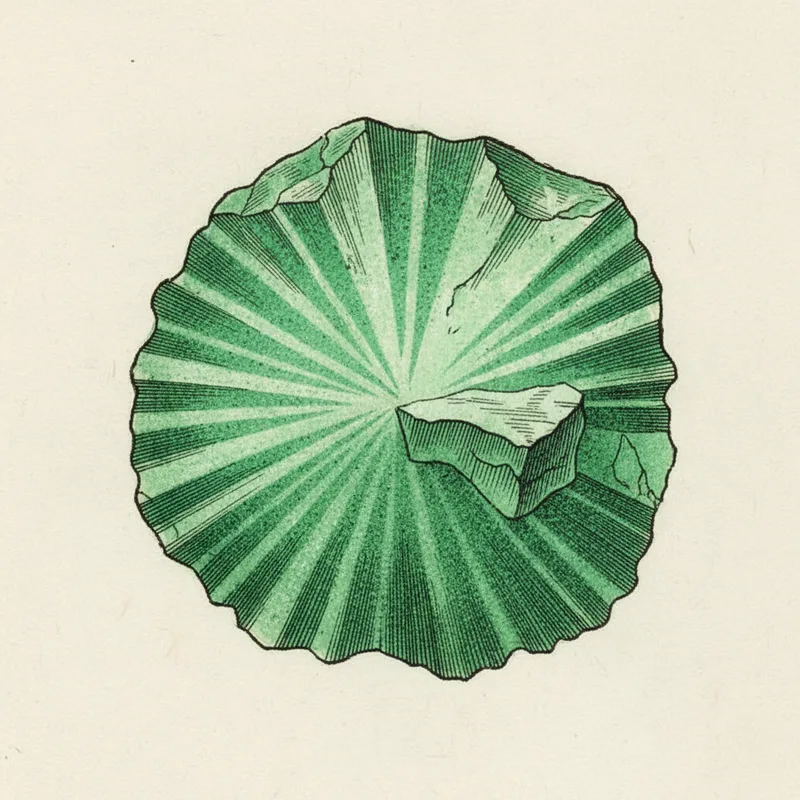
Most of the quartz family inherits this toughness. Citrine is a strong pick at hardness 7 with good water and abrasion resistance, though deeply saturated heat-treated citrine can pale slightly under extreme prolonged UV, so it is the one quartz to keep out of all-day direct sun. Carnelian and tiger eye are also hardness 7 quartz varieties that handle the beach well.
Agate and Jasper
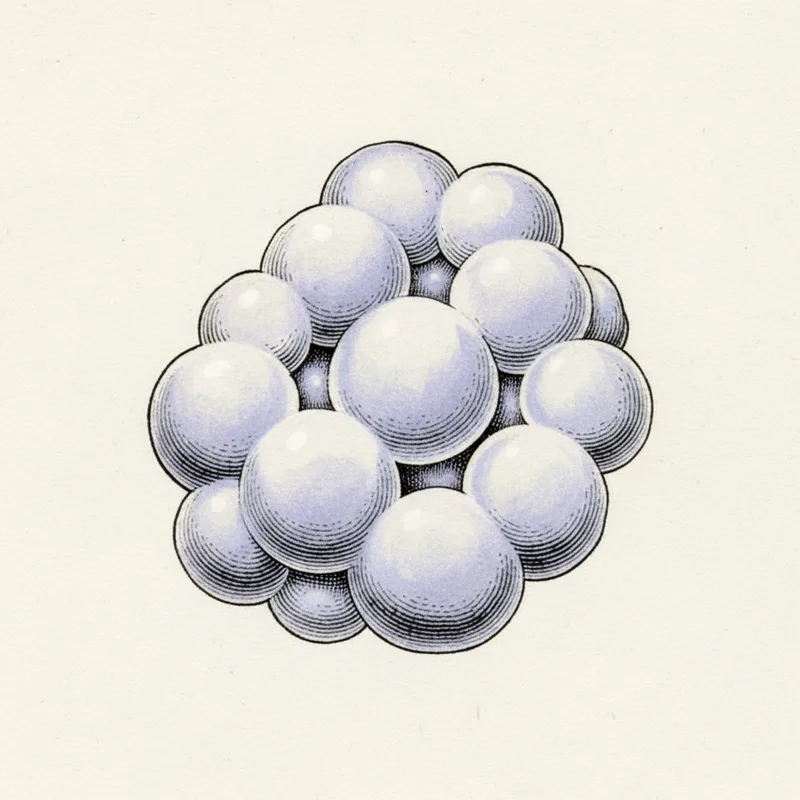
Agate and jasper are both cryptocrystalline quartz (chalcedony), hardness 6.5 to 7, with color that comes from mineral inclusions rather than UV-sensitive color centers. They are the classic beachcombing stones for a reason: tumbled agates and jaspers literally form and survive in the surf zone. No solubility, no cleavage, stable color. If you only bring one stone to the beach, make it an agate. You can rinse it in the ocean, dry it in the sun, and lose nothing.
Hematite
Hematite is iron oxide, Fe₂O₃, hardness 5.5 to 6.5. It is already an oxide, so unlike pyrite it does not rust further in salt air. It is dense, non-porous, and water-stable. The one caveat is purely cosmetic: its mirror polish can dull slightly against hardness-7 sand over time, so keep it in a separate pouch rather than loose with grit. Chemically, it is beach-safe.
Black Tourmaline
Black tourmaline (schorl) is a hard, durable borosilicate at hardness 7 to 7.5 with no water solubility and stable color. It survives salt water and sun without issue. It can chip along its length if banged hard against rock, so handle it like any prism, but chemically it is one of the safest stones you can take into a marine environment.
Honorable Mentions
Obsidian (volcanic glass, hardness 5 to 5.5) is water-stable and UV-stable, but it is brittle and conchoidal-fracturing, so it chips on rocks rather than dissolving. Garnet (hardness 6.5 to 7.5) and aventurine (quartz, hardness 7) are both durable enough for beach carry.
Leave These Home: The Stones the Beach Destroys
Selenite and Satin Spar (Dissolve)
This is the big one. Selenite and its fibrous form satin spar are gypsum, calcium sulfate, hardness 2, and crucially they are slightly water-soluble. Salt water is worse than fresh water for them. A satin spar wand left in a tide pool will go cloudy, pit, and slowly disintegrate. Even beach humidity and a single rinse will frost and etch the polish. Hardness 2 also means sand scratches it instantly. Selenite is the single worst stone to bring to a beach. Leave it home. (Not sure which you own? Most "selenite" towers are actually satin spar: here is how to tell them apart.)
Halite (Literally Dissolves)
Halite is rock salt, sodium chloride, the most water-soluble "crystal" on any shelf. Putting it near the ocean is putting salt back into salt water. It will not survive a humid day in a beach bag, let alone contact with the surf.
Pyrite (Rusts)
Pyrite is iron sulfide, FeS₂, hardness 6 to 6.5. Hardness is not the problem; chemistry is. Salt water and moisture accelerate the oxidation of pyrite into iron oxides and sulfuric acid, a process called pyrite decay. Salt-laden beach air is exactly the catalyst it dislikes. A pyrite cube exposed to ocean spray can develop rusty efflorescence and start to crumble. Keep it dry and inland.
Malachite and Turquoise (Porous and Reactive)
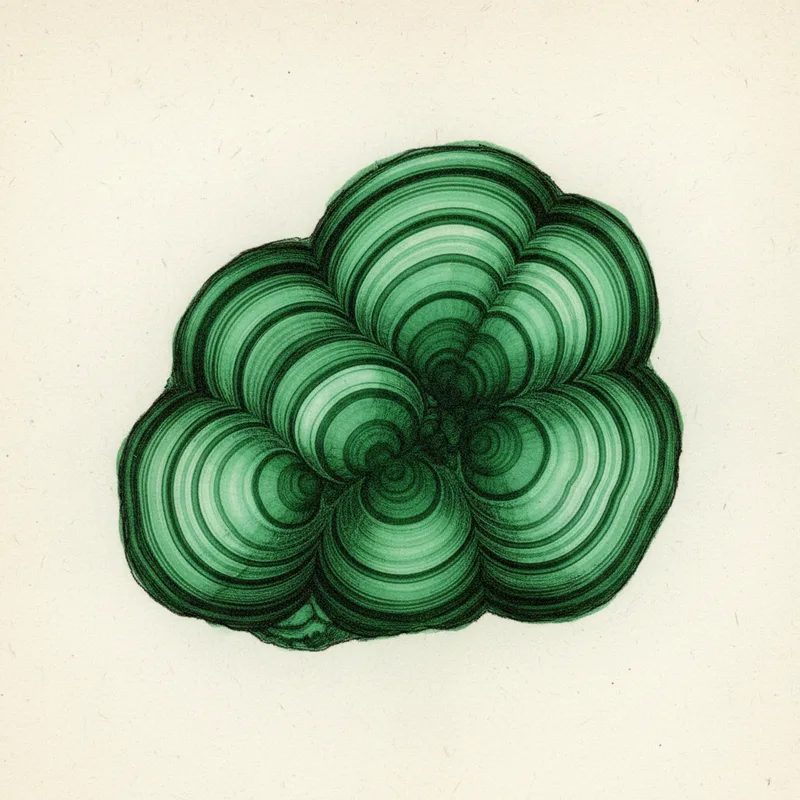
Malachite is a copper carbonate, hardness 3.5 to 4, soft enough to be sanded and porous enough to absorb salt water, which can react with the copper. Beyond the cosmetic damage, raw or cracked malachite produces toxic copper-bearing dust, so this is a do-not-soak stone for safety reasons too (see crystal care).
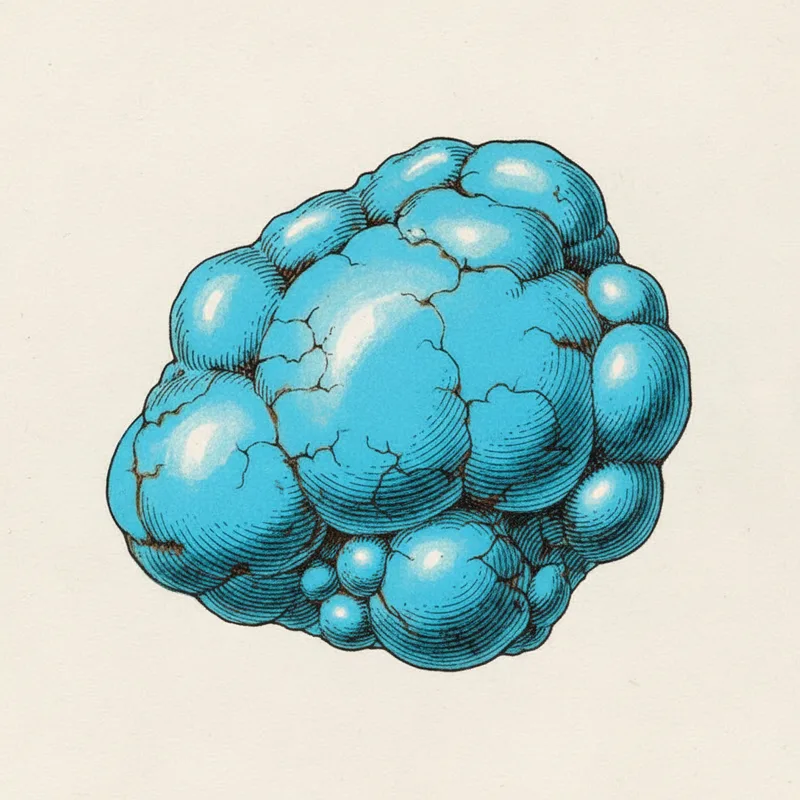
Turquoise is hydrated copper aluminum phosphate, hardness 5 to 6, and notoriously porous. It drinks up oils, sweat, and salt water, which can permanently discolor it to a green or brown cast. Most turquoise on the market is also stabilized or dyed, and salt water can attack the stabilizing resin or leach the dye. Leave real turquoise home; if yours is dyed howlite, salt water will out it fast (see Is My Turquoise Real?).
Calcite, Lapis, and Other Soft or Reactive Stones
Calcite is calcium carbonate, hardness 3, with perfect cleavage; it is soft, scratch-prone, and reacts with anything acidic. Lapis lazuli (hardness 5 to 5.5) is a porous rock with pyrite inclusions that can rust, and its calcite veining is soft and reactive. Fluorite is hardness 4 with perfect octahedral cleavage that makes it cleave on impact, and some fluorite fades in UV. None of these belong in a bag full of sand.
Moonstone and Opal (Fragile)
Moonstone is a feldspar with cleavage and hardness 6 to 6.5, prone to chipping. Opal is hydrated silica that can craze and crack as it dehydrates in beach heat and sun. Both are too fragile for the surf-and-sand environment even though neither is strongly soluble.
The Quick-Reference Rule
If you do not have the data in front of you, three rough rules cover most cases:
- If it is softer than 6 on the Mohs scale, sand will scratch it. That rules out selenite, calcite, malachite, fluorite, and most turquoise.
- If it ends in "-ite" and contains sulfate or carbonate, assume it is water-reactive. Selenite (sulfate), calcite and malachite (carbonate), and halite (a chloride salt) all dissolve or react.
- If it is quartz (clear quartz, citrine, agate, jasper, carnelian, tiger eye, aventurine), it is almost always beach-safe. Quartz is hardness 7, insoluble, and UV-stable. The whole family is built for it.
For the full per-stone breakdown of which crystals tolerate water, salt water, and sun, use the water-safe crystals reference table. This post is the why; that page is the lookup.
What to Actually Pack for the Beach
A practical kit that survives the day:
- One tumbled agate or jasper as your everyday beach stone (rinse it, sun it, bury it, no harm done)
- One clear quartz or carnelian palm stone
- One black tourmaline or hematite for pocket carry
- A small cloth pouch so the hardness-7 sand does not dull softer polishes by rubbing
Leave the selenite wand, the pyrite cube, the malachite, the turquoise, and anything fragile or sentimental at home. The beach is not the place to risk a stone you would miss.
FAQ
Can crystals go in ocean salt water? Quartz-family stones (clear quartz, agate, jasper, carnelian, tiger eye, citrine), hematite, and black tourmaline tolerate brief contact with salt water and a rinse afterward. Selenite, satin spar, halite, malachite, turquoise, calcite, and pyrite should never touch salt water. They dissolve, rust, or corrode.
Will sand scratch my crystals? Beach sand is mostly quartz at hardness 7, so it scratches any stone softer than about 7. Quartz, agate, jasper, and tourmaline resist it. Selenite (hardness 2), calcite (3), malachite (3.5 to 4), and turquoise (5 to 6) scratch easily. Keep stones in a pouch, not loose with grit.
Which crystal is safest to bring to the beach? Agate or jasper. Both are hardness-7 quartz with insoluble chemistry and UV-stable color, and they literally form in the surf. You can rinse, sun, and sand them with no damage.
Why does selenite dissolve at the beach? Selenite is gypsum, a slightly water-soluble calcium sulfate at hardness 2. Salt water dissolves and etches it faster than fresh water, and sand scratches it on contact. It is the single worst stone to take to a beach.
Can I cleanse crystals in the ocean? Only the durable ones, and even then a quick rinse, not a soak. For soluble, porous, or sulfide stones, ocean cleansing causes permanent damage. See how to cleanse crystals for safe methods by stone type.
Related Reading
- Best Crystals to Carry While Traveling for Protection - the meaning-and-tradition companion to this durability guide
- Water-Safe Crystals - the full per-stone water, salt water, and sun reference table
- Crystals That Fade in Sunlight - the UV chemistry behind beach-sun fading
- Protect Crystals in Summer Heat and Sunlight - the practical summer playbook
- Crystal Hardness Chart - the Mohs scale that decides what sand can scratch
- Crystal Care Guide - water safety, toxic-stone handling, and storage
Metaphysical and “healing” associations mentioned here are cultural traditions, not medical advice or scientific fact. Crystals are not a substitute for professional medical care. Full disclaimer.
Crystals in This Article
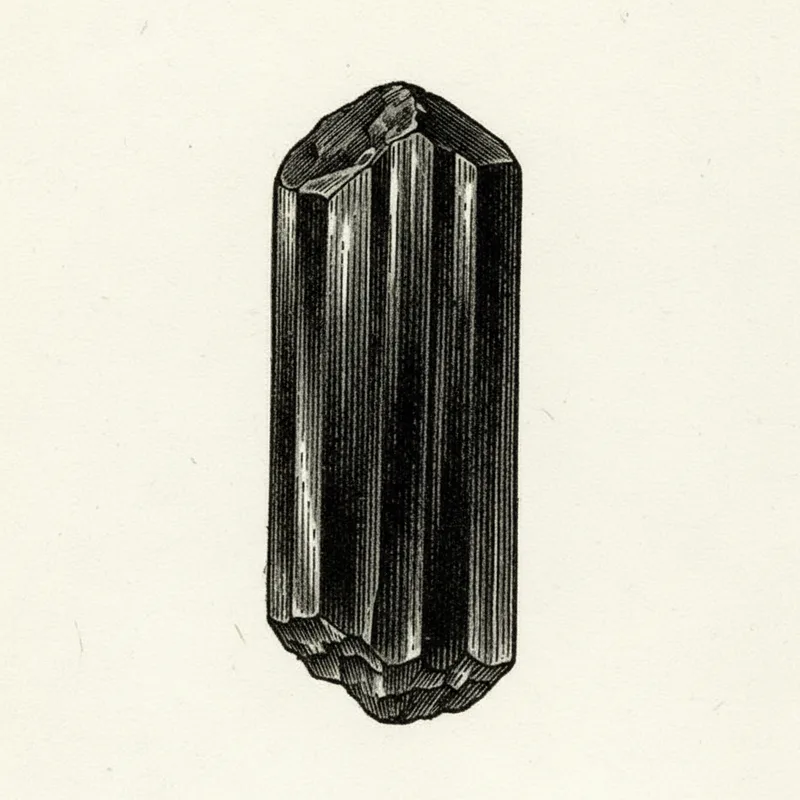
Black Tourmaline
The Shield Stone
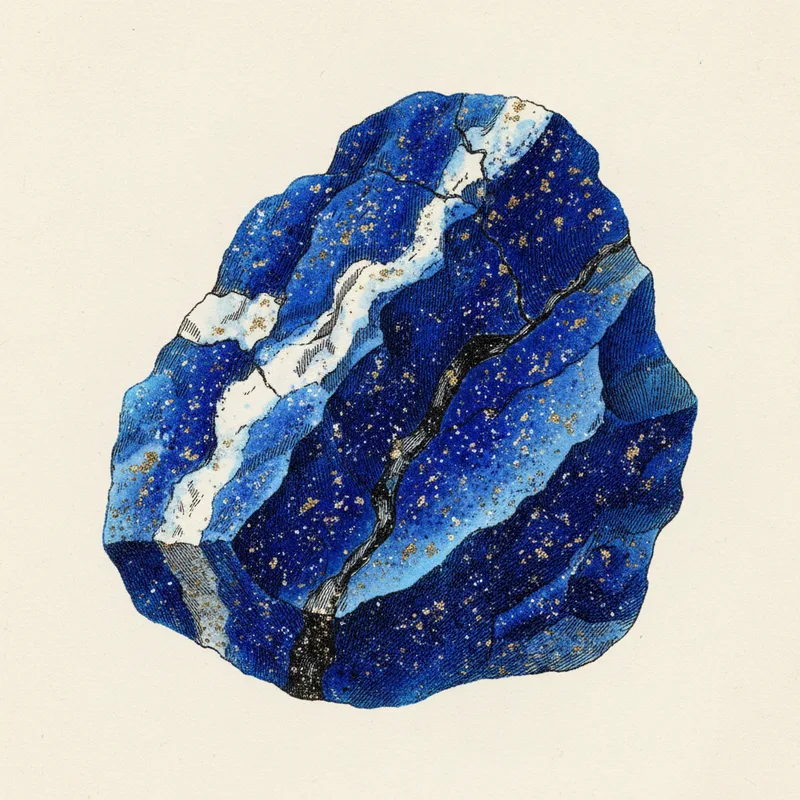
Lapis Lazuli
The Stone of the Heavens
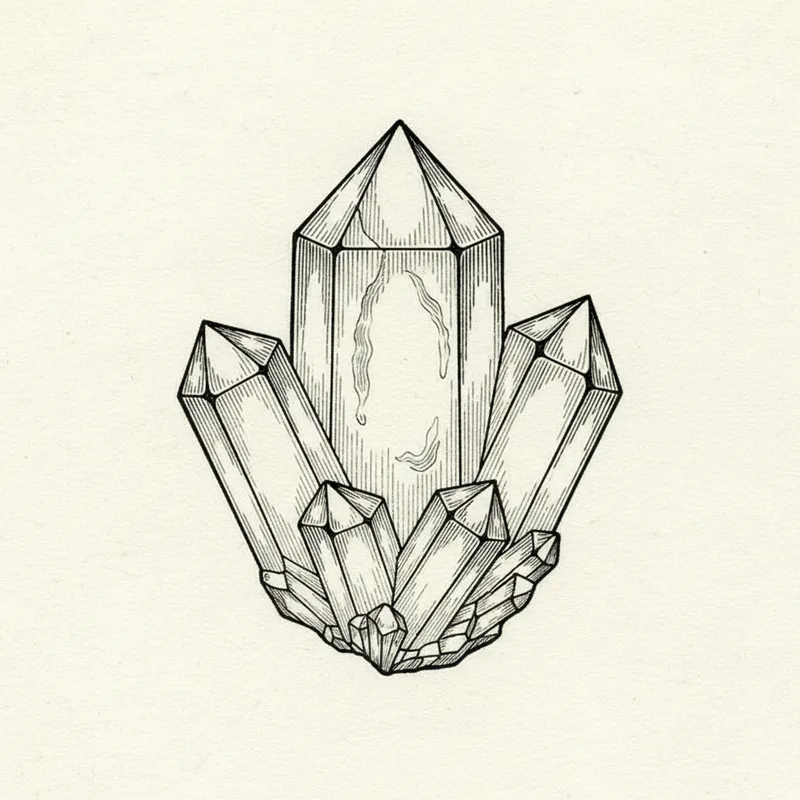
Clear Quartz
The Master Healer
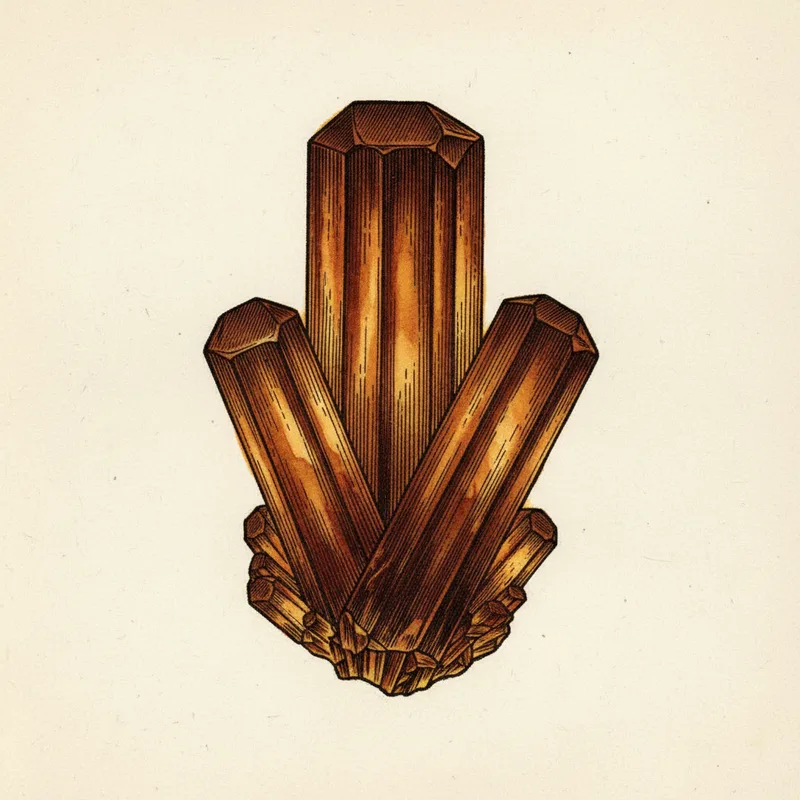
Tourmaline
The Rainbow Stone
Aventurine
The Stone of Opportunity
Chalcedony
The Mother of Agates

Satin Spar
The Silken Glow
Malachite
The Stone of Transformation
Turquoise
The Sky Stone
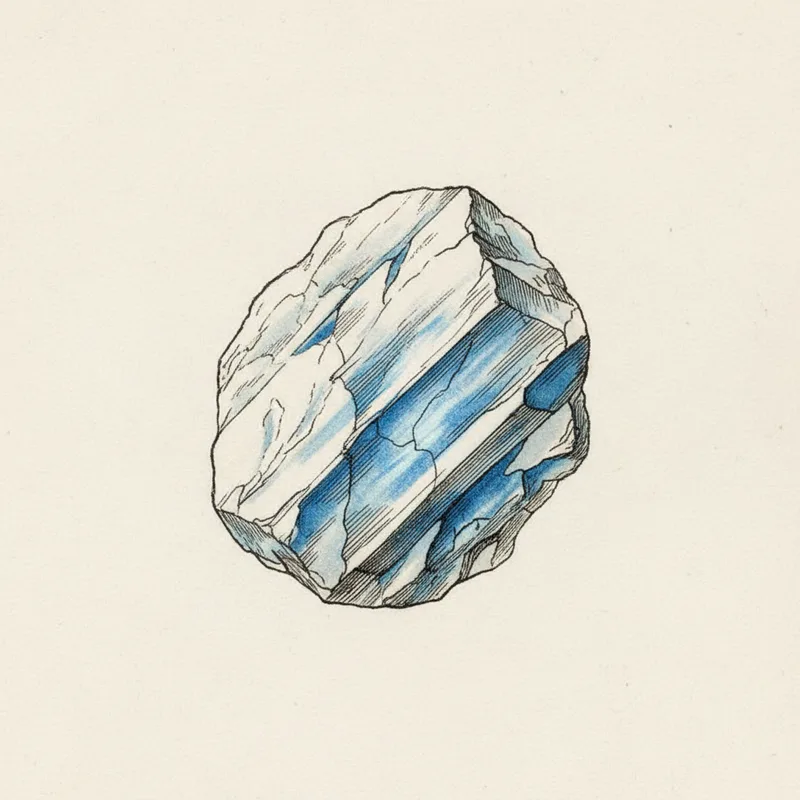
Moonstone
The Traveler's Stone
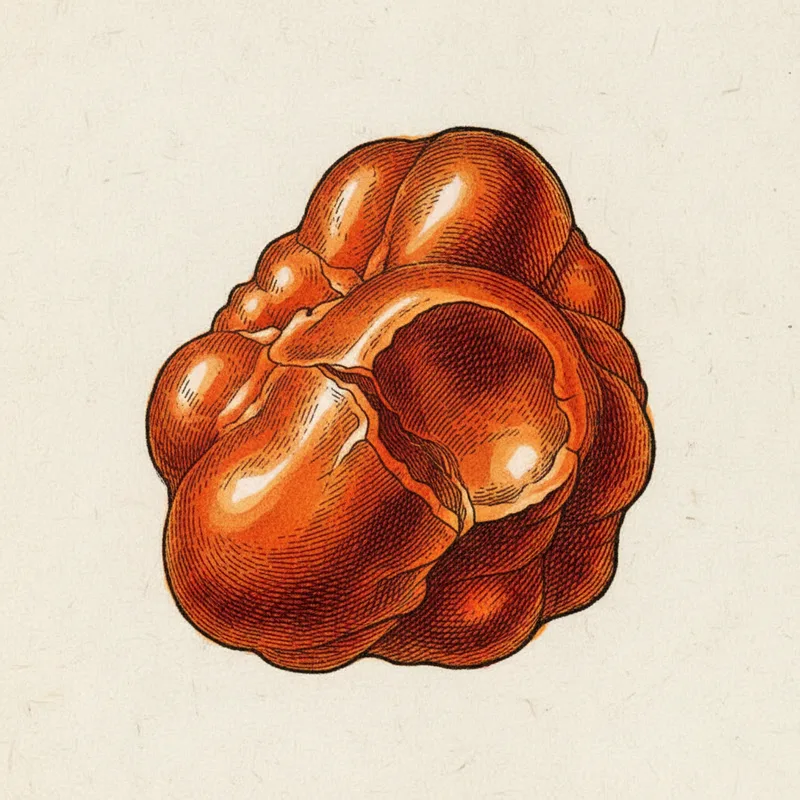
Carnelian
The Singer's Stone
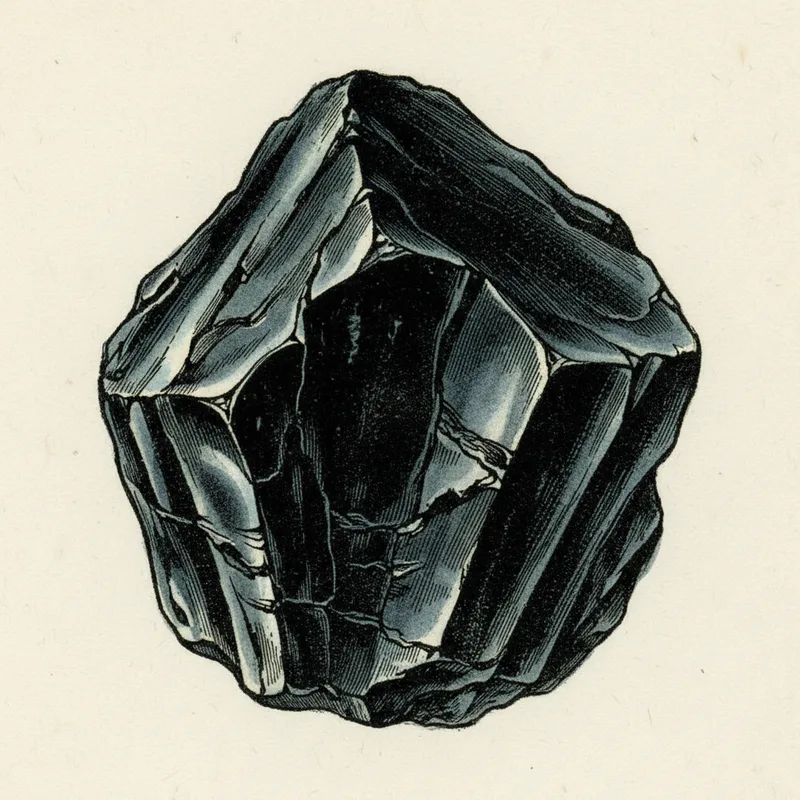
Obsidian
The Volcanic Glass
Keep Reading
Stay in the loop
From the Almanac
Updates from Crystal Almanac, when there’s something worth sharing.