How to Protect Crystals from Summer Heat and Sunlight
Key Takeaway: Heat and UV are the two biggest threats to crystals in the summer. UV bleaches color centers in amethyst, kunzite, smoky quartz, rose quartz, and citrine. Heat dehydrates opal, dries out pearls, and warps softer crystals on metal mounts. The fix is simple: move sensitive stones away from windows and out of cars before June. Here is the full practical playbook.
If you spent the spring building out a windowsill collection, June is the month it can go wrong. The angle of the sun in May is forgiving. The angle in late June, July, and August is brutal. UV intensity at solar noon increases roughly 50% between April 1 and June 21 in the continental U.S. The same windowsill that displayed your amethyst beautifully in March is bleaching it by July.
We have a separate detailed guide on the chemistry of why crystals fade in sunlight. This guide is the practical playbook: which stones to move, where to move them, and what to do if you have already discovered fading damage.
Two Threats, Different Mechanisms
Summer threats to crystals come from two distinct sources, and the protection strategies differ.
UV radiation breaks down color centers in certain crystals. The damage is permanent. Affected stones include most quartz varieties (amethyst, smoky quartz, rose quartz, citrine), kunzite, fluorite, topaz, sapphire (in some specimens), and many tumbled chalcedonies. The wavelengths that do the damage (UV-A and UV-B) pass through ordinary window glass.
Heat affects different stones through different mechanisms. Opals dehydrate and crack. Pearls dry out and lose luster. Turquoise, amber, and copal can warp or sweat. Crystals mounted on metal (rings, pendants) can loosen if the metal expands and contracts dramatically. Inclusion-rich quartz can develop new fractures around fluid inclusions when heated and cooled rapidly.
The Crystals to Move Out of Direct Sun and Heat in Summer
If you have any of these on a sunny windowsill, in a car, or on an outdoor patio in summer, move them now.
Will fade in UV (move first):
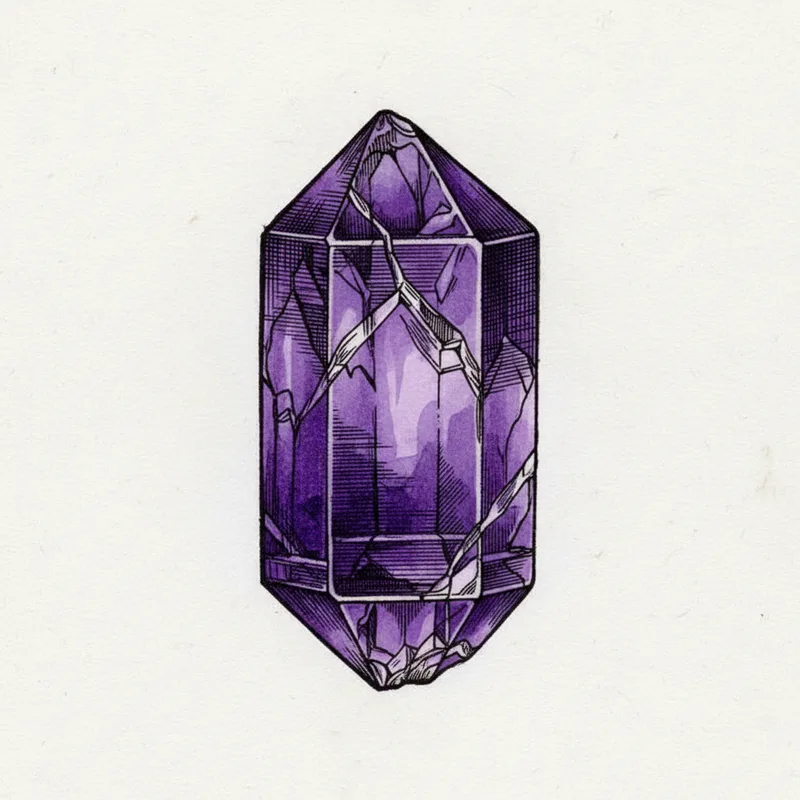
- Amethyst - the most vulnerable. Pale amethyst can fade in weeks of full sun.
- Citrine (especially heat-treated) - color is UV-sensitive.
- Smoky quartz - color centers are UV-sensitive.
- Rose quartz - the pink color slowly bleaches in sun.
- Kunzite - fades dramatically in UV.
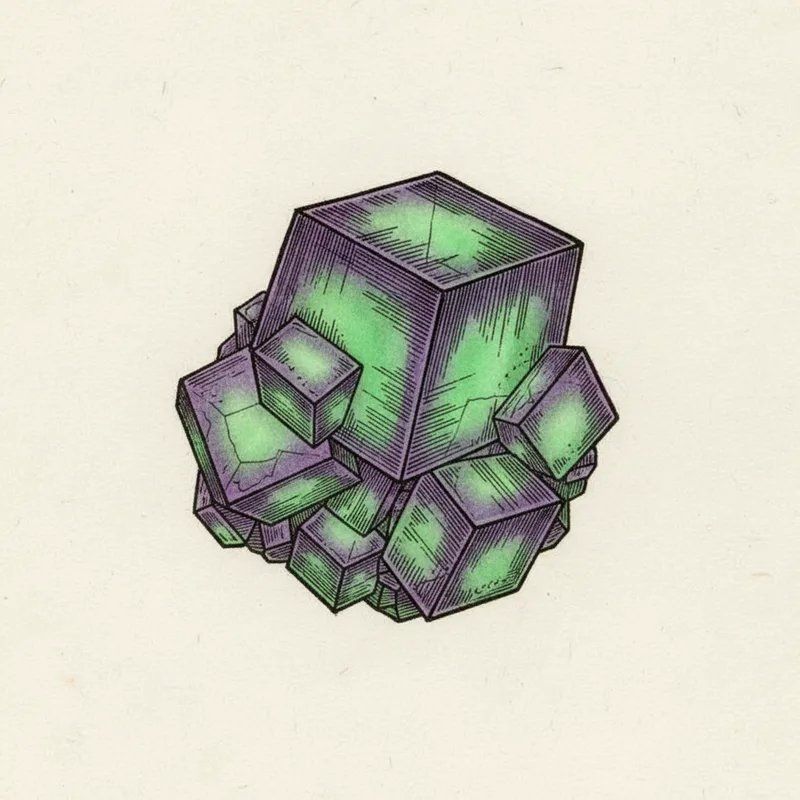
- Fluorite - some varieties fade or shift color.
- Topaz (especially blue and pink) - fades in extended UV.
Will be damaged by heat or rapid temperature change:
- Opal - dehydrates and crazes (fine surface cracks).
- Pearls - dry out and lose nacre luster.
- Turquoise - some varieties darken or develop a green cast.
- Amber - can soften and pick up surface contaminants.
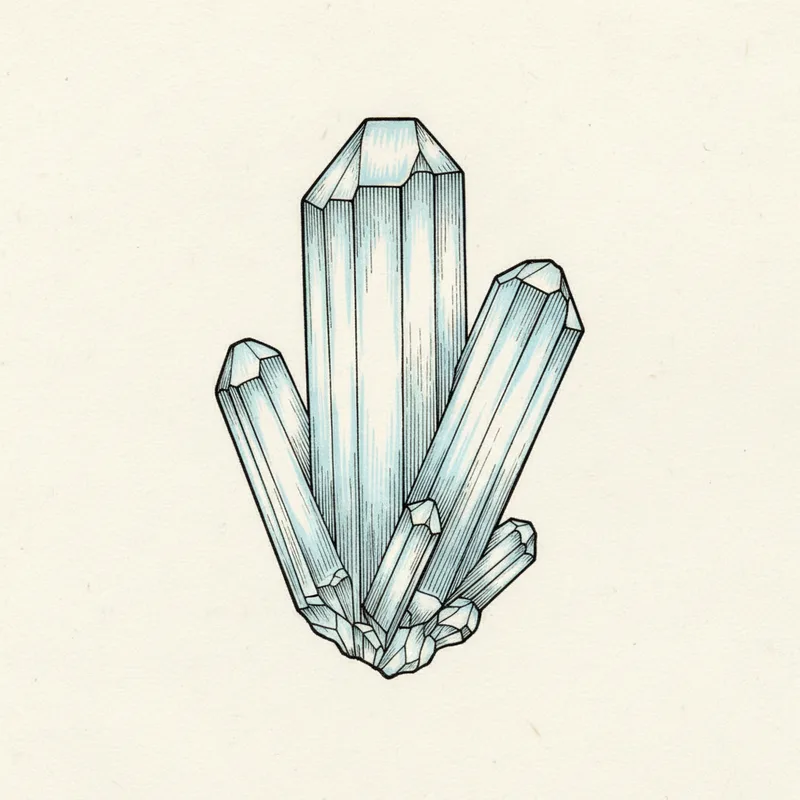
- Selenite - though stable in heat, dissolves in any moisture, so summer humidity in unprotected storage is a risk.
Generally safe in summer sun and heat:
- Most clear quartz (color is structural, not from color centers)
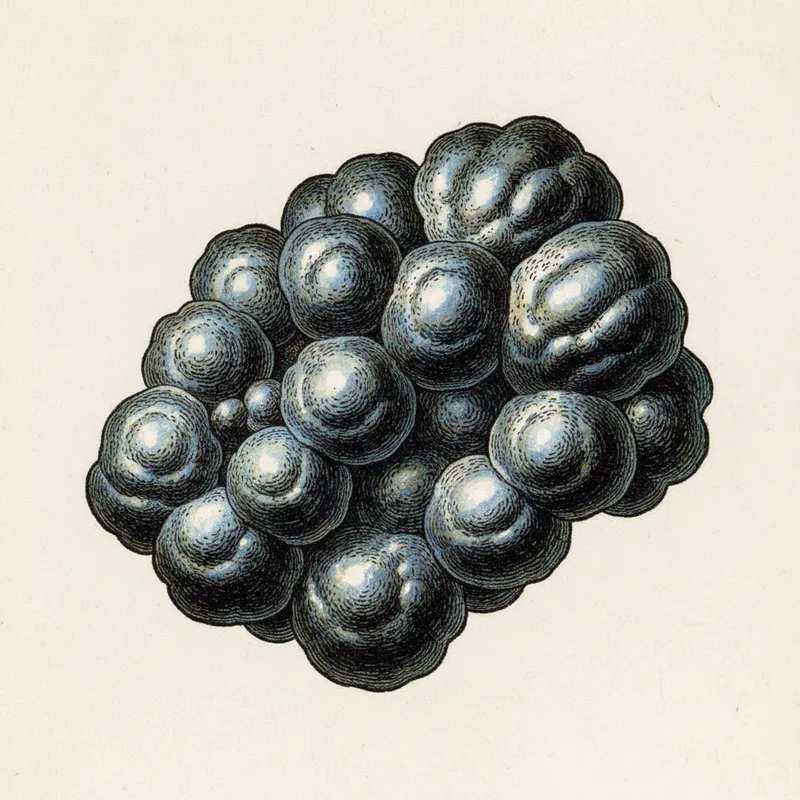
- Hematite, pyrite, and other metallic minerals
- Most agates and jaspers (color is from mineral inclusions, not color centers)
- Ruby and most sapphires (chromium chromophores are stable)
- Emerald and other beryl (chromium-colored beryls are stable)
- Peridot, garnet, spinel (color comes from chromophore ions)
Where to Actually Put Sensitive Crystals in Summer
The best storage for sensitive stones in summer:
- A drawer or interior cabinet out of direct light. Add a packet of silica gel if humidity is high.
- An interior shelf or display away from south- and west-facing windows.
- A glass display cabinet with UV-blocking glass. Specialty UV-filter glass reduces transmission by 95%+ and is worth it for valuable specimens. Museum supply houses sell appropriate glass.
- Cloth pouches inside a closed box. Cotton or microfiber pouches inside a jewelry box or specimen drawer.
What to avoid:
- South- or west-facing windowsills. These get the most direct sun in summer.
- Cars. Interior temperatures regularly exceed 140°F in summer. This is enough to cook some inclusion-rich crystals and to dehydrate opals catastrophically.
- Bathroom windowsills. Heat plus humidity from showers is the worst combination for selenite, pyrite, and several porous stones.
- Outdoor patios and gardens. Sun, heat, rain, and wind together are murder on most decorative crystals.
What to Do If You Have Already Lost Color
The hard truth: UV-fading is permanent in most cases. Once an amethyst color center is destroyed, it does not come back through cleansing, charging, salt-burying, or any other intervention. The electrons that produced the color are physically gone.
A handful of stones can sometimes be re-darkened or restored:
- Citrine that has faded can sometimes be restored with low-temperature heat treatment, though this requires lab equipment and is not a home process.
- Some smoky quartz can be re-irradiated to restore color, but only in a laboratory.
- Mineralized natural irradiation (the slow process that produced the color over millions of years underground) is not replicable in any practical timeframe.
The realistic answer: prevent fade, do not try to reverse it.
A Practical Summer Storage Routine
By June 1, sweep through your collection and:
- Identify sun-sensitive stones (the list above). Move them to interior storage.
- Photograph valuable specimens. Year-over-year photos document any slow color shift.
- Check that windows blocking direct light are not working as fade accelerators through reflection. South-facing windows that bounce light onto an interior wall can still fade nearby stones.
- Move stones out of any car in which you transport them. A Honda parked in an Arizona summer sun is not a place for amethyst.
- Add humidity control if storing pearls, opals, or amber in a dry interior climate. A simple humidity card and a small cup of water in the storage drawer keep humidity above 40%.
What About "Charging" Crystals in Sunlight?
Many crystal traditions describe placing stones in sunlight to "charge" them. The practice predates any chemistry knowledge. From a preservation standpoint, full-sun charging is fine for stones that do not contain fade-vulnerable color centers (clear quartz, hematite, agate, jasper, ruby, sapphire) but actively damages amethyst, citrine, smoky quartz, rose quartz, kunzite, and fluorite.
A reasonable compromise:
- Stones that are stable in sun: charge in morning sun (before 10 AM) for an hour or two. Indirect afternoon light works too.
- Stones that are fade-vulnerable: use moonlight charging, which has no UV component. The waxing or full moon is traditional for this.
- For most of your collection: indirect natural light is plenty. The intuitive sense that a stone "feels" recharged after time in light is real, but it does not require the kind of UV exposure that damages the stone.
The Bottom Line
Summer is when most collection damage actually happens. The fix is simple, free, and takes 20 minutes: identify your sun-sensitive stones, move them to interior storage, and stop "charging" amethyst on a south-facing windowsill in July. The collection you keep this year is the collection you have for the rest of your life.
For the chemistry behind why some crystals fade and others do not, see our crystals that fade in sunlight guide.
Related:
- Crystals That Fade in Sunlight (and the Chemistry Behind It)
- Best Crystals for a Beach Trip: What to Bring - salt water and sand on top of summer sun
- Summer Solstice Crystals: Stones for the Year's Longest Day
- How to Cleanse Crystals (Without Damaging Them)
- Crystal Care Reference Guide
- Gemini Season Crystals 2026
Metaphysical and “healing” associations mentioned here are cultural traditions, not medical advice or scientific fact. Crystals are not a substitute for professional medical care. Full disclaimer.
Crystals in This Article
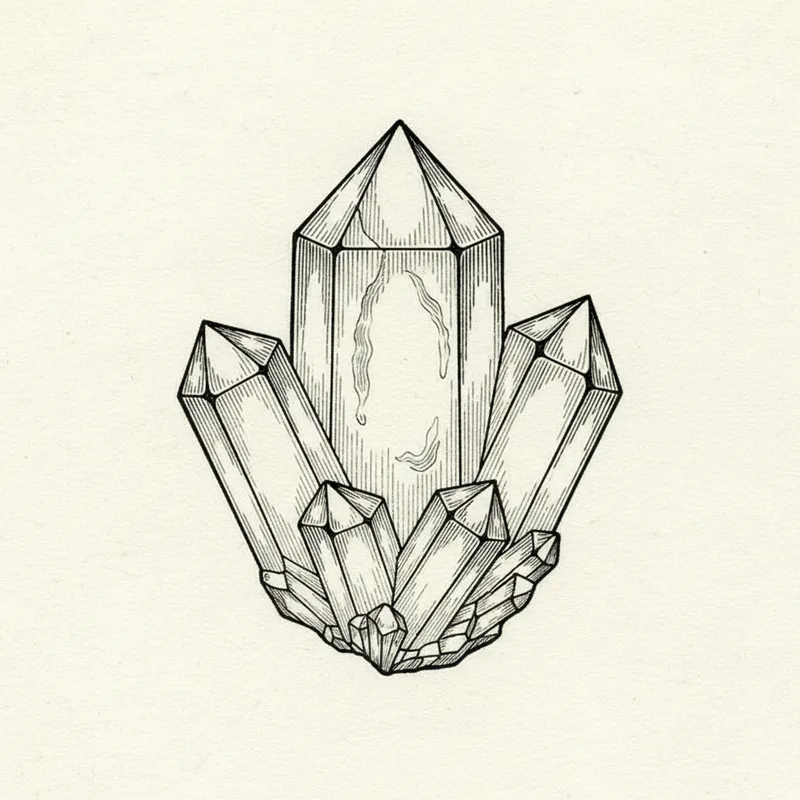
Clear Quartz
The Master Healer
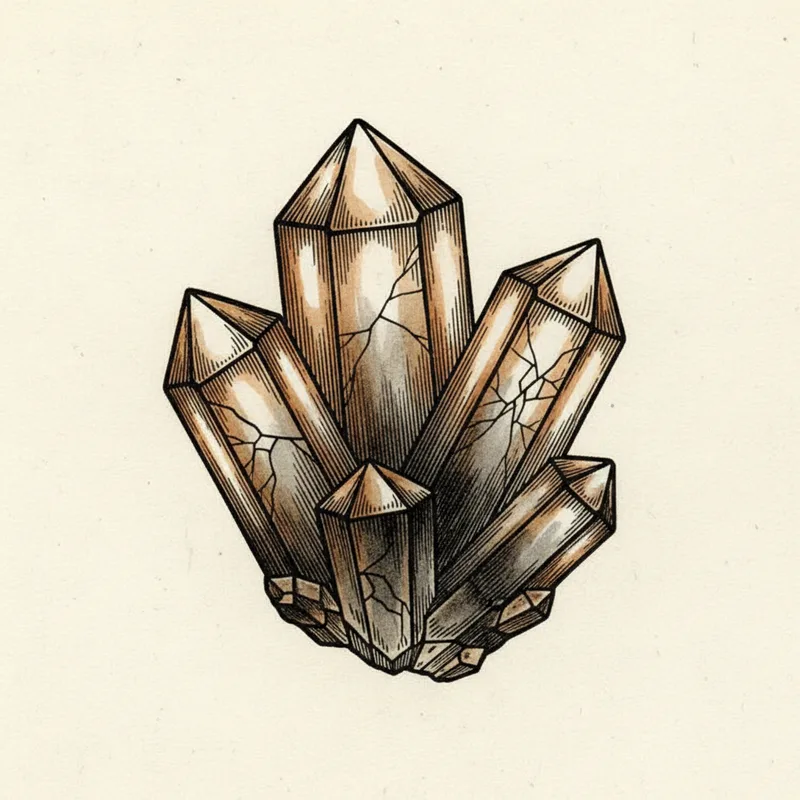
Smoky Quartz
The Grounding Stone
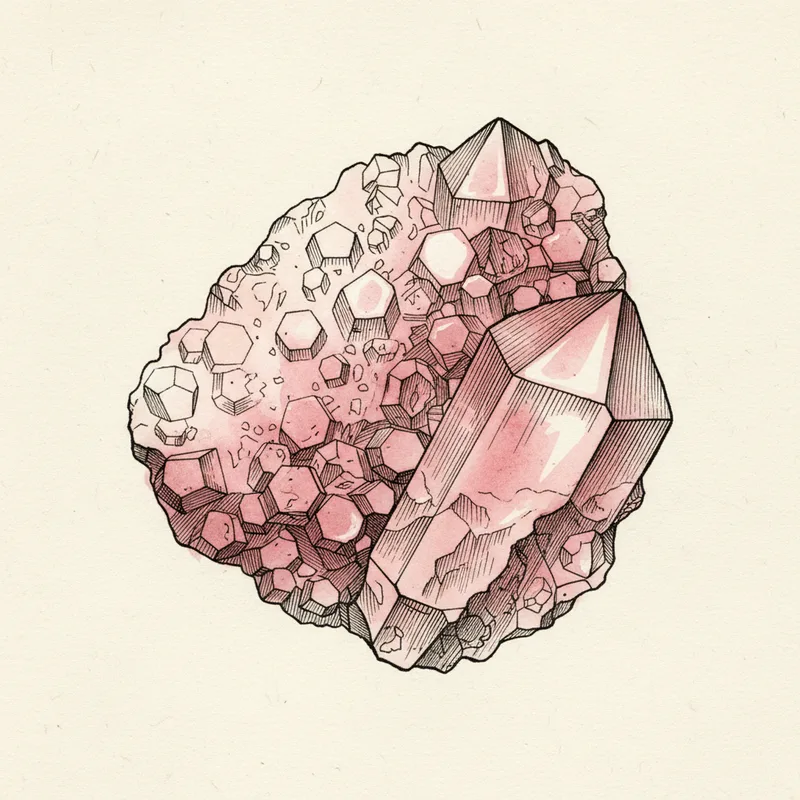
Rose Quartz
The Stone of Unconditional Love
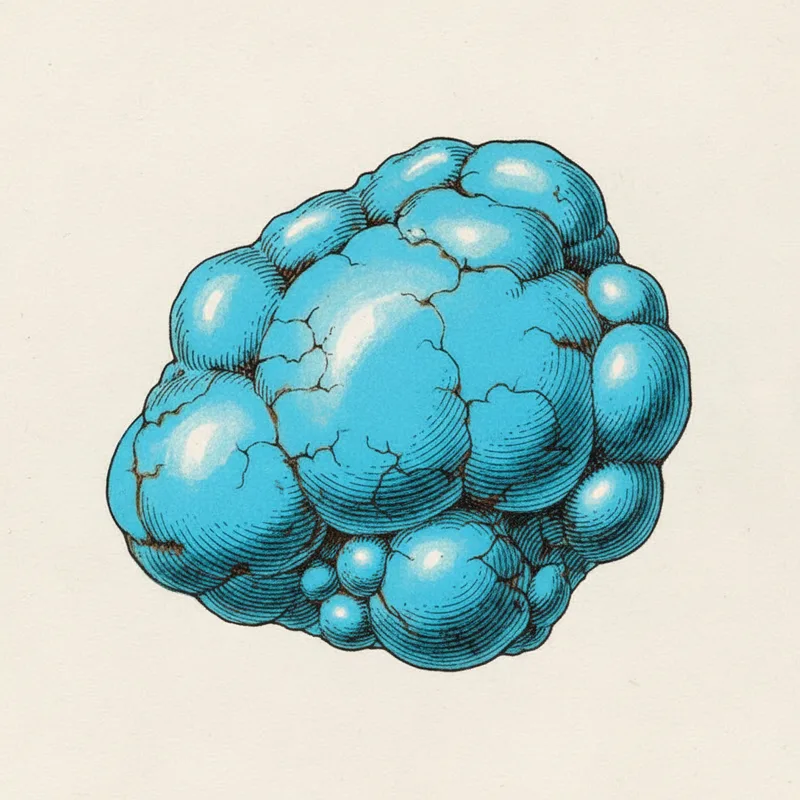
Turquoise
The Sky Stone
Amethyst
The Stone of Spiritual Wisdom
Fluorite
The Genius Stone
Selenite
The Liquid Light
Hematite
The Blood Stone
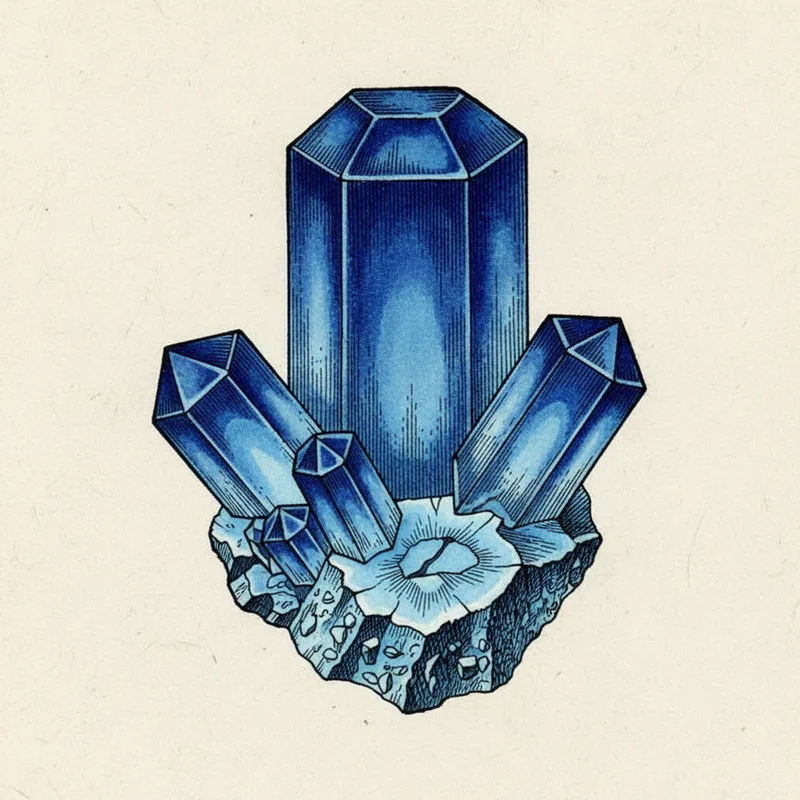
Sapphire
The Gem of the Heavens
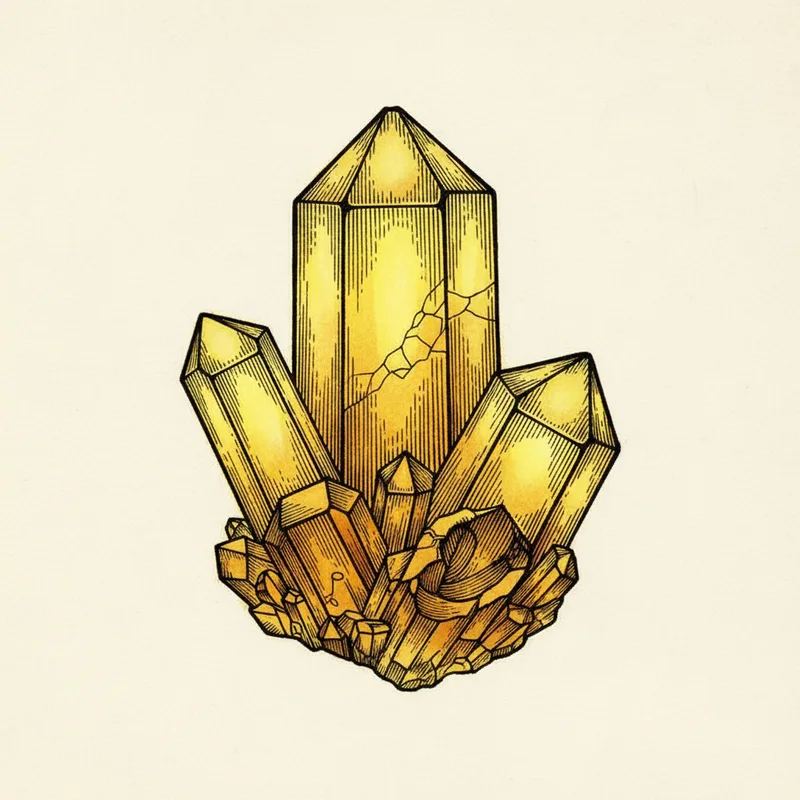
Citrine
The Merchant's Stone
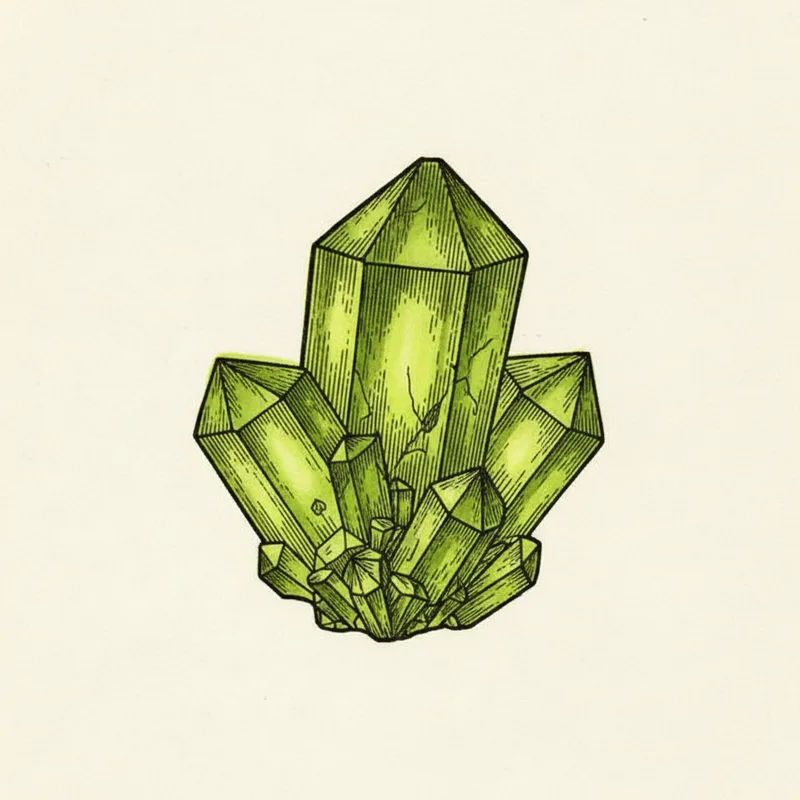
Peridot
The Evening Emerald
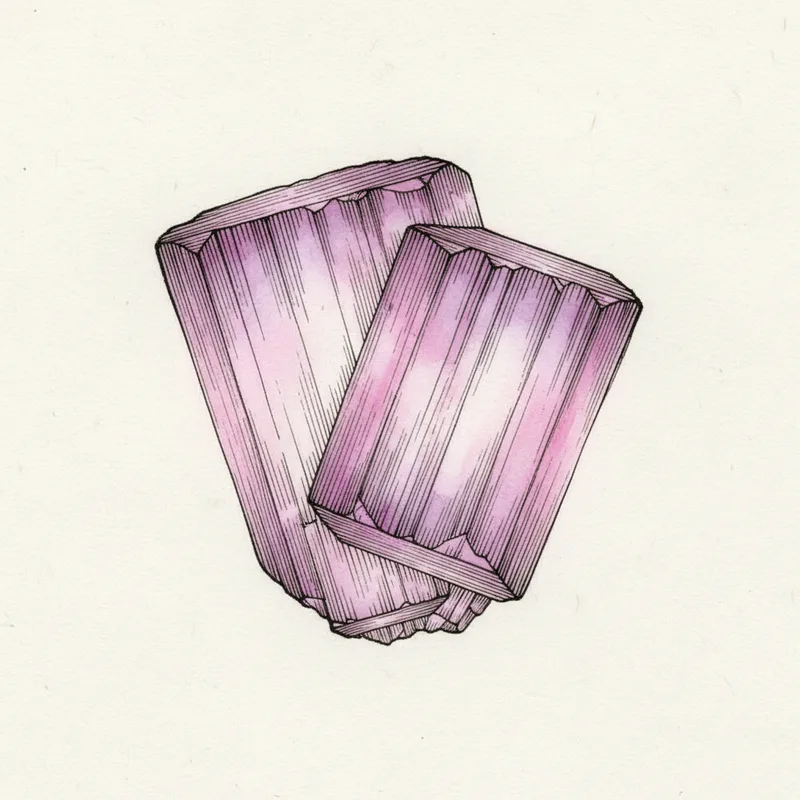
Kunzite
The Evening Stone
Keep Reading
Newsletter
Something shiny, now and then
A stone worth knowing, or a fake worth spotting, every so often. No spam.