Leo Season Crystals 2026: Stones for Confidence
Key Takeaway: Leo season runs July 22 through August 22 in 2026. It is the fixed fire sign ruled by the Sun, the sign of self-expression, confidence, creativity, and leadership. The crystals that pair with it are the warm, golden, sun-stable stones: sunstone, citrine, tiger's eye, golden healer quartz, carnelian, and pyrite. These are the six worth keeping at hand for the brightest month of the year.
The sun crosses into Leo on July 22 this year, at 3:13 pm Eastern, trading the Moon's tender water for its own fire. The next month belongs to the fifth sign of the zodiac. Astrologers describe Leo as confident, generous, and creative, the sign most at home in the spotlight. Its ruler is the Sun itself, the only sign governed by a star rather than a planet, its element is fire, and its natural domain is the fifth house of self-expression, play, and creative work.
If you come at crystals from a geological angle, the stones traditionally tied to Leo share a clear physical signature: warm golden and orange color, and an internal shine that catches light the way Leo catches attention. Some glow from metallic inclusions, some from iron in their chemistry, one from a literal metallic luster. The Sun connection feels less arbitrary once you notice these are the stones that most look like captured daylight.
A second event follows on its heels. Mercury stations direct on July 23, the second day of Leo season, closing the retrograde it began in Cancer on June 29, though the post-retrograde shadow runs on to August 6. The Mercury retrograde stones are a cooler, quieter set than the ones below, and the two windows overlap for the first two weeks of Leo season.
Below are six crystals for Leo season, each with a note on how it looks, how it formed, why tradition ties it to the sign, and how to use it. A short ritual and a care note close things out, because high summer is the rare season when sunlight itself can damage part of a collection.
1. Sunstone: The Literal Sun Stone
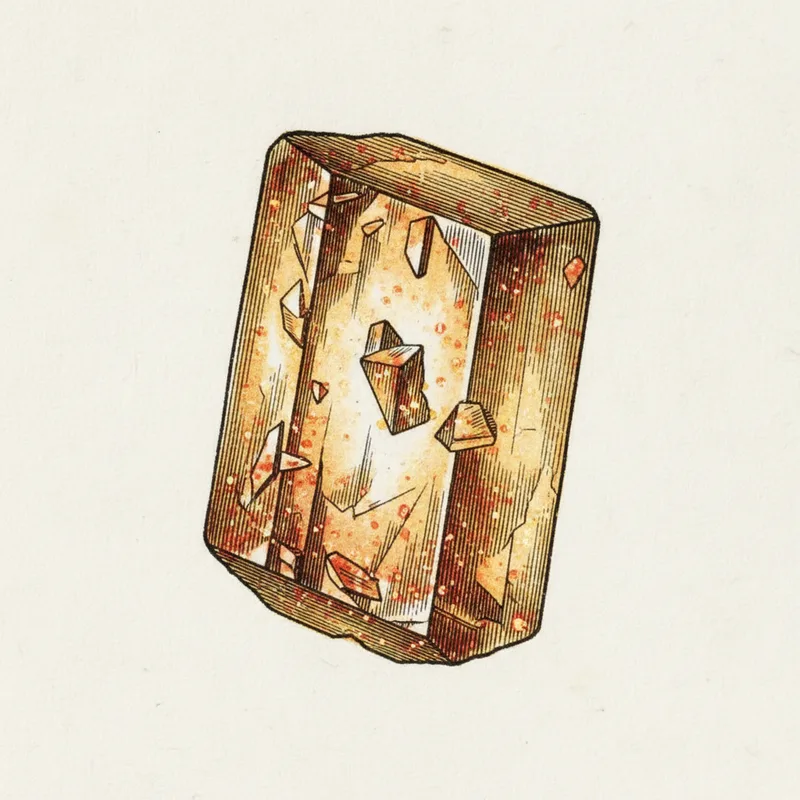
Sunstone is the natural place to start for a Sun-ruled season. It is a plagioclase feldspar with a warm orange-to-copper body and a metallic glitter, called aventurescence, that flashes as you turn it.
That sparkle is the geological hook. As the feldspar cooled, microscopic platelets of copper or hematite crystallized in aligned layers inside the stone, and light bounces off those reflective flakes as a spangled shimmer. The finest material, Oregon sunstone, gets both its color and its flash from native copper locked in the lattice.
Sunstone is also one of the most sun-stable stones here, so it is the one to keep where it gets light. Set a tumbled piece on a south-facing windowsill or carry it in a pocket through the day. Expect $5 to $40 for a tumbled stone, more for gem-grade Oregon material.
Traditional associations: Vitality, leadership, optimism, personal power. It is hard to find a stone more on-theme for a Sun-ruled sign.
2. Citrine: Golden Quartz for Confidence
Citrine is the classic golden quartz, ranging from pale lemon to deep amber. It is macrocrystalline quartz (SiO₂) colored by trace iron in the crystal structure.
Here is the part most sellers skip: most commercial citrine is heat-treated amethyst, and the warm color comes from a color center rather than a stable chromophore. That matters in July, because color-center coloring can fade with prolonged sunlight and heat. For how to tell natural from heat-treated, our citrine meaning and properties guide walks through the tells.
Use citrine where you work and spend, not on a sunny sill. Keep a point on your desk or a tumbled stone in your wallet as a confidence and abundance anchor, out of direct sun. Expect $4 to $20 for a tumbled stone or small point.
Traditional associations: Confidence, abundance, creativity, joy. The sunny color has made it a modern "success stone," a clean fit for Leo's bold creative work.
3. Tiger's Eye: The Stone of Courage
Tiger's eye is the gold-and-brown banded stone with a silky moving band of light across its surface, an optical effect called chatoyancy, or the cat's-eye effect.
Tiger's eye is a quartz pseudomorph: silica gradually replaced fibrous blue crocidolite, molecule by molecule, while preserving the parallel fibrous structure, and iron oxide staining turned it golden. Because the fibers stayed aligned through the replacement, light reflects off them in a single moving band, the cat's-eye shine. Most of it comes from South Africa.
At hardness 7 and fully sun-stable, it suits a bracelet or pendant you keep on through the day. Tradition has long carried tiger's eye as a courage and confidence talisman, so wearing it as Leo season's daily stone is the natural use. Expect $3 to $15 for a tumbled stone or bead bracelet.
Traditional associations: Courage, confidence, focus, protection. The "all-seeing eye" symbolism pairs neatly with Leo's outward-facing energy.
4. Golden Healer Quartz: Warm Light for Creative Work
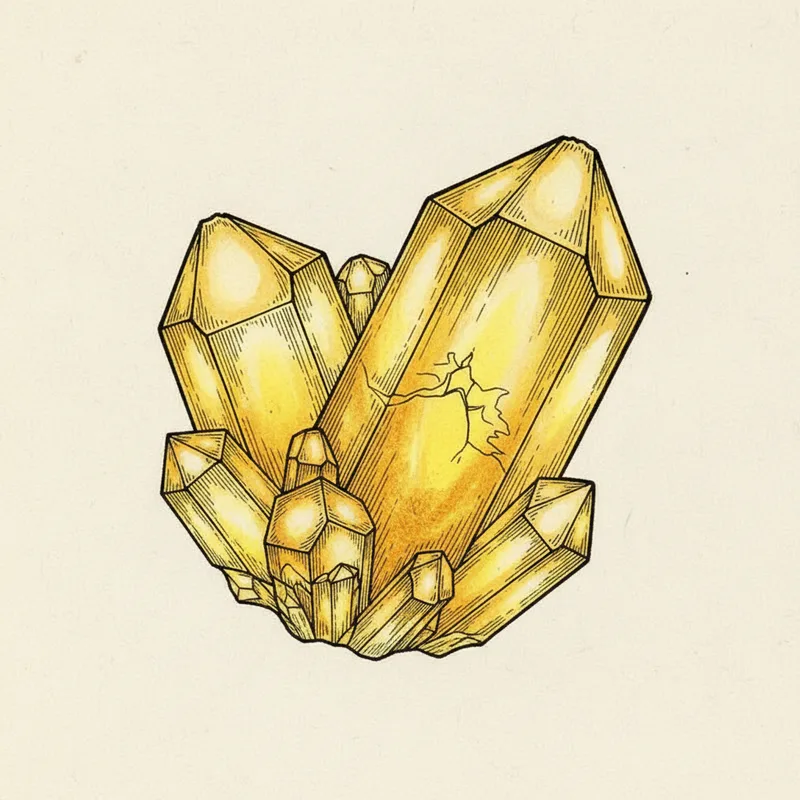
Golden healer quartz is clear or smoky quartz carrying a warm golden veil, sometimes across the surface, sometimes as shimmering internal phantoms.
The gold is iron. A thin coating or inclusion of iron oxide minerals (goethite and limonite) on or within the quartz gives the honey-colored glow, while the underlying quartz stays clear and bright. It is essentially the clarity of quartz wearing a layer of captured sunlight.
Use it as a creative-focus stone: hold a point while journaling or planning a project, or set it on the desk where you do creative work. Expect $5 to $25 for a tumbled stone or small point.
Traditional associations: Warmth, motivation, creative drive. Crystal tradition frames it as a sunnier counterpart to clear quartz, fitting the playful, expressive side of the sign.
5. Carnelian: The Crystal of the Year
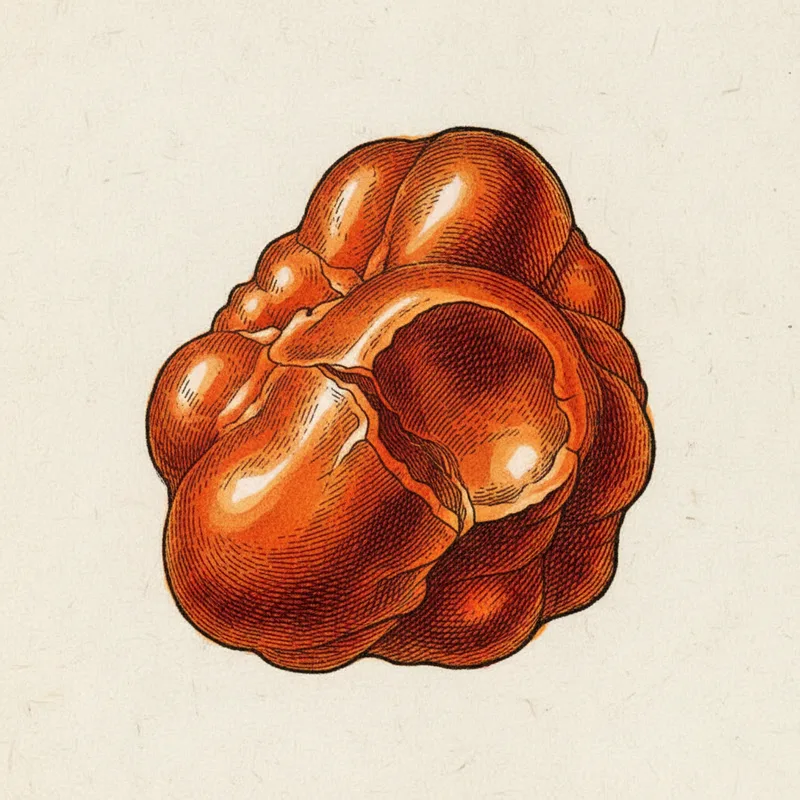
Carnelian is the warm orange-to-red translucent stone that closes the loop on a fiery palette, and it carries extra weight this year: it is our 2026 crystal of the year. It is a chalcedony, a microcrystalline form of quartz, colored by iron oxide spread through the silica.
Because that color comes from a chromophore-style iron mechanism rather than a fragile color center, carnelian is completely stable in sunlight, the opposite of citrine. You can carry it, wear it, or leave it in summer light without worrying about fading. Most comes from India, Brazil, and Uruguay. Expect $3 to $15 for a tumbled stone.
Carry carnelian as the daily pocket stone of the season, or wear it when you want momentum. Its sun-stability makes it the most worry-free choice here. For more on why it earned the year, see our carnelian meaning and properties guide.
Traditional associations: Courage, motivation, vitality, creative fire. Its warmth and forward push map directly onto Leo's confident, action-oriented streak.
6. Pyrite: Captured Sunlight in Metal
Pyrite brings the season's brightest shine. It is iron sulfide (FeS₂) with a true metallic gold luster, the source of its old nickname, fool's gold.
The striking thing about pyrite is its geometry. It crystallizes in the cubic (isometric) system, often growing into sharp, near-perfect cubes with faintly striated faces, a natural symmetry that looks almost machined. The brassy shine is genuine reflectivity off the metal-rich surface, which is why it reads as captured sunlight on a shelf.
Pyrite is a placement stone, not a wearable one. Set a cube or cluster on your desk as an abundance and confidence anchor for the month. Keep it dry, though: pyrite can oxidize in humidity (a slow breakdown called pyrite decay), so a steamy summer kitchen sill is the wrong spot. Expect $5 to $30 for a cube or small cluster.
Traditional associations: Abundance, willpower, confidence, leadership. The gold color and the link to wealth make it a fitting Leo stone for stepping into a bigger role.
A Three-Stone Ritual for the Month
For a simple way to engage these stones across Leo season, the three most useful are sunstone, carnelian, and citrine. Together they cover the modes the season brings up: the optimism to step forward (sunstone), the courage to keep moving (carnelian), and the confidence to be seen doing it (citrine).
Set the three out together at the start of Leo season on July 22. Each morning through August 22, hold one briefly and name a single thing you want to express, create, or take the lead on that day. The point is not magic. It is a structured habit of attention, with the stones as the prompt, fitting for a season that rewards showing up boldly.
Care Notes for Leo-Season Stones
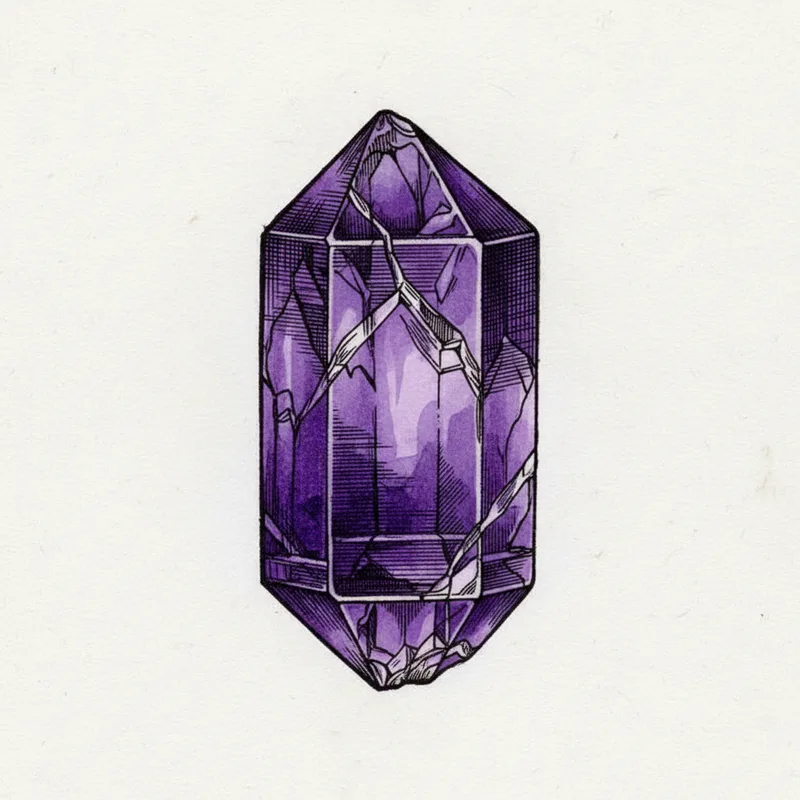
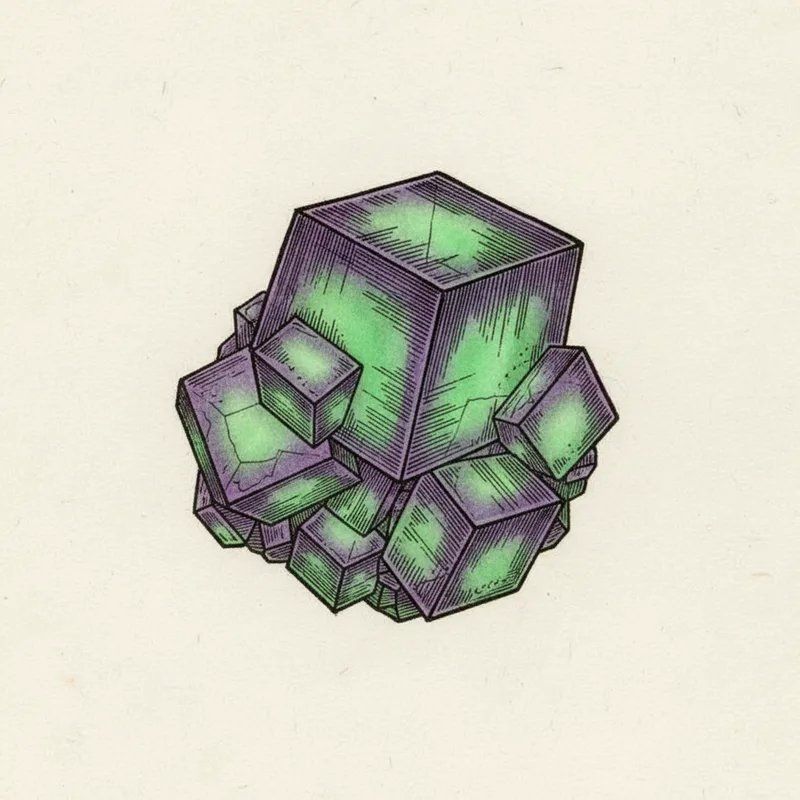
High summer is the one season where the sunlight itself is a hazard, so the care here is real. Citrine is the stone to protect: because its color often comes from a color center, prolonged direct sun and heat can fade it. The same is true of amethyst, rose quartz, fluorite, and amber. Our crystals that fade in sunlight guide lists the full set to keep out of the window, and our protecting crystals from summer heat and sunlight guide covers the rules for a hot car, a sunny sill, and a beach bag.
Most of this Leo palette, though, is built for the season. Sunstone, tiger's eye, and carnelian are all sun-stable and can live in the light. Pyrite is the exception for a different reason: keep it dry to avoid oxidation, not out of the sun.
What Comes Next
The sun crosses into Virgo on August 22-23, trading Leo's fire for earth and a quieter, more grounded focus. The Virgo-season crystals (amazonite, moss agate, peridot, fluorite, sapphire, and sodalite) lean cool and clarifying rather than golden and bold. For now, Leo season is here, and these are the six stones worth keeping nearby.
Related:
- Mercury Retrograde Crystals (direct July 23, shadow ends August 6)
- Virgo Season Crystals (August 23 - September 22)
- Cancer Season Crystals (June 21 - July 22)
- Gemini Season Crystals (May 21 - June 20)
- Crystals by Zodiac Sign: The Full Guide
- Carnelian: The 2026 Crystal of the Year
- Crystals That Fade in Sunlight
- Lion's Gate Portal 2026: Crystals for August 8
Metaphysical and “healing” associations mentioned here are cultural traditions, not medical advice or scientific fact. Crystals are not a substitute for professional medical care. Full disclaimer.
Crystals in This Article
Golden Healer Quartz
The Solar Catalyst
Oregon Sunstone
The Copper-Lit State Gem
Native Copper
The Builder's Metal
Clear Quartz
The Master Healer
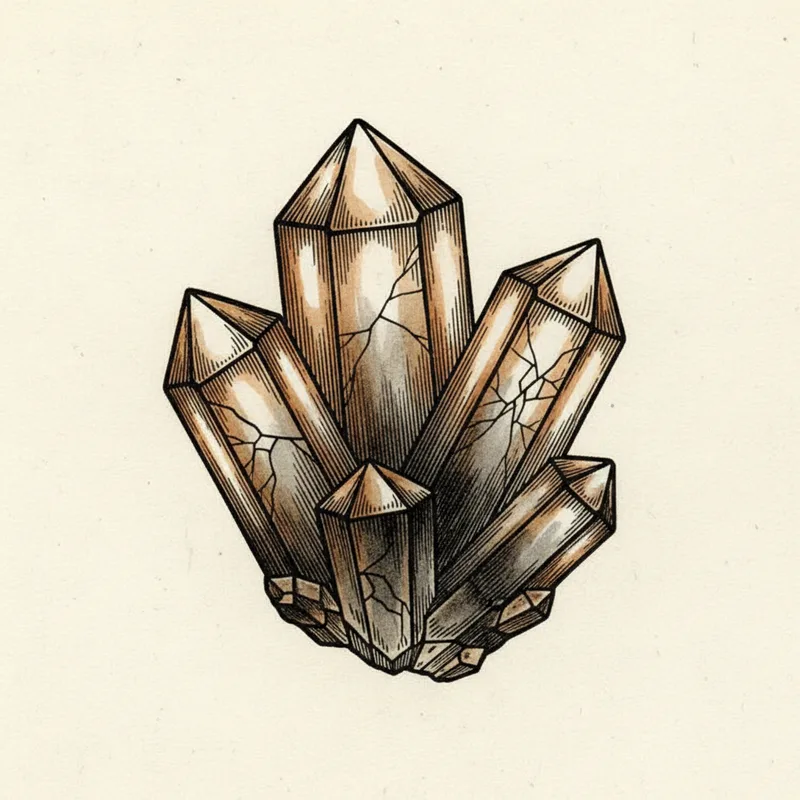
Smoky Quartz
The Grounding Stone
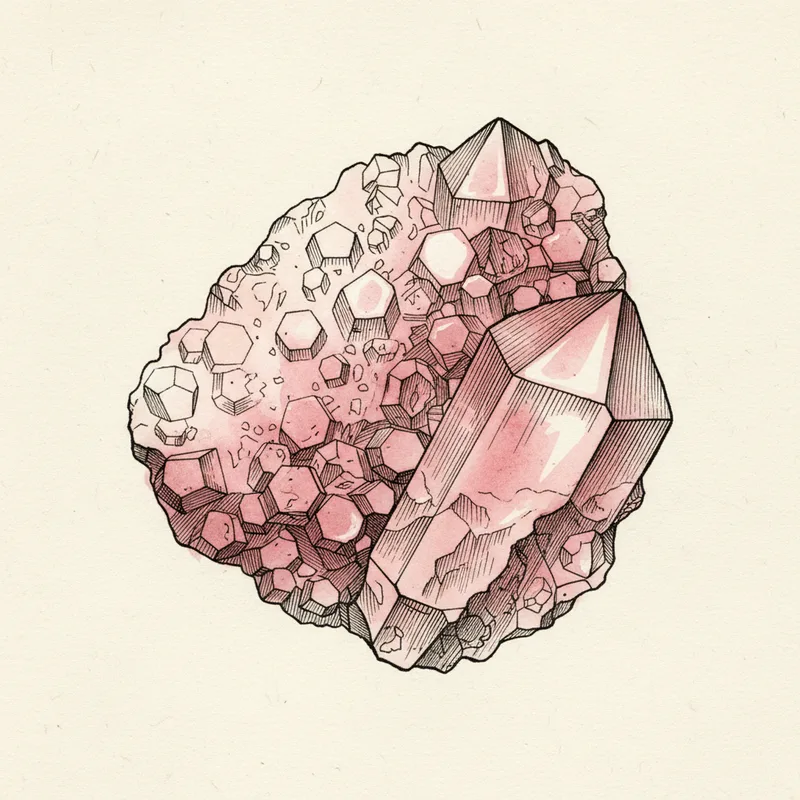
Rose Quartz
The Stone of Unconditional Love
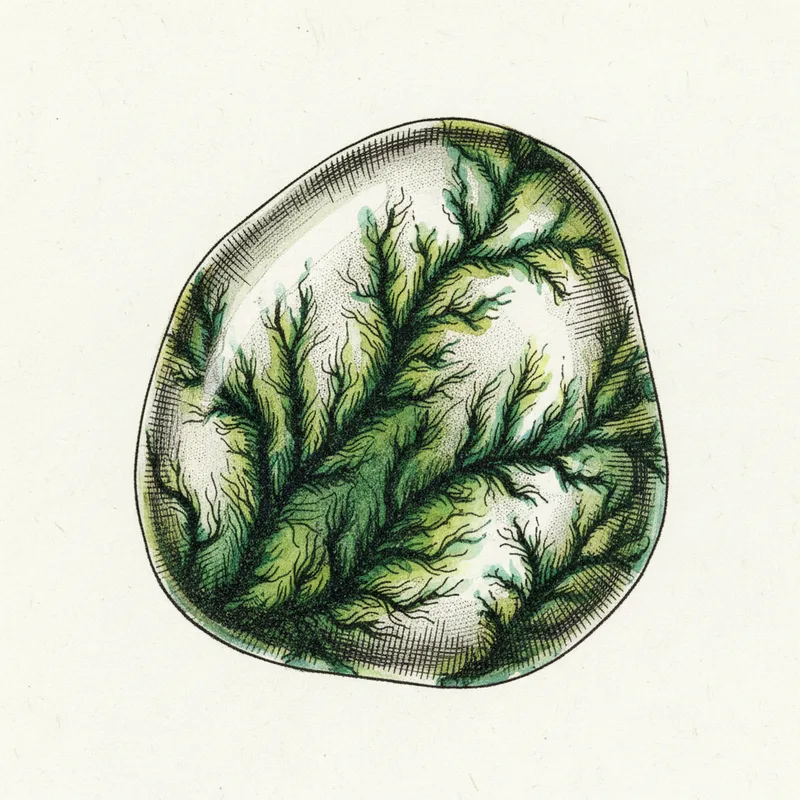
Moss Agate
The Gardener's Stone
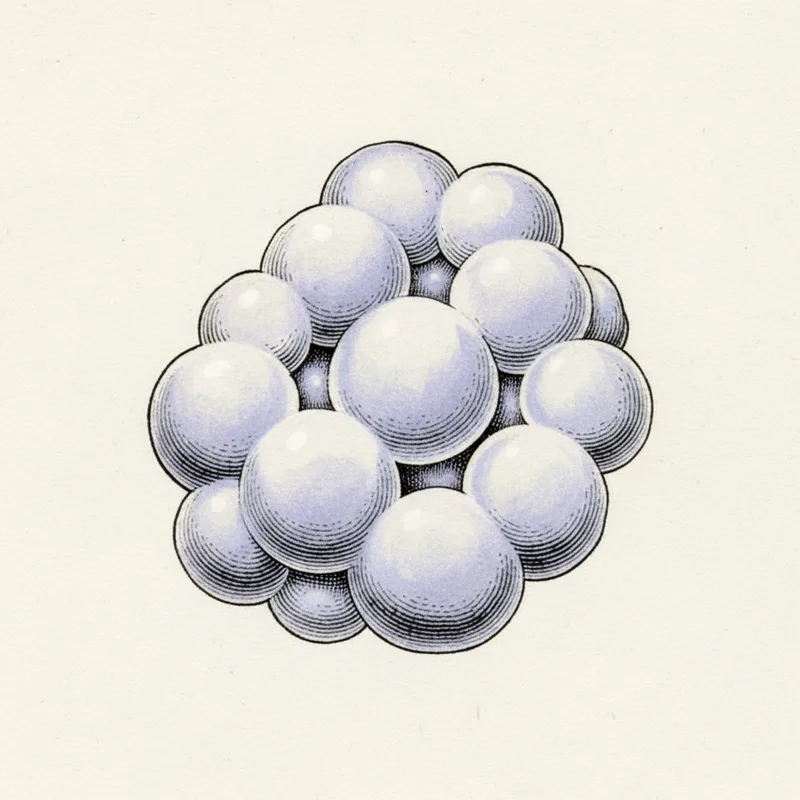
Chalcedony
The Mother of Agates
Carnelian
The Singer's Stone
Amazonite
The Hope Stone
Amethyst
The Stone of Spiritual Wisdom
Fluorite
The Genius Stone
Keep Reading
Newsletter
Something shiny, now and then
A stone worth knowing, or a fake worth spotting, every so often. No spam.