Gemini Season Crystals 2026: Six Stones for Clarity
Key Takeaway: Gemini season runs May 21 through June 20. It is the sign of the twins, ruled by Mercury, the air sign for messengers and writers and people who hold three conversations at once. The crystals that pair with it are the ones that move quickly, refract light, or sharpen mental focus. Blue lace agate, citrine, clear quartz, fluorite, agate, and pyrite are the six worth keeping at hand for the next month.
The sun crosses into Gemini on May 21 every year, and the next month belongs to the third sign of the zodiac. Astrologers describe Gemini as quick, curious, and verbal. The natural ruler is Mercury, the planet that moves fastest around the sun. The element is air. The natural domain is the third house of communication, siblings, short journeys, and ideas in motion.
If you come at crystals from a geological angle, the stones traditionally associated with Gemini share a common thread: they tend to be optically active. Blue lace agate scatters light through its banded layers. Fluorite refracts and fluoresces under UV. Clear quartz acts as a prism. These are stones that do something with light, which makes the Mercury connection feel less arbitrary than most zodiac-stone pairings.
Below are six crystals that suit Gemini season, with a note on what each looks like, how it formed, what tradition has done with it, and what you should expect to pay. At the end there is a short ritual for the month.
1. Blue Lace Agate: The Calm Communicator
Blue lace agate is the signature Gemini stone for most modern crystal traditions. Soft sky-blue color with white banding running in delicate parallel lines. The blue color comes from microscopic inclusions in the silica matrix; the banding records the layered chalcedony deposition that built the agate over thousands of years.
Most blue lace agate on the U.S. market comes from Namibia. The South African deposit at Ysterputs (the original commercial source) is largely mined out, which has driven prices up over the last five years. Expect $8-$25 for a tumbled stone, $30-$80 for a small palm stone, $80-$300 for a quality polished slab.
Traditional associations: Calm communication, public speaking, anxiety reduction. Crystal traditions place it in the throat chakra. Practical use: hold it during a hard conversation, or keep one on your desk during a week of meetings.
2. Citrine: The Mental Clarity Stone
Citrine is one of the rare quartz varieties that sits at the intersection of solar warmth and mental clarity, which is why both Leo and Gemini lay claim to it.
Natural citrine forms when amethyst is heated by surrounding rock to 300-400°C, which alters the iron-related color centers from purple to yellow. Most citrine on the market is heat-treated amethyst (the same chemistry but accomplished commercially). The natural form is paler, often pinkish-yellow; heat-treated material has the saturated golden-orange most people associate with the stone.
For the citrine variety question specifically, see our deep-dive: the citrine 2026 guide.
Traditional associations: Mental energy, optimism, manifestation. Citrine is one of the few stones that traditional metaphysical writers describe as "self-cleansing" (it does not need to be cleansed by salt or moonlight in standard practice).
3. Clear Quartz: The Programmable Prism
Clear quartz shows up on every list of every zodiac sign because it is the universal stone in modern crystal tradition. For Gemini specifically, the clarity, optical activity, and association with mental focus are the connection.
Quartz is silicon dioxide (SiO₂) in its purest crystalline form. It grows in trigonal point structures with six-sided prisms. The "clear" quartz traditional gem trade calls "rock crystal" forms in cavities and veins under specific conditions of low impurity and slow growth. The optical clarity that makes it useful as a prism in laboratories is the same property that makes it photogenic in jewelry.
Traditional associations: Mental amplification, intention-holding, clarity. Many practitioners "program" a clear quartz with a specific intention by holding it and verbalizing the goal, then carry the stone through the season.
4. Fluorite: The Focus Stone
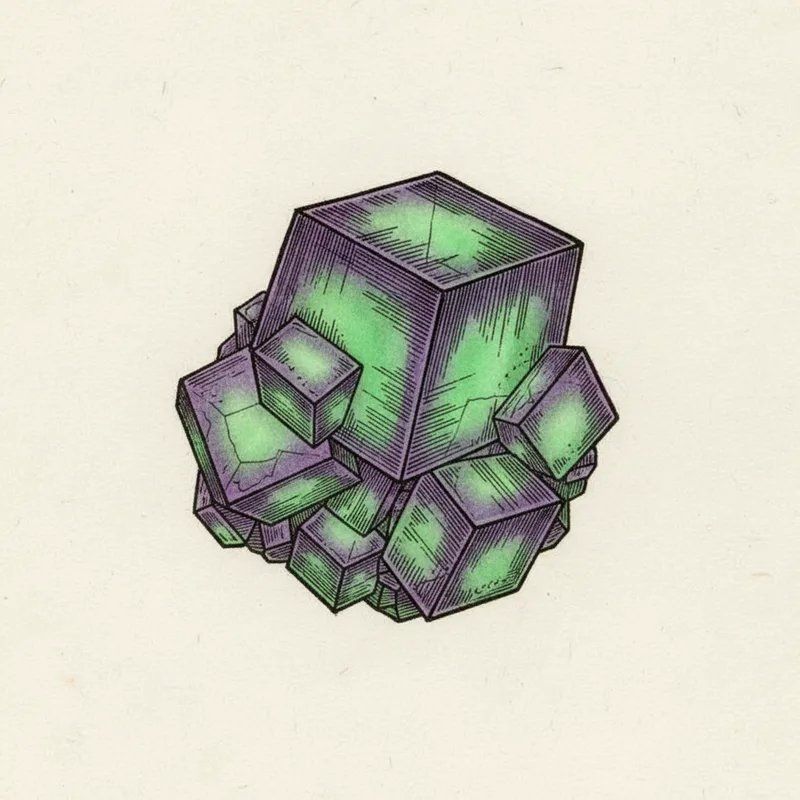
Fluorite is the underrated Gemini crystal. Calcium fluoride (CaF₂) crystallizing in cubes or octahedrons, with color ranges that span purple, green, blue, yellow, and pink, often banded in the same specimen. Some fluorites fluoresce dramatically under UV light (the term "fluorescence" was coined from fluorite's behavior).
The most photogenic specimens come from China (Yaogangxian mine), Mexico (San Luis Potosí), and Illinois (the now-closed Cave-in-Rock district, which produced what most collectors consider the world's finest fluorite specimens). U.S. retail prices: $5-$30 for tumbled stones, $40-$200 for cube clusters, hundreds to thousands for collector specimens.
Traditional associations: Mental focus, study, reducing scattered thinking. The "rainbow fluorite" varieties are the most-recommended for Gemini because the color range mirrors the sign's adaptability.
5. Agate (Banded varieties): The Stabilizer
Agate generally is in the same family as blue lace, but the broader agate category includes dozens of named varieties: moss agate, fire agate, dendritic agate, Botswana agate, crazy lace agate. Most are silicon dioxide chalcedony with banded internal structure.
For Gemini season, banded agate works as the grounding counterpart to the more energetic crystals on this list. The dual nature of Gemini (the twins) is sometimes described as wanting both motion and rest, both ideas and execution. Agate has historically been the stone for the second half of that pair.
Traditional associations: Stability, grounding under mental activity, balance. Agate is one of the oldest known gemstones in human use; we have evidence of agate carving going back to ancient Egypt and Mesopotamia.
6. Pyrite: The Mercury Stone
Pyrite is iron disulfide (FeS₂), and it grows in gleaming brass-yellow cubes and pyritohedra straight from a cubic crystal system. Its nickname "fool's gold" comes from its surface resemblance to gold, but pyrite is harder, more brittle, and almost always crystallized in cubic forms that gold never takes.
The Gemini connection comes from Mercury. Mercury (the planet) was associated with the Roman messenger god, who in turn was associated with quick wit, commerce, and metallic luster. Pyrite's mirror-bright surface and its association with prosperity ("fool's gold" or not, the visual shorthand is wealth) put it on most Gemini lists.
Traditional associations: Confidence, mental energy, manifestation tied to communication. Practical use: keep a small pyrite cube on your desk through Gemini season as a visual anchor.
A Three-Stone Ritual for the Month
If you want a simple way to engage these stones across Gemini season, the three most useful are blue lace agate, fluorite, and citrine. The combination covers the three modes Gemini season tends to bring up: the conversations you need to have (blue lace agate), the focus you need to find in scattered weeks (fluorite), and the mental energy that drives ideas into action (citrine).
Place all three near your desk or workspace at the start of Gemini season (May 21). At the start of each week through June 20, hold each stone briefly and articulate what you are working toward in that week. The point is not magic. It is a structured habit of weekly attention; the stones are the prompt.
Care Notes for Gemini-Season Stones
A note for any of these stones you keep on a sunny desk through May and June: most of them tolerate sunlight reasonably, but several do not. Citrine fades in prolonged direct sun (the color centers are UV-sensitive). Fluorite can dehydrate and lose vibrancy in dry, hot conditions. Clear quartz, agate, blue lace agate, and pyrite are all stable in normal indoor light.
For a complete guide to summer crystal care, see our protecting crystals from summer heat and sunlight guide.
What Comes Next
The sun crosses into Cancer on June 21, marking the summer solstice in the Northern Hemisphere. The Cancer-season crystals (moonstone, selenite, larimar, pearl, carnelian, ruby) are a different palette entirely, and June 21 is also the summer solstice, the year's peak-sunlight day. For now, Gemini season is here, and these are the six stones worth keeping nearby for the next month.
Related:
- Cancer Season Crystals (June 21 - July 22)
- Summer Solstice Crystals: Stones for the Year's Longest Day
- Taurus Season Crystals (April 20 - May 20)
- Crystals by Zodiac Sign: The Full Guide
- Citrine 2026: Meaning, Properties, and Why It Is Surging
- Crystals That Fade in Sunlight (and the Chemistry Behind It)
Metaphysical and “healing” associations mentioned here are cultural traditions, not medical advice or scientific fact. Crystals are not a substitute for professional medical care. Full disclaimer.
Crystals in This Article
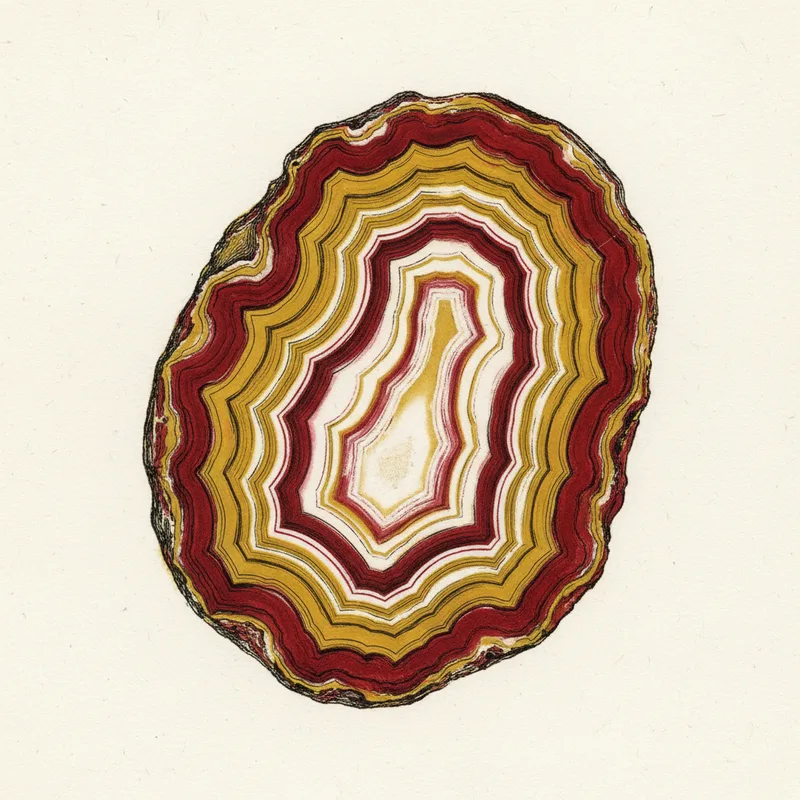
Crazy Lace Agate
The Laughter Stone
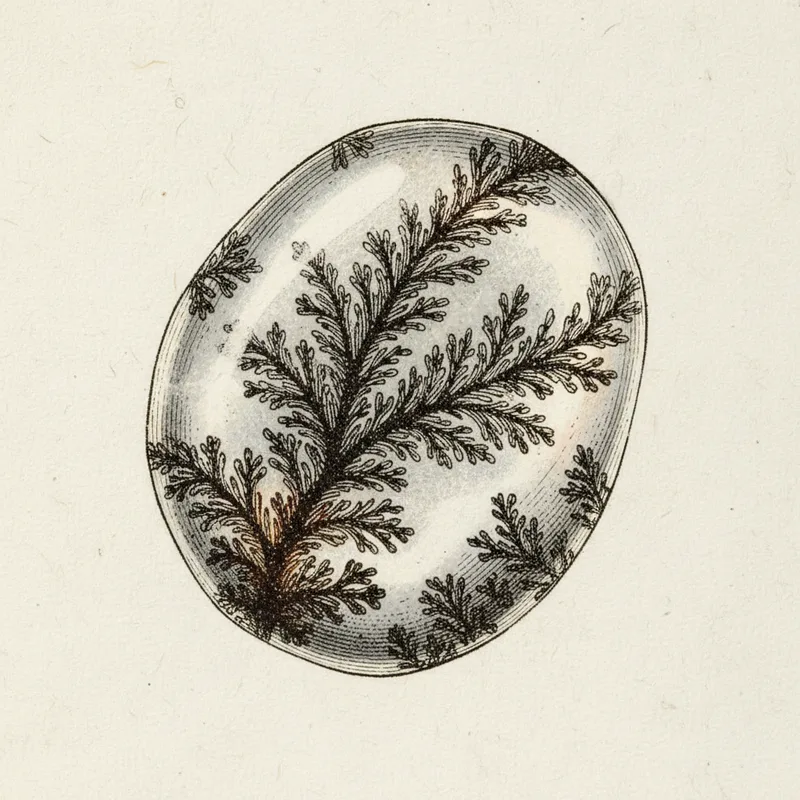
Dendritic Agate
The Stone of Plentitude
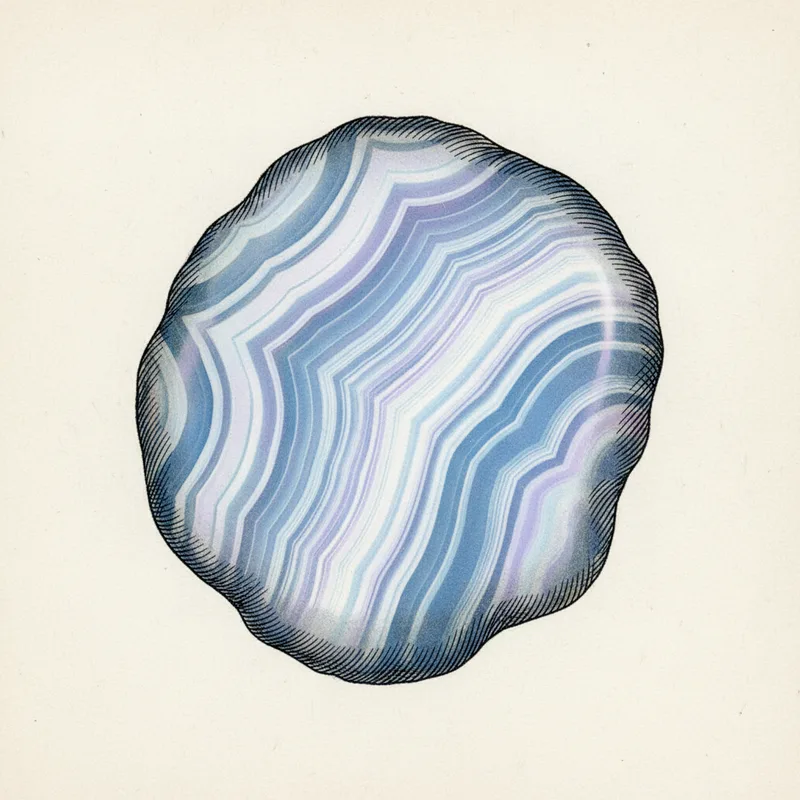
Blue Lace Agate
The Communication Stone
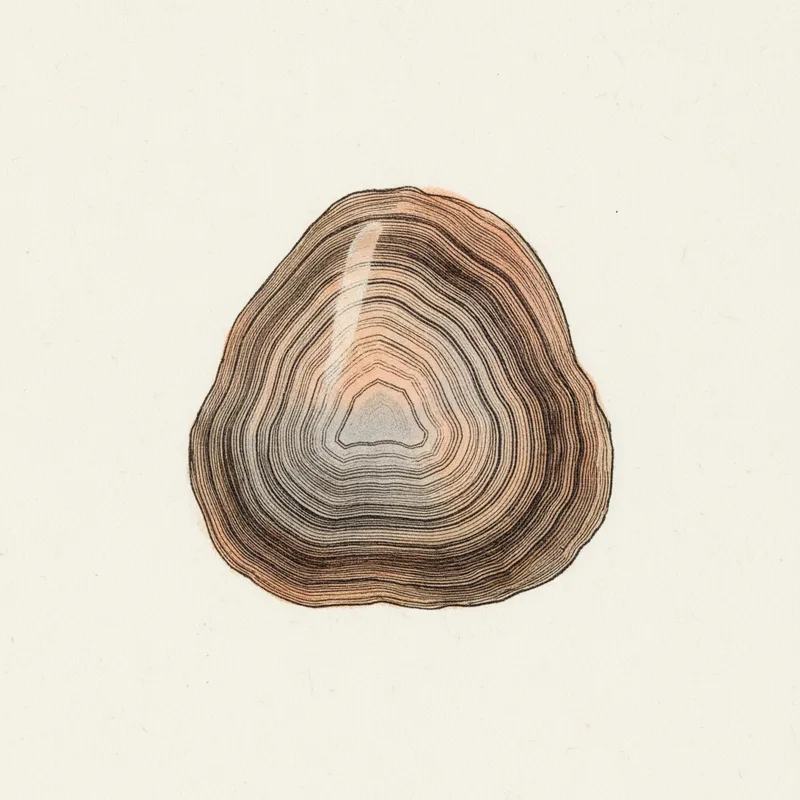
Botswana Agate
The Sunset Stone
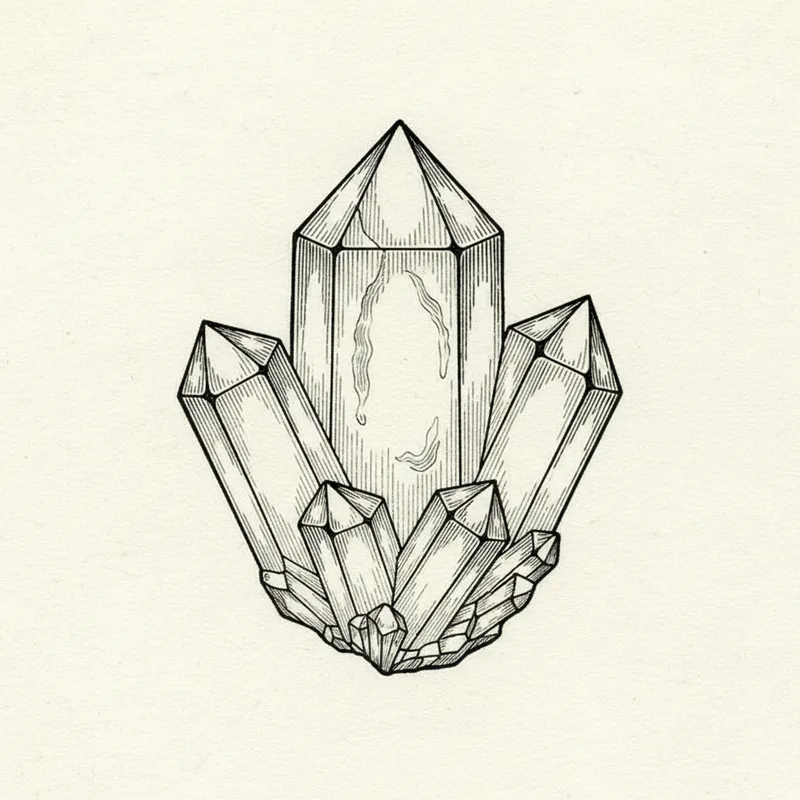
Clear Quartz
The Master Healer
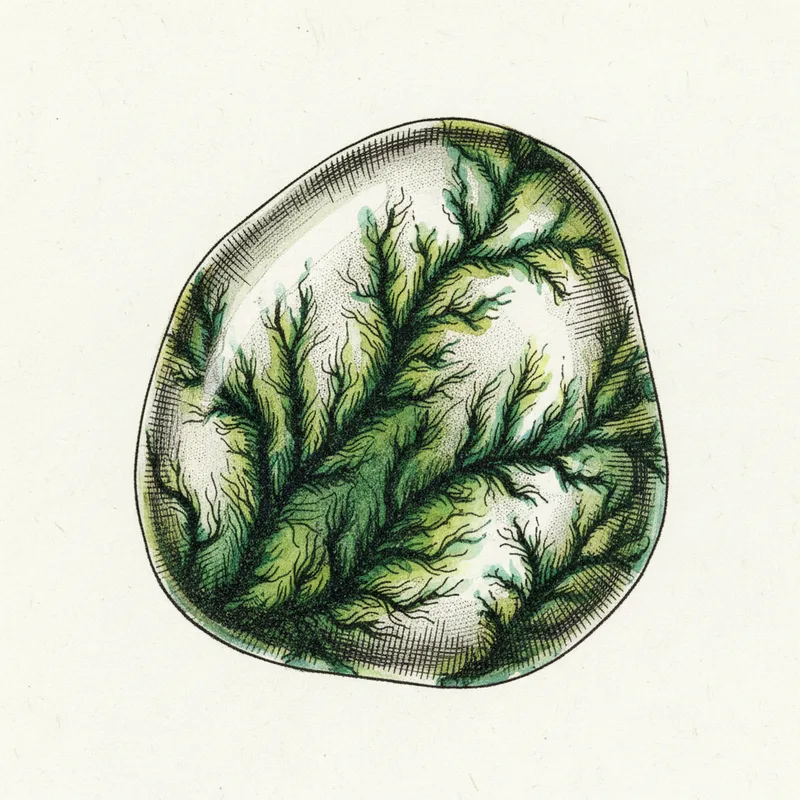
Moss Agate
The Gardener's Stone
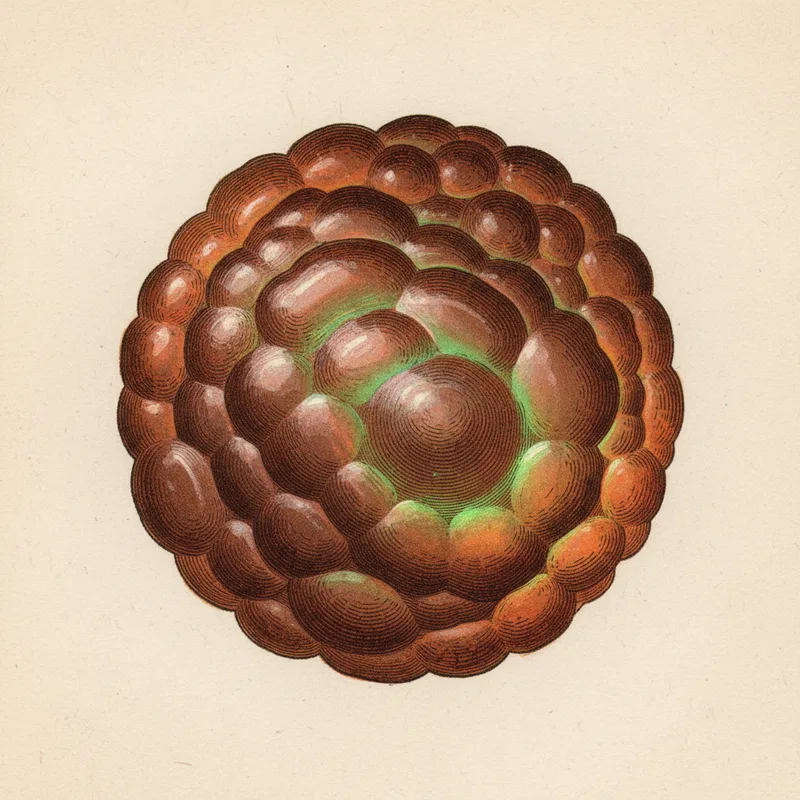
Fire Agate
The Flame Within
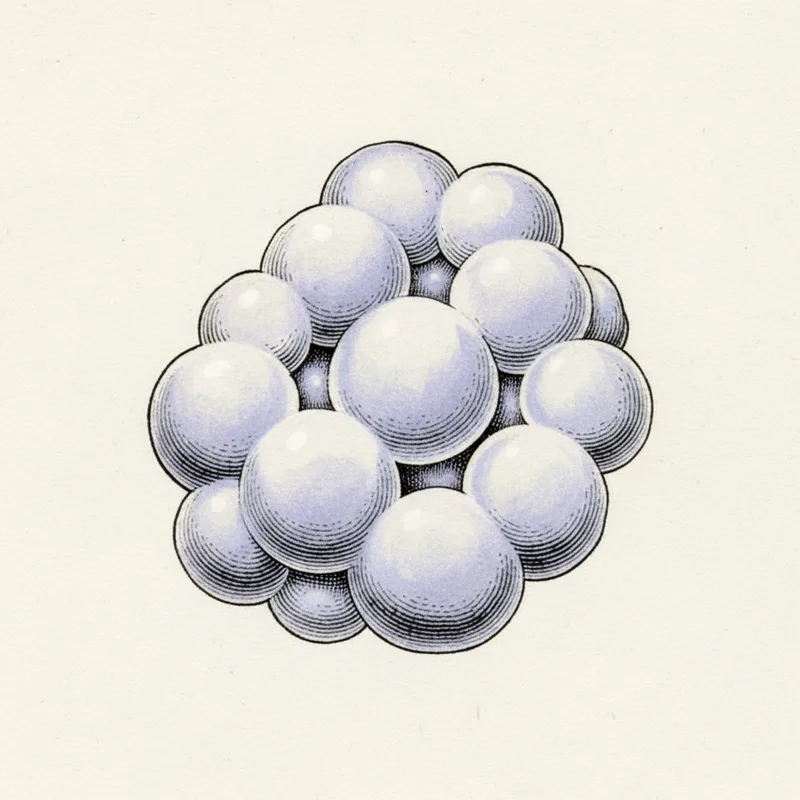
Chalcedony
The Mother of Agates
Moonstone
The Traveler's Stone
Carnelian
The Singer's Stone
Amethyst
The Stone of Spiritual Wisdom
Fluorite
The Genius Stone
Keep Reading
Newsletter
Something shiny, now and then
A stone worth knowing, or a fake worth spotting, every so often. No spam.