Summer Solstice Crystals: Stones for the Longest Day
Key Takeaway: The summer solstice falls on June 21, 2026, the day the Northern Hemisphere receives its most sunlight. The traditional solstice stones are the warm, solar-colored ones: sunstone, citrine, carnelian, amber, tiger's eye, and clear quartz. But the geology matters for one practical reason: some of these stones are safe to leave in solstice sunlight and some will fade. Here is which is which, and why.
The summer solstice is an astronomical event, not folklore. On June 21, 2026, the Earth's axial tilt points the Northern Hemisphere most directly at the Sun, giving the longest day and the shortest night of the year. The Sun reaches its highest point in the sky at local noon, and from that day forward the days slowly shorten again. Cultures from Neolithic Britain (Stonehenge aligns to the solstice sunrise) to ancient Scandinavia built rituals around this peak-light moment.
In modern crystal practice, the solstice is treated as the year's peak solar-energy point, the counterpart to the introspective winter solstice. The stones associated with it are the warm-colored ones that look like captured sunlight: golden, orange, red, and brown stones, plus clear quartz for amplification.
But there is a real, physical catch that most solstice crystal guides skip. If the ritual involves putting stones out in the sun, you need to know which stones tolerate sunlight and which ones it permanently damages. Mineral color comes from a few different mechanisms, and they react to UV light very differently. So this guide pairs each solstice stone with the geology of why sunlight does or does not affect it.
The Quick Rule: Color Centers Fade, Chromophores Don't
Before the stone list, the one principle that governs everything below.
Crystal color comes from three main sources. Chromophore ions (a metal atom like iron or chromium built into the crystal lattice) and charge transfer colors are stable in sunlight; the color is part of the mineral's permanent chemistry. Color centers (electrons trapped in lattice defects, originally knocked into place by natural radiation over millions of years) are fragile; UV light knocks those electrons free and the color bleaches out for good. There is no recharging a faded stone in moonlight or salt; the change is permanent.
We cover the full chemistry in crystals that fade in sunlight. For the solstice, just remember: a stone colored by an iron or chromium chromophore can sunbathe safely, while a stone colored by a fragile color center should be admired in the sun for an afternoon, not stored there.
1. Sunstone: The Literal Solstice Stone
Sunstone is the most on-theme stone of the day. It is a feldspar (like moonstone, its lunar counterpart) that flashes warm metallic glints called aventurescence.
The sparkle is geology you can see: as the feldspar cooled, tiny platelets of copper or hematite crystallized in parallel planes inside it. Light hitting those reflective platelets throws back coppery-orange flashes. Because the color and the sparkle both come from solid metal inclusions rather than a fragile color center, sunstone is fully sunlight-stable. It is the rare solstice stone you can genuinely leave in the sun without harm. Oregon sunstone (copper-bearing) is the prized variety; expect $10-$40 for a tumbled stone.
Solstice use: The clearest sun symbol on the list. Safe to set in a sunny window as a daylong solstice anchor.
2. Citrine: Sun-Colored but Sun-Sensitive
Citrine looks like bottled sunlight, golden-yellow to amber quartz, which makes it a fixture on every solstice list. But here is the trap: citrine's color is a color center, and it fades in prolonged direct sun.
Most commercial citrine is heat-treated amethyst; the heat shifts iron-related color centers from purple to yellow. Those same color centers are UV-sensitive. Leave a citrine point in a south-facing window through the summer and it will slowly pale. So citrine belongs in your solstice ritual, but as a stone you bring into the light for the day and then return to a drawer or shaded shelf, not one you store in the sun.
Solstice use: Hold or display it during the day's ritual, then move it out of direct light. Expect $8-$40 for tumbled or small points.
3. Carnelian: Sunset in a Stone
Carnelian brings the orange-red of a setting sun. It is a chalcedony (microcrystalline quartz) colored by finely distributed iron oxide.
Because that iron oxide is a stable chromophore-style colorant rather than a fragile color center, carnelian is sunlight-stable and will hold its color outdoors. It is also cheap and tough, which makes it the most practical warm stone to actually use in an outdoor solstice setting. Expect $3-$15 for a tumbled stone.
Solstice use: Safe in the sun. A good choice if your ritual happens outside.
4. Amber: Fossil Sunlight (Handle With Care)
Amber is fossilized tree resin, tens of millions of years old, and its honey-gold glow has been linked to the sun since antiquity. It is the most literally "captured sunlight" material on this list, organic rather than mineral.
The care note is important: amber is soft (hardness 2-2.5), and it can darken, dry out, and develop surface crazing under heat and prolonged UV. So while amber is the spiritual heart of a solstice ritual, it should not bake in direct summer sun. Real Baltic amber will float in saltwater and carries a faint pine scent when warmed; plastic and copal imitations are common.
Solstice use: Wear it or hold it during the ritual, but keep it out of hot, direct sun to prevent crazing.
5. Tiger's Eye: Banded Solar Glow
Tiger's eye shows golden-brown bands with a shifting silky luster called chatoyancy, a warm, earthy solar look. It is quartz that replaced fibrous crocidolite, preserving the parallel fiber structure that produces the moving "eye" of light.
Its color comes from iron oxide staining the fibers, a stable colorant, so tiger's eye is sunlight-stable. It is durable (hardness 7) and inexpensive ($4-$15 tumbled), another good candidate for an outdoor setting.
Solstice use: Safe in the sun. Associated traditionally with confidence and grounded action, fitting for the year's high-energy turning point.
6. Clear Quartz: The Amplifier
Clear quartz is pure silicon dioxide (SiO₂) and the universal stone in crystal practice. On the solstice it serves as the amplifier and prism: set in direct light it throws spectral colors, and it is the stone most traditions use to "focus" the intentions of a ritual.
Pure clear quartz has no color center to lose, so it is completely sunlight-stable. (The caution applies only to its colored cousins: amethyst, smoky quartz, and rose quartz all fade because their color does come from color centers.) Expect $5-$30 for a point.
Solstice use: Safe in the sun. Use it as the centerpiece that the warm stones arrange around.
A Simple Solstice Practice
The solstice is the single longest day of the year, which makes it a natural marker for setting intentions for the second half of the year, the way many people use the New Year. A simple practice: at sunrise on June 21, arrange the sun-safe stones (sunstone, carnelian, tiger's eye, clear quartz) where they will catch the day's light. Bring citrine and amber in for the moment but keep them out of the harshest sun. At the day's actual solar noon, take a few minutes to name what you want to grow into the back half of the year. At sunset, as the longest day ends, move the fragile stones to safe storage.
The point, as always, is not that the stones do the work. The solstice is a real astronomical hinge in the year, and the stones are a structured prompt for using it.
The Care Bottom Line
If you take one thing from this guide: sunstone, carnelian, tiger's eye, and clear quartz are safe to leave in solstice sunlight. Citrine and amber are not. For the complete summer-care rules, including heat, dehydration, and which stones crack in temperature swings, see our guide to protecting crystals from summer heat and sunlight. For the full chemistry of why color fades, see crystals that fade in sunlight.
Related:
Metaphysical and “healing” associations mentioned here are cultural traditions, not medical advice or scientific fact. Crystals are not a substitute for professional medical care. Full disclaimer.
Crystals in This Article
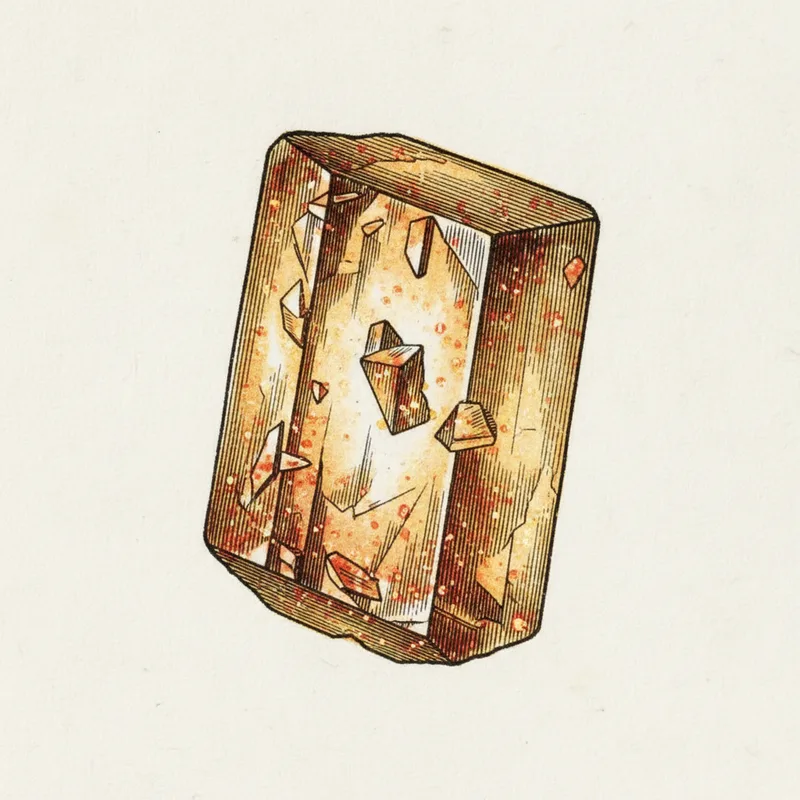
Oregon Sunstone
The Copper-Lit State Gem
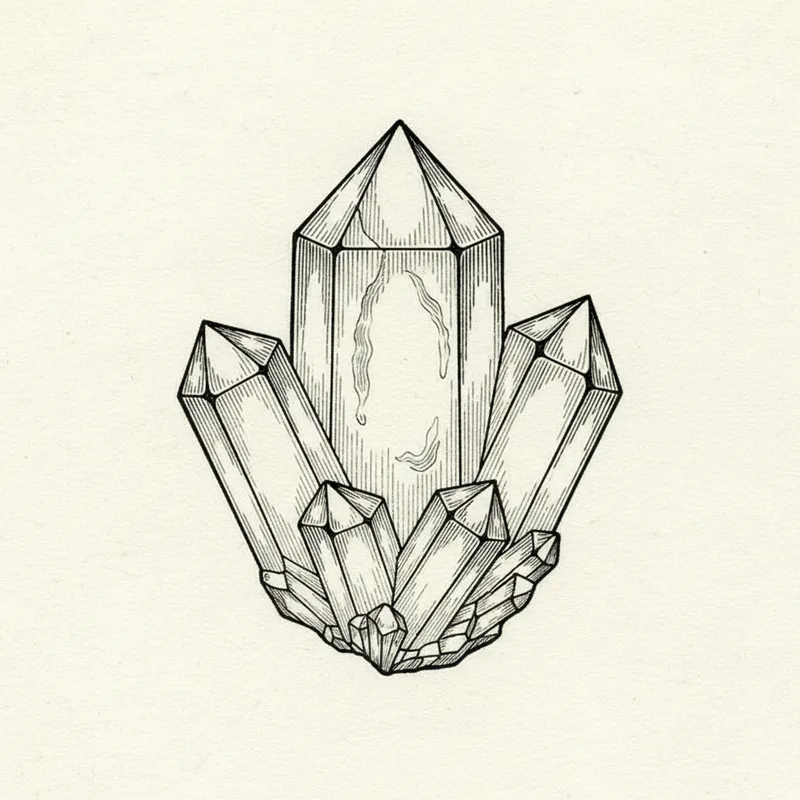
Clear Quartz
The Master Healer
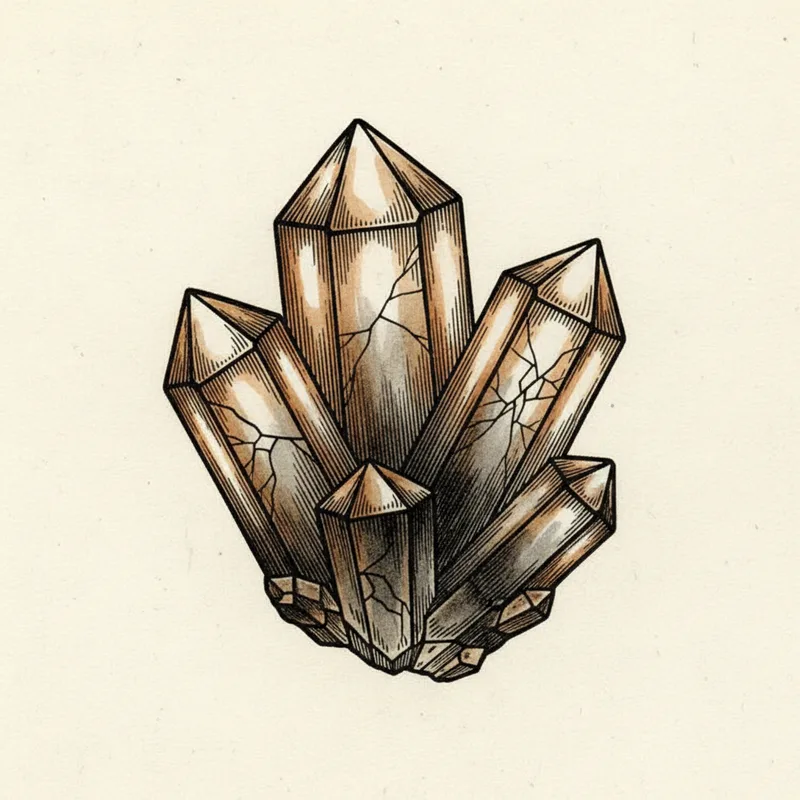
Smoky Quartz
The Grounding Stone
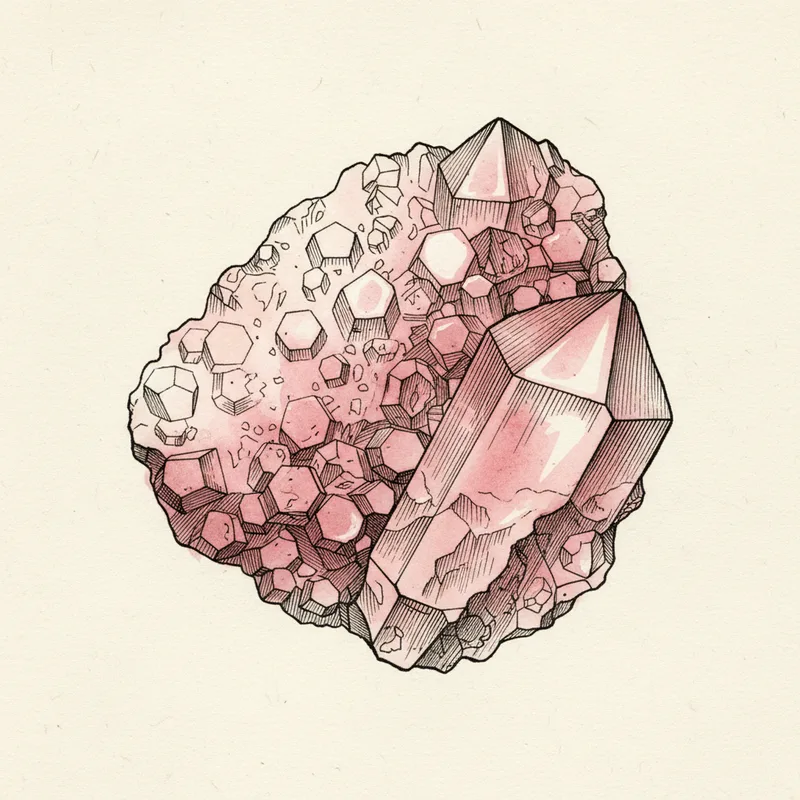
Rose Quartz
The Stone of Unconditional Love
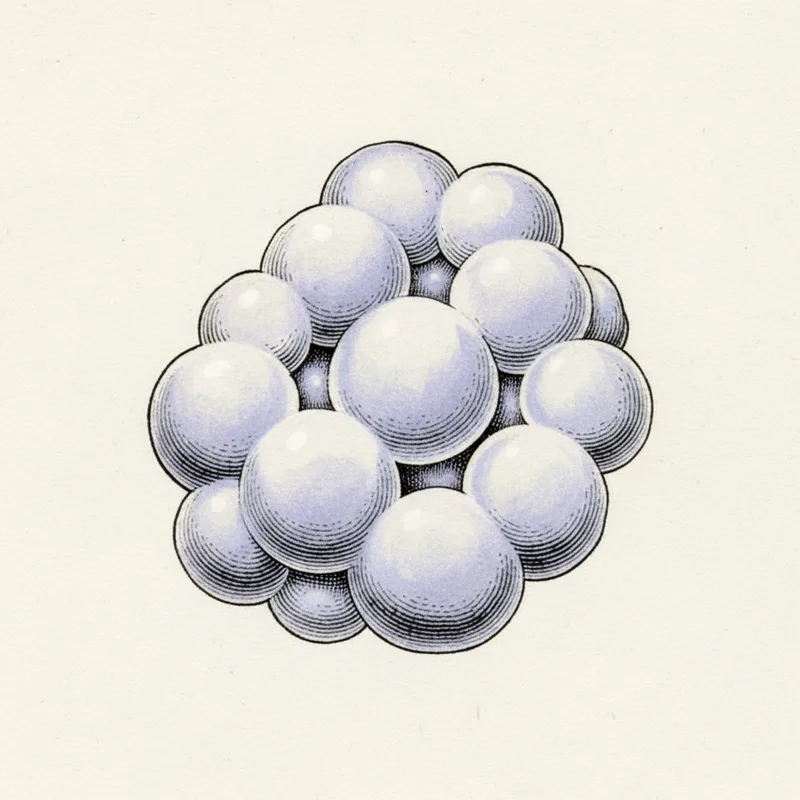
Chalcedony
The Mother of Agates
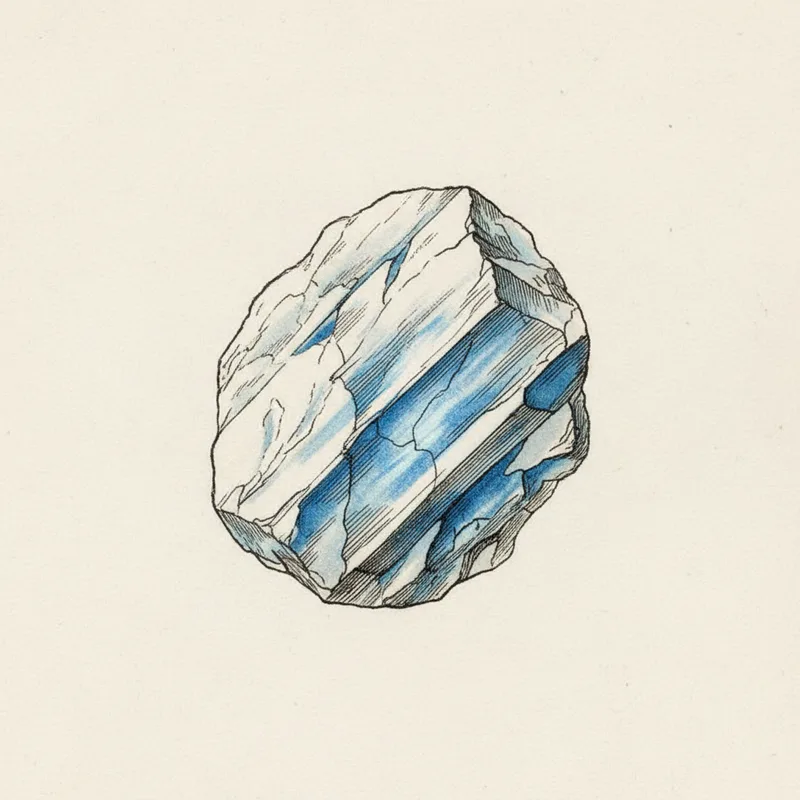
Moonstone
The Traveler's Stone
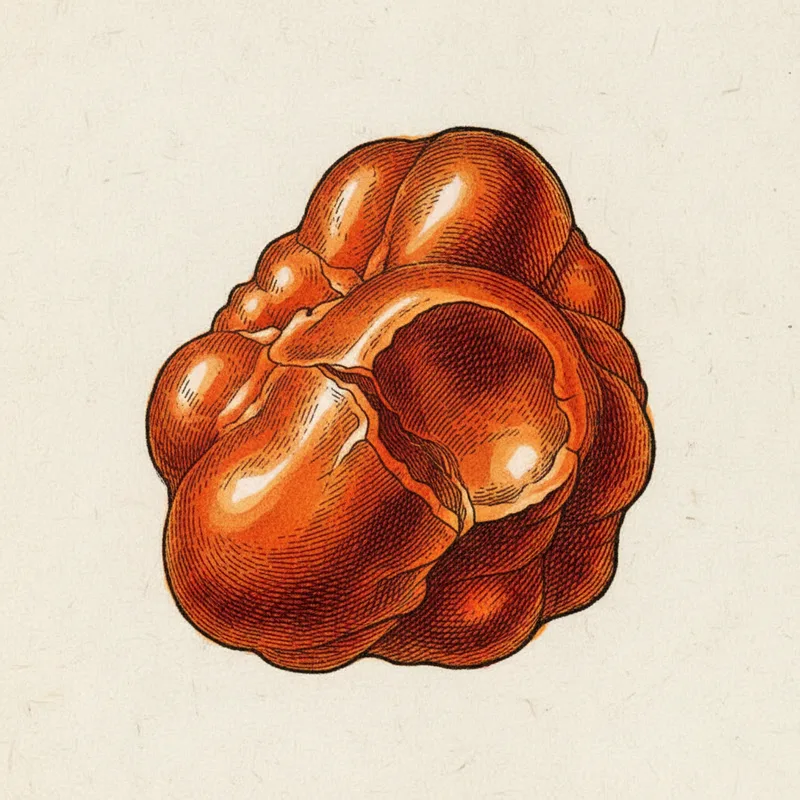
Carnelian
The Singer's Stone
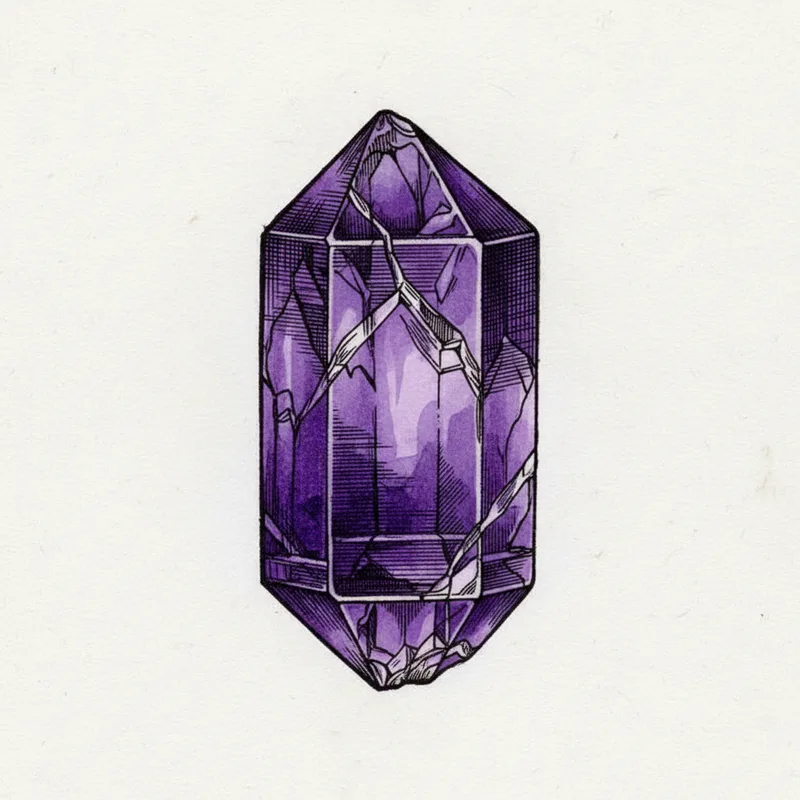
Amethyst
The Stone of Spiritual Wisdom
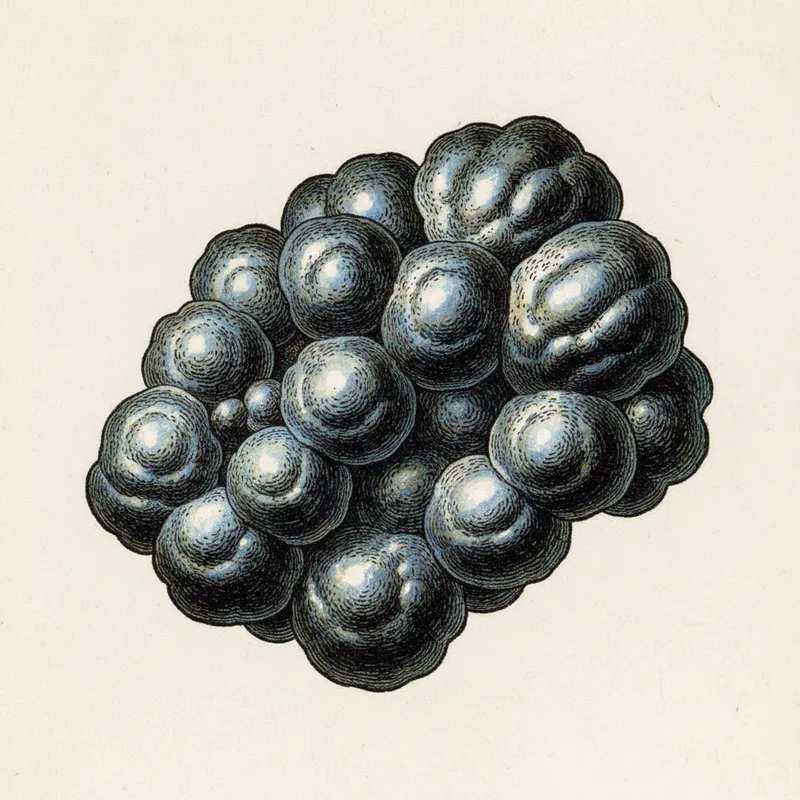
Hematite
The Blood Stone
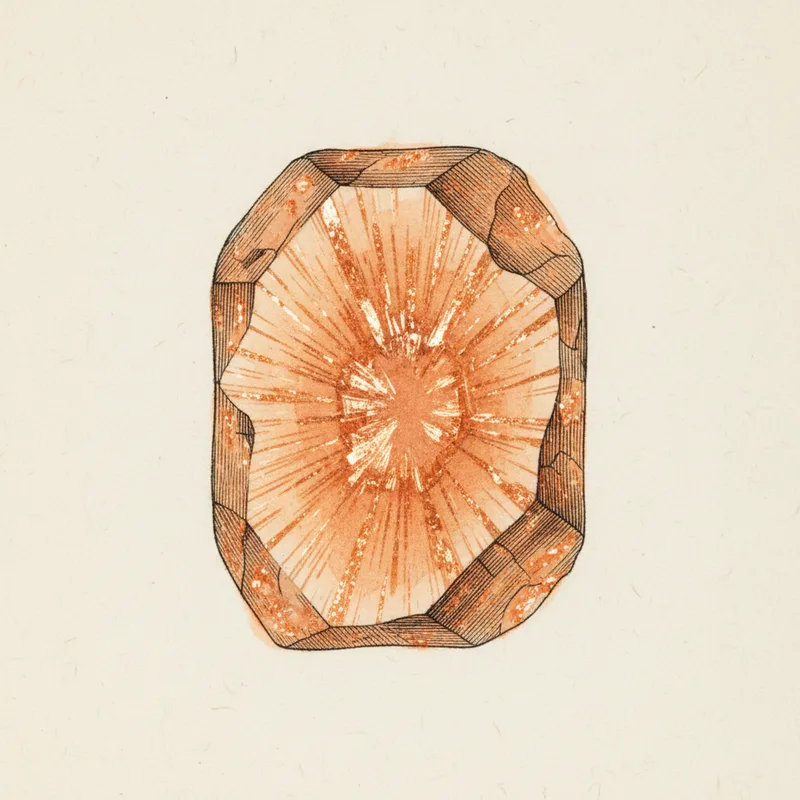
Sunstone
The Stone of Light
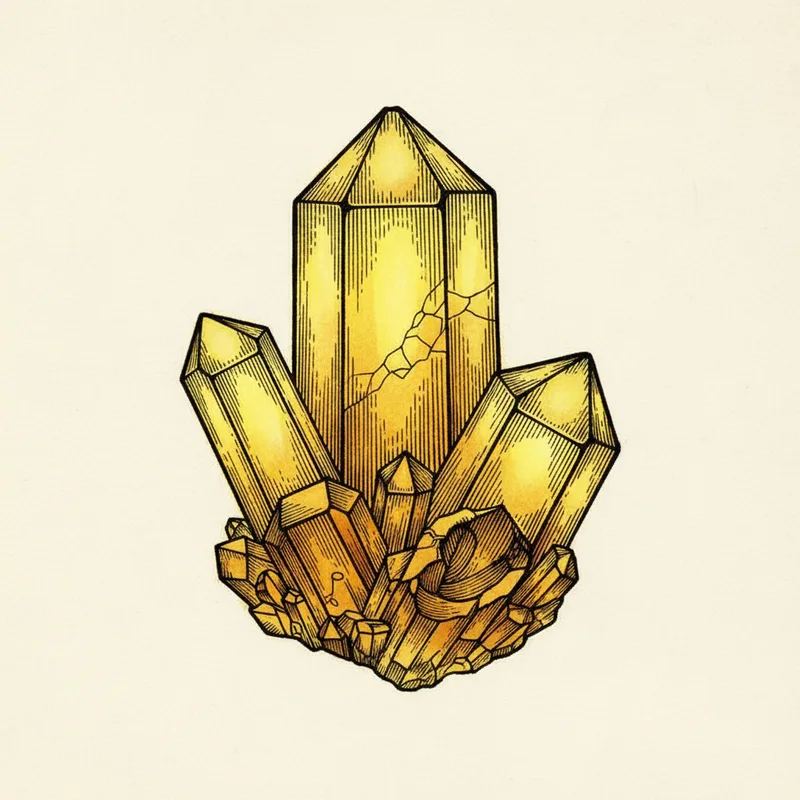
Citrine
The Merchant's Stone
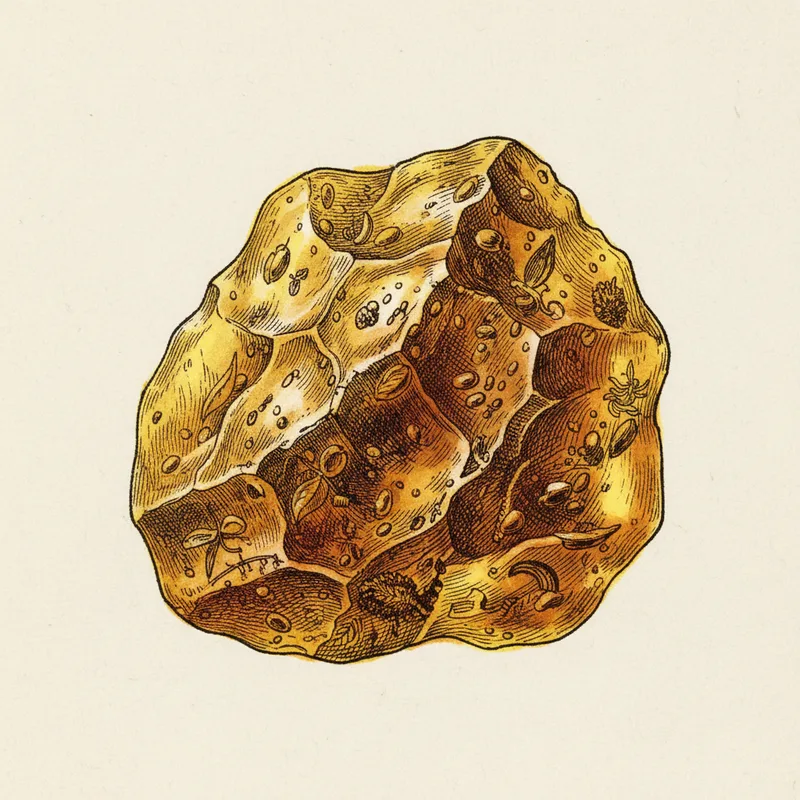
Amber
The Window to Prehistoric Life
Keep Reading
Newsletter
Something shiny, now and then
A stone worth knowing, or a fake worth spotting, every so often. No spam.