Best Crystals for Beginners: 12 Stones to Start With
Some links in this post go to Amazon. Crystal Almanac earns a commission from qualifying purchases at no extra cost to you. Tools recommended here are ones we would use ourselves to run the tests described - the recommendation comes first, the link is downstream of it.
Key Takeaway: The best starter crystals are affordable, widely available, hard enough to handle without damage, and interesting enough to keep you collecting. Start with clear quartz, amethyst, and rose quartz - then branch into whatever catches your eye.
Starting a crystal collection can feel overwhelming. There are over 5,000 known mineral species, dozens of online shops, and an avalanche of conflicting information about what to buy first.
Here's the truth: there's no wrong first crystal. But some are better starting points than others - because they're affordable, durable, easy to identify, and genuinely fascinating. This list prioritizes stones that teach you something about mineralogy while being beautiful enough to make you want to learn more.
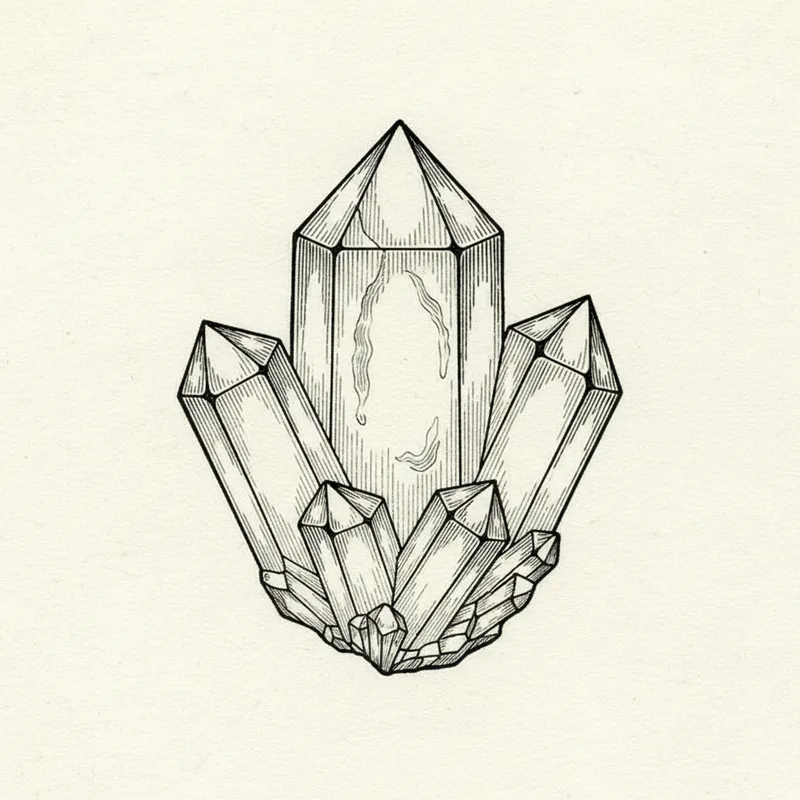
1. Clear Quartz
Clear quartz is the single best crystal to start with because it teaches you the fundamentals of what a crystal actually is. The hexagonal prism shape, the pointed termination, the glassy luster, the conchoidal fracture - these are all features you'll recognize across dozens of other minerals once you learn them on quartz.
It's also the most abundant mineral in the Earth's crust, which means specimens are affordable and available everywhere. A nice crystal point costs $5-20. And the science is fascinating - clear quartz is piezoelectric, meaning it generates electricity under pressure. This property makes quartz essential to watches, electronics, and radio transmitters.
What to look for: A well-formed crystal point with good transparency. Avoid anything sold as "leaded crystal" (that's glass).
Expect to pay: $3-15 for a nice palm-sized point.
2. Amethyst
Amethyst is purple quartz, and it's probably the crystal that draws more people into collecting than any other. The color ranges from pale lavender to deep royal purple, and the formations can be spectacular - from small crystal points to massive cathedral geodes taller than a person.
The purple color comes from iron impurities and natural radiation, and the depth of color varies with locality. Brazilian amethyst tends toward lighter purple. Uruguayan material is typically deeper and more saturated. This kind of locality-based variation is one of the most interesting aspects of mineral collecting.
What to look for: A cluster or small geode showing good crystal form and rich color. Avoid specimens where the crystal tips are all broken or chipped.
Expect to pay: $8-30 for a nice small cluster. $20-100 for a geode section.
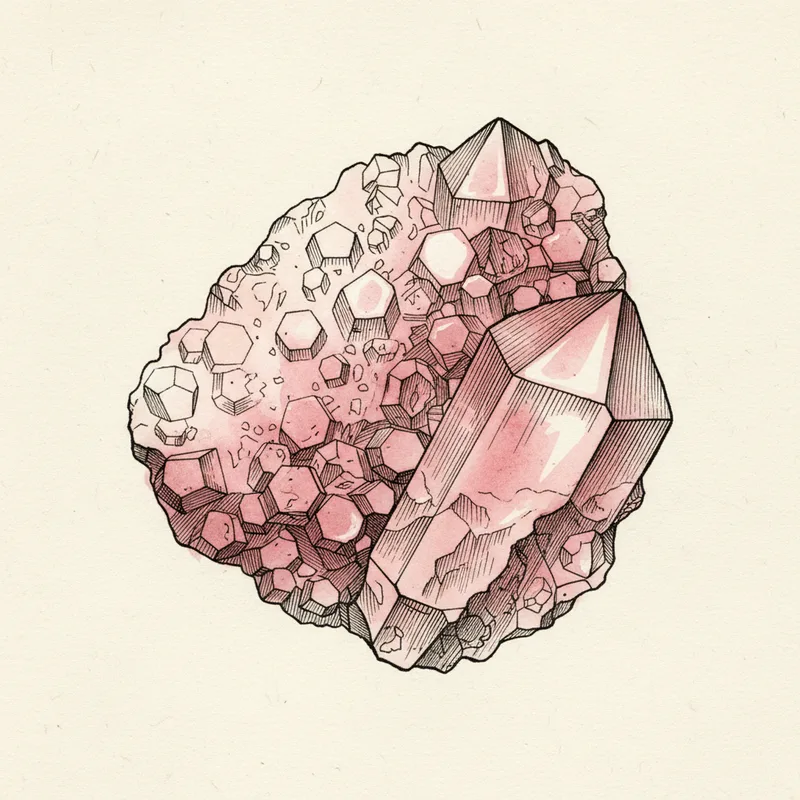
3. Rose Quartz
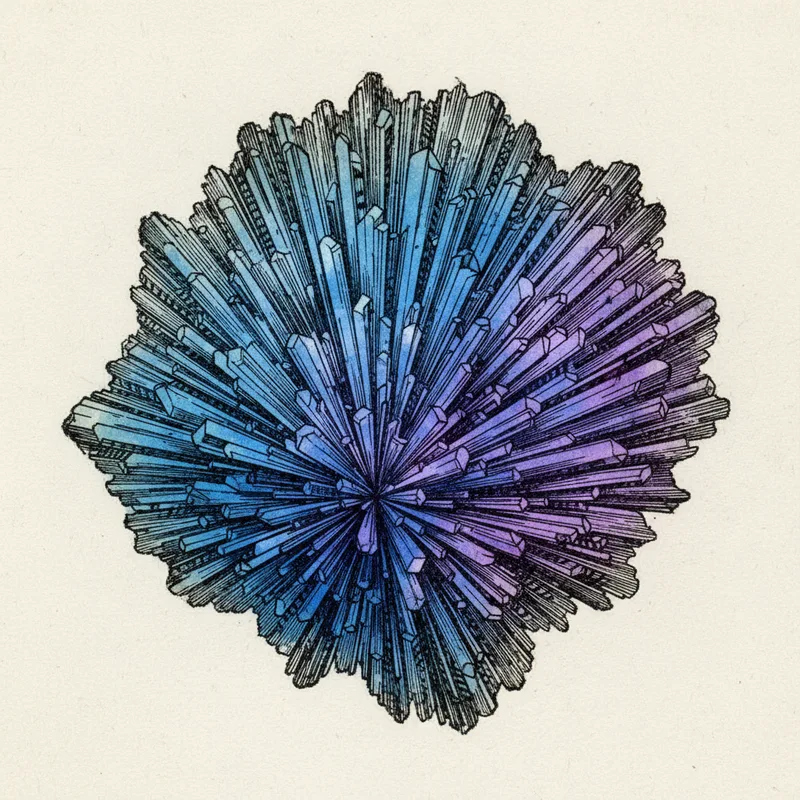
Rose quartz introduces an important concept: massive habit. Unlike amethyst and clear quartz, which typically form well-defined crystals, rose quartz almost always grows as formless chunks. This happens because microscopic inclusions of dumortierite fibers disrupt the crystallization process.
The soft pink color and translucent quality make it one of the most recognizable stones in any collection. It's also the bestselling crystal in the wellness market, so you'll find it everywhere from gem shows to gift shops.
What to look for: A polished piece with good translucency and even pink color. If you can find star rose quartz from Madagascar (shows a six-rayed star under a single light source), it's a wonderful conversation piece.
Expect to pay: $3-12 for a polished chunk or sphere.
4. Obsidian
Obsidian isn't technically a crystal - it's a volcanic glass that forms when lava cools too quickly for atoms to arrange into a crystal structure. That makes it a great teaching specimen about what crystals are by showing what happens when crystallization doesn't occur.
It's also historically significant. Obsidian fractures into edges sharper than surgical steel, and ancient civilizations worldwide used it for blades, arrowheads, and mirrors. You can see the conchoidal fracture pattern clearly on broken obsidian surfaces.
What to look for: A polished specimen showing the glassy luster. Snowflake obsidian (with white cristobalite inclusions) and rainbow obsidian (with iridescent sheen) are eye-catching varieties for a beginner collection.
Expect to pay: $2-10 for a tumbled or polished piece.
5. Pyrite
Pyrite - fool's gold - is the most satisfying mineral to hold. The metallic luster, the surprising weight (it's denser than you expect), and the sometimes-perfect cubic crystal shapes make it an instant favorite.
It also opens up the world of sulfide minerals and metallic luster, which is an entirely different aesthetic from the glassy transparency of quartz. The cubic crystals from Navajun, Spain are among the most geometrically perfect natural objects on Earth. A small one makes an incredible desk piece.
What to look for: A specimen showing good crystal form - cubes, pyritohedrons (12-faced forms), or clusters. A little tarnish is natural and not a defect.
Expect to pay: $5-25 for a nice cluster. $30-100+ for a well-formed cube.
6. Fluorite
Fluorite is the crystal that teaches you about cleavage. It breaks along four perfect planes, producing octahedral (eight-faced) fragments every time. Once you understand this, you start noticing cleavage in other minerals everywhere.
Fluorite is also wildly colorful - purple, green, blue, yellow, and clear, sometimes all in the same specimen. And it gave its name to fluorescence - many specimens glow under UV light. If you buy a UV flashlight ($10 on Amazon), testing your fluorite is immediately rewarding.
What to look for: A multicolored specimen showing banding or zoning. Even better if you can find one from a known locality like Rogerley Mine (England) that fluoresces strongly.
Expect to pay: $5-30 for a nice specimen.
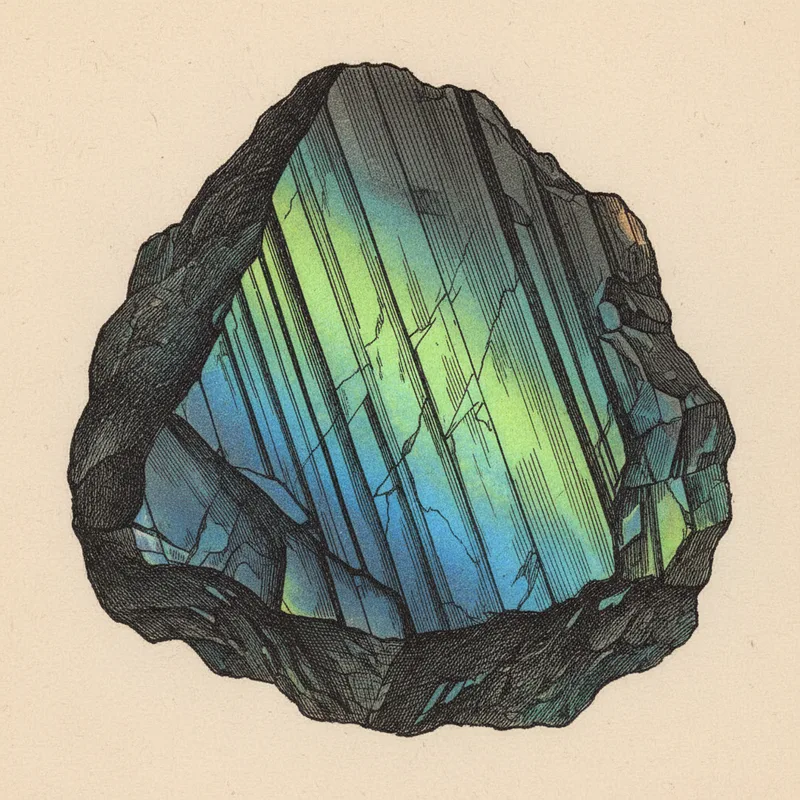
7. Labradorite
Labradorite is the "wow" crystal. When you tilt it under light and catch the flash of blue, gold, or green labradorescence, you understand immediately why people collect minerals. The optical effect is caused by light bouncing between microscopic internal layers - essentially the same physics as a soap bubble, frozen in stone.
It's also a great entry point into the feldspar group, which is the most abundant mineral family on Earth but rarely gets the appreciation it deserves.
What to look for: A polished slab or freeform that shows strong blue or multicolor flash. The flash is directional, so tilt the stone under a light source until it appears. If a specimen shows no flash in the store, it won't develop one at home.
Expect to pay: $8-30 for a polished piece with good flash.
8. Tiger's Eye
Tiger's eye introduces chatoyancy - the silky, moving band of light that gives the stone its cat's-eye effect. This phenomenon comes from the stone's origin: it's quartz that replaced asbestos fibers, preserving their parallel alignment while completely changing the chemistry.
The golden-brown color and mesmerizing shimmer make it one of the most universally appealing stones. It's also extremely durable (hardness 7) and affordable, which makes it a great everyday carry piece if you're into that.
What to look for: A polished cabochon or tumbled stone with a sharp, well-defined chatoyant band. Hawk's eye (the blue-gray variety) is a nice complement if you want to show the same mineral at different stages of formation.
Expect to pay: $2-8 for a tumbled stone or cabochon.
9. Malachite
Malachite brings something completely different to a beginner collection - it's one of the few minerals with an unmistakable visual identity. The banded green pattern on polished specimens looks like no other stone in the world. Each band represents a separate episode of copper-rich water depositing material, like geological tree rings.
Fair warning: malachite is soft (3.5 Mohs) and the dust is toxic (copper content), so don't sand or polish it yourself without proper safety equipment. As a display specimen, it's perfectly safe to handle.
What to look for: A polished slab showing well-defined banding with good contrast between light and dark green bands. Avoid anything with cracks filled with epoxy.
Expect to pay: $8-25 for a small polished slab.
10. Selenite
Selenite is the fragility lesson. At Mohs hardness 2, you can scratch it with your fingernail. It dissolves in water. It's so soft that carved selenite towers and wands can chip if you look at them wrong.
But it's also stunning - translucent white blades that transmit light beautifully. And the science is remarkable: the Naica Cave in Mexico contains selenite crystals up to 12 meters long, the largest crystals ever found on Earth. A small selenite blade connects you to one of geology's most extraordinary discoveries.
What to look for: A translucent blade or wand. Hold it up to light and notice how the crystal transmits and diffuses it. Don't get it wet.
Expect to pay: $3-10 for a wand or small tower.
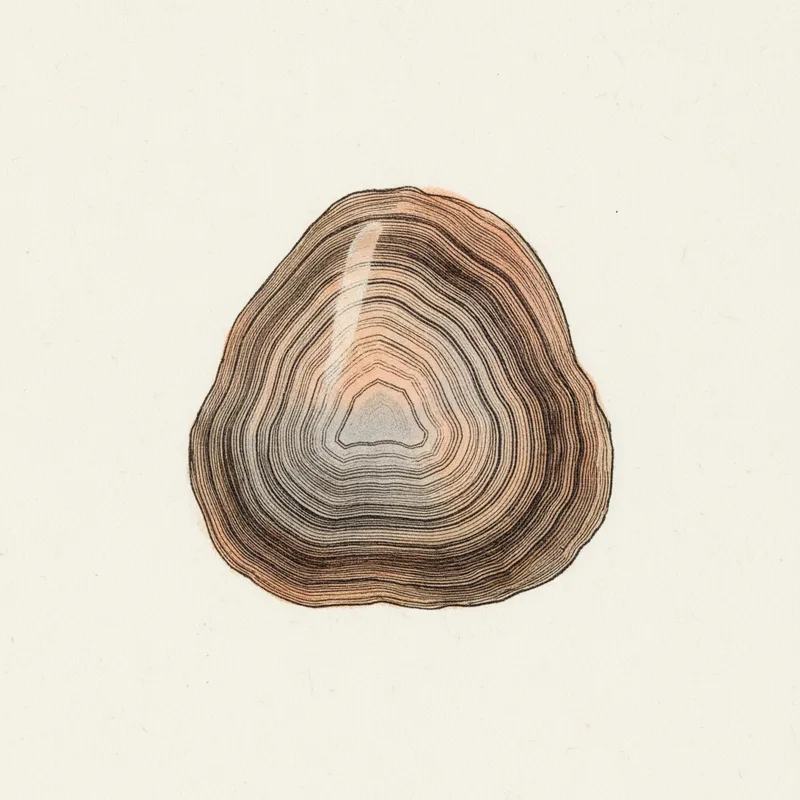
11. Agate
Agate is the collector's gateway drug. Once you start noticing the incredible variety - blue lace agate, Botswana agate, moss agate, crazy lace agate, fire agate - you realize that a lifetime of collecting wouldn't exhaust the possibilities.
Every agate formed inside a volcanic rock cavity, layer by microscopic layer, over millions of years. Cutting one open reveals the concentric banding that records that geological history. Agate slices are also some of the most affordable and visually striking display pieces you can buy.
What to look for: A polished slice showing clear banding and good translucency. Natural colors (earth tones, soft blues, greens) are preferred - vivid pink, bright blue, and neon green agates are almost certainly dyed.
Expect to pay: $3-15 for a polished slice.
12. Garnet
Garnet rounds out a beginner collection with something different - a crystal that often shows up as well-formed individual crystals embedded in rock (called matrix specimens). Popping a garnet crystal out of its host rock and examining the dodecahedral (12-faced) form is one of the most satisfying experiences in casual collecting.
Most beginner garnet will be almandine (dark red), which is abundant and affordable. But knowing that the garnet group spans nearly every color - including greens that rival emerald - gives you something to aspire to as your collection grows.
What to look for: A matrix specimen showing garnet crystals embedded in schist or gneiss. Or a single well-formed crystal with visible faces.
Expect to pay: $5-20 for a matrix specimen with visible crystals.
How to Buy Your First Crystals
The best place to start is a local rock and mineral show - you can see and handle specimens before buying, and dealers at shows are usually knowledgeable and happy to teach. Second best is a reputable online dealer with detailed photos of actual specimens (not stock images) and a return policy.
Avoid buying expensive crystals on impulse from social media ads. And remember: the "best" crystal in any collection is the one that makes you curious enough to learn what it is, how it formed, and where it came from.
Building From Here
Once you have these 12 stones, you'll have a solid foundation that covers the major mineral groups, crystal systems, optical phenomena, and formation environments. If you're building the set as a present for someone else, our crystal starter kit packages seven of these stones with vetted product links and a one-line why for each. From here, follow your interests. If you love the colors, go deeper into tourmaline. If you're fascinated by crystal forms, explore the world of pyrite, quartz, and garnet habits. If optical effects captivate you, moonstone, opal, and alexandrite await.
The best crystal collection is the one that reflects your curiosity.
FAQ
What's the single best first crystal to buy? Clear quartz. It's affordable, durable, abundant, and teaches you the fundamentals of crystal structure that apply to everything else you'll collect.
Should I buy tumbled or raw crystals? Both have value. Tumbled stones are portable and show color well. Raw specimens show natural crystal form and are more educational. Start with whatever appeals to you - there's no wrong choice.
How much should I spend starting out? You can build a solid 12-stone beginner collection for $50-100 total. Don't overspend early. The expensive, rare specimens will mean more to you after you've developed an eye for quality. Our crystal picks under $25 are a good map of what a small budget actually buys.
Are online crystal shops reliable? Many are excellent, but some are not. Look for shops that photograph the actual specimen you'll receive (not stock photos), disclose any treatments, have clear return policies, and have established review histories. Avoid anonymous sellers with too-good-to-be-true prices.
Do I need to "cleanse" or "charge" my crystals? This is a matter of personal belief, not mineralogy. From a scientific perspective, crystals don't accumulate or transmit energy. From a cultural perspective, many traditions around the world include rituals for cleansing stones. Do whatever feels right to you - just don't put selenite in water or amethyst in direct sunlight for extended periods (the color can fade).
Crystals in This Article
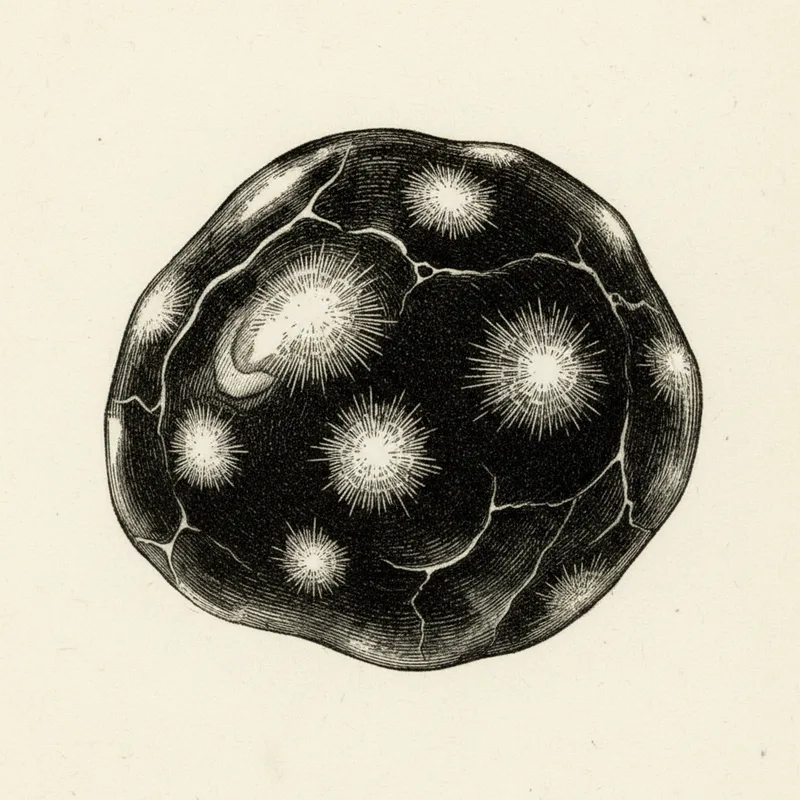
Snowflake Obsidian
The Stone of Balance
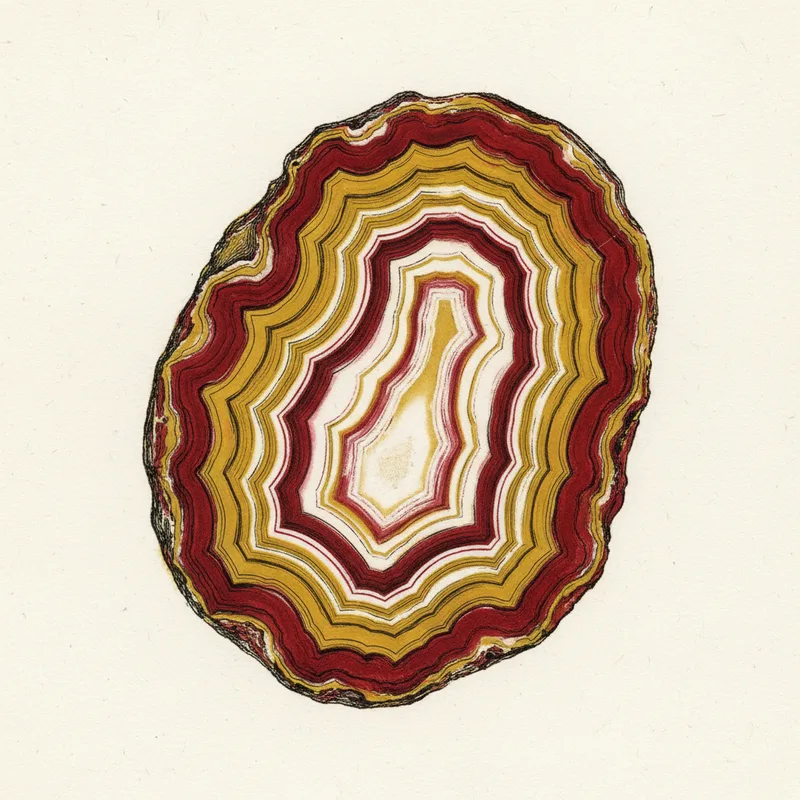
Crazy Lace Agate
The Laughter Stone
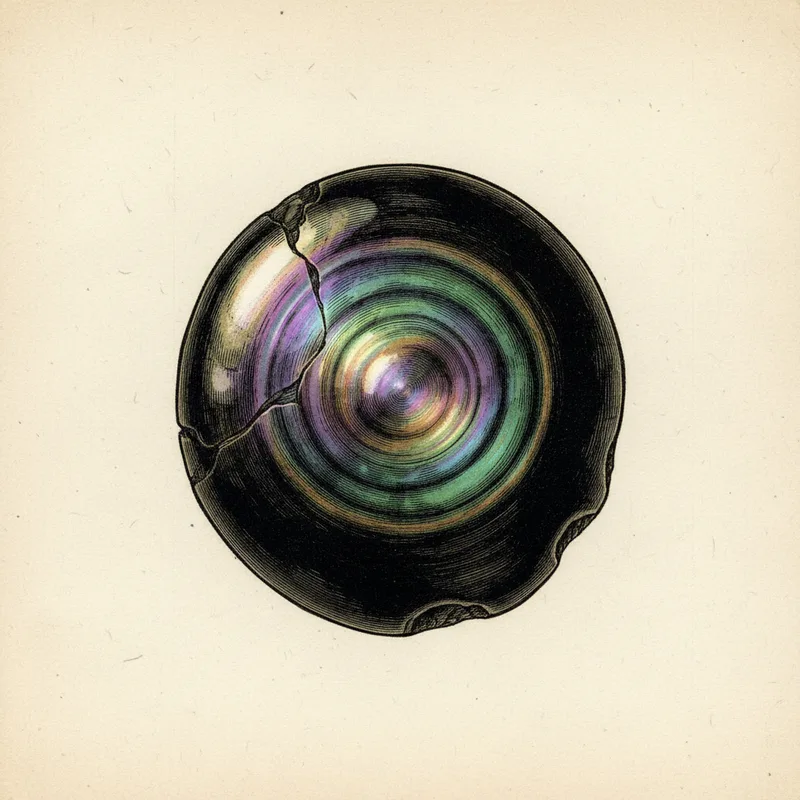
Rainbow Obsidian
The Stone of Light in Darkness

Star Rose Quartz
The Star of the Heart
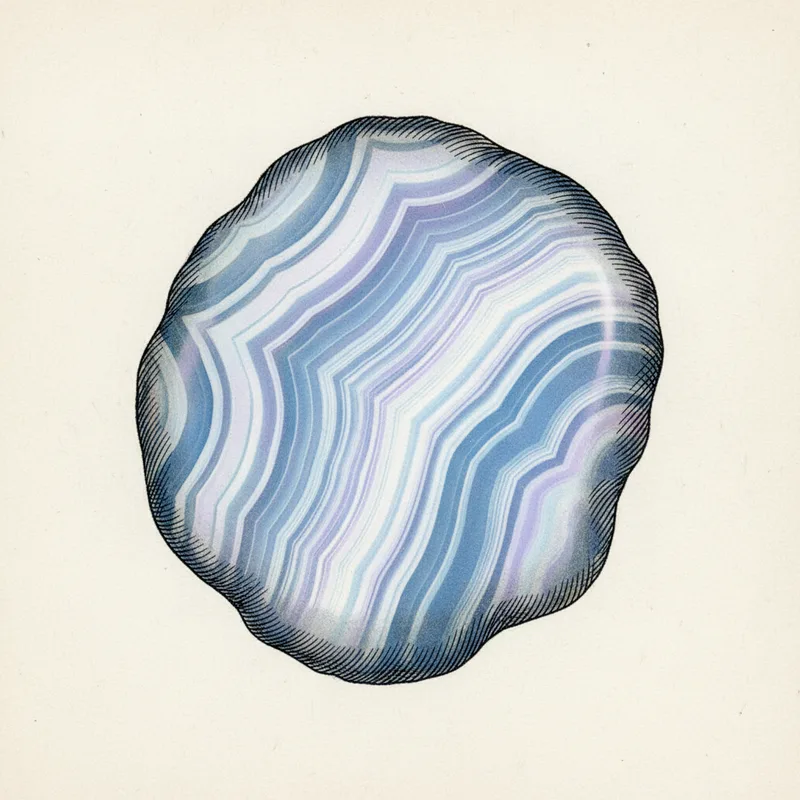
Blue Lace Agate
The Communication Stone
Botswana Agate
The Sunset Stone
Clear Quartz
The Master Healer
Dumortierite
The Patience Stone
Labradorite
The Stone of Transformation
Rose Quartz
The Stone of Unconditional Love
Alexandrite
The Chameleon Gem
Tourmaline
The Rainbow Stone
Keep Reading
Stay in the loop
From the Almanac
Updates from Crystal Almanac, when there’s something worth sharing.