Red, White, and Blue Crystals: The Real Geology
Key Takeaway: "Patriotic crystal" sets are a marketing theme, not a mineral category. The stones usually chosen, red jasper, white howlite, and blue lace agate, get their color from iron oxide, a naturally white borate that is very often dyed, and pale banded chalcedony. Here is what each one actually is, plus the one authentication catch worth knowing before you buy.
Every year around the Fourth of July, crystal shops and Etsy storefronts fill with "red, white, and blue" stone sets. The grouping is about the flag, not geology. No mineralogist sorts crystals into a patriotic family. But the individual stones in these sets are genuinely interesting, and one of them comes with a dye problem you should know about before you spend money. Here is the real story behind the patriotic lineup, color by color.
The Red Stones
The reds you will see most often are red jasper, carnelian, and garnet, with ruby at the unaffordable top of the range.
The usual picks: Red jasper (opaque, earthy brick red), carnelian (translucent orange-red), garnet (deep wine red), and ruby (corundum, genuinely expensive).
What makes them red: Red jasper and carnelian are both microcrystalline quartz, SiO₂, colored by iron oxide. In jasper the iron content is high and the stone is opaque; in carnelian it is lower and more evenly distributed, so light passes through. Garnet (the almandine variety) gets its red from iron built into the crystal structure itself, which is why it forms sharp crystals rather than the waxy lumps jasper does. Ruby is colored by chromium.
Watch out for: Cheap, vividly red faceted stones sold as ruby are almost always glass, garnet, or synthetic corundum. Natural gem ruby does not show up in a $12 patriotic set. Red jasper and carnelian, by contrast, are honestly cheap and rarely faked, because there is no reason to fake an inexpensive stone.
The White Stones (and the Dye Catch)
This is the color where you need to pay attention. The white in most patriotic sets is howlite, and howlite has a reputation.
The usual picks: Howlite (chalky white with gray veining), selenite (translucent, glowing), clear quartz, and moonstone (white with a floating sheen).
The howlite catch: Howlite is a calcium borosilicate that is naturally white to pale gray, with web-like gray veining. It is also the single most commonly dyed stone in the crystal trade. It is porous and takes dye beautifully, so it gets colored blue to imitate turquoise constantly, and it is also dyed red and blue for exactly these patriotic sets. So the rule is simple: natural howlite is white or gray. If a "howlite" in your set is vividly blue or red, it is dyed howlite, not a naturally colored stone. That is not necessarily a scam if the seller discloses it, but a lot of sellers do not.
What makes them white: Clear quartz is pure SiO₂ with no color-causing impurities. Moonstone's glow, called adularescence, comes from light scattering off microscopic internal layers, not from any white pigment. Selenite is naturally colorless to white hydrated calcium sulfate. One safety note that does not change: selenite is soft (Mohs 2) and water-soluble, so water is the one thing guaranteed to ruin it. Keep it dry.
The Blue Stones
Blue is the rarest color in the mineral world, which is why so many "blue" stones on the cheap end are dyed or glass. The honest blue picks for a patriotic set are these.
The usual picks: Blue lace agate (pale periwinkle with white banding), sodalite (royal blue with white veins), lapis lazuli (deep blue with golden pyrite), and at gem grade sapphire and aquamarine.
What makes them blue: Blue lace agate is banded chalcedony, the same quartz family as red jasper, just pale blue instead of red. Sodalite and lapis owe their blue to sulfur-related defects in the mineral structure, a genuinely unusual coloring mechanism. Aquamarine gets its sea-blue from iron. Because true blue is hard to produce naturally, this is the color where dyeing is most rampant.
Watch out for: Dyed blue agate, dyed blue howlite sold as turquoise or sodalite, and "blue obsidian," which is almost always glass. If a blue stone is intensely, uniformly vivid and very cheap, assume it is treated until proven otherwise.
"Patriotic" Is a Theme, Not a Category
None of this is a real geological grouping. A red jasper has far more in common with a blue lace agate (both are chalcedony) than it does with a garnet, even though jasper and garnet are both "red." Buy the set because the individual stones appeal to you, not because the color trio means anything mineralogically. And know what you are holding, especially with the white slot, where dyed howlite is the default rather than the exception.
A Note on Dyed and Treated Stones
Treatment is not automatically dishonest. Heating and dyeing have been done for centuries, and a dyed howlite can be a perfectly nice object. The issue is disclosure and price. Two quick tells: dye tends to pool darker in cracks and veining, and a color that looks too saturated and uniform for a cheap stone usually is. If the price seems too low for the stone named on the label, something has been treated or substituted.
FAQ
Are "patriotic crystals" a real type of stone? No. It is a seasonal marketing grouping built around the colors of the flag. The stones inside it are unrelated minerals chosen for their color.
Is white howlite dyed? Often. Natural howlite is white to pale gray. Howlite is the most frequently dyed stone in the trade because it is porous and cheap, so any vividly colored "howlite" has been dyed.
What gives red jasper its color? Iron oxide. Red jasper is microcrystalline quartz (chalcedony) stained red by iron, the same pigment that makes rust red.
What is the most affordable red, white, and blue set? Red jasper, natural (undyed) howlite, and blue lace agate or sodalite. All four are common, durable, and inexpensive, and none of them need to be faked at that price.
Metaphysical and “healing” associations mentioned here are cultural traditions, not medical advice or scientific fact. Crystals are not a substitute for professional medical care. Full disclaimer.
Crystals in This Article
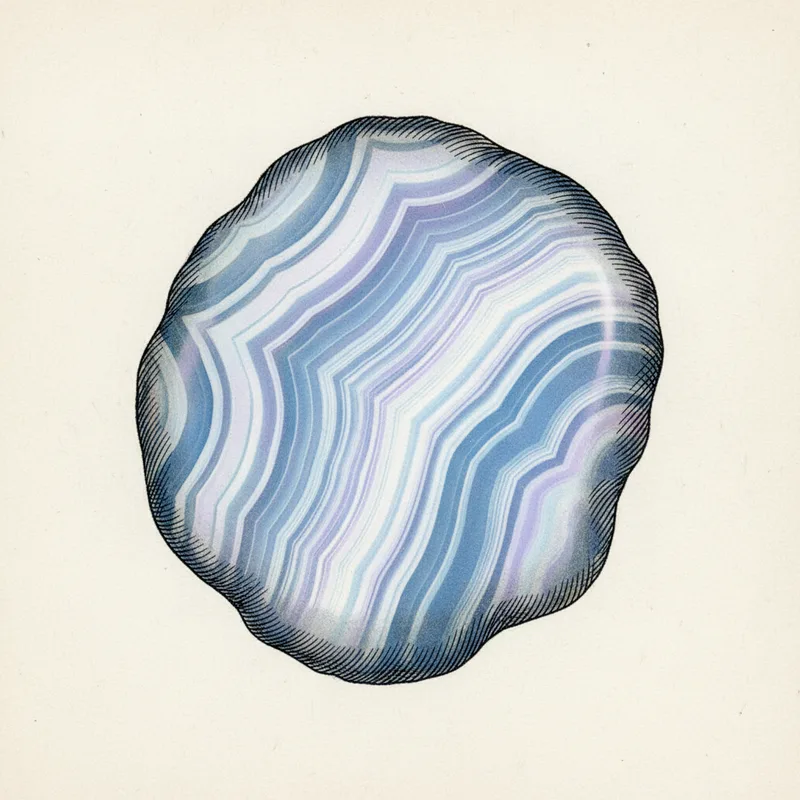
Blue Lace Agate
The Communication Stone

Blue Obsidian
The Rarest Volcanic Glass
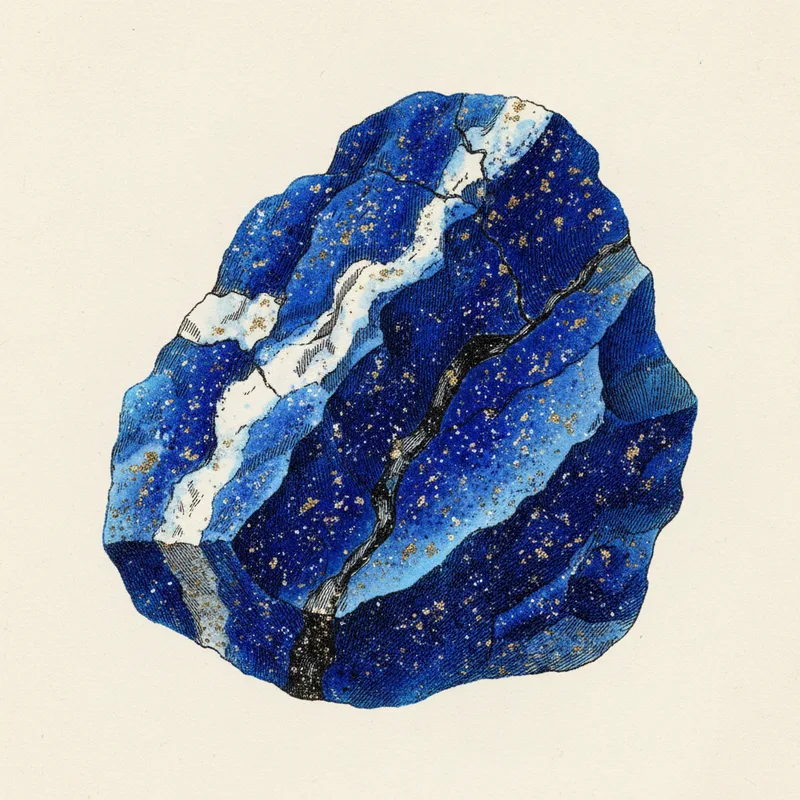
Lapis Lazuli
The Stone of the Heavens
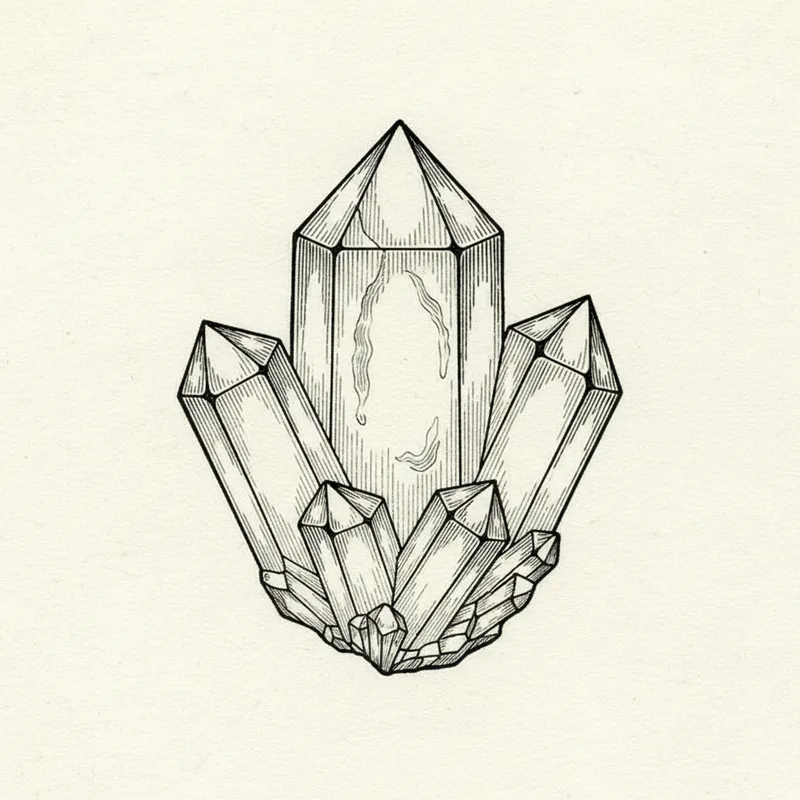
Clear Quartz
The Master Healer
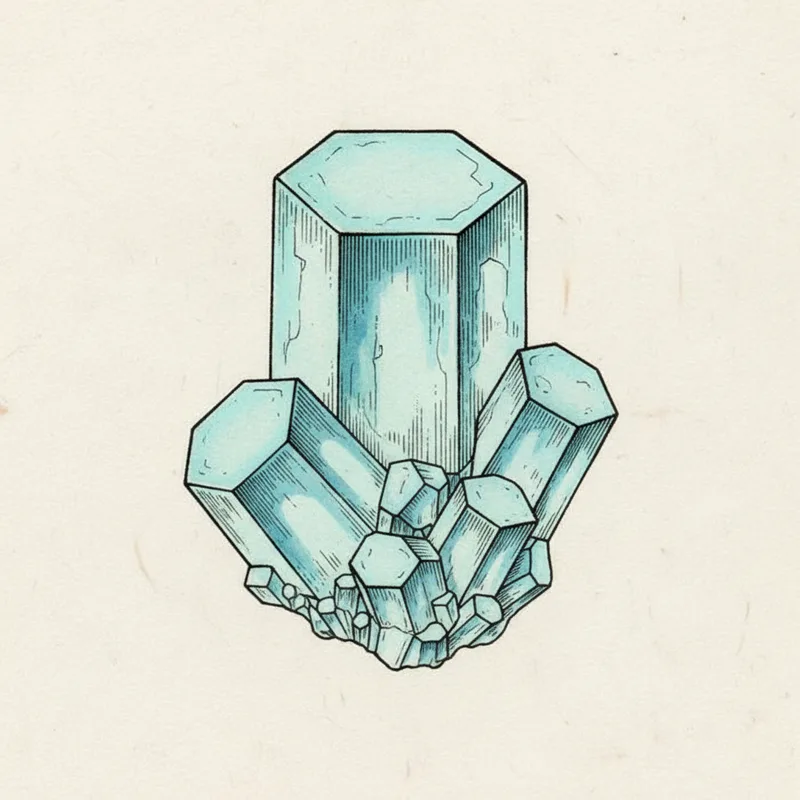
Aquamarine
The Sailor's Gem
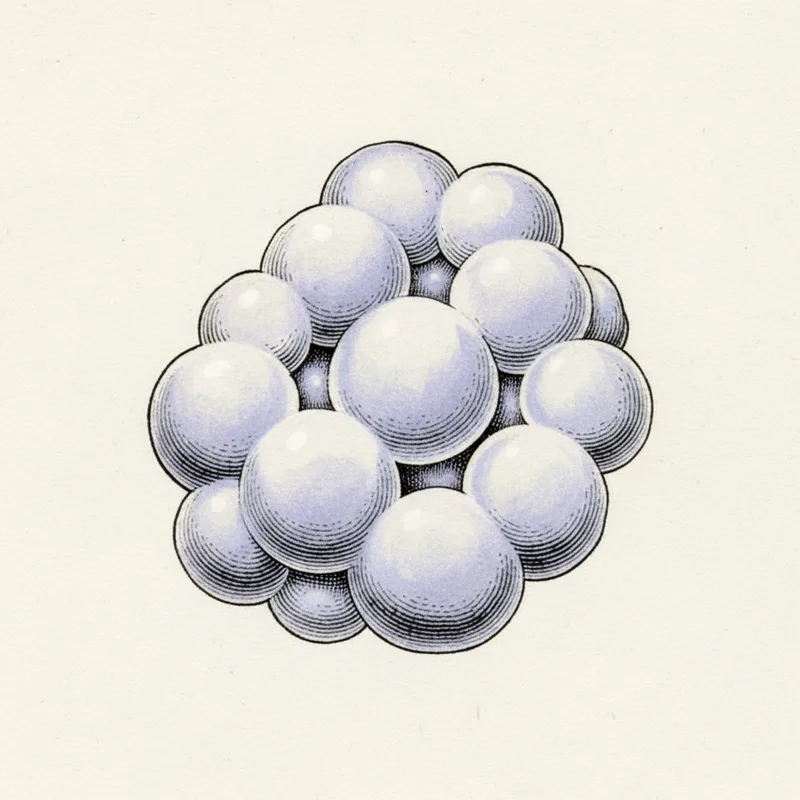
Chalcedony
The Mother of Agates
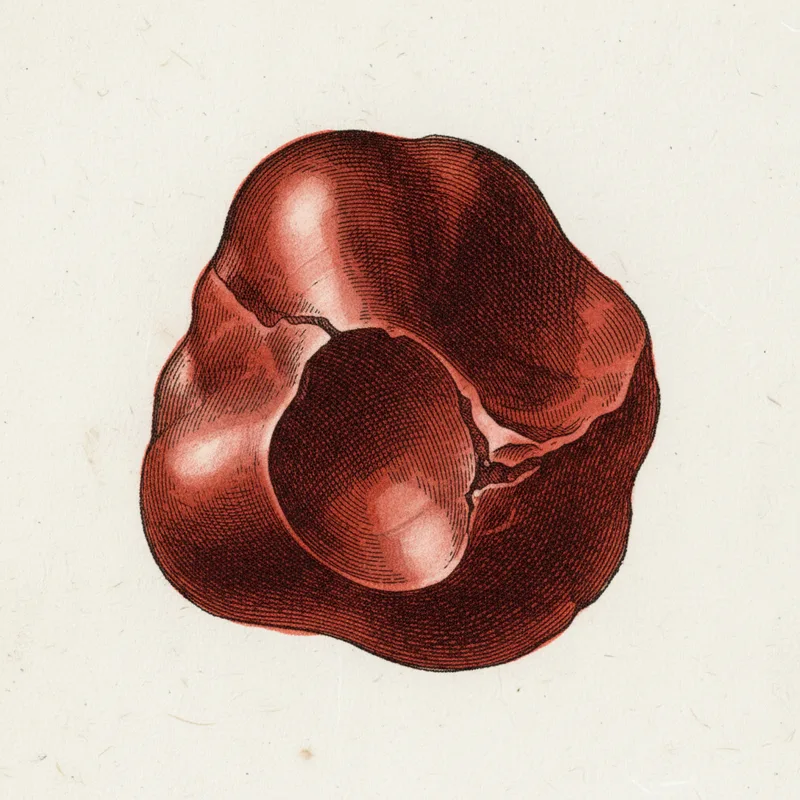
Red Jasper
The Supreme Nurturer
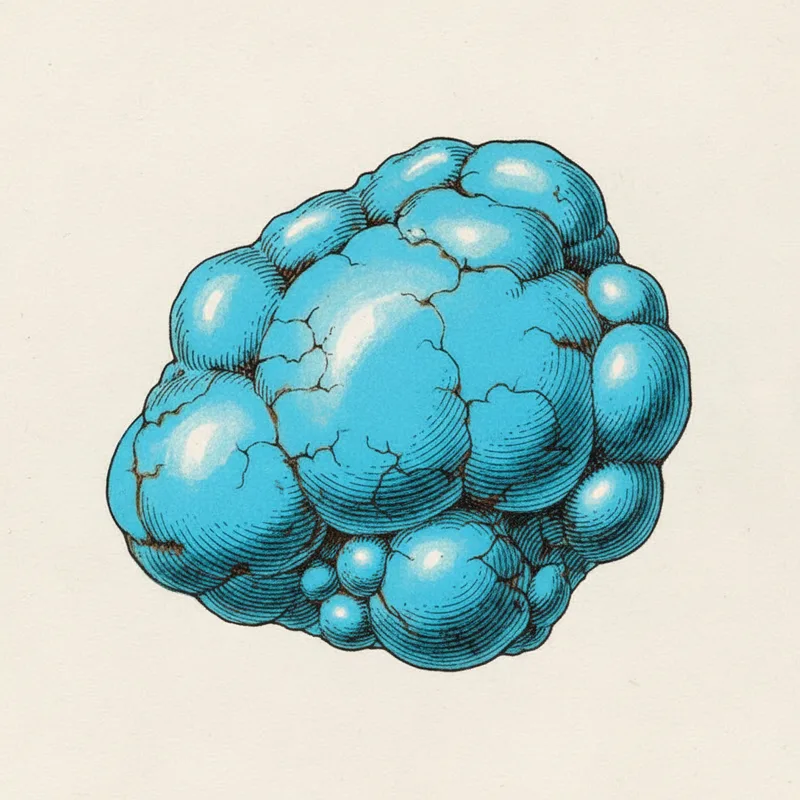
Turquoise
The Sky Stone
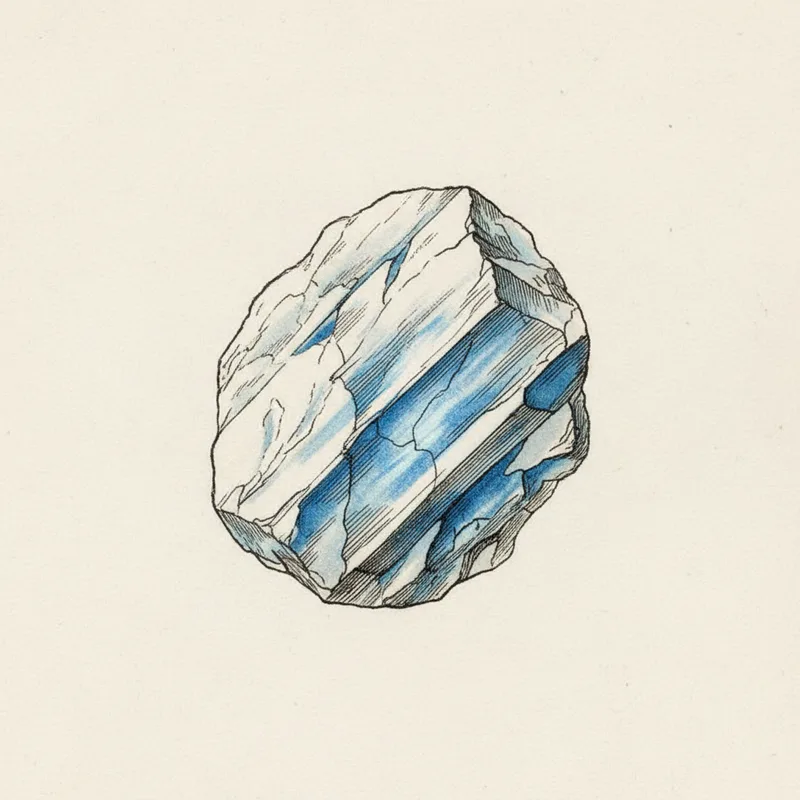
Moonstone
The Traveler's Stone
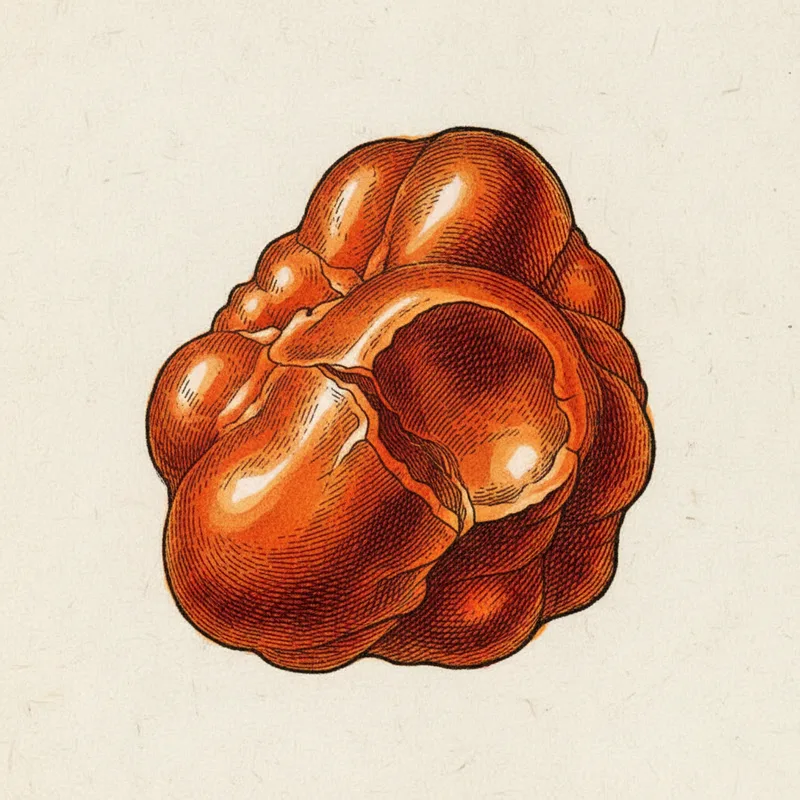
Carnelian
The Singer's Stone
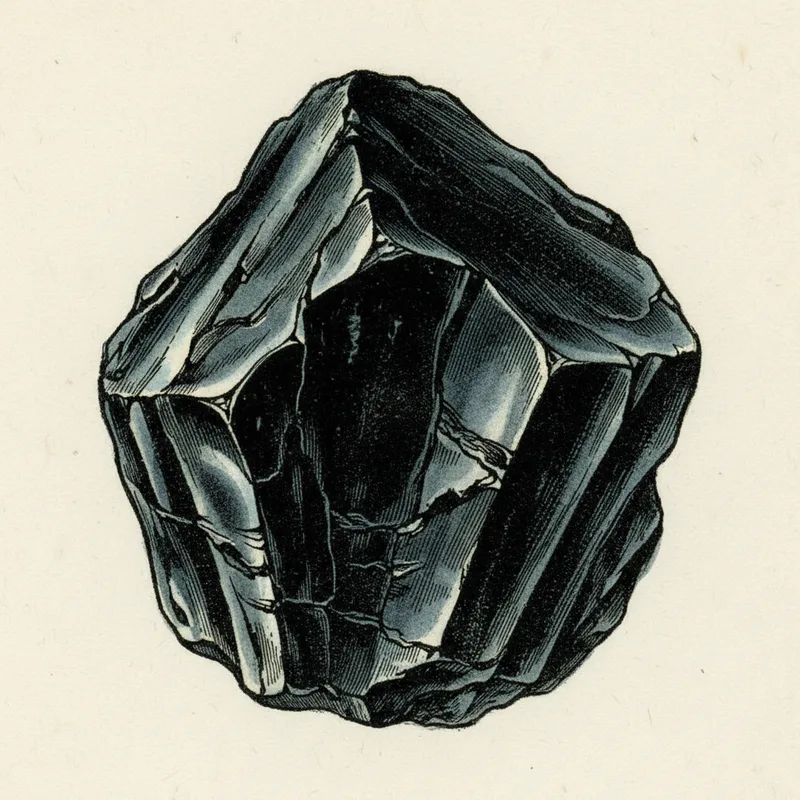
Obsidian
The Volcanic Glass
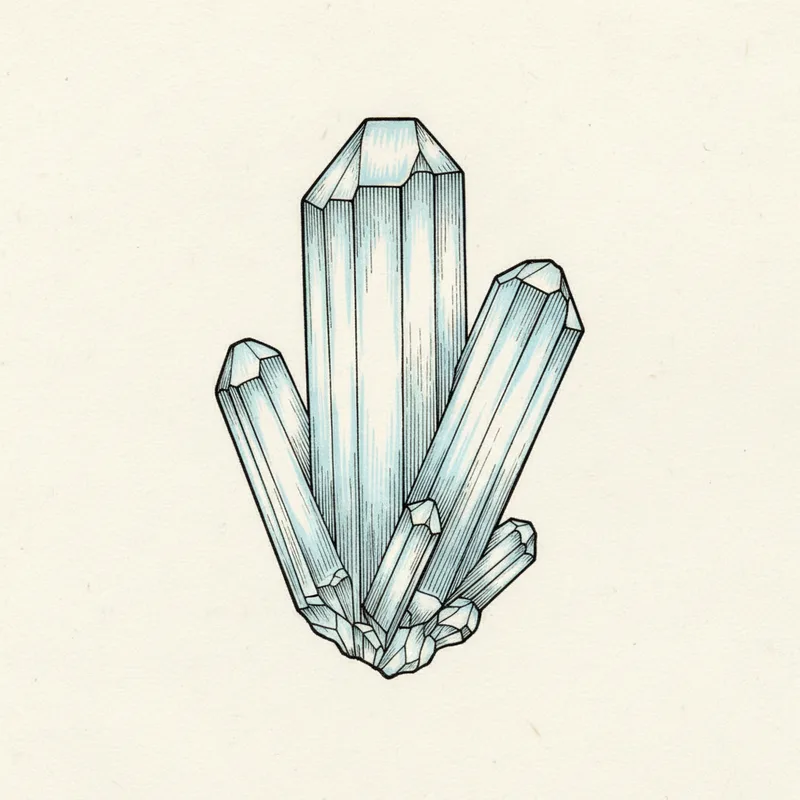
Selenite
The Liquid Light
Keep Reading
Newsletter
Something shiny, now and then
A stone worth knowing, or a fake worth spotting, every so often. No spam.