How to Tell If Your Crystal Is Real
Some links in this post go to Amazon and Etsy. Crystal Almanac earns a commission from qualifying purchases at no extra cost to you. Tools recommended here are ones we would use ourselves to run the tests described - the recommendation comes first, the link is downstream of it.
Key Takeaway: The most reliable ways to identify a fake crystal are the temperature test (real crystals feel cool), the hardness test (can you scratch it?), and close visual inspection for bubbles, uniform color, and dye pooling. No single test is definitive - use multiple methods together.
Buying a fake crystal is frustrating. Buying a fake crystal at real crystal prices is infuriating. And unfortunately, the crystal market is full of imitations, treatments, and outright fakes - from dyed howlite sold as turquoise to glass beads labeled as quartz. Goldstone glass passed off as sunstone is another classic; here is how to spot fake sunstone.
The good news: spotting fakes doesn't require a geology degree or expensive equipment. Most common fakes can be identified with a few simple tests you can do at home, right now, with things you already own.
This guide covers the universal tests that work across all crystals, plus specific fake-spotting tips for the most commonly counterfeited stones.
The Temperature Test
This is the fastest and easiest test. Real crystals and minerals are excellent thermal conductors - they pull heat away from your skin, which is why they feel cool to the touch even at room temperature. Glass and plastic imitations feel noticeably warmer.
Pick up the stone and hold it against your cheek or the inside of your wrist (areas where skin is more temperature-sensitive). A real crystal will feel distinctly cool for several seconds before warming up. Glass warms almost immediately. Plastic never feels cool at all.
This test is particularly useful for spotting glass sold as quartz, obsidian, or any transparent crystal. It's not foolproof - some real crystals (like amber, which is organic) feel warmer than you'd expect - but it catches the majority of glass fakes.
The Hardness Test
Every mineral has a specific hardness on the Mohs scale, and this is one of the most reliable identification tools in geology. The concept is simple: a harder material can scratch a softer one.
Here's what you need to know for practical testing. Your fingernail has a hardness of about 2.5. A copper coin is about 3.5. A steel knife blade is about 5.5. A piece of quartz is 7.
So if a seller claims a stone is quartz (hardness 7) but you can scratch it with a knife (hardness 5.5), it's not quartz. If a "turquoise" stone (hardness 5-6) can be scratched with your fingernail, it's probably plastic or heavily reconstituted material.
Always test on an inconspicuous spot - the base, the back, or near a drill hole on beads. And be aware that this test can damage soft genuine stones like selenite (hardness 2), so use judgment.
The Visual Inspection
Under good lighting (natural daylight is best) and ideally with a simple loupe or magnifying glass, look for these red flags.
Bubbles. Air bubbles inside a stone are the single most reliable indicator of glass. Natural crystals form under conditions that don't trap round air pockets. If you see spherical bubbles, it's glass or resin. This alone catches a huge percentage of fakes.
Perfectly uniform color. Nature is messy. Real crystals almost always show some variation - color zoning, subtle shifts in tone, areas of lighter or darker color. If a stone is perfectly, uniformly colored throughout with zero variation, be suspicious. This is especially common in fake malachite, turquoise, and lapis lazuli.
Dye pooling. In dyed stones, color concentrates in cracks, fractures, and around drill holes. Examine these areas closely. If the cracks are darker than the surrounding stone, it's likely dyed. This is the main way to spot dyed howlite sold as turquoise, and dyed agate sold as various stones.
Mold lines or seams. Mass-produced glass and resin fakes sometimes show faint lines where mold halves met during manufacturing. Run your finger along the surface - real crystals don't have manufacturing seams.
Too perfect. A perfectly spherical crystal ball with zero inclusions, flawless color, and mirror polish at a suspiciously low price is almost certainly glass. Natural crystal spheres of that quality are expensive because they require large, clean rough material. When a price sits well below the typical range in our crystal price guide, treat it as a warning, not a deal.
The Weight Test
Minerals have specific gravities that are often noticeably different from glass and plastic. Real quartz, for example, has a specific gravity of 2.65 - it feels substantive in your hand. Glass is similar (2.5) so this test doesn't always help for quartz, but it's excellent for other stones.
Jade is a great example. Real jadeite (SG 3.30) feels heavy for its size - noticeably heavier than the serpentine (SG 2.55) commonly sold as "new jade." Hematite (SG 5.26) is dramatically heavy. If a "hematite" bead feels lightweight, it's ceramic or resin with a metallic coating.
The Scratch Plate Test (Streak Test)
Rubbing a mineral across unglazed white porcelain (the back of a bathroom tile works) leaves a colored streak that's often different from the stone's surface color. This is called the streak test, and it's been used by geologists for centuries.
Pyrite leaves a greenish-black streak (not gold - that's how you know it's not real gold). Hematite leaves a red-brown streak despite looking silver-black. If a stone leaves no streak at all on porcelain, it might be harder than the tile (hardness 7+) or it might be glass.
Stone-Specific Fake-Spotting
Turquoise
The most faked crystal in the market. Common substitutes include dyed howlite, dyed magnesite, and reconstituted turquoise (ground up and reformed with resin). Look for dye pooling in cracks, test with a hot needle (plastic and resin will melt or smell chemical), and remember that genuine untreated turquoise commands premium prices - if it's cheap and vivid blue, it's almost certainly treated or fake. For the full six-test checklist including the acetone swab test that catches dyed howlite in seconds, see Is My Turquoise Real?.
Citrine
Most commercial "citrine" is heat-treated amethyst. Natural citrine is pale champagne to soft golden yellow. If it's deeply saturated burnt orange, it's baked amethyst. Not exactly a fake (it's still real quartz), but the price should reflect the treatment.
Jade
Jade fraud is massive. "B jade" is acid-bleached and polymer-filled. "C jade" is dyed. Only "A jade" is untreated. Common substitutes include serpentine ("new jade"), aventurine, and dyed quartzite. For any significant jade purchase, get a lab report.
Moldavite
The explosion in moldavite popularity created a flood of fakes - mostly green glass from China. Real moldavite has a distinctive wrinkled, sculpted surface texture and contains elongated bubbles (not round ones). It's also never perfectly transparent or uniformly colored. The lechatelierite test (looking for hair-like quartz inclusions under 10x magnification) is the single most reliable check - manufactured glass cannot reproduce them. Full walkthrough in Is My Moldavite Real?.
Lapis Lazuli
Dyed howlite and dyed jasper ("Swiss lapis") are common substitutes. Real lapis contains golden pyrite flecks and has a slightly granular texture. The acetone test works well - dab a cotton swab with nail polish remover on an inconspicuous area. Dyed fakes will transfer blue color to the swab.
Malachite
Reconstituted and synthetic malachite is increasingly common in beads and carvings. Natural malachite banding is always slightly irregular - band widths vary, curves aren't perfect. If the banding looks like a computer-generated pattern with perfect regularity, it's synthetic.
The "Too Good to Be True" Rule
The single best fake-detection tool is common sense about pricing. A 3-inch flawless clear quartz sphere costs $50-200+, not $8. Natural Sleeping Beauty turquoise cabochons cost $20-100+, not $3 for a strand of beads. Imperial green jadeite sells for thousands per carat, not $15 for a bangle.
If a price seems dramatically below what the stone should cost, there's a reason. It might be treated, synthetic, a different mineral entirely, or glass. This doesn't mean every affordable crystal is fake - plenty of beautiful, genuine specimens are inexpensive. But a basic understanding of what things should cost is your first line of defense.
When to Get Professional Help
For expensive purchases - anything over $200, or any stone where authenticity materially affects value - consider a gemological lab report. Labs like GIA, AGL, and Gubelin can definitively identify a stone's identity, origin, and treatment status. The cost ($50-200 for most reports) is worth it for significant pieces.
For casual collecting, the tests above will catch 90%+ of fakes. Trust your instincts, buy from reputable dealers who offer return policies, and remember: there's no shame in asking questions. Good dealers welcome informed buyers.
FAQ
Can I use a UV light to test crystals? UV light is useful for specific minerals - fluorite often glows blue or purple, some diamonds fluoresce blue, and certain fakes (like resin-filled jade) may fluoresce differently than untreated material. But UV response is inconsistent across specimens, so it's a supplementary test, not a primary one.
Are crystals from Etsy and Amazon reliable? It depends entirely on the seller. Both platforms have excellent specialist sellers and terrible fraudulent ones. Look for sellers who disclose treatments, provide detailed photos of the actual item (not stock photos), have strong review histories, and offer return policies. Avoid sellers with generic stock images and no treatment disclosure.
Is heat-treated crystal considered "fake"? In the gem trade, heat treatment is generally accepted when disclosed. Heat-treated amethyst becoming citrine, heat-treated aquamarine deepening in blue - these are standard practices. The issue is when treatment isn't disclosed, or when treated material is sold at untreated prices.
My crystal has small chips and imperfections - does that mean it's real? Not necessarily (fakes can be damaged too), but it's a mildly positive sign. Real crystals show natural imperfections - small chips, internal fractures, minor color variations, crystal growth marks. Perfection is more suspicious than imperfection.
Can AI crystal identifier apps reliably detect fakes? Current AI apps can identify crystal types with reasonable accuracy but they cannot detect treatments, dyes, or synthetic material from a photo alone. Physical testing (hardness, temperature, streak) is still essential for authenticity verification.
Metaphysical and “healing” associations mentioned here are cultural traditions, not medical advice or scientific fact. Crystals are not a substitute for professional medical care. Full disclaimer.
Crystals in This Article
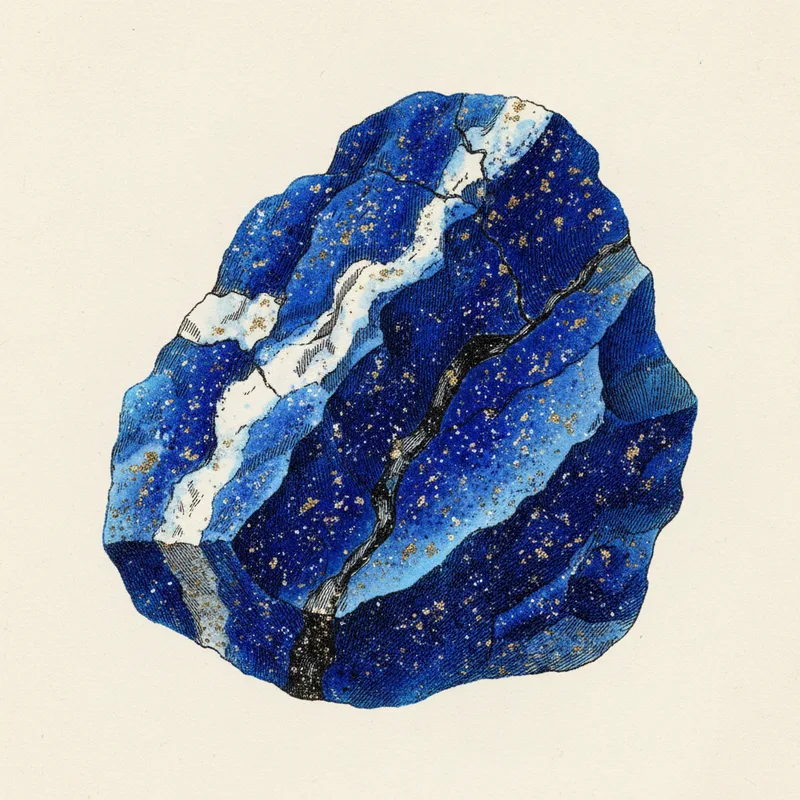
Lapis Lazuli
The Stone of the Heavens
Clear Quartz
The Master Healer
Aquamarine
The Sailor's Gem
Aventurine
The Stone of Opportunity
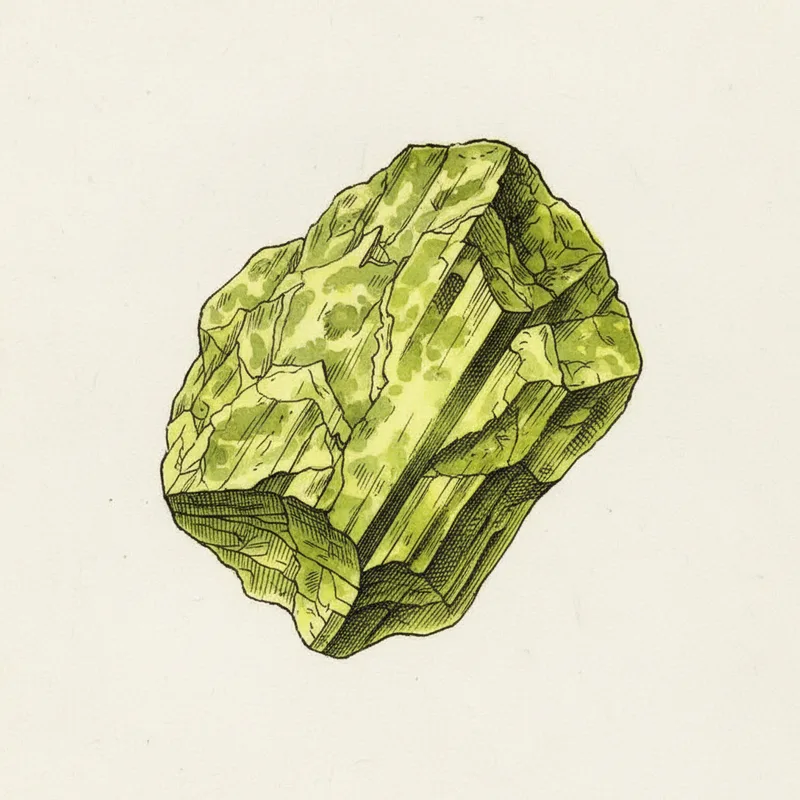
Serpentine
The Serpent Stone
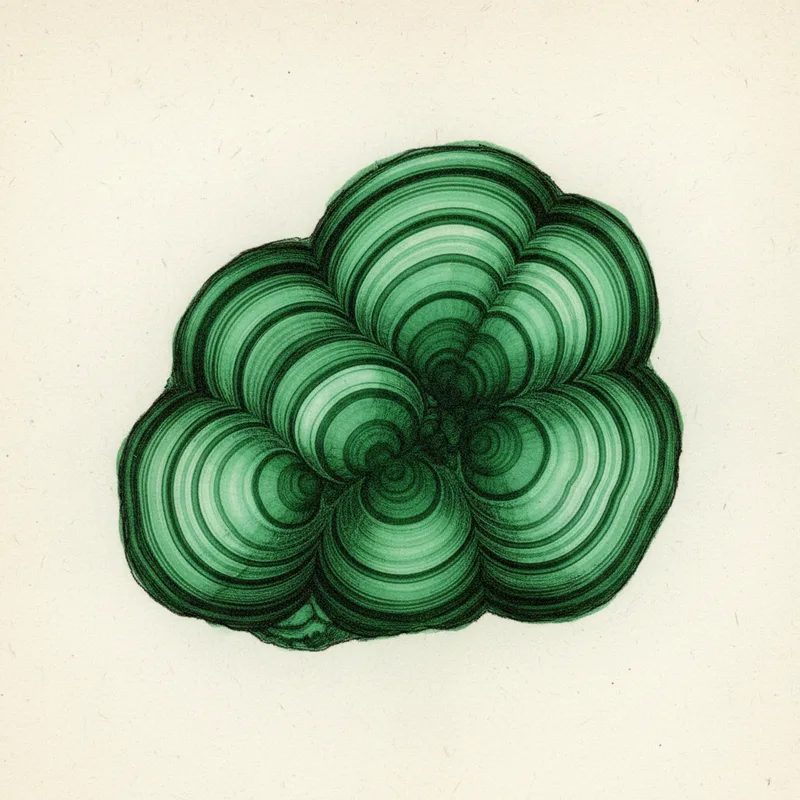
Malachite
The Stone of Transformation
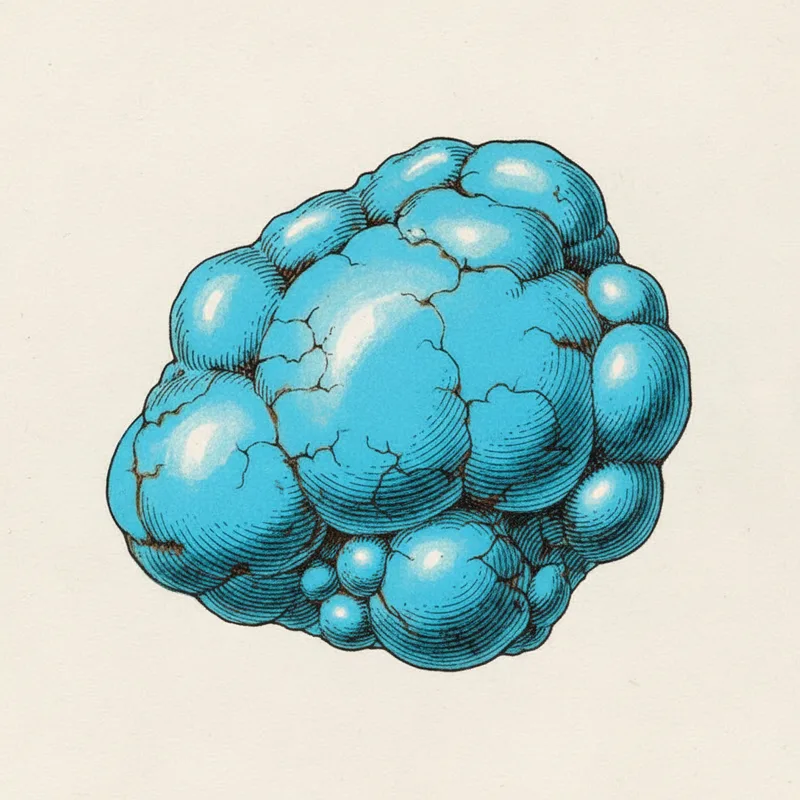
Turquoise
The Sky Stone
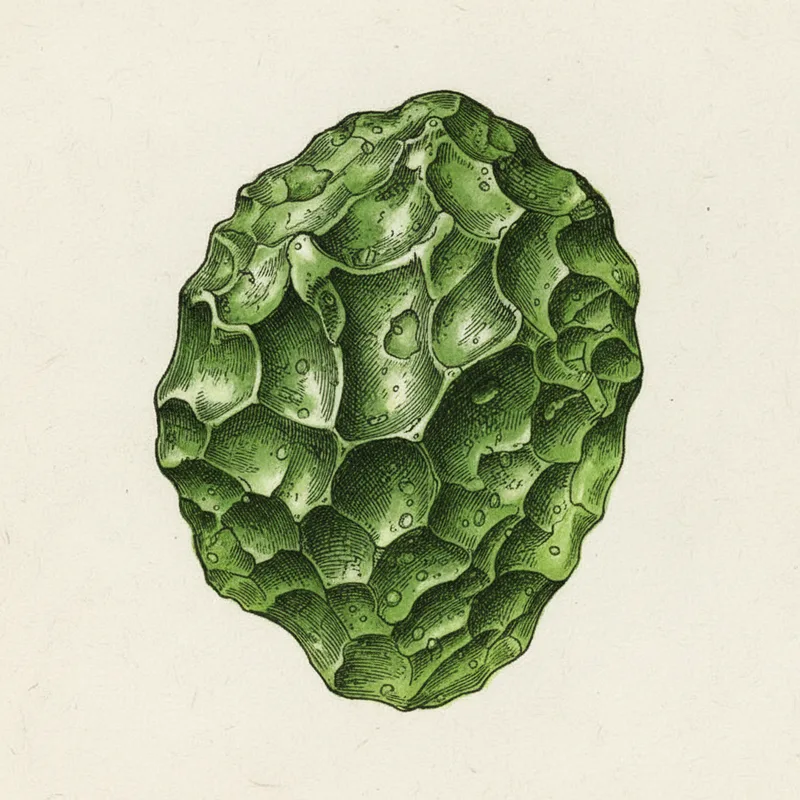
Moldavite
The Stone from the Stars
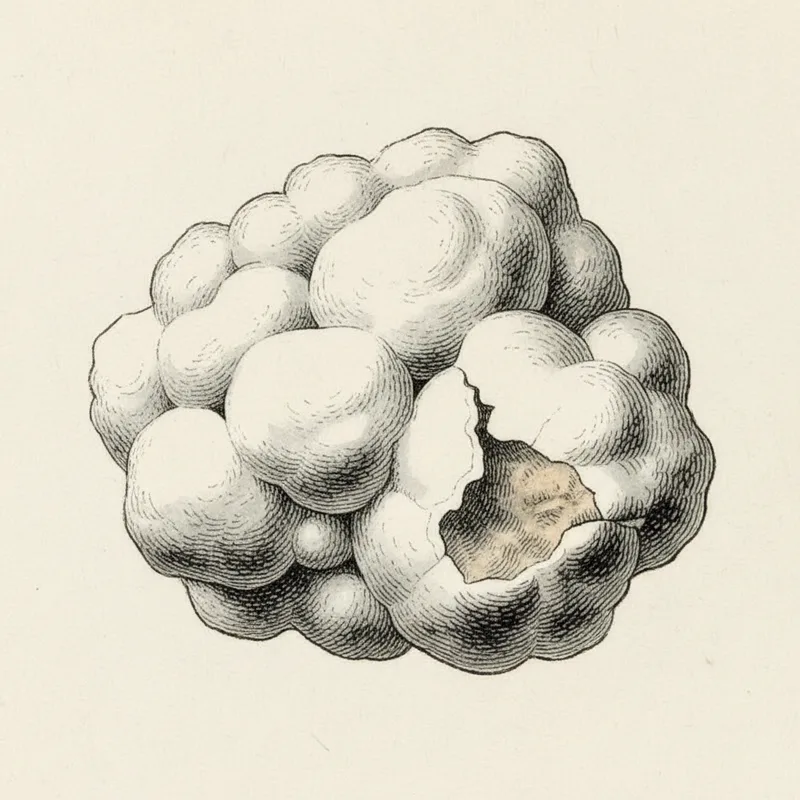
Magnesite
The Brain Stone
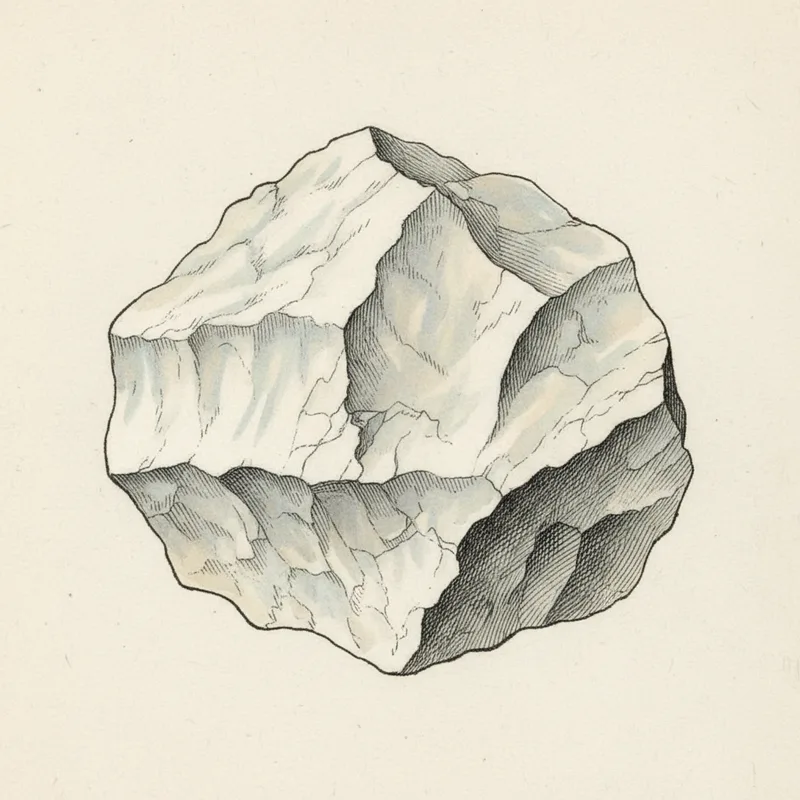
Quartzite
The Indestructible Sandstone
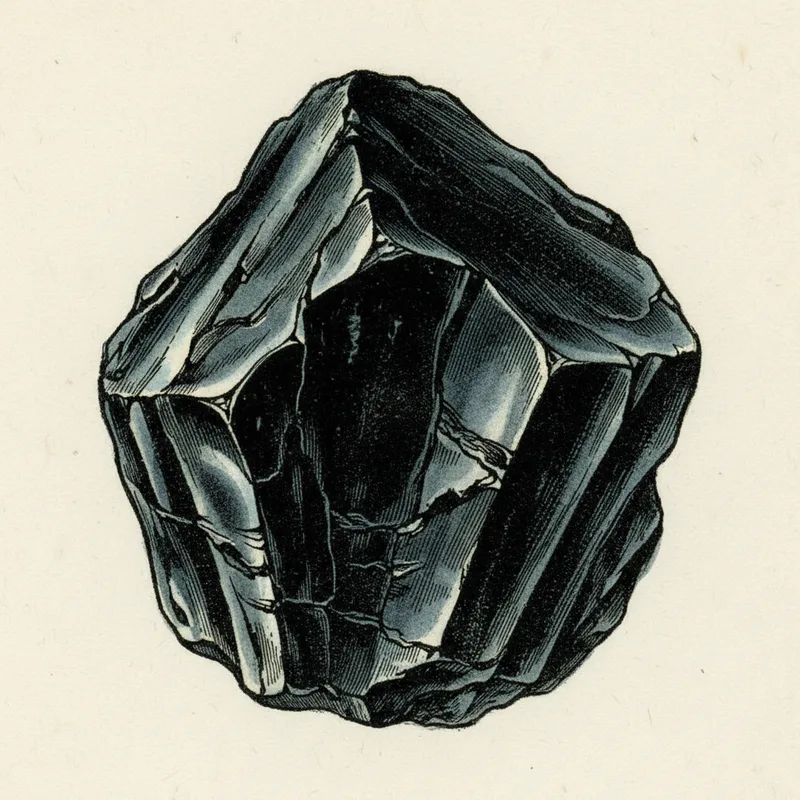
Obsidian
The Volcanic Glass
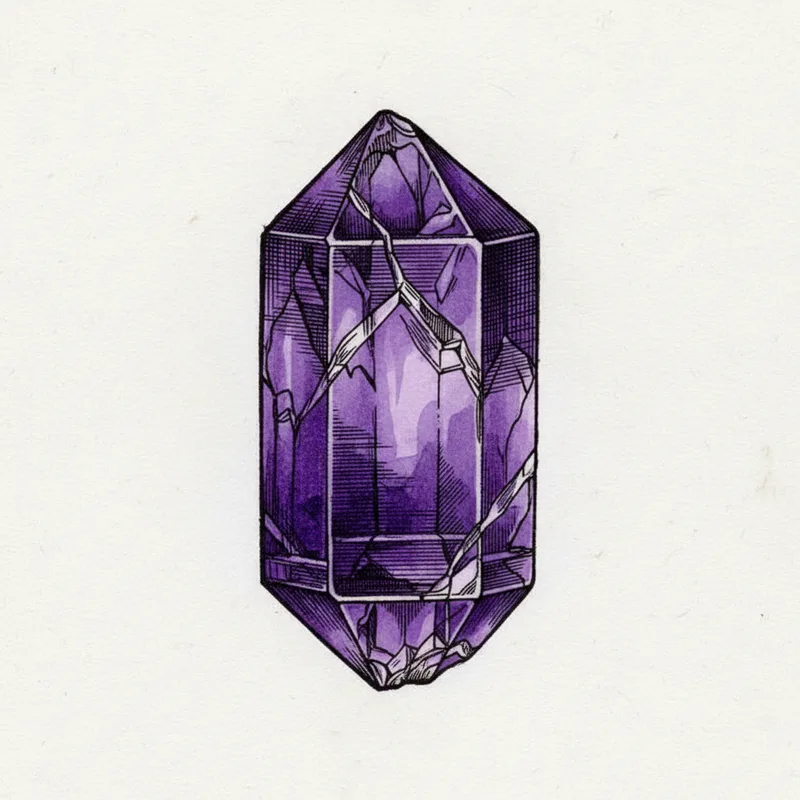
Amethyst
The Stone of Spiritual Wisdom
Keep Reading
Newsletter
Something shiny, now and then
A stone worth knowing, or a fake worth spotting, every so often. No spam.