Best Calming Crystals for Anxiety and Stress
Key Takeaway: No crystal treats anxiety. What a calming stone actually offers is a tool for a practice: a cool, smooth, weighted object you hold during a deliberate pause, which is a real way to interrupt a stress spiral. The stones below are chosen for what they are geologically and for the long traditions that tie them to calm, with honest notes on how to use them and where the science ends. If anxiety is affecting your daily life, the most effective step is talking to a doctor or therapist. Treat these as a small ritual alongside real care, never instead of it.**
How a "calming" stone actually works
Hold a smooth stone in your hand and a few real things happen. It is cool to the touch, which is a mild sensory anchor. It has weight, which gives your attention something physical to settle on. And reaching for it marks a deliberate pause, the moment you stop and breathe instead of react.
That pause is the active ingredient. Slow, intentional breathing shifts your nervous system toward its calmer "rest and digest" state. A repeated ritual (same stone, same breath, same moment) becomes what behavioral scientists call an anchor: a consistent cue paired with a mental state until the cue alone helps trigger the state. Athletes do this with pre-shot routines. A calming stone is the same idea, made tactile.
None of that requires the stone to emit anything. The calm comes from your breath, your attention, and the habit. The stone is the handle. That is the honest frame for everything below, and it is also why the tradition has lasted: a small object you can hold is a useful, concrete prompt to pause.
1. Lepidolite
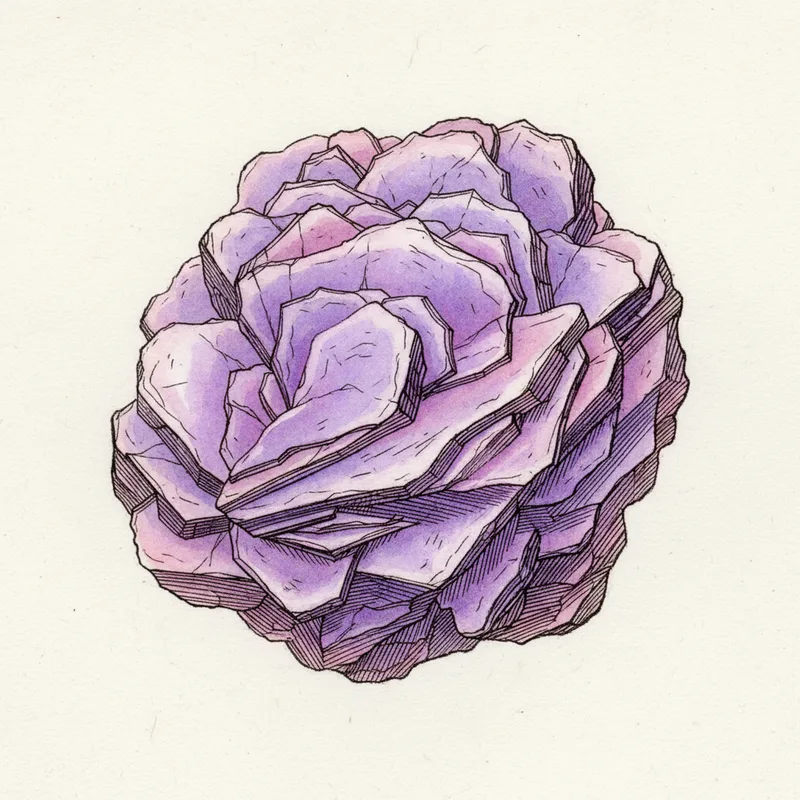
Lepidolite is the one people ask about most, because it actually contains lithium, the same element used in mood-stabilizing medication. The chemistry is a lithium-rich mica, and the soft lilac color comes from manganese and lithium together. It is soft, around Mohs 2.5 to 3, and flakes easily.
Here is the honest part. The lithium is locked inside the crystal structure. You do not absorb a meaningful dose by holding a piece of lepidolite, and you should never make a "gem elixir" by soaking it in water to drink. The medical-grade effect of lithium has nothing to do with the stone. What lepidolite offers is the same thing every stone on this list offers: a calming ritual object, with a lilac color that many people find soothing to look at. The lithium is a fascinating geological fact, not a treatment.
2. Amethyst
Amethyst is the classic calming stone across the most cultures, and it is also one of the most durable, at Mohs 7. It is the purple variety of quartz, colored by trace iron and natural irradiation. The ancient Greeks tied it to sobriety and a clear, untroubled mind. The name comes from a word meaning "not intoxicated."
Because it is hard and widely available, amethyst is a practical everyday choice: a tumbled piece in a pocket survives daily handling that would chip a softer stone. One care note that is easy to miss: prolonged direct sunlight can fade amethyst's color over time, so a sunny windowsill is the wrong home for it.
3. Blue Lace Agate
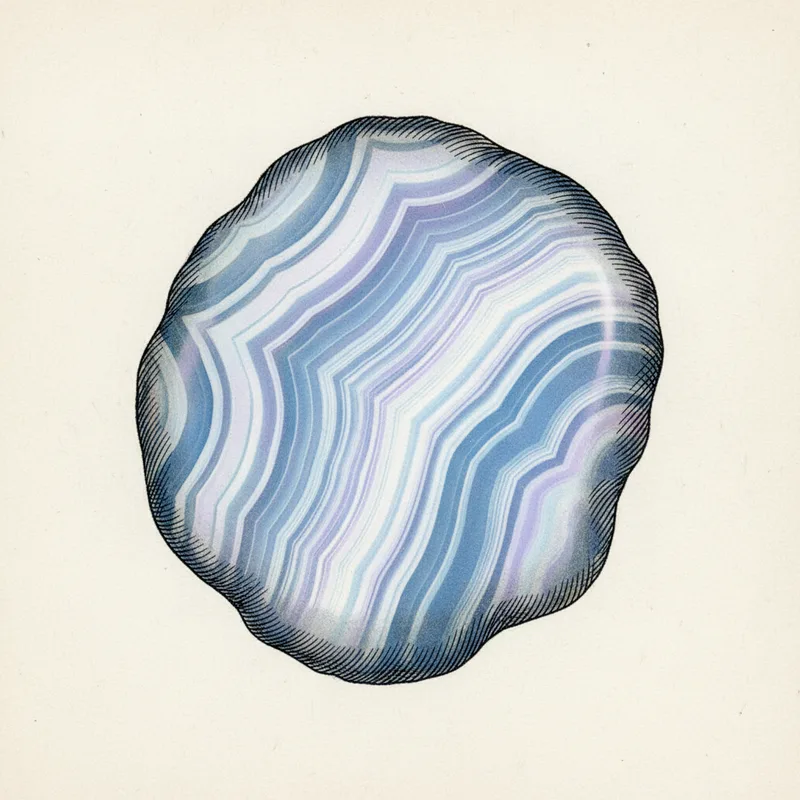
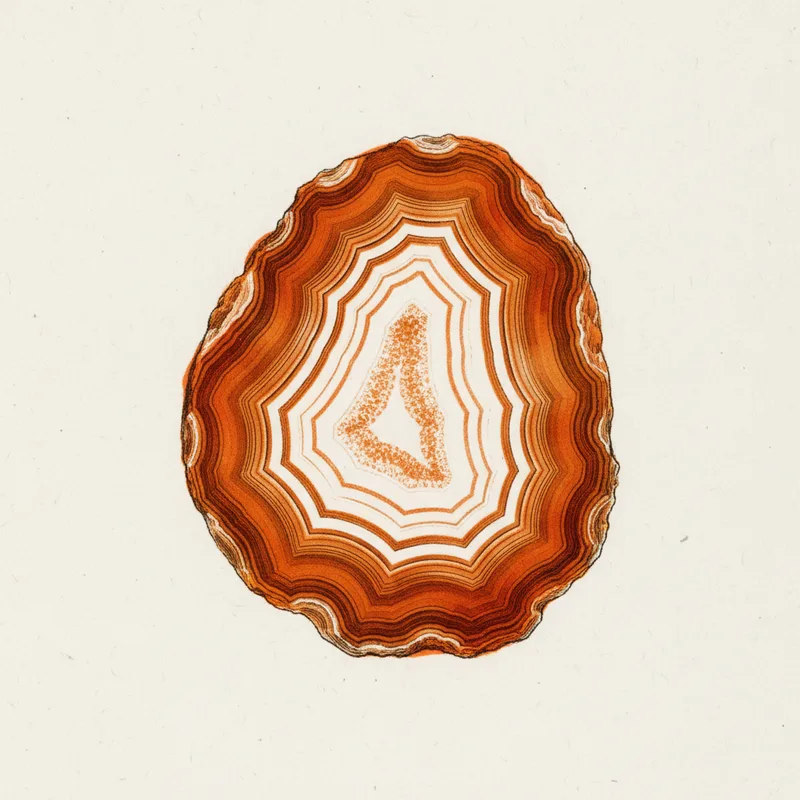
Blue Lace Agate is a banded variety of chalcedony, part of the quartz family, with soft sky-blue layers. At Mohs 6.5 to 7 it is durable enough for daily carry. The gentle banding and pale color are the whole appeal: it is one of the most visually soothing stones in the trade, which is most of why the tradition pairs it with calm communication and easing the tension of speaking up.
4. Howlite
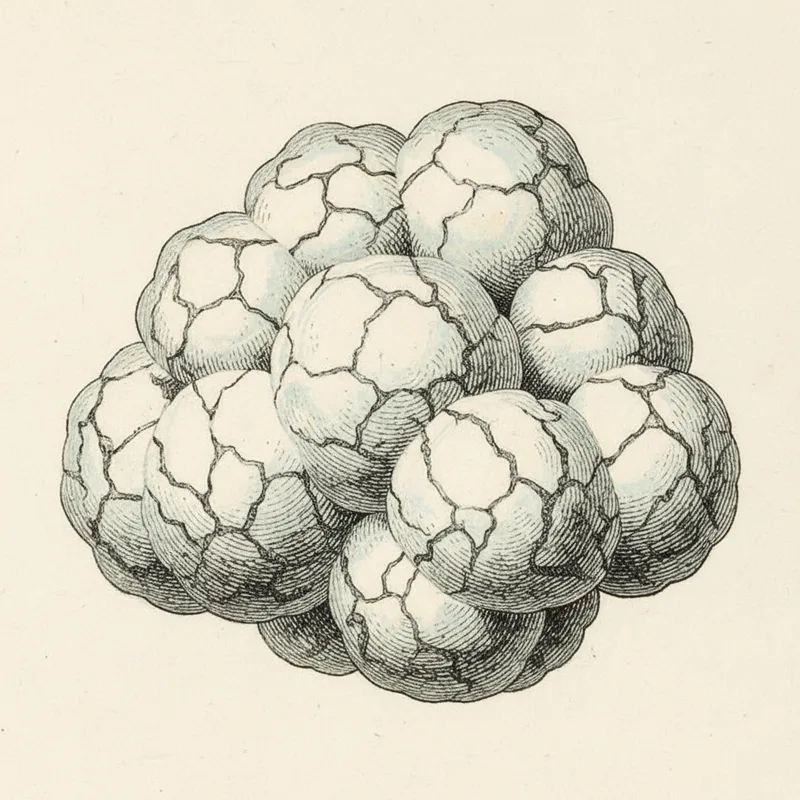
Howlite is a white borate mineral laced with grey veins, soft at around Mohs 3.5. The tradition ties it to quieting an overactive mind and to sleep, and a white stone on the nightstand is a pleasant prompt to wind down.
A buyer warning that fits the science-first spirit: howlite is the stone most often dyed blue and sold as "turquoise" or "white turquoise." Its natural porous surface takes dye easily. If a cheap "turquoise" piece has the same grey veining pattern as howlite, that is what it is. Knowing this saves you from overpaying for a five-dollar stone.
5. Celestite
Celestite is strontium sulfate, prized for its delicate sky-blue crystals, and it is soft and fragile at Mohs 3 to 3.5. The name shares a root with "celestial," and the tradition leans gentle and airy. It is a display stone more than a pocket stone: the clusters are beautiful but they bruise and the color can fade in strong light, so keep it somewhere stable and out of direct sun.
6. Amazonite
Amazonite is a green-to-blue variety of microcline feldspar, at Mohs 6 to 6.5, with a color that comes from trace lead and water in its structure. Durable enough for everyday wear, it carries a tradition of soothing frayed nerves and taking the heat out of difficult conversations. The calm, sea-glass color does a lot of the work. That conversation tradition is also why amazonite turns up on nearly every Mercury retrograde list.
7. Kunzite
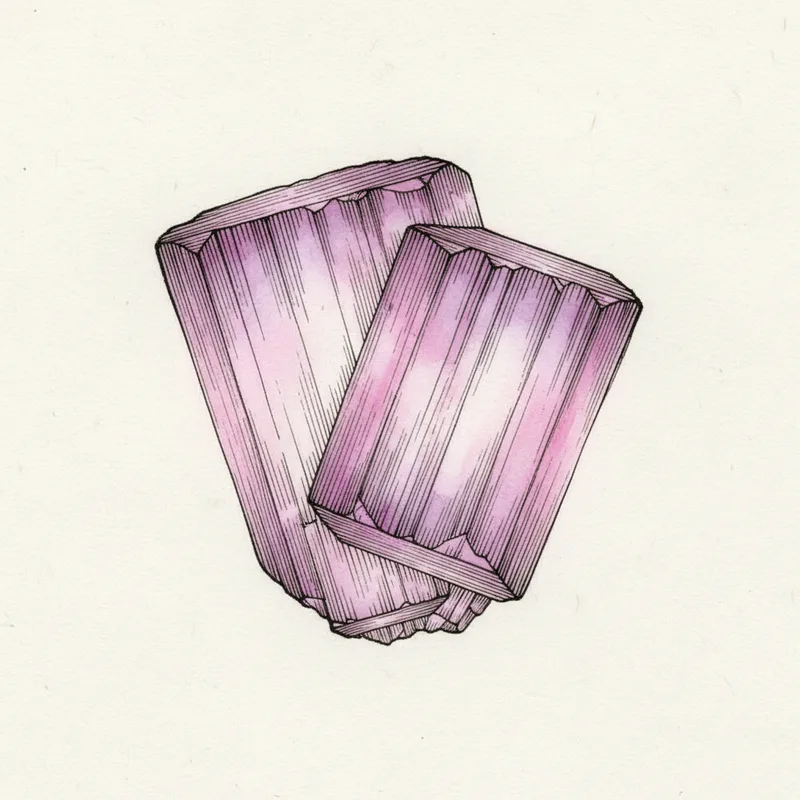
Kunzite is the pink variety of spodumene, a lithium-bearing silicate, with a soft pastel color and good clarity at Mohs 6.5 to 7. The tradition connects it to gentle, heart-centered calm. One firm care fact: kunzite's color is photosensitive and fades with prolonged exposure to sunlight, so it is an indoor, low-light stone. Like lepidolite, its lithium content is structural, not something you absorb.
8. Smoky Quartz
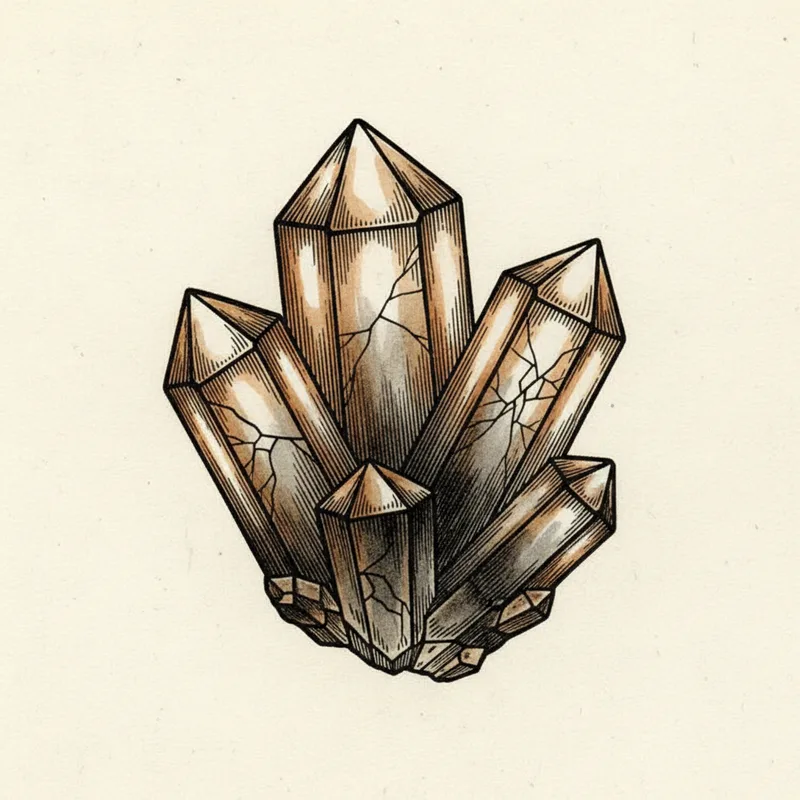
Smoky Quartz bridges calming and grounding. It is brown-to-grey quartz, colored by natural irradiation of the silicon dioxide, and at Mohs 7 it is as tough as any quartz. The tradition treats it as a steadying, settling stone, the calm that comes from feeling planted rather than soothed. If your stress shows up as scattered, untethered energy more than racing thoughts, smoky quartz is the one to try, and it leads naturally into the grounding stones.
How to actually use them
Pick one stone, not ten. The practice matters more than the mineral.
- Keep it where the stress is. A tumbled stone in your pocket, on your desk, or on the nightstand. The point is that you see and feel it at the moment you need the cue.
- Pair it with breath. When you notice tension, hold the stone, and take five slow breaths with a longer exhale than inhale. The stone is the reminder to do the breathing.
- Be consistent. Use the same stone, the same way, for weeks. The anchor strengthens with repetition. Switching stones constantly resets the habit.
- Mind the soft ones. Several stones here (lepidolite, howlite, celestite, kunzite) are soft, water-sensitive, or light-sensitive. Keep those for display or gentle handling, and choose amethyst, blue lace agate, amazonite, or smoky quartz for daily carry. See the crystal care guide for specifics.
A note on anxiety and medical care
This is a cultural and practical guide, not medical advice. Crystals are not a treatment for anxiety, panic disorder, or any health condition, and they are not a substitute for therapy or medication. A calming ritual can be a small, real help on top of proper care. If anxiety is interfering with your life, please talk to a doctor or a licensed mental health professional. That is the step that actually works.
FAQ
Do calming crystals really work for anxiety? Not the way a medication does. A crystal does not emit calming energy or treat a condition. What helps is the ritual: holding a smooth, cool, weighted stone while you breathe slowly is a real way to prompt your nervous system to settle. The stone is a tool for that practice, not a cure.
What is the best crystal for anxiety? Amethyst is the most practical starting point: it is the classic calming-tradition stone, hard enough for daily carry at Mohs 7, and inexpensive. If you prefer the look and feel of a softer pastel stone, lepidolite or blue lace agate are common choices.
Does lepidolite contain lithium that calms you? Lepidolite does contain lithium, but it is locked in the crystal structure and is not absorbed by holding the stone. The lithium has no medicinal effect through skin contact, and you should never soak it to drink. It is a real geological fact, not a treatment.
Which calming stones are safe to carry every day? Amethyst, blue lace agate, amazonite, and smoky quartz are all around Mohs 6.5 to 7 and handle daily wear. Lepidolite, howlite, celestite, and kunzite are softer or light-sensitive and are better kept for display or gentle use.
Can I put calming crystals in water? Some yes, some no. Quartz-family stones like amethyst and smoky quartz tolerate a brief rinse, but soft and water-reactive stones can be damaged or worse. Check each stone on its profile or the water-safe guide before any water contact.
Metaphysical and “healing” associations mentioned here are cultural traditions, not medical advice or scientific fact. Crystals are not a substitute for professional medical care. Full disclaimer.
Crystals in This Article
Blue Lace Agate
The Communication Stone
Smoky Quartz
The Grounding Stone
Lepidolite
The Peace Stone
Chalcedony
The Mother of Agates
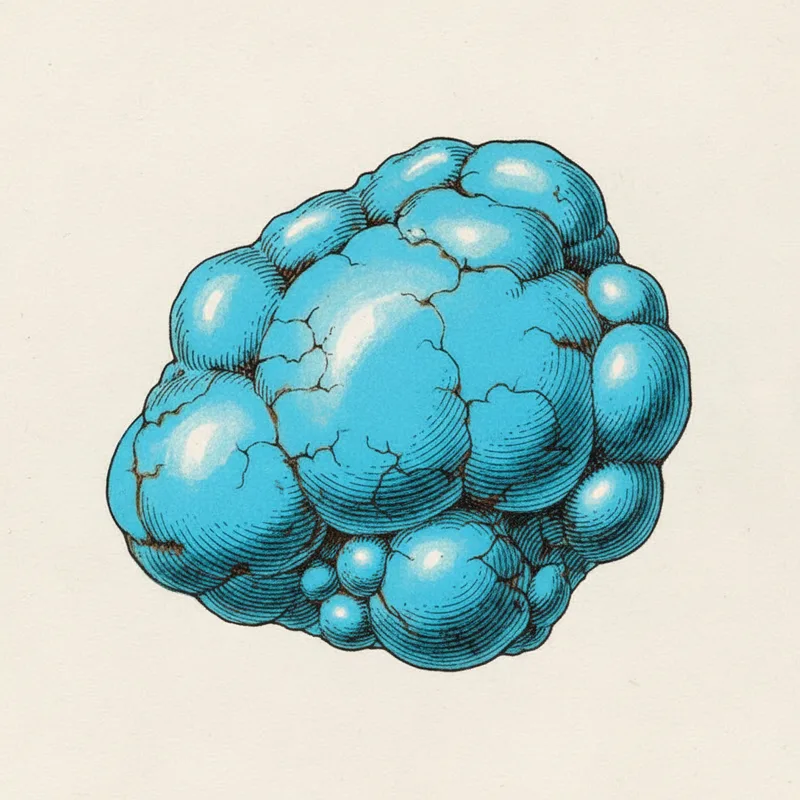
Turquoise
The Sky Stone
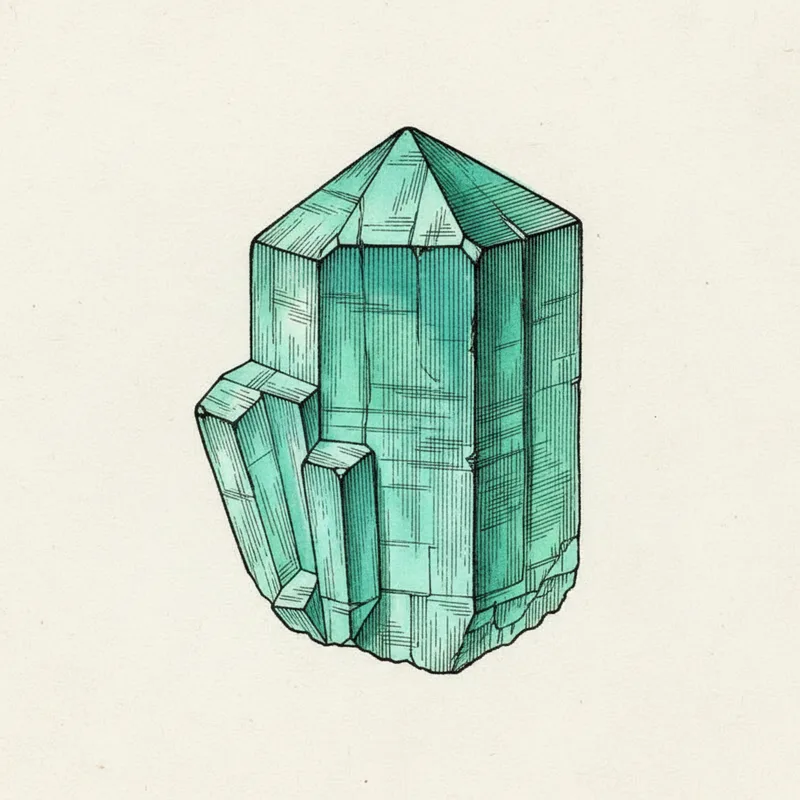
Amazonite
The Hope Stone
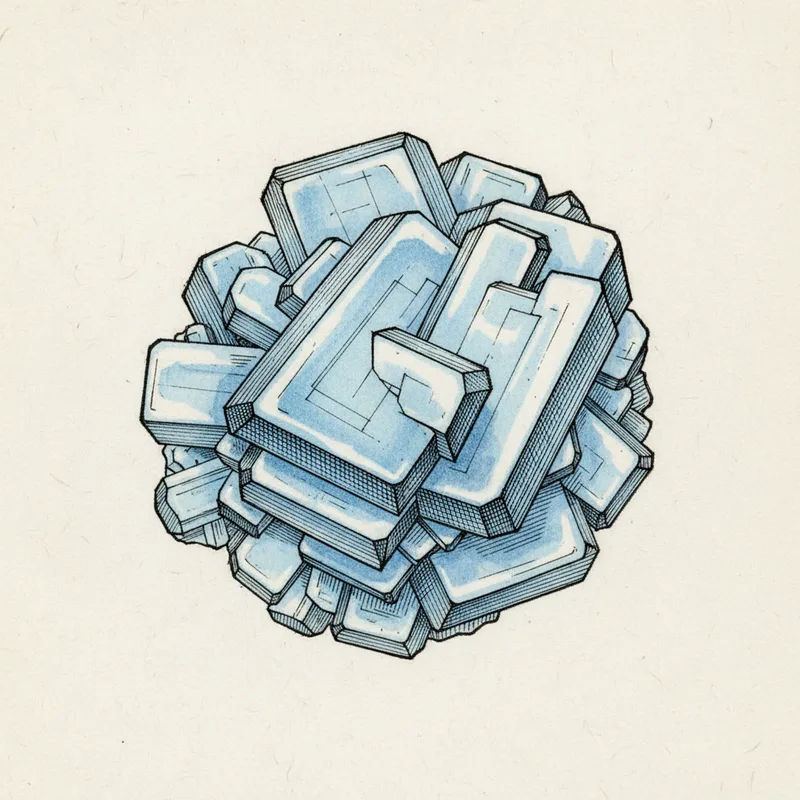
Celestite
The Stone of Angels

Spodumene
The Lithium Giant
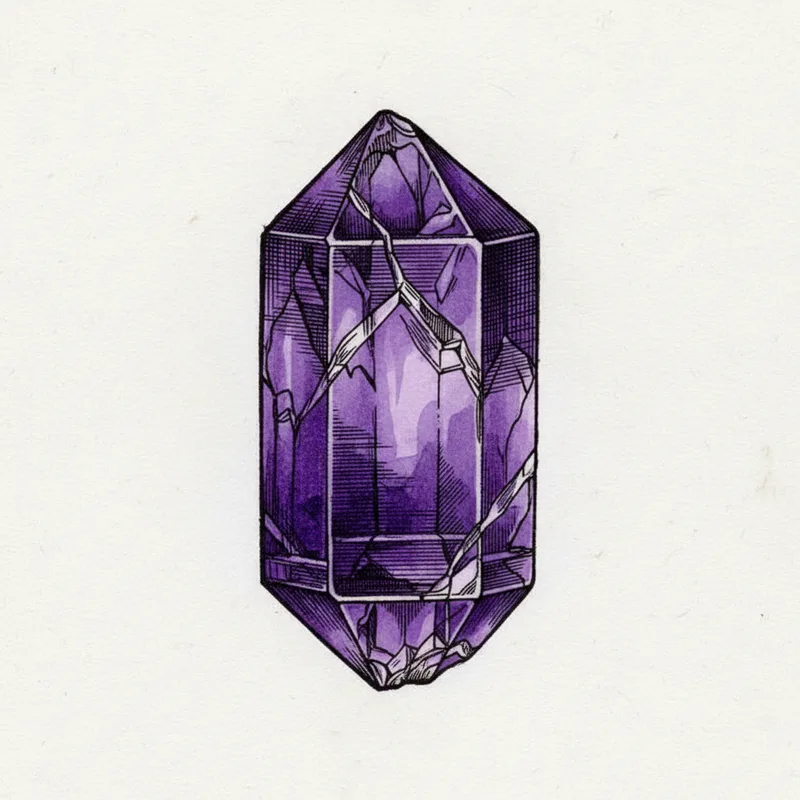
Amethyst
The Stone of Spiritual Wisdom
Howlite
The Calming Stone
Kunzite
The Evening Stone
Agate
The Stabilizer
Keep Reading
Newsletter
Something shiny, now and then
A stone worth knowing, or a fake worth spotting, every so often. No spam.