Best Crystals for Grounding and Stability
Key Takeaway: "Grounding" is the felt sense of being settled and present instead of scattered. A grounding stone helps the same way a calming stone does: it gives you a heavy, often cool object to hold during a deliberate pause, and the weight is a strong physical anchor for your attention. The stones below are the dense, dark, iron-rich minerals the tradition has always reached for, chosen here for what they actually are and how to use them. The grounding happens in your body and your habit, not in the rock, and that is exactly why a stone you can feel in your hand works as a prompt.**
Why grounding stones are heavy and dark
Look at any grounding set and a pattern jumps out: the stones are dense, dark, and often iron-rich. Hematite is iron oxide and noticeably heavy for its size. Black tourmaline, garnet, and red jasper all owe their color to iron. This is not a coincidence. A heavy, cool stone in your palm produces a strong, unmistakable physical sensation, and that sensation is the whole point: it gives a racing mind something concrete and present to land on.
That is the honest mechanism. Reaching for a weighted stone and taking a slow breath is a real way to pull your attention out of a spiral and back into your body. The tradition frames this as connecting to the earth through the root chakra, which is a useful metaphor for the same experience. The stone does not transmit "grounding energy." It is a physical anchor and a cue to pause, and the heavier and cooler it is, the better it does that job. Everything below is picked with that in mind.
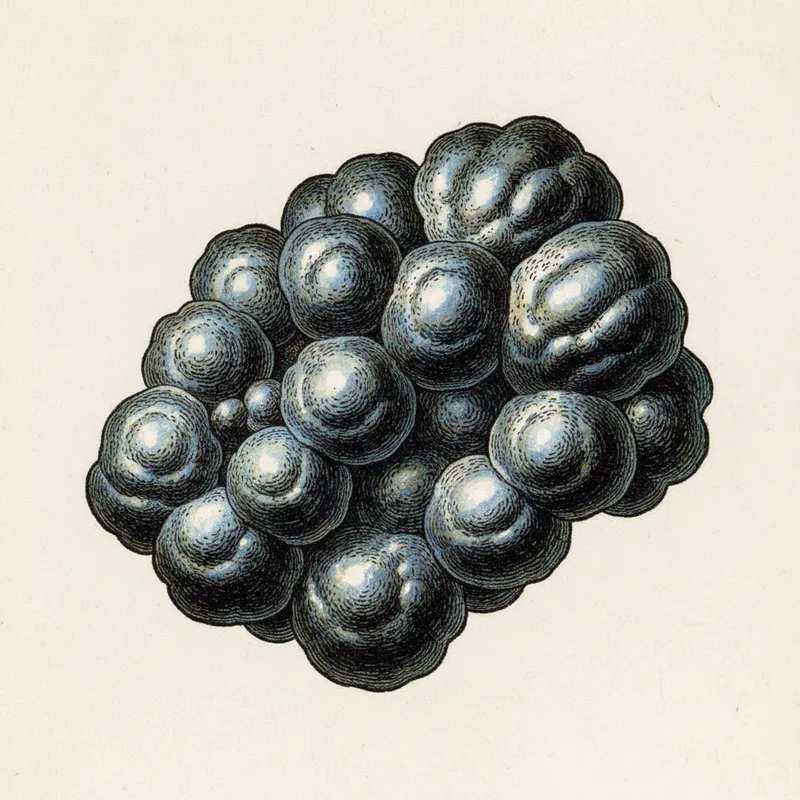
1. Hematite
Hematite is the grounding stone, mostly because of its heft. It is iron oxide, Fe₂O₃, with a bright metallic-grey shine and a surprising density that you feel the instant you pick it up. At Mohs 5 to 6 it is reasonably durable, and its red-brown streak gives away the iron inside even when the surface looks silver. That weight is the feature: of every stone here, hematite gives the strongest "there is something solid in my hand" sensation.
One buyer note in the science-first spirit: the shiny "magnetic hematite" sold in bead shops is almost always a synthetic ceramic called hematine, not natural hematite, which is only weakly magnetic at best. For grounding it makes no difference, but it is worth knowing what you are holding.
2. Black Tourmaline
Black Tourmaline, the iron-rich variety called schorl, is a complex borosilicate that grows in long, striated black prisms. At Mohs 7 it is hard and durable, a good everyday carry. It carries the strongest protection-and-grounding tradition of any stone, often kept by the door or the desk. The dense, sharply structured crystals feel substantial in a way that suits the grounding ritual. That same boundary tradition is why it heads most Mercury retrograde stone lists.
3. Smoky Quartz
Smoky Quartz is the bridge between calming and grounding. It is brown-to-grey quartz, colored by natural irradiation of silicon dioxide, and at Mohs 7 it is as tough as quartz gets. The tradition treats it as a steadying, settling stone, the calm that comes from feeling planted. If your stress shows up as scattered and untethered rather than racing, smoky quartz is the natural first pick, and it also appears on the calming crystals list for that reason.
4. Tiger's Eye
Tiger's Eye is golden-brown quartz with a moving band of light called chatoyancy, formed as quartz replaced fibrous mineral layers. At Mohs 7 it wears well. The tradition pairs it with grounded confidence and steady focus, the practical, feet-on-the-floor end of grounding rather than the meditative end. The warm color and the shifting light make it one of the more engaging stones to hold and turn.
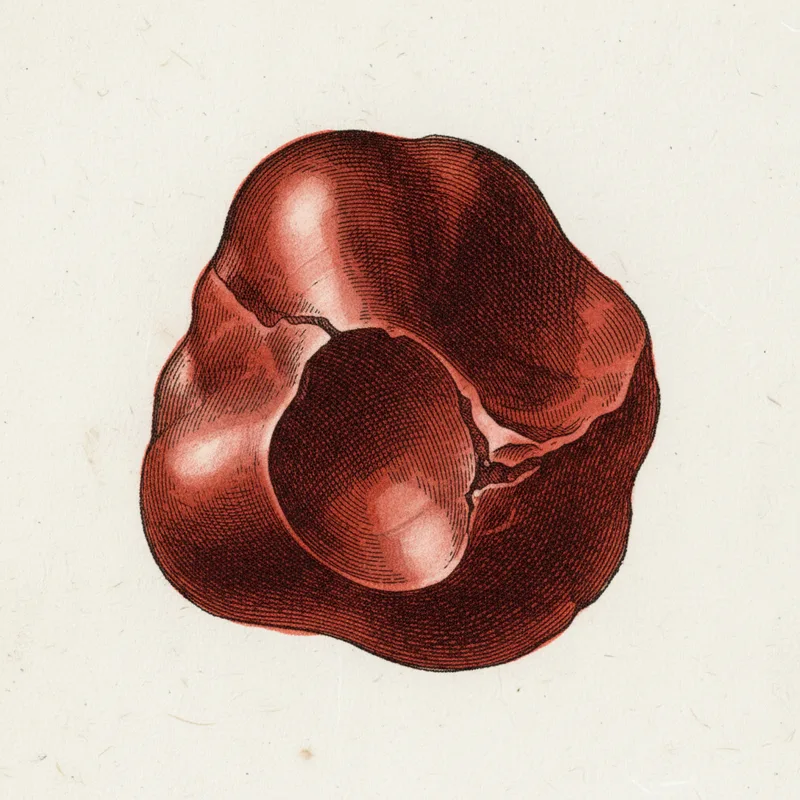
5. Red Jasper
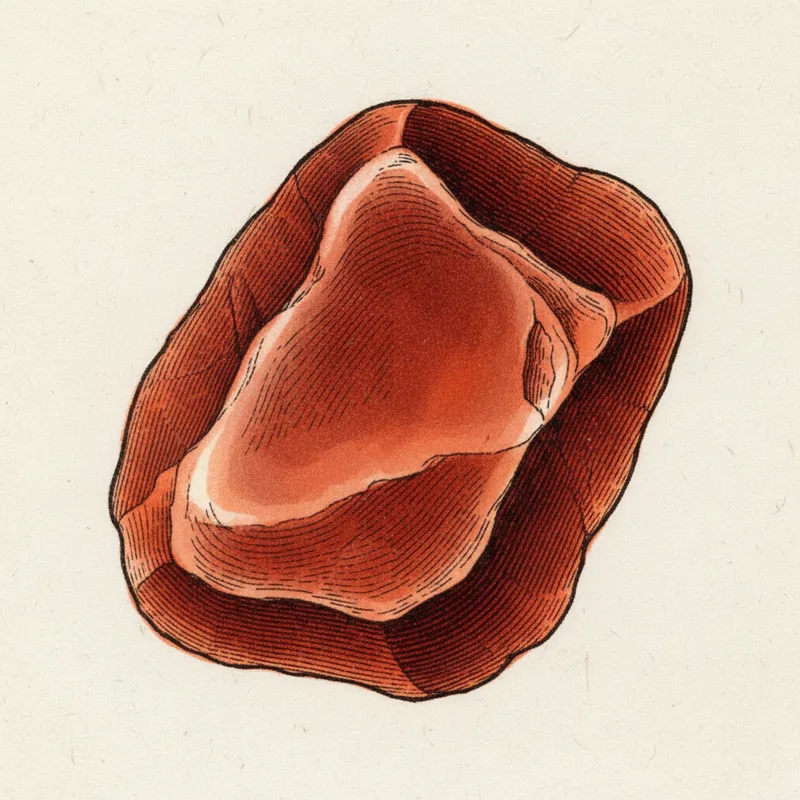
Red Jasper is an opaque, iron-stained member of the chalcedony and quartz family, deep brick-red and tough at Mohs 6.5 to 7. It is the earthy, no-frills grounding stone: solid, matte, and durable enough to carry anywhere without worry. The tradition ties it to endurance and a slow, stable kind of strength.
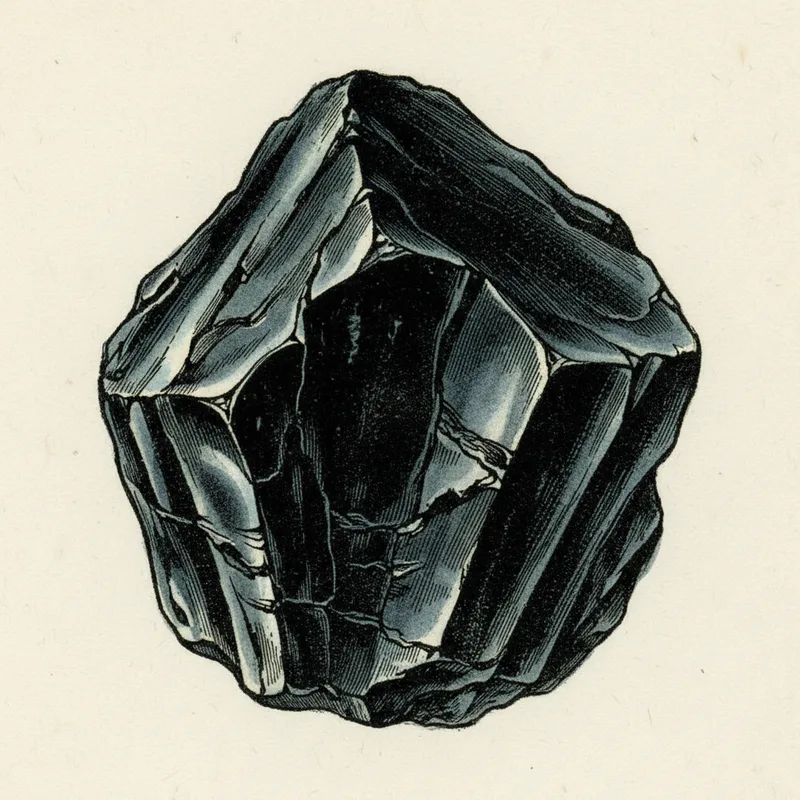
6. Obsidian
Obsidian is volcanic glass, which means it is technically a mineraloid rather than a true mineral (more on that in Is It a Mineral?). At Mohs 5 to 5.5 it breaks with sharp, glassy edges, so handle rough pieces with care. Born in fast-cooling lava, it carries a strong grounding-and-protection tradition, and its deep black, glassy surface is striking to hold. Tumbled or polished pieces are the safer choice for carrying.
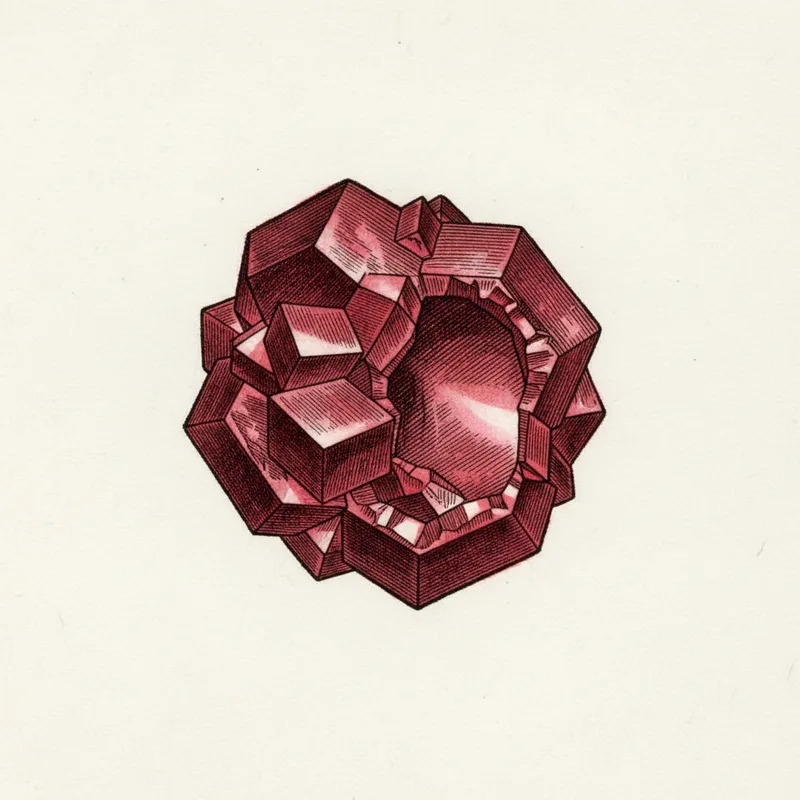
7. Garnet
Garnet is the dense, deep-red one. The common almandine variety is an iron aluminum silicate, hard at Mohs 7 to 7.5 and heavy in the hand. Its root-chakra tradition is old and consistent: a stone of stability, vitality, and being firmly rooted. The combination of real weight and durability makes it a practical grounding stone you can wear as well as carry.
How to actually use them
The practice is the same as for any intention stone, and consistency beats variety.
- Pick the heaviest one that appeals to you. For grounding, weight is the feature. Hematite and garnet give the strongest physical anchor; black tourmaline and obsidian bring the protection tradition with them.
- Use it as a pause cue. When you feel scattered or overwhelmed, hold the stone, feel its weight and temperature, and take five slow breaths. The heft gives your attention a clear place to rest.
- Keep it in reach. Pocket, desk, or entryway. The stone only works as a cue if you encounter it at the moment you need to settle.
- Carry the tough ones. Most grounding stones here are Mohs 6.5 to 7.5 and handle daily wear well. Obsidian is softer and chips, so prefer a tumbled piece. Check the care guide for specifics.
Browse the full Grounding Collection for more options, and if your stress is more racing-mind than scattered-energy, start with the calming crystals guide instead. As with any intention practice, this is cultural tradition and a useful ritual, not medical advice.
FAQ
What is the best crystal for grounding? Hematite is the most popular choice, mainly because of its weight: a dense, cool stone gives the strongest physical anchor for your attention. Black tourmaline and garnet are close behind, and smoky quartz is the gentlest option for everyday carry.
What does it mean to "ground" with a crystal? Grounding is the felt experience of being settled and present rather than scattered or anxious. Holding a heavy stone and breathing slowly is a real way to bring your attention back into your body. The stone is a physical cue and anchor for that pause, not a source of energy.
Why are grounding stones usually dark and heavy? Most are dense and iron-rich (hematite, garnet, red jasper, black tourmaline), which is why they feel weighty and often cool. That heft is exactly what makes them effective hand anchors, and the dark earthy color fits the grounding tradition.
Which grounding crystals can I carry every day? Black tourmaline, smoky quartz, tiger's eye, red jasper, and garnet are all Mohs 6.5 to 7.5 and durable for daily carry. Obsidian is softer and chips easily, so use a tumbled or polished piece.
Is hematite or magnetic hematite better for grounding? Natural hematite is the real mineral and only weakly magnetic. The strongly magnetic "magnetic hematite" in shops is usually a synthetic ceramic called hematine. For the grounding ritual either works, but natural hematite is the authentic stone.
Metaphysical and “healing” associations mentioned here are cultural traditions, not medical advice or scientific fact. Crystals are not a substitute for professional medical care. Full disclaimer.
Crystals in This Article
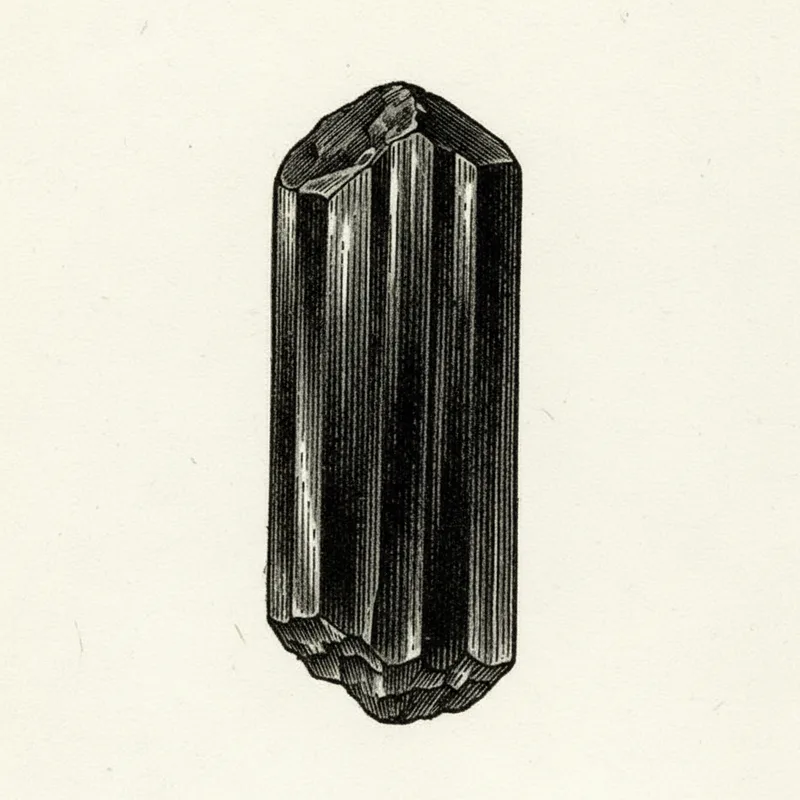
Black Tourmaline
The Shield Stone
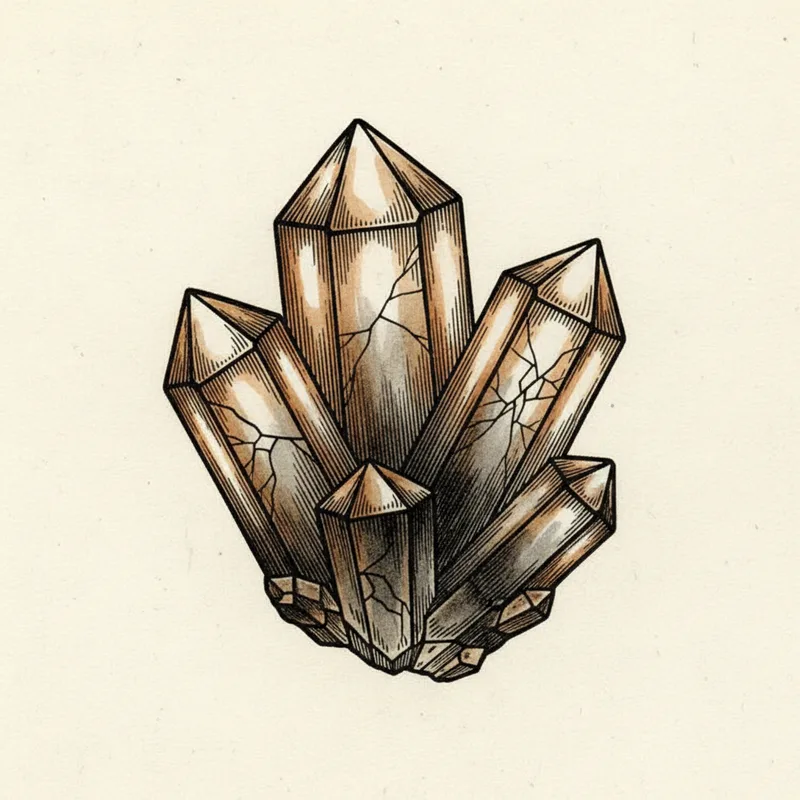
Smoky Quartz
The Grounding Stone
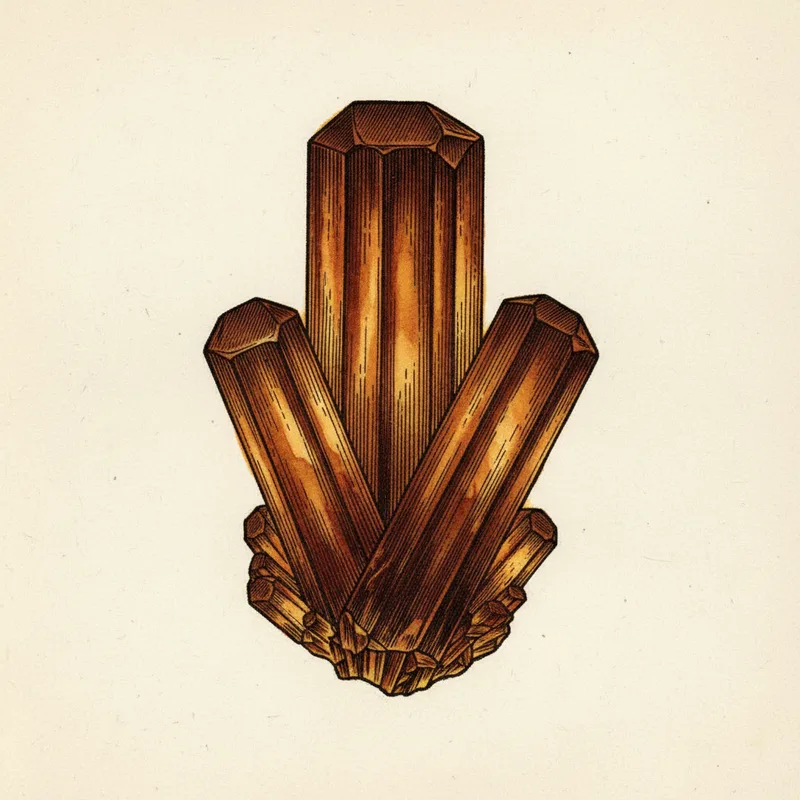
Tourmaline
The Rainbow Stone
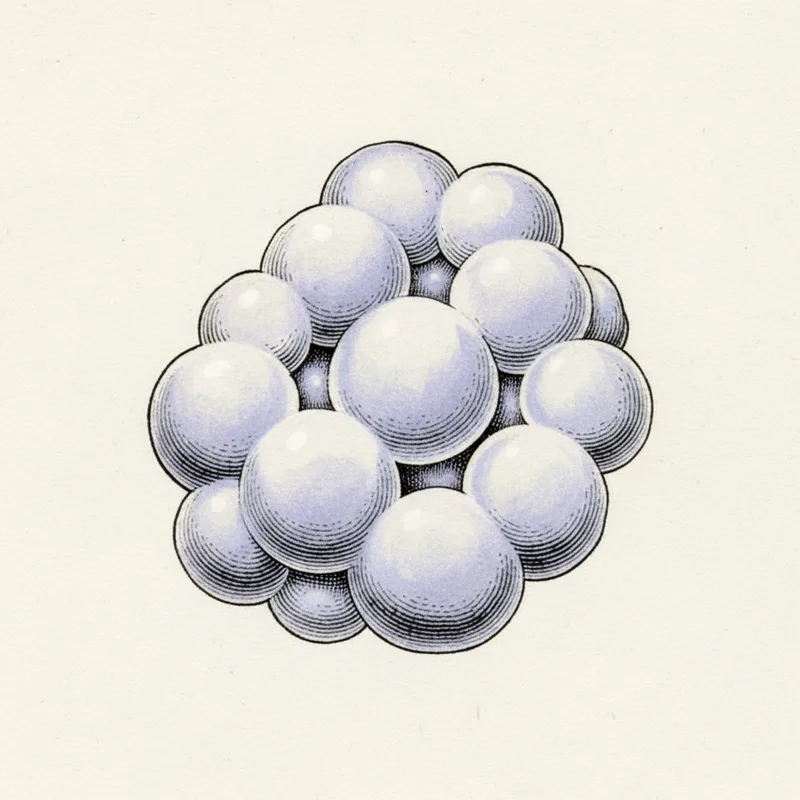
Chalcedony
The Mother of Agates
Red Jasper
The Supreme Nurturer
Obsidian
The Volcanic Glass
Hematite
The Blood Stone
Garnet
The Warrior's Stone
Jasper
The Supreme Nurturer
Silver
The Moon Metal

Schorl
The Iron-Black Tourmaline
Keep Reading
Newsletter
Something shiny, now and then
A stone worth knowing, or a fake worth spotting, every so often. No spam.