How to Clean Quartz Crystals (Without Ruining Them)
Key Takeaway: Most raw quartz just needs a few days in soapy water and a soft brush. The orange iron stain that soap will not touch comes off with Iron Out (sodium dithionite) first, or oxalic acid for thick crusts. Acids are a last resort, used only on hard, inert stones like quartz, never on soft or soluble ones like selenite or calcite, and always neutralized and rinsed afterward. Identify the mineral before you reach for anything stronger than water.
Raw quartz rarely comes out of the ground looking like the photos. It comes out caked in red clay, crusted with calcite, and stained a stubborn orange where iron has soaked into the surface. Cleaning it up is one of the most satisfying parts of the hobby, and also one of the easiest places to ruin a good piece by reaching for acid too soon.
This is a guide to physical cleaning: removing dirt, clay, iron stain, and crusts. That is a completely different thing from the energetic crystal cleansing people do for metaphysical reasons. This is just chemistry and patience.
The whole method comes down to one rule: start with the gentlest thing that could work, and only escalate if you have to. Ninety percent of specimens never need anything stronger than soap.
A note before you start: this is general educational information, not professional safety instruction. Some of the methods below use chemicals that can burn skin, give off harmful gas, or worse if handled carelessly. Always read and follow the safety data sheet (SDS) and label for any product you use, keep chemicals away from children and pets, and if you are ever unsure, stop. You use these techniques at your own risk.
First, Identify the Stone
This is the step that prevents disasters, so do not skip it. Before any soak, know three things about your specimen: what mineral it is, how hard it is, and whether it tolerates water.
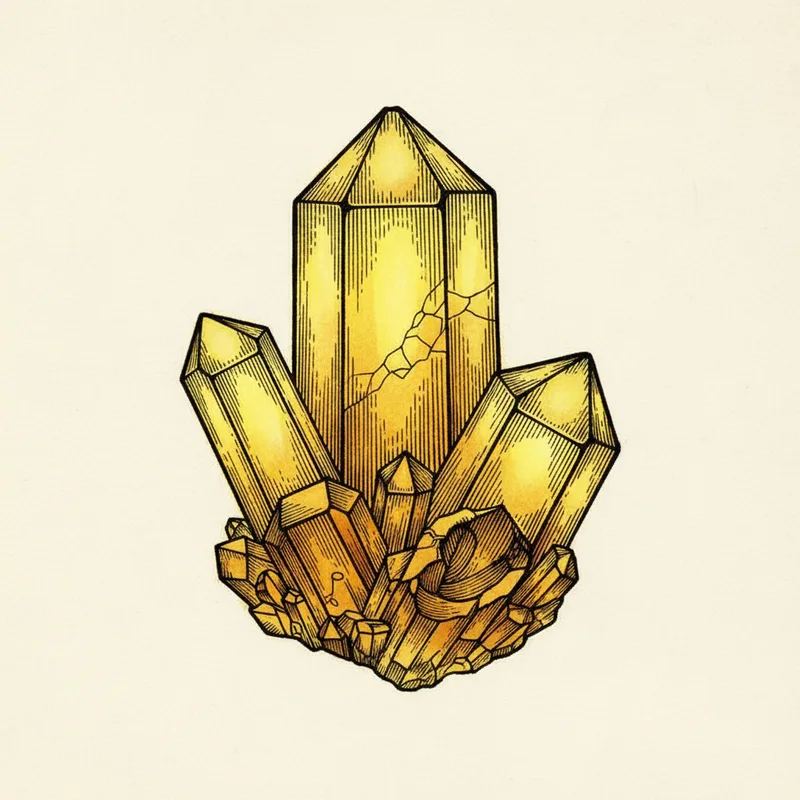
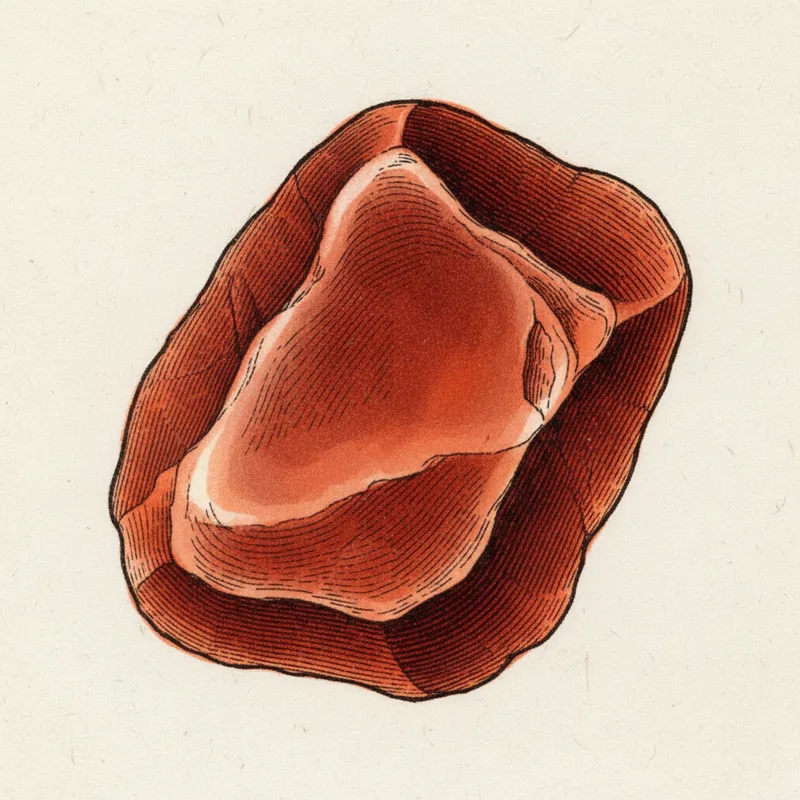
This guide assumes quartz (clear quartz, amethyst, citrine, smoky quartz, agate, and jasper). Quartz is hard (Mohs 7) and chemically inert, which is exactly why it survives aggressive cleaning that would destroy other minerals.
What you must not treat like quartz:
- Soft stones (below about Mohs 5 on the hardness scale) scratch if you brush them with anything firm.
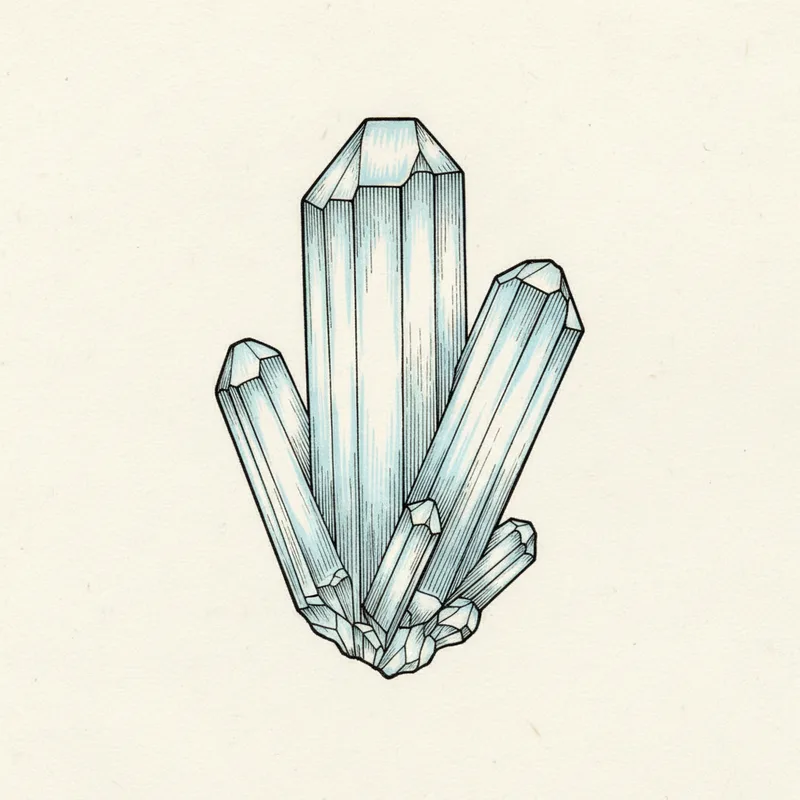
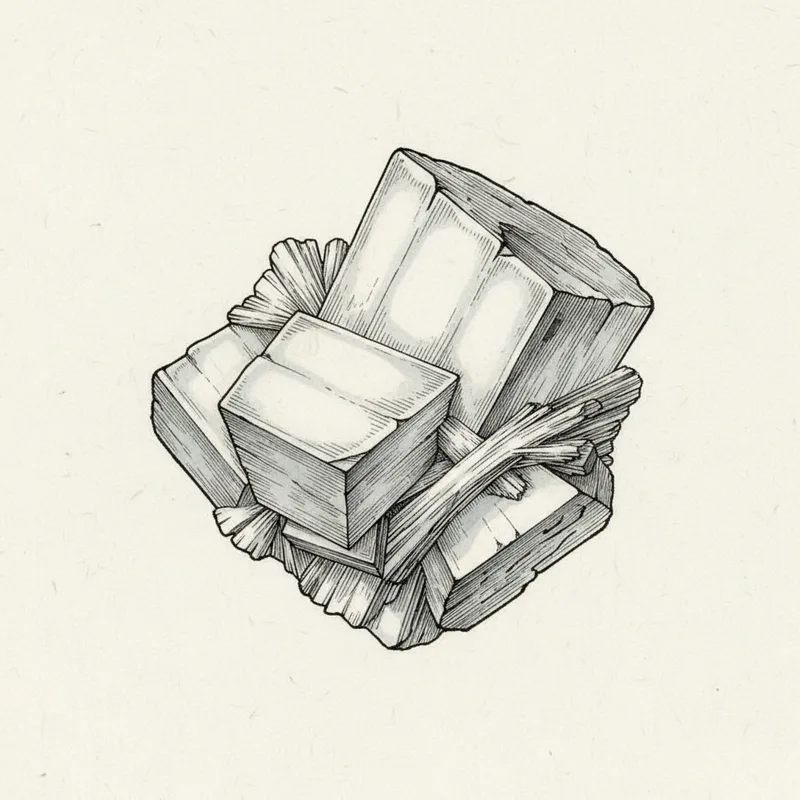
- Water-soluble stones dissolve. Selenite and satin spar are gypsum and will literally waste away in water. So will halite.
- Acid-reactive stones. Calcite, malachite, and anything else with a carbonate will fizz and dissolve in acid. Never put them near it.
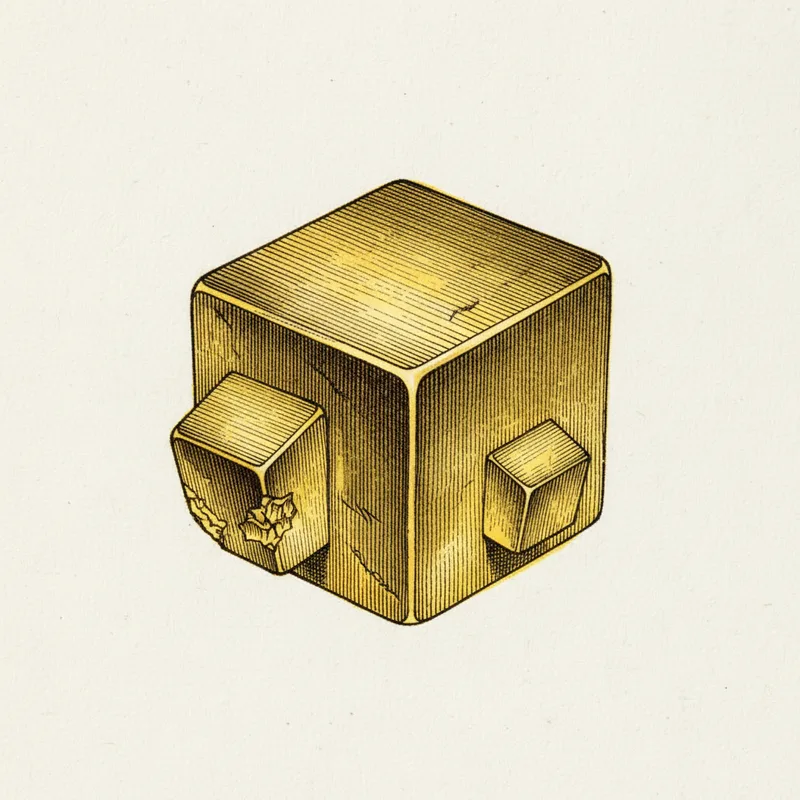
- Pyrite should not be soaked at all; water accelerates its decay.
When in doubt, check the care guide and the water-safe list before you do anything. If you cannot identify a specimen, treat it as fragile until you can.
Step 1: Soap and Water and a Soft Brush
Most cleaning ends here. Soak the specimen in warm (not hot) water with a few drops of dish soap for a day or several. Clay and loose dirt soften and let go. Then work gently with a soft toothbrush, wooden toothpicks, and a brass brush, which is softer than quartz and will not scratch the crystal faces. Never drag steel tools across the faces.
Rinse and let it dry. If it looks good, you are done. Resist the urge to escalate just because acid sounds more thorough.
Step 2: Clay That Will Not Let Go
For sticky clay packed between crystals that brushing cannot reach, soak the piece in a solution of sodium hexametaphosphate (SHMP, sold as a water-softening agent). It disperses clay so it rinses away, and it is not an acid, so it is safe on quartz with no fumes. Soak, rinse, repeat if needed.
Step 3: The Orange Iron Stain
This is the one almost everyone is actually asking about. The rusty orange film on quartz is iron oxide, and soap will not remove it. There are two tools for the job, and the safer one comes first.
Iron Out (sodium dithionite), try this first. Commercial rust removers like Iron Out and Super Iron Out use sodium dithionite, which lifts iron staining without the hazards of a strong acid. Mix it fresh in water following the label, because it decomposes quickly once dissolved, and soak the specimen. Warmth speeds it up. Work in a ventilated space, because it gives off a sharp sulfur smell, then rinse thoroughly. For ordinary iron staining this is usually all you need.
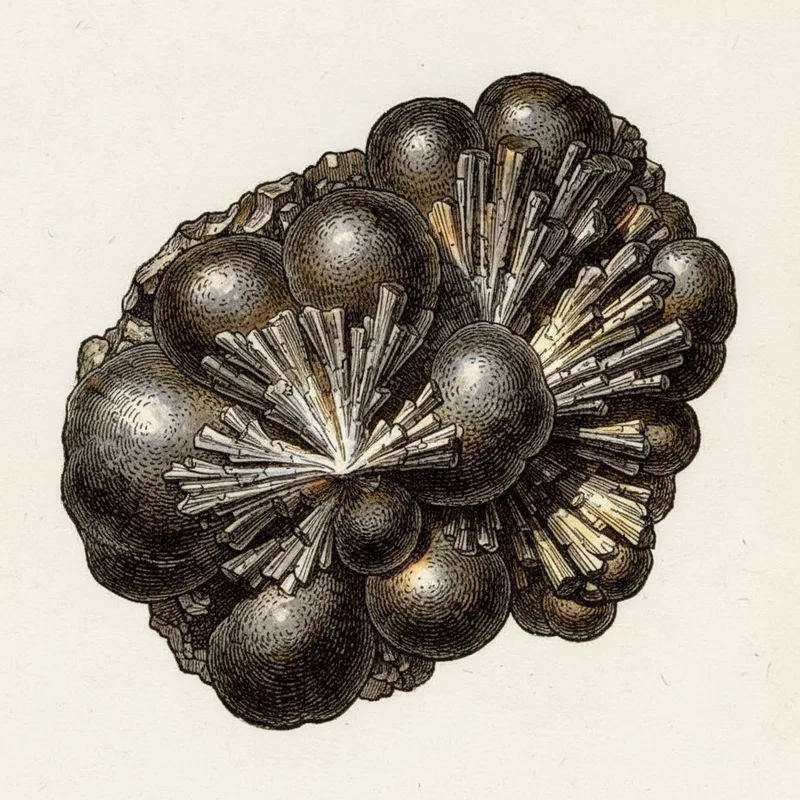
Oxalic acid, for thick crusts. When iron has built into a heavy limonite or goethite crust that dithionite cannot shift, oxalic acid is the standard next step. Dissolve oxalic acid crystals in distilled water, starting weak (about two tablespoons per half gallon for light staining is a typical starting point, but always follow the product's label and safety data sheet), warm the solution gently but never boil it, and soak for days, checking often.
A specific warning: too much oxalic acid, or too long a soak, can leave quartz with a yellow haze. If that happens, an Iron Out soak afterward usually lifts the yellow back out. And oxalic acid is genuinely toxic, so treat it with respect (see the safety rules below).
Safety Rules That Are Not Optional
- Wear gloves and eye protection, and work in a ventilated area for any chemical step.
- Never mix sodium dithionite (Iron Out) with acid. Together they release sulfur dioxide (SO₂), a corrosive, choking gas.
- Never mix bleach with acid. That makes chlorine gas. If you bleach a specimen, let it dry for a full day before any acid step.
- Oxalic acid is poisonous. Keep it away from food, skin, and children, and never let the dry powder become airborne where you might inhale it.
- Always add acid to water, never water to acid.
- Keep baking soda on hand to neutralize any spill at once.
Step 4: Calcite and Carbonate Crusts
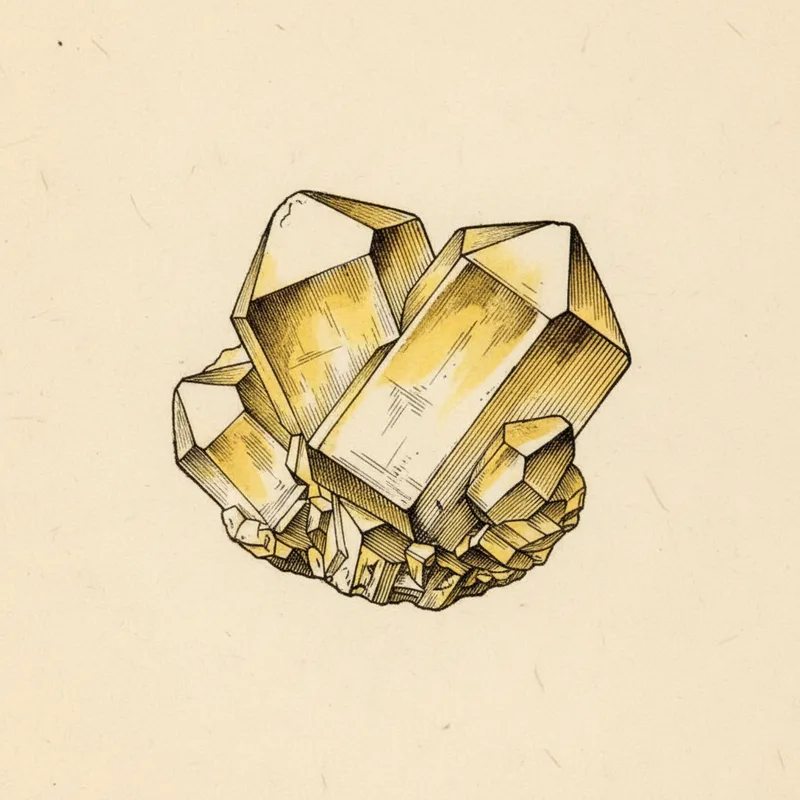
A white or tan crust on quartz is often calcite. Dilute muriatic acid (hydrochloric acid, sold for pools) dissolves it, but muriatic acid is aggressive, its fumes are corrosive, and it dissolves carbonates and attacks many other minerals outright. Use it only on a quartz host you have positively identified, outdoors or with strong ventilation, in a dilute solution. For light carbonate, ordinary white vinegar is a slower, far gentler version.
Never use any acid on a specimen you want to keep that is a carbonate. Acid does not clean calcite or malachite, it destroys them.
Step 5: Lichen, Moss, and Algae
Field specimens sometimes carry organic growth. A soak in dilute household bleach or hydrogen peroxide lifts lichen, moss, and algae. Rinse well, and remember the rule above: dry the piece for a full day before any acid step, because bleach and acid together make chlorine gas.
Step 6: Neutralize and Rinse, Every Time
Do not skip this. After any acid, soak the specimen in a baking soda and water solution to neutralize whatever acid soaked into the pores, then give it a final rinse in distilled water and let it air dry. Leftover acid keeps working slowly and can yellow or re-stain a piece weeks later.
One pro habit worth adopting: before an acid bath, soak the specimen in plain distilled water for a day first. The pores fill with water, which keeps the acid from penetrating deep into cracks and staining from the inside.
Quick Reference
| Coating | Treatment | Caution |
|---|---|---|
| Clay, dirt, mud | Soapy water soak, soft brush; SHMP for stubborn clay | Do not soak water-soluble minerals |
| Iron stain (orange) | Iron Out (dithionite) first; oxalic acid for thick crusts | Quartz only; never mix dithionite with acid |
| Calcite crust (white) | Dilute muriatic acid, or vinegar for light crust | Never on carbonate specimens themselves |
| Lichen, moss, algae | Dilute bleach or hydrogen peroxide | Dry a day before any acid (chlorine gas) |
| Any acid step | Neutralize in baking soda, rinse in distilled water | Add acid to water, gloves, ventilation |
What Not to Do
- Do not boil quartz. Sudden heat causes thermal shock, and quartz can crack or fracture along internal flaws.
- Do not acid-clean a stone you have not identified, or any soft, soluble, or carbonate mineral.
- Do not mix chemicals. The two gas hazards above are the ones that send people to the hospital.
- Do not pour acids down the drain without neutralizing them first.
- Do not use steel tools on crystal faces.
When to Just Leave It Alone
Not every specimen should be cleaned to bare crystal. Delicate, heavily included, or valuable pieces can be damaged by handling that a sturdy quartz cluster would shrug off, and for those, a soft brush and plain water is as far as you should go. Some iron staining and matrix is natural patina that collectors actually prize. If a piece is rare or you are unsure, a gentle clean and a second opinion beat an irreversible acid bath.
Bottom Line
Cleaning quartz is mostly patience: a long soak, a soft brush, and the discipline to stop there when the piece already looks good. When iron stain demands more, reach for Iron Out before oxalic acid, keep acids away from anything soft or soluble, and neutralize and rinse when you are done. Start gentle, identify before you escalate, and you will clean up beautiful crystals without turning a good specimen into a lesson.
Metaphysical and “healing” associations mentioned here are cultural traditions, not medical advice or scientific fact. Crystals are not a substitute for professional medical care. Full disclaimer.
Crystals in This Article
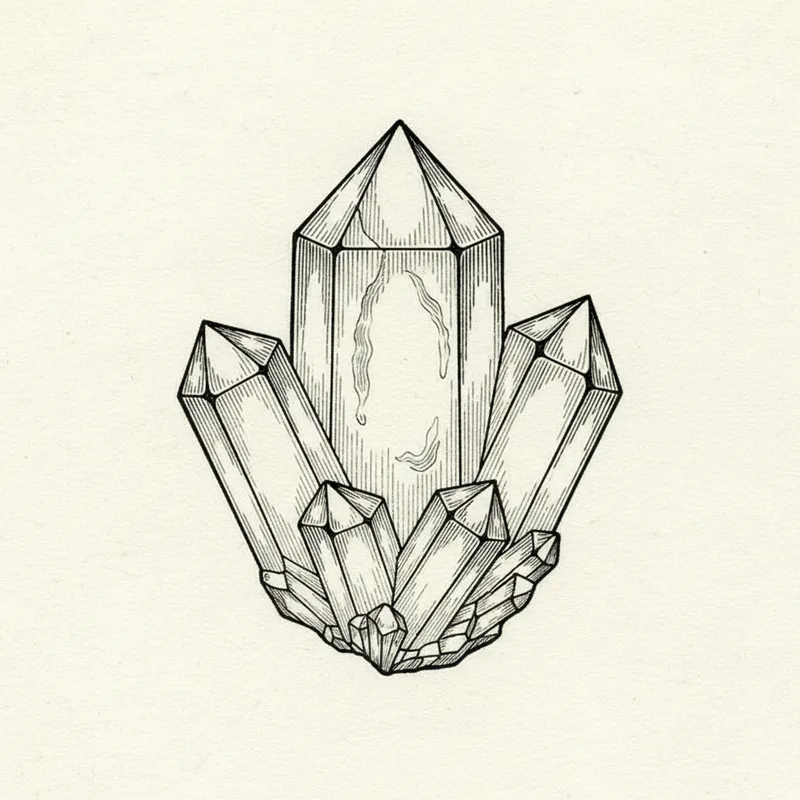
Clear Quartz
The Master Healer
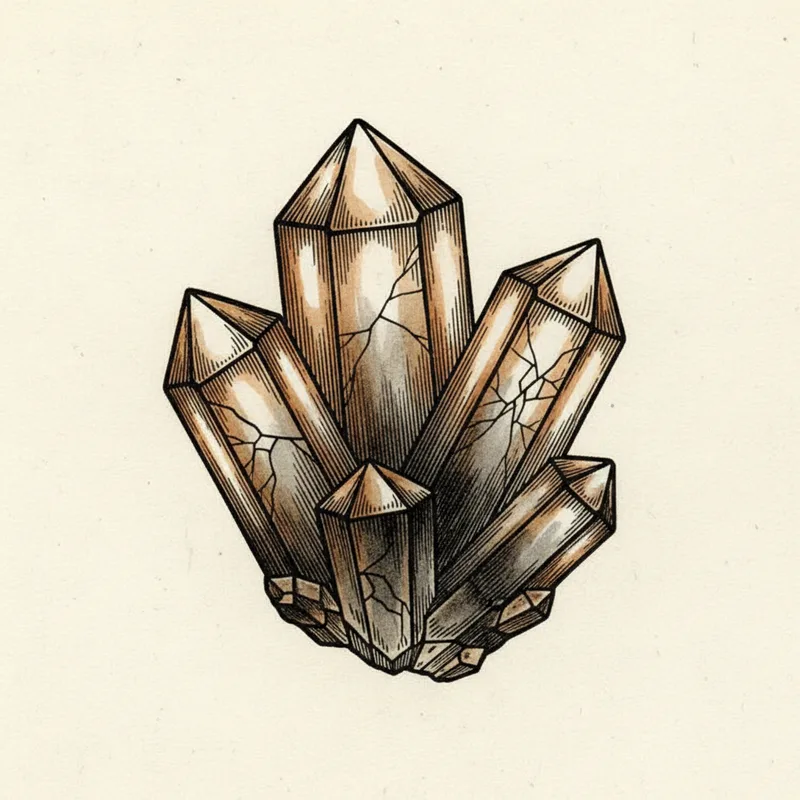
Smoky Quartz
The Grounding Stone

Satin Spar
The Silken Glow
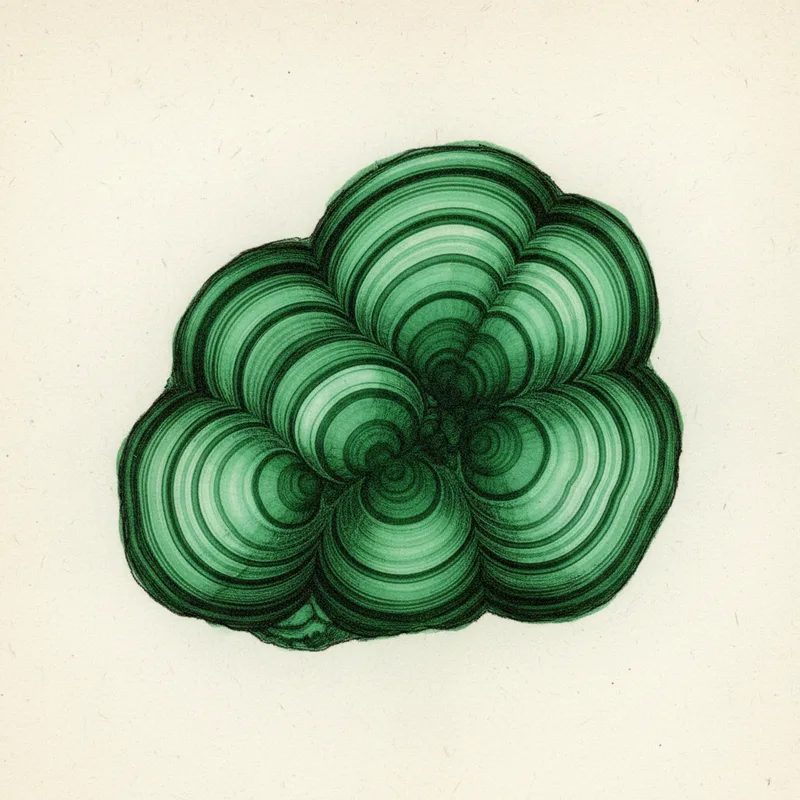
Malachite
The Stone of Transformation
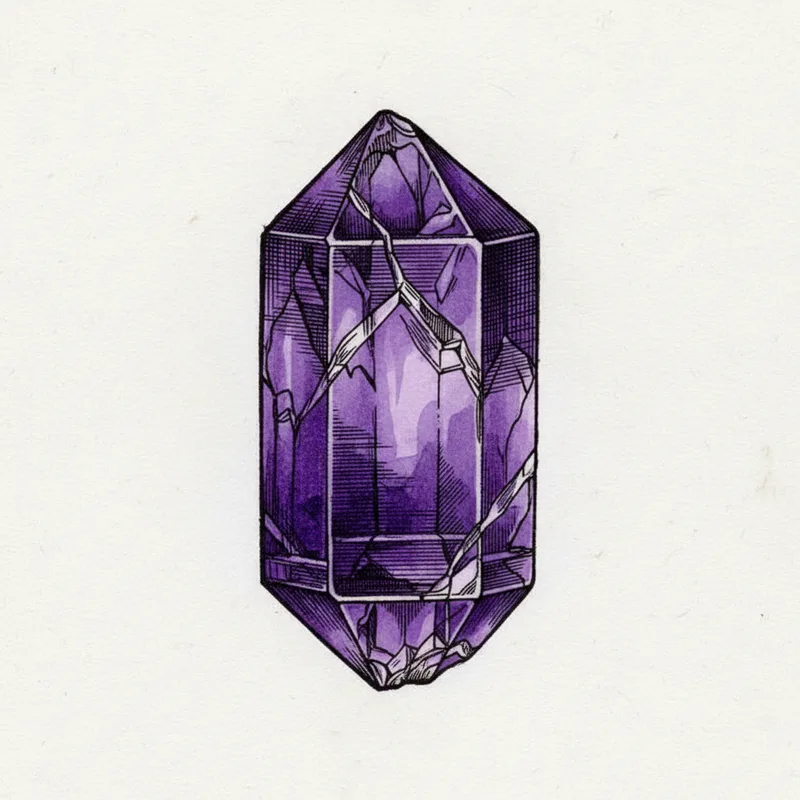
Amethyst
The Stone of Spiritual Wisdom
Selenite
The Liquid Light
Goethite
The Poet's Iron
Citrine
The Merchant's Stone
Calcite
The Shapeshifter
Pyrite
The Fool's Gold
Jasper
The Supreme Nurturer
Gypsum
The Crystal Cave Builder
Keep Reading
Stay in the loop
From the Almanac
Updates from Crystal Almanac, when there’s something worth sharing.