Morganite: Meaning, Properties, and How to Spot Fakes
Some links in this post go to Amazon and Etsy. Crystal Almanac earns a commission from qualifying purchases at no extra cost to you. Tools recommended here are ones we would use ourselves to run the tests described - the recommendation comes first, the link is downstream of it.
Key Takeaway: Morganite is the pink-to-peach variety of beryl, the same mineral species as emerald and aquamarine, colored by manganese. It's a hard, durable 7.5-8 on the Mohs scale, which is why it has become one of the most popular colored stones for engagement rings. Almost all gem morganite is heat-treated to pure pink, a permanent and accepted practice. The main thing buyers get burned on isn't the heat treatment, it's pink-coated clear beryl sold as solid morganite.
Morganite went from obscure collector's beryl to one of the most-requested engagement ring stones in barely a decade. The peachy-pink color tracks with the warm, soft palette that has dominated jewelry taste, it costs a fraction of pink diamond or fine pink sapphire, and it's hard enough to actually wear every day. That combination is rare in colored stones, and it's why morganite keeps showing up.
Here's what morganite actually is, where it comes from, and the one fake you genuinely need to watch for.
What Morganite Actually Is
Morganite is the pink variety of beryl, chemical formula Be₃Al₂Si₆O₁₈, the same mineral species that gives us green emerald and blue aquamarine. The difference is the coloring element: manganese (Mn²⁺) substituting into the crystal structure turns beryl pink to peach. Iron makes aquamarine, chromium and vanadium make emerald, manganese makes morganite. One mineral, several gems.
Like all beryl, morganite forms in granitic pegmatites, the coarse-grained rock that crystallizes in the final, water-rich stages of a cooling granite magma. Beryllium-bearing fluids concentrate in these pockets and grow large, clean crystals. Morganite from Brazil has been found in specimens weighing over 10 kilograms.
The hardness is 7.5 to 8 on the Mohs scale with no cleavage, which is the headline property for jewelry. That's harder than emerald in practice (emerald is also beryl but is riddled with fractures), harder than morganite's pink rivals kunzite and rose quartz, and durable enough for a ring you wear daily. For an affordable colored center stone, that durability is a big part of the appeal.
A Tiffany Name
Morganite was first identified in 1910 in Madagascar and named by George Frederick Kunz, the legendary gemologist of Tiffany & Co., after J.P. Morgan, the American financier and one of the great gem collectors of the age. Morgan's collection, assembled largely by Kunz, now lives at the American Museum of Natural History in New York. Kunz had a habit of naming pink gems after notable people, he also named kunzite (after himself), so morganite sits in good company as a stone with a deliberate, marketed identity from the start.
Where Morganite Comes From
Brazil (Minas Gerais). The major gem source and home of the largest crystals. Most commercial morganite traces back here.
Madagascar. The original discovery locality and still a significant producer of fine pink material.
Afghanistan (Nuristan). Produces exceptional, deeply saturated pink crystals prized by collectors and high-end cutters.
United States (California). San Diego County's pegmatites, the historic gem district that also produces tourmaline and kunzite, were an early morganite source.
The Heat Treatment Question
Here is the thing most first-time morganite buyers don't know: almost all gem morganite is heat-treated, and that's fine.
Raw morganite often comes out of the ground with a yellowish or orange overtone. Gentle heating (around 400°C) drives off the yellow component and shifts the stone to the cleaner, more desirable pure pink that the market wants. This treatment is:
- Permanent. It doesn't fade or reverse under normal conditions.
- Universal. The large majority of morganite in jewelry has been heated.
- Accepted. Unlike some treatments, heating morganite is considered standard practice, not a defect or a scam.
So if a seller discloses "heat-treated," that's normal and not a reason to walk. What you actually want to watch for is something else entirely.
How to Spot Fake Morganite
As with peridot, the encouraging news is that synthetic morganite is not produced commercially. Any genuine pink beryl is natural. So the risk isn't lab-grown stones, it's two things: simulants (glass and CZ pretending to be morganite) and, the real morganite-specific trap, coated clear beryl.
- Coated beryl. The single most important morganite scam is colorless or pale beryl with a thin pink coating applied to the surface to mimic saturated morganite. The coating wears off over time, especially on a ring, leaving a washed-out stone. Under magnification you can sometimes see the coating scratched or worn at the facet junctions and girdle. A drop of acetone or rubbing alcohol on a coated stone may affect the surface; it won't touch genuine morganite. For any significant purchase, buy from a seller who will document the stone as natural, untreated-except-heat beryl.
- Glass and CZ simulants. Pink glass and pink cubic zirconia are sold as cheap morganite look-alikes. They lack morganite's specific gravity (glass and CZ feel different in the hand, CZ noticeably heavier) and its beryl crystal properties. Under 10x magnification, glass shows round gas bubbles and flow lines that natural beryl never has.
- Color sanity check. Genuine morganite is a soft, warm pink-to-peach. A "morganite" that's a vivid, candy hot-pink is suspect, that saturation usually means glass, CZ, or a coating, not natural manganese color.
For an engagement ring, morganite's fastest-growing market, the stakes are high enough that a gemological report or a trusted jeweler's confirmation is worth it.
For the broader approach to authentication across stones, see the how to spot fake crystals guide and the most-faked crystals ranking.
Traditional Properties
Morganite's symbolism is almost entirely about the heart, which fits both its color and its romance-driven market.
Divine love and the heart. Morganite is one of the primary heart-centered stones in contemporary crystal practice, associated with unconditional love, compassion, and emotional healing. The soft pink is read as gentle, nurturing energy rather than passionate red-stone intensity.
Emotional healing and release. It's commonly used for grief work, releasing old emotional wounds, and softening anxiety, marketed as a calming, reassuring stone.
Love and relationships. The "divine love stone" reputation and its beryl-family kinship to emerald (the classic love stone) have made morganite a popular choice for couples, which dovetails neatly with the engagement-ring trend.
These are cultural and historical associations, not verified physical effects.
How Morganite Is Used Today
Overwhelmingly, morganite is set in jewelry, and engagement rings are the driving market. Its warm pink reads beautifully in rose gold (the pairing that arguably launched the trend), it's affordable next to diamond or pink sapphire, and at 7.5-8 hardness it survives daily wear better than most pink alternatives.
Beyond rings, morganite appears in pendants, earrings, and as faceted collector stones. Raw and tumbled morganite is also used in crystal practice for heart work, often combined with other heart stones like rose quartz, emerald, and kunzite. For the full beryl family context, aquamarine is its blue sibling.
Care Instructions
At 7.5-8 with no cleavage, morganite is one of the more durable colored gems, but a few rules apply.
- Clean with warm water, mild soap, and a soft brush. Easy.
- Ultrasonic cleaning is generally safe for untreated/heated morganite, but avoid it if the stone has visible inclusions or if you suspect any coating. When in doubt, hand-clean.
- Avoid prolonged strong sunlight. Heat-treated pink is stable, but extreme, prolonged heat or harsh chemicals are still best avoided.
- Store separately from harder stones (sapphire, topaz, diamond) to protect the polish.
- Coated stones, if you have one, are fragile. This is another reason to confirm your stone is natural beryl, not coated, before treating it like a tough everyday gem.
See the crystal care guide for more, and the pink crystals family for related stones.
Bottom Line
Morganite is natural pink beryl, sibling to emerald and aquamarine, colored by manganese and almost always heat-treated to a cleaner pink, which is normal and fine. It's hard, durable, affordable, and genuinely well-suited to everyday jewelry, which is exactly why engagement-ring demand keeps climbing. The heat treatment is not the thing to worry about. The thing to worry about is coated clear beryl masquerading as solid morganite, plus the usual glass and CZ simulants. Confirm you're buying natural beryl, and morganite is one of the best value-to-durability colored stones on the market.
For more on color families, see the pink crystals page. For the geology of the beryl family more broadly, browse the mineral groups page. Morganite is also one of the six stones for Libra season, the Venus-ruled stretch from September 23 to October 22, which overlaps the October birthstones, opal and tourmaline.
Metaphysical and “healing” associations mentioned here are cultural traditions, not medical advice or scientific fact. Crystals are not a substitute for professional medical care. Full disclaimer.
Crystals in This Article
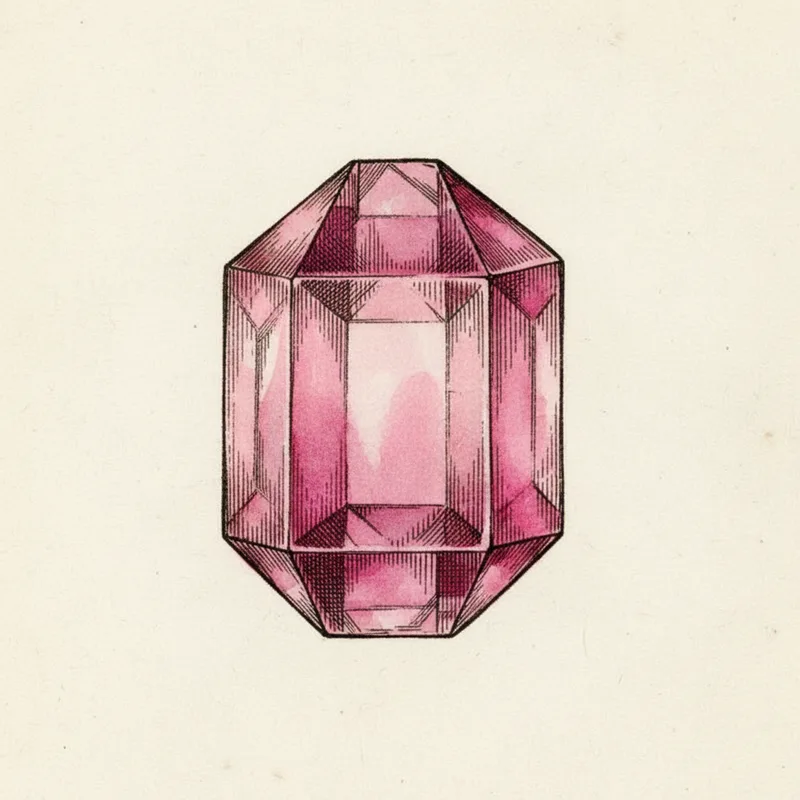
Pink Sapphire
Chromium's Softer Signature
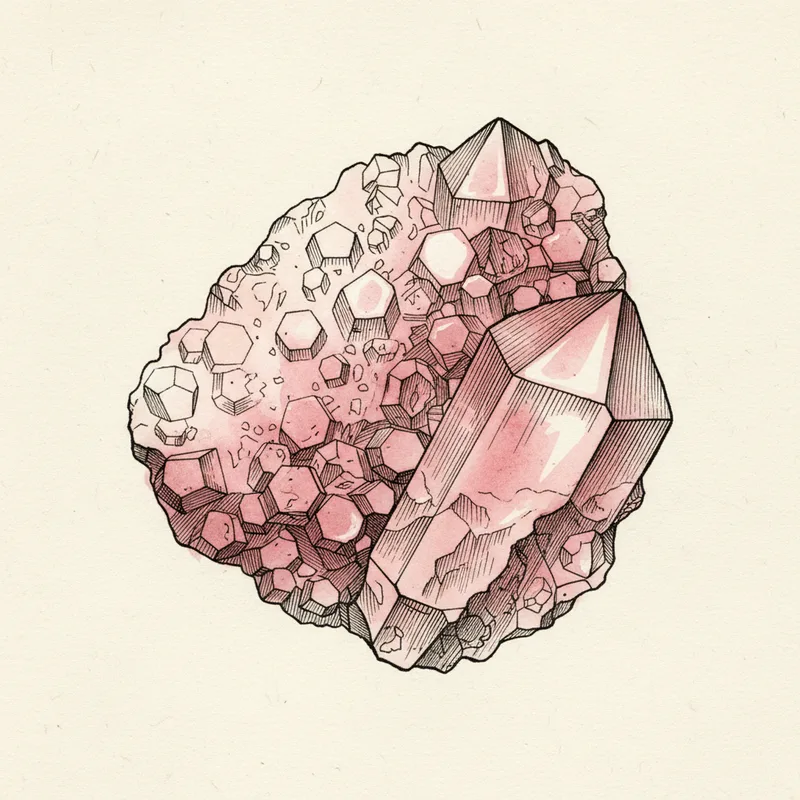
Rose Quartz
The Stone of Unconditional Love
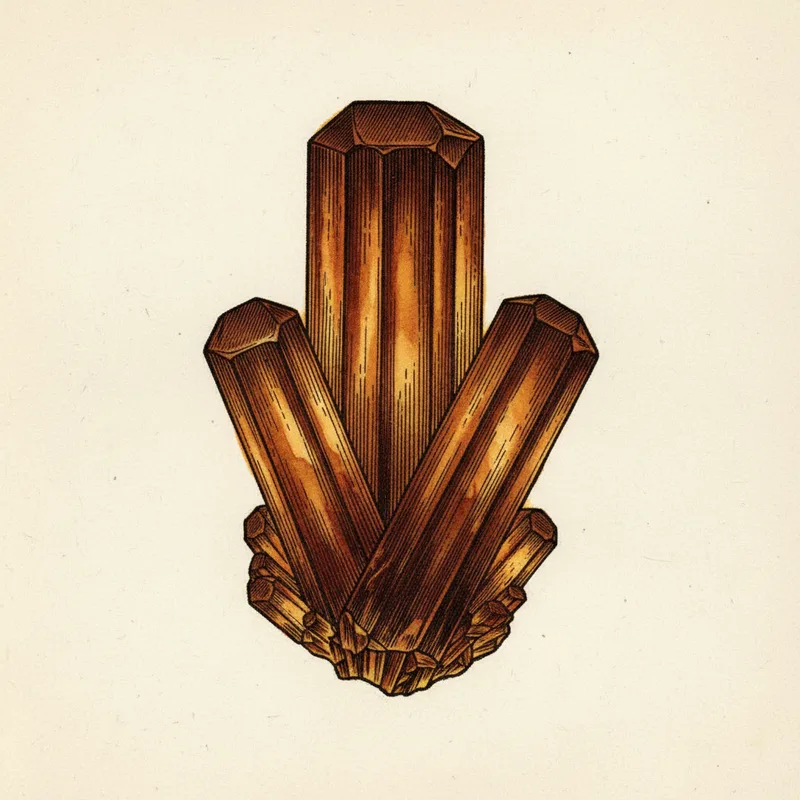
Tourmaline
The Rainbow Stone
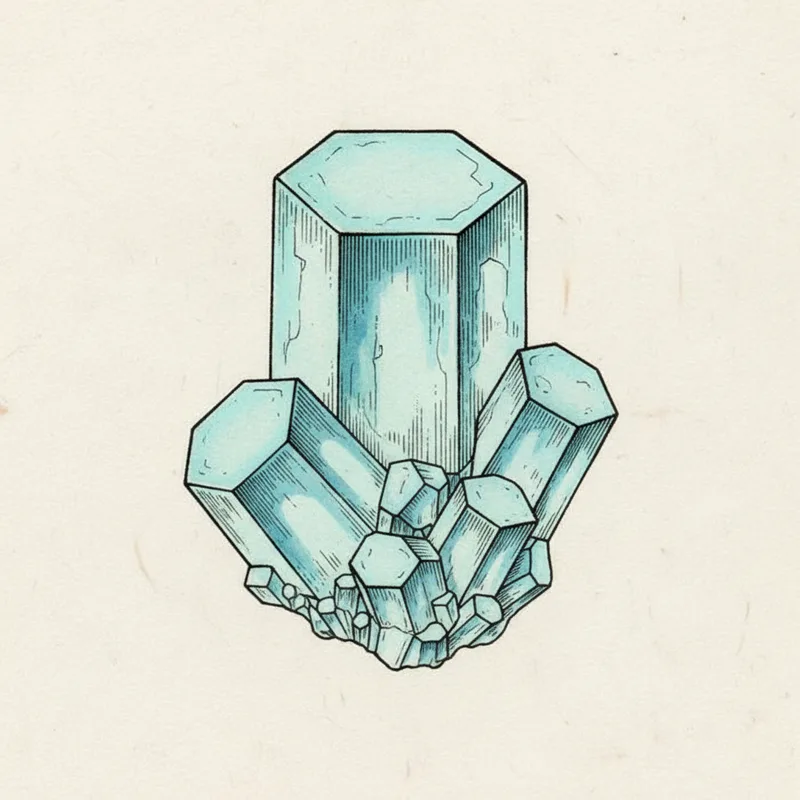
Aquamarine
The Sailor's Gem
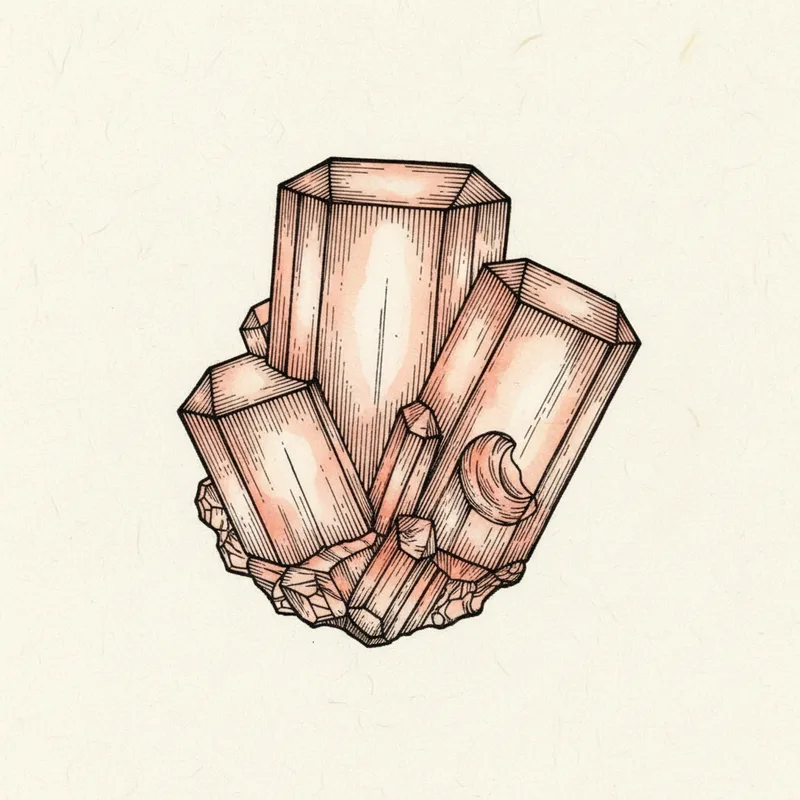
Morganite
The Divine Love Stone
Sapphire
The Gem of the Heavens
Peridot
The Evening Emerald
Kunzite
The Evening Stone
Diamond
The Invincible
Emerald
The Stone of Successful Love
Granite
The Backbone of Continents
Topaz
The Stone of Clarity
Keep Reading
Newsletter
Something shiny, now and then
A stone worth knowing, or a fake worth spotting, every so often. No spam.